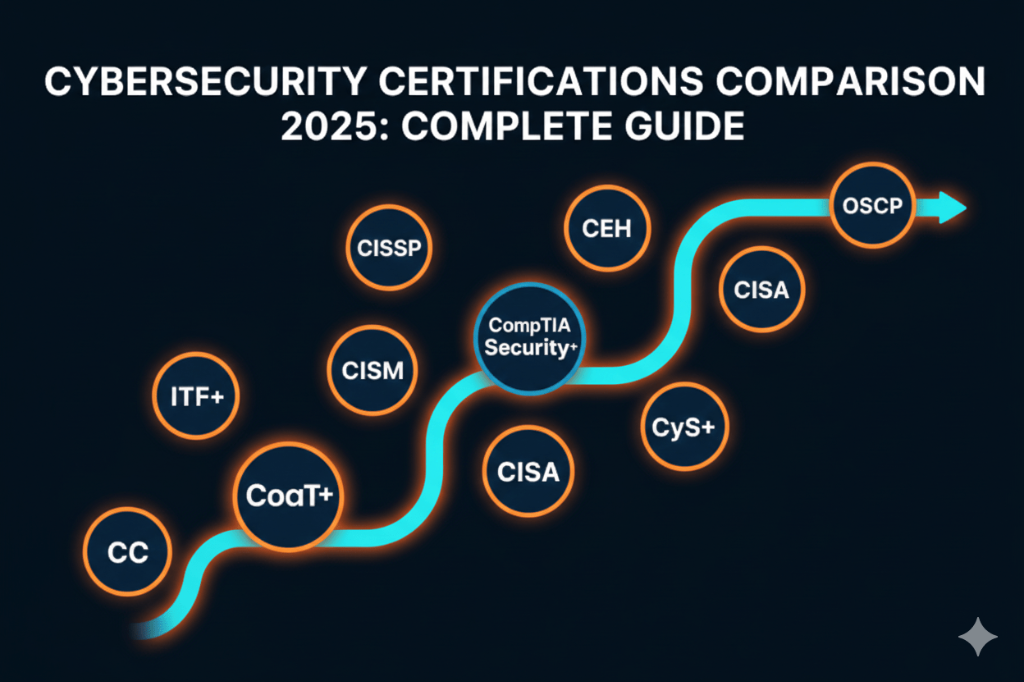
Hiring a hacker is an exercise in trust. You are essentially handing someone the keys to your digital kingdom and asking them to find the weak locks. If you choose the right professional, you secure your business. If you choose wrong, you risk data theft, blackmail, or legal liability. Asking the right questions is the only way to hire a hacker safely.
In my 10 years in the cybersecurity industry, I’ve seen too many businesses get burned by “consultants” who were either incompetent or malicious. The difference between a successful engagement and a security disaster often comes down to the vetting process.
3. “Do You Perform Background Checks on Your Employees?”
You are giving these people access to your most sensitive data. You need to know they aren’t criminals.
The Right Answer: “Yes, all our employees undergo rigorous criminal background checks and security clearance vetting.”
The Red Flag: Hesitation or “We use freelancers from around the world.”
4. “What Is Your Policy on Data Handling and Confidentiality?”
If they find a critical vulnerability (like a database of customer passwords), how do they handle that data?
The Right Answer: They should have a clear Data Handling Policy. They should use encrypted channels for communication (PGP, secure portals) and delete your data after the engagement.
The Red Flag: Sending sensitive reports via standard email or storing your data on public cloud drives.
5. “Do You Carry Professional Liability Insurance?”
Even with the best intentions, things can break during a penetration test. A server might crash; a database might get corrupted.
The Right Answer: “Yes, we carry Errors & Omissions (E&O) and Cyber Liability insurance.”
The Red Flag: “We don’t make mistakes.” Everyone makes mistakes. Professionals are insured for them.
6. “Can You Provide References from Similar Industries?”
Testing a bank is different from testing a hospital. You want a partner who understands your specific compliance landscape (HIPAA, PCI-DSS, GDPR).
The Right Answer: They should be able to provide case studies or references (anonymized if necessary) from your sector.
The Red Flag: They claim to have hacked “NASA and the FBI” but can’t provide a single verifiable business reference.
7. “What Does Your Final Report Look Like?”
The report is the product you are paying for. It needs to be actionable, not just a list of technical jargon.
The Right Answer: They should offer a sample report that includes an Executive Summary (for management) and a Technical Report (for developers) with clear remediation steps.
The Red Flag: A report that only lists “bugs” without explaining the business risk or how to fix them.
8. “Is Retesting Included in the Price?”
Once you fix the holes they found, you need them to verify the fix.
The Right Answer: Most reputable firms include one round of retesting for critical and high-severity findings within 30-60 days.
The Red Flag: Charging full price for a simple verification scan. (See our pricing guide for more on this).
9. “How Do You Handle ‘Scope Creep’ or Unexpected Findings?”
Sometimes a test reveals a rabbit hole that goes deeper than expected. How is that handled financially?
The Right Answer: “We will stop and notify you immediately if we find something critical that requires expanding the scope. We never exceed the budget without written approval.”
The Red Flag: Surprise bills at the end of the engagement.
10. “Is This Legal?”
This is a trick question, but their reaction tells you everything.
The Right Answer: They should immediately discuss the Rules of Engagement (RoE) and the Letter of Authorization. They will refuse to touch any system you do not explicitly own or have written permission to test.
The Red Flag: “Don’t worry about it,” or willingness to hack a competitor, a spouse, or a generic Gmail account. If they say yes to this, you are hiring a criminal, not a professional. Read our legal guide to understand why this matters.
Conclusion: The Interview Is Your First Line of Defense
Hiring a hacker is a significant decision. By asking these 10 questions, you shift the power dynamic. You are no longer a confused client; you are an informed buyer.
Legitimate professionals love these questions because it allows them to demonstrate their expertise and value. Scammers hate them because they expose their lack of substance.
Don’t skip the vetting process. Your security depends on it.
If you’re ready to work with a team that has the right answers to all these questions, contact Cyberlord today. Let’s discuss your security needs with transparency and expertise.
Frequently Asked Questions (FAQs)
1. How do I verify a hacker’s certifications? Most certification bodies (like EC-Council for CEH or Offensive Security for OSCP) have online verification portals. Ask the potential hire for their certification ID or a digital badge link. Never accept a screenshot as proof, as these are easily forged.
2. Should I hire a freelancer or a company? For small, specific tasks, a vetted freelancer can be cost-effective. However, for comprehensive business security, a company offers more reliability, insurance, and a team of experts rather than a single point of failure. Companies also typically have better continuity and legal protections.
3. What if they refuse to sign a contract? Walk away immediately. A contract protects both parties. It defines the scope, confidentiality, payment terms, and legal authorization. Working without a contract in cybersecurity is legally dangerous and unprofessional.
questions to ask hiring hacker guide overview
Key decisions, risks, and implementation actions for questions to ask hiring hacker guide.
⚠️ LEGAL DISCLAIMER: This article is for informational purposes only. Monitoring another adult’s device without their explicit consent is illegal in most jurisdictions and may result in criminal prosecution. The tools discussed are intended only for: (1) Parents monitoring their minor children, (2) Employers monitoring company-owned devices with employee notification, or (3) Individuals monitoring their own devices. Always consult a lawyer before taking any action.
Every week, I get some version of the same message: “I need to hire a hacker for phone access. Can you help?”
In my experience, that search usually comes from panic. A suspicious partner. A worried parent. An employer convinced data is leaving the building through a company phone. The motives change, but the result is usually the same: legal risk, a scam, or both.
The harsh truth? Hiring a hacker to access someone else’s phone is illegal. Period. It violates federal wiretapping laws, computer fraud statutes, and privacy regulations. The penalties can include federal prison time and fines exceeding $250,000.
I understand why people search for this. Phones hold relationships, payroll access, private photos, and internal business data. The most common mistake I see is assuming the urgency justifies the method. It does not. These concerns are real, but they still need lawful solutions.
In this guide, I’ll explain why people try to hire a hacker for phone access, why it’s a catastrophically bad idea, and—most importantly—what legal, ethical alternatives actually work.
Why Do People Search for “Hire a Hacker for Phone”?
Before we discuss solutions, we need to understand the problem. In 2025, phone hacking requests fall into several categories:
1. Relationship Suspicions
The most common reason. Someone suspects infidelity and wants to read text messages, view photos, or track their partner’s location. According to recent data, relationship concerns drive approximately 60% of phone hacking searches.
2. Parental Anxiety
Parents worry about their children’s online safety—cyberbullying, predators, inappropriate content. They want visibility into social media conversations and app usage.
3. Corporate Espionage
Businesses suspect employees of leaking trade secrets or violating non-compete agreements. They want to monitor company-issued devices.
4. Identity Theft Recovery
Victims of hacking want to “hack back” to recover stolen data or identify the perpetrator.
5. Lost Access
People locked out of their own devices after forgetting passwords or experiencing technical issues.
The Problem: While these concerns are real, hiring a criminal hacker is never the answer. It’s like hiring an arsonist to solve a fire problem.
Why You Should NEVER Hire a Hacker for Phone Access
Let me be blunt about what happens when you try to hire a hacker for phone monitoring:
Legal Consequences
Federal Charges: Violates the Computer Fraud and Abuse Act (CFAA) and Electronic Communications Privacy Act (ECPA).
Prison Time: Up to 5-10 years for unauthorized access to electronic communications.
Fines: $250,000+ in federal penalties.
Civil Lawsuits: The victim can sue you for damages, often exceeding $100,000.
As we detailed in our guide on whether hiring a hacker is legal, even attempting to hire someone for this purpose can be prosecuted as conspiracy.
Financial Scams
99% of “hackers for hire” on the internet are scammers. Here’s how they operate:
The Upfront Payment Scam: They demand $500-$2,000 in Bitcoin, then disappear.
The Malware Scam: They sell you “hacking software” that’s actually a virus designed to steal YOUR data.
The Blackmail Scam: They take your money, then threaten to report you to authorities unless you pay more.
We covered these scams extensively in our article on hiring a hacker safely. The bottom line: you’ll lose money and potentially face criminal charges.
Ethical Violations
Even if you could successfully hack someone’s phone, you’re violating their fundamental right to privacy. This destroys trust in relationships, creates toxic work environments, and can cause severe psychological harm to the victim.
The Cyberlord Alternative: Ethical Cybersecurity Experts
If you have a legitimate security concern, stop looking for a criminal shortcut. Hire a certified cybersecurity professional.
What We Do at Cyberlord
Unlike illegal “hackers for hire,” ethical cybersecurity firms like Cyberlord provide legal, transparent services:
Mobile Security Audits: We test YOUR OWN devices for vulnerabilities.
Corporate Device Management: Legal monitoring solutions for company-owned phones.
Incident Response: If you’ve been hacked, we help you recover legally.
Penetration Testing: We identify security weaknesses before criminals do.
The Key Difference: We only work on systems you legally own or have written authorization to test. We operate within the law, carry professional liability insurance, and provide documented reports.
Legal Phone Monitoring: When Tracking Apps Are the Answer
Here is the part most people miss: you don’t need a hacker. In many cases, what they actually need is a lawful monitoring tool, a mobile forensics expert, or an incident response team.
When Phone Monitoring Is Legal
Phone monitoring apps are legal in these specific scenarios:
Parental Control: Monitoring your minor child’s device (that you own).
Employee Monitoring: Tracking company-owned devices with employee notification.
Personal Device Security: Monitoring your own phone for security threats.
Top Legal Monitoring Apps for 2025
Instead of trying to hire a hacker for phoneaccess, use these legitimate tools:
1. mSpy – Best for Comprehensive Monitoring
mSpy is one of the most powerful legal monitoring solutions available. It offers:
Text message and call log monitoring
GPS location tracking with geofencing
Social media monitoring (WhatsApp, Instagram, Snapchat)
Keylogger functionality
Remote camera and microphone access
Cost: $11.67 – $48.99/month Legal Use: Parental control and employee monitoring (with consent)
Read our detailed mSpy review to understand all features and legal requirements.
2. Eyezy – Best for Stealth Monitoring
Eyezy focuses on discreet monitoring with advanced features:
Social Spotlight (monitors all social media)
Magic Alerts (keyword notifications)
Files Finder (access to photos and videos)
Connection Blocker (restrict specific contacts)
Cost: $9.99 – $47.99/month Legal Use: Parental monitoring and personal device security
Check our Eyezy review for a complete feature breakdown.
3. Sphnix – Best for Multi-Device Families
Sphnix excels at monitoring multiple devices simultaneously:
Cross-platform support (iOS and Android)
Web filtering and app blocking
Screen time management
Real-time location tracking
Cost: $16.67 – $49.99/month Legal Use: Family safety and parental control
Our Sphnix review covers setup and legal considerations.
Important Legal Disclaimer
These apps are legal ONLY when:
You own the device being monitored, OR
You have explicit written consent from the device owner, OR
You are monitoring your minor child’s device
Using them to spy on a spouse, partner, or employee without consent is illegal and can result in criminal charges.
How Hackers Actually Use Tracking Apps (And Why You Shouldn’t)
Here’s an uncomfortable truth: malicious actors do use legitimate monitoring apps for illegal purposes.
The Criminal Playbook
Physical Access: They briefly access the target’s unlocked phone.
Quick Installation: They install a monitoring app (takes 2-5 minutes).
Stealth Mode: The app runs invisibly in the background.
Remote Monitoring: They access all phone data from their own device.
This is called “stalkerware” when used without consent, and it’s a federal crime.
Why This Doesn’t Work for You
You’ll Get Caught: Modern phones have security features that detect unauthorized apps.
It’s Still Illegal: Even if you succeed, you’ve committed multiple felonies.
The Evidence Is Inadmissible: Illegally obtained data can’t be used in court.
If you suspect your partner of infidelity, hire a licensed private investigator. If you’re worried about your child, have an honest conversation and use parental controls with their knowledge.
Protecting Yourself: How to Detect If a Hacker Is Monitoring Your Phone
Ironically, many people searching to hire a hacker for phone access are actually victims themselves. Here’s how to detect and remove spyware:
Performance Issues: Phone running slower than normal.
Use Clario for Professional Detection
Clario is a comprehensive cybersecurity app specifically designed to detect phone hacking and spyware:
Key Features:
Spyware Detection: Scans for hidden monitoring apps that native security misses.
Data Breach Monitoring: Alerts if your personal information appears in leaks.
Stalkerware Detection: Identifies “legitimate” apps being used maliciously.
24/7 Expert Support: Live chat with cybersecurity professionals.
VPN Protection: Secures your connection on public Wi-Fi.
Fraud Link Checker: Identifies malicious websites before you click.
Cost: $12.99/month for up to 3 devices Platforms: iOS, Android, macOS
Clario goes beyond traditional antivirus by specifically targeting the types of threats used in phone hacking scenarios.
Manual Detection Steps
Check Installed Apps: Look for unfamiliar apps with generic names.
Review Permissions: Identify apps with excessive access (camera, microphone, location).
Monitor Data Usage: Check which apps are using the most data.
Factory Reset: If you suspect compromise, back up important data and reset your device.
Conclusion: Choose Legal Protection Over Criminal Hacking
The urge to hire a hacker for phone access is understandable. We live in an age where our phones contain our entire lives, and the fear of betrayal, danger, or loss is real.
But the solution is never illegal hacking. The consequences—criminal charges, financial loss, destroyed relationships—far outweigh any potential benefit.
Instead, choose legal alternatives:
For Parental Control: Use mSpy, Eyezy, or Sphnix with transparency.
For Business Security: Hire Cyberlord for professional mobile security audits.
For Personal Protection: Use Clario to detect if you’re being monitored.
For Relationship Issues: Seek counseling or hire a licensed private investigator.
Ready to secure your digital life the right way? Contact Cyberlord today for a free consultation on legal mobile security solutions. We’ll help you protect what matters without breaking the law.
Frequently Asked Questions (FAQs)
1. Is it ever legal to hire a hacker for phone access? No. Hiring someone to access another person’s phone without their consent is illegal under federal law (CFAA and ECPA). The only legal option is hiring a certified cybersecurity professional to test devices you own or have written authorization to access. Even then, they’re not “hacking” in the criminal sense—they’re performing authorized security testing.
2. Can I use monitoring apps on my spouse’s phone? Not without their explicit consent. Even if you’re married and share a phone plan, installing monitoring software on your spouse’s phone without their knowledge is illegal wiretapping. The only exceptions are: (1) you jointly own the device and both consent, or (2) you’re monitoring your minor child’s device. For relationship concerns, consider couples therapy or a licensed private investigator instead.
3. How can I tell if someone hired a hacker to monitor my phone? Look for these warning signs: unusual battery drain, increased data usage, phone overheating, unfamiliar apps, or strange behavior (apps opening randomly, settings changing). Use a security app like Clario to scan for spyware and stalkerware. Check your installed apps and app permissions for anything suspicious. If you find evidence of monitoring, document it, perform a factory reset, and consider filing a police report—phone hacking is a serious crime.
hire hacker for phone 2025 guide overview
Key decisions, risks, and implementation actions for hire hacker for phone 2025 guide.
You found a website claiming to offer hacker-for-hire services. It looks professional — there is a portfolio, client testimonials, and Bitcoin payment options. They promise to “hack any Facebook account,” “remove court records,” “erase your debt,” or “recover stolen cryptocurrency” for a fixed fee.
Before you send a single dollar: here is exactly what is about to happen to you.
How the Dark Web Hacker Industry Actually Works
After 15 years investigating cybercrime and responding to incidents caused by people who made exactly this mistake, the pattern is remarkably consistent. There is no variation. Every path through this ecosystem ends the same way.
The Three Possible Outcomes
Outcome 1: You are scammed (most common)You pay the upfront fee in cryptocurrency. The “hacker” requests more information, asks for additional payment for “access fees” or “tools,” and eventually goes silent. You have lost your money, received nothing, and have no legal recourse because you cannot report a crime committed against you while you were attempting to commission a crime.
Outcome 2: You are blackmailed A more sophisticated operation: the operator accepts your payment and screenshots your entire conversation — your name, contact information, what you asked for, and proof that you paid. They then threaten to send this evidence to your employer, your spouse, law enforcement, or all three, unless you pay a much larger sum. You wanted to solve one problem. You now have a significantly worse problem.
This is the most common outcome when dealing with operations that are not outright scams — real criminals, not amateurs. They are not in the business of providing services; they are in the business of collecting leverage.
Outcome 3: You are arrested Law enforcement agencies in the US (FBI, Secret Service), UK (NCA), Europe (Europol), and other jurisdictions actively run “honeypot” operations — fake hacker-for-hire services designed to identify and arrest customers attempting to commission computer crimes. Soliciting unauthorized access to systems, accounts, or data is a federal crime in the US under 18 U.S.C. § 1030 (Computer Fraud and Abuse Act) regardless of whether the service is actually delivered. The attempt is the offense.
Why the Services Advertised Are Impossible
The specific services advertised on these sites are not just illegal — many are technically impossible. Understanding why prevents wasted money and legal exposure.
“I Can Hack a Bank and Erase Your Debt”
Financial institution databases do not operate as a single table that can be edited with a query. They maintain redundant replicas, off-site backups, and transaction logs with cryptographic integrity checks. Even if an attacker deleted a record in one database, the backup would restore it within minutes and the deletion event would generate an alert. Erasing debt is not a technical problem — it is a legal and contractual one, solvable only through legitimate dispute processes, negotiation, or bankruptcy.
“I Can Recover Your Stolen Cryptocurrency”
Blockchain transactions are immutable by design. Once a transaction is confirmed on the network, it cannot be reversed by any technical means. There is no “undo” in Bitcoin or Ethereum. The only way cryptocurrency is returned to a victim is through legal seizure of the criminal’s wallet by law enforcement (which has happened in several high-profile cases) or the criminal voluntarily returning it. Neither outcome can be purchased from a dark web operator.
“I Can Remove Your Information from the Dark Web”
Data that has been uploaded to dark web forums, paste sites, or leak databases has almost certainly been replicated dozens of times before any removal could be attempted. The actual problem is not the dark web copy — it is the source records (data broker profiles, leaked credential databases) that make the information discoverable. Addressing the source is achievable through legal means. Paying a criminal to “delete” data from dark web servers they do not control is paying for theater.
“I Can Change Your Grades or Criminal Record”
Academic and government records exist in isolated systems with strict access logging. Unauthorized access is detectable, generates forensic evidence, and is a serious federal crime. The number of successful cases where grades or records were permanently and undetectably changed by a criminal hacker is effectively zero. The people claiming to offer this service are collecting payment and providing fabricated screenshots.
What People Actually Need (and Legal Ways to Get It)
Most people searching for dark web hackers have a legitimate underlying need that can be addressed through legal channels.
Data Removal and Privacy
The actual need: Remove personal information from the internet — home address, phone number, financial information, or leaked credentials.
The legal solution:
Data broker opt-outs: The 40+ major data brokers (Whitepages, Spokeo, Intelius, BeenVerified) are legally required to process opt-out requests under CCPA and GDPR. This is time-consuming but effective. Automated services (DeleteMe, Privacy Bee) handle this at scale.
Dark web monitoring: Services from Experian, LifeLock, and cybersecurity firms monitor dark web databases for your credentials and alert you when they appear, allowing you to change affected passwords before accounts are compromised.
GDPR/CCPA rights: Under these regulations, you have the right to request deletion of your personal data from any organization that holds it. Legal counsel can assist with enforcement when requests are ignored.
DMCA takedowns: If your private images or copyrighted content has been posted without consent, DMCA notices to hosting providers are legally effective and can result in removal within 24–72 hours.
Recovering Compromised Accounts
The actual need: Regain access to a hacked email, social media, or financial account.
The legal solution: Platform-specific account recovery processes, identity verification with the platform’s trust and safety team, and in cases involving substantial financial loss, a report to law enforcement (FBI IC3, FTC) which can result in subpoenas that compel platforms to cooperate.
Recovering Stolen Cryptocurrency
The actual need: Trace and potentially recover cryptocurrency lost to a scam or theft.
The legal solution: Blockchain forensics firms (Chainalysis, CipherTrace, Elliptic) can trace cryptocurrency flows across wallets and exchanges. This evidence can support civil litigation or law enforcement investigations. In several high-profile cases, law enforcement has seized significant cryptocurrency holdings based on forensic tracing. This is not guaranteed, but it is the only legitimate path.
Evidence Gathering
The actual need: Gather evidence about online harassment, fraud, or a cheating partner for legal proceedings.
The legal solution: OSINT (open-source intelligence) investigators work from publicly available information and produce legally defensible evidence. Licensed private investigators operate within legal frameworks. Evidence gathered through unauthorized access is inadmissible and may expose you to criminal liability.
The Legal Exposure Is Real
Soliciting unauthorized computer access is a crime in every jurisdiction with computer fraud laws. In the US, under the Computer Fraud and Abuse Act:
Paying someone to access a computer without authorization is conspiracy to commit computer fraud
Simply making the request is sufficient for attempt charges
The government does not need to prove the “hacker” actually did anything
Several individuals have received federal charges for simply sending payment and providing account details to what they believed was a hacker-for-hire service — one that was actually an FBI sting operation.
Summary
There are exactly three outcomes when you attempt to hire a hacker on the dark web: you are scammed, you are blackmailed, or you are arrested. The services advertised are either technically impossible or criminally prosecutable. The underlying problems almost all have legitimate solutions.
If you have a data privacy, account recovery, or digital investigation need, contact Cyberlord Secure Services. We operate entirely within legal frameworks, produce defensible results, and do not create new problems while solving existing ones.
Frequently Asked Questions
Is it illegal to attempt to hire a dark web hacker even if I don’t go through with it? Yes. Solicitation of computer fraud is a federal crime under 18 U.S.C. § 1030. In most jurisdictions, the communication itself — requesting unauthorized access to systems or accounts — constitutes the offense. Payment and completion are not required.
Can you legally remove my personal data from data brokers? Yes. Data brokers are required to process removal requests under California CCPA, EU GDPR, and several other state privacy laws. The process is legal, effective, and does not involve any unauthorized access. Cyberlord can manage this process on your behalf.
Someone is blackmailing me with content from the dark web. What should I do? Document everything without paying. Report to the FBI Internet Crime Complaint Center (IC3.gov), the platform where you were contacted, and local law enforcement. Do not pay — payment rarely ends blackmail and often escalates demands. Organizations like the Cyber Civil Rights Initiative provide victim support resources.
⚠️ LEGAL DISCLAIMER: This article is for informational purposes only. Monitoring another adult’s device without their explicit consent is illegal in most jurisdictions and may result in criminal prosecution. The tools discussed are intended only for: (1) Parents monitoring their minor children, (2) Employers monitoring company-owned devices with employee notification, or (3) Individuals monitoring their own devices. Always consult a lawyer before taking any action.
Last month, a business owner contacted me in a panic. He suspected an employee of leaking confidential information through their company-issued cell phone and wanted to hire a hacker for cell phone monitoring. When I explained the legal risks, his face went pale—he had nearly committed a federal crime.
This conversation happens more often than you’d think. People searching to hire a hacker for cell phone access usually fall into three categories: concerned parents, suspicious partners, or anxious employers. While the concerns are legitimate, the solution many people consider is both illegal and dangerous.
The reality? Hiring someone to hack into a cell phone without authorization can land you in federal prison for up to ten years and cost you over $250,000 in fines. But here’s the good news: there are legal, ethical alternatives that actually work better and won’t destroy your life.
This guide will show you why people search to hire a hacker for cell phone access, why it’s a catastrophic mistake, what legal monitoring tools exist, and which legal monitoring apps are safe to use.
Why People Search to Hire a Hacker for Cell Phone Access
Understanding the motivation behind these searches is crucial. In my decade of cybersecurity work, I’ve identified five primary reasons people consider hiring hackers for cell phone access:
Parental Concerns About Child Safety
Parents worry about online predators, cyberbullying, drug dealers, and inappropriate content. With 95% of teenagers owning smartphones, parents feel overwhelmed trying to monitor their children’s digital lives. They want to see text messages, social media conversations, and location data to ensure their kids are safe.
Relationship Trust Issues
Suspicion of infidelity drives thousands of daily searches for cell phone hacking services. Partners want access to text messages, call logs, dating apps, and GPS location to confirm or dismiss their fears. The emotional pain of potential betrayal makes people desperate for answers.
Employee Monitoring Concerns
Businesses suspect employees of sharing trade secrets, violating non-compete agreements, or using company devices for personal business. Employers want visibility into work phone usage to protect intellectual property and ensure productivity.
Identity Theft Recovery
Some victims of hacking believe they can “hack back” to identify perpetrators or recover stolen data. This vigilante justice approach, while understandable, is illegal and often makes situations worse.
Lost Access to Personal Devices
Individuals locked out of their own phones after forgetting passwords or experiencing technical failures sometimes consider hiring hackers to regain access rather than going through official recovery channels.
The common thread? Legitimate concerns met with illegal solutions. The problem isn’t the worry—it’s the method.
Why Hiring a Hacker for Cell Phone Access Is a Terrible Idea
Before you even consider searching to hire a hacker for cell phone monitoring, understand the catastrophic consequences:
Federal Criminal Charges
The Computer Fraud and Abuse Act (CFAA) makes unauthorized access to electronic devices a federal crime. Penalties include:
Up to 10 years imprisonment for unauthorized access to communications
$250,000+ in federal fines
Additional state charges for identity theft, wiretapping, and privacy violations
Permanent criminal record affecting employment, housing, and professional licenses
Even attempting to hire someone for this purpose can be prosecuted as conspiracy to commit computer fraud. As we detailed in our guide on whether hiring a hacker is legal, both the hacker and the person who hired them face prosecution.
Financial Scams and Total Loss
Approximately 99% of “hackers for hire” advertising cell phone hacking services are scammers. Here’s how they operate:
The Bitcoin Scam: They demand $500-$2,000 in untraceable cryptocurrency upfront, then disappear completely.
The Malware Trap: They sell you “hacking software” that’s actually malware designed to steal your banking credentials and personal information.
The Escalation Scam: After taking your initial payment, they claim they need more money for “advanced tools” or “emergency expenses.”
The Blackmail Betrayal: They take your money, provide nothing, then threaten to report you to law enforcement unless you pay additional “silence fees.”
You won’t just lose money—you’ll potentially face criminal charges while having your own identity stolen.
Ethical and Relationship Destruction
Installing surveillance software on someone’s phone without consent violates their fundamental privacy rights. This creates:
Irreparable damage to trust in personal relationships
Toxic work environments and potential lawsuits
Psychological trauma for the monitored person
Legal liability that extends beyond criminal charges to civil damages
Even if you succeed, evidence obtained illegally cannot be used in court for divorce proceedings, custody battles, or employment disputes.
The Cyberlord Alternative: Ethical Cybersecurity Experts
Instead of trying to hire a hacker for cell phoneaccess illegally, work with certified ethical cybersecurity professionals like Cyberlord who operate within legal boundaries.
What Ethical Cybersecurity Experts Actually Do
At Cyberlord, we provide legal services that address your real security concerns:
Mobile Security Audits: We test devices you legally own for vulnerabilities, malware, and security weaknesses. This helps you understand if your company phones are secure or if your personal device has been compromised.
Corporate Device Management: For businesses, we implement legal employee monitoring solutions on company-owned devices with proper employee notification and consent.
Incident Response: If you suspect your phone has been hacked, we perform forensic analysis to identify breaches, remove malware, and secure your device—all legally.
Security Training: We educate your family or employees about mobile security threats, safe browsing practices, and how to recognize phishing attempts.
The Critical Difference
We only work on systems you legally own or have written authorization to test. We operate with professional liability insurance, documented contracts, and complete transparency. Our penetration testing services are designed to protect your digital assets legally and effectively.
Unlike criminal hackers who disappear after taking your money, we provide detailed reports, remediation guidance, and ongoing support to strengthen your security posture.
How Malicious Hackers Actually Use Tracking Apps
Here’s an uncomfortable truth: criminal hackers who offer to monitor cell phones don’t use sophisticated hacking techniques. They use legitimate tracking apps designed for legal purposes—but deploy them illegally.
The Criminal Playbook Revealed
Malicious actors exploit legitimate monitoring software through this process:
Gain Physical Access: They briefly access the unlocked target phone (often while the person sleeps or leaves it unattended).
Quick Installation: They install monitoring apps like mSpy, Eyezy, or Sphnix in 2-5 minutes.
Enable Stealth Mode: The app runs invisibly in the background without showing icons.
Remote Monitoring: They access all phone data—messages, calls, location, photos—from their own device.
This method is called “stalkerware” when used without consent, and it’s a serious federal crime under wiretapping and privacy laws.
Why People Use Apps Like mSpy, Eyezy, and Sphnix
These apps exist for legitimate purposes—parental control and employee monitoring with consent. Let me explain each:
mSpy is one of the most comprehensive legal monitoring solutions available. It offers text message and call log monitoring, GPS location tracking with geofencing, social media monitoring for platforms like WhatsApp and Instagram, and keylogger functionality. When used legally for parental control or employee monitoring with consent, mSpy costs $11.67-$48.99 per month. Read our detailed mSpy review to understand all features and legal requirements.
Eyezy focuses on discreet monitoring with features like Social Spotlight (monitoring all social media platforms), Magic Alerts (keyword notifications), Files Finder (access to photos and videos), and Connection Blocker (restricting specific contacts). Pricing ranges from $9.99-$47.99 per month. Check our Eyezy review for complete feature breakdown and legal usage guidelines.
Sphnix excels at monitoring multiple devices simultaneously, making it ideal for families. Features include cross-platform support for iOS and Android, web filtering and app blocking, screen time management, and real-time location tracking. Costs range from $16.67-$49.99 per month. Our Sphnix review covers setup and legal considerations in detail.
The Legal vs. Illegal Distinction
These apps are legal ONLY when:
You own the device being monitored, OR
You have explicit written consent from the device owner, OR
You’re monitoring your minor child’s device
Using them to spy on a spouse, partner, or employee without consent is illegal wiretapping and can result in criminal prosecution.
Why You Need Ethical Hackers from Cyberlord
The term “hacker” has negative connotations, but ethical hackers—also called white hat hackers or penetration testers—are cybersecurity professionals who use their skills to protect rather than exploit.
The Difference Between Criminal Hackers and Ethical Experts
Criminal hackers operate without permission, violate laws, and exploit vulnerabilities for personal gain. They offer no recourse when things go wrong and often scam or blackmail their clients.
Ethical hackers like those at Cyberlord work with written authorization, operate within all applicable laws, hold professional certifications (CEH, OSCP, CISSP), provide comprehensive reports and remediation guidance, and carry professional liability insurance.
Instead of illegally monitoring someone’s phone, ethical hackers help you:
Detect Existing Compromises: If you suspect your own phone has been hacked, we perform forensic analysis to identify spyware, malware, and unauthorized access.
Secure Business Communications: We implement encrypted communication platforms, secure mobile device management (MDM), and data loss prevention for businesses.
Recover from Breaches: If your data has been compromised, we identify attack vectors, remove threats, and implement security measures to prevent future incidents.
Compliance Implementation: We help businesses meet regulatory requirements for mobile device security under HIPAA, GDPR, and other frameworks.
Most built-in phone security and traditional antivirus apps miss sophisticated monitoring software because:
Stalkerware often doesn’t fit traditional malware signatures
Many monitoring apps are “legitimate” software used illegally
Advanced spyware uses rootkit techniques that hide from standard scans
Commercial spyware is specifically designed to evade detection
The Clario Advantage
Clario is a comprehensive cybersecurity application specifically designed to detect phone hacking and spyware that traditional security misses:
Spyware Detection: Scans for hidden monitoring apps using advanced behavioral analysis and signature databases that target stalkerware specifically.
Stalkerware Identification: Identifies “legitimate” monitoring apps (like mSpy, Eyezy, and others) being used without your consent.
Data Breach Monitoring: Alerts you immediately if your personal information appears in data leaks or breaches on the dark web.
24/7 Expert Support: Live chat with cybersecurity professionals who can guide you through removal and security hardening.
VPN Protection: Secures your connection on public Wi-Fi to prevent man-in-the-middle attacks and eavesdropping.
Fraud Link Checker: Identifies malicious websites and phishing attempts before you click dangerous links.
Clario costs $12.99 per month for up to three devices and works on iOS, Android, and macOS. It goes beyond traditional antivirus by specifically targeting the types of threats used in phone hacking scenarios.
Manual Detection Steps
Supplement Clario with these manual checks:
Review Installed Apps: Look for unfamiliar applications with generic names like “System Update” or “Device Care”
Check Permissions: Identify apps with excessive access to camera, microphone, location, and messages
Monitor Data Usage: Track which apps consume the most data in your phone’s settings
Factory Reset: If you find evidence of compromise, back up important data and perform a complete factory reset
Legal Alternatives for Legitimate Monitoring Needs
If you have genuine, legal reasons to monitor a cell phone, here are the ethical approaches:
For Parents
Use parental control apps transparently with your children. Explain why monitoring is necessary for their safety, use age-appropriate restrictions, and gradually reduce monitoring as they demonstrate responsibility. Apps like mSpy, Eyezy, and Sphnix are legal for monitoring your minor child’s device that you own.
For Employers
Implement employee monitoring with proper notice and consent:
Provide written policy explaining monitoring on company devices
Have employees sign acknowledgment forms
Monitor only company-owned devices during work hours
Focus on business-related activities, not personal communications
For Relationship Concerns
If you suspect infidelity, hire a licensed private investigator instead of trying to hire a hacker for cell phone access. Private investigators operate legally, provide admissible evidence, and won’t destroy your life with criminal charges.
Consider couples therapy to address trust issues, have honest conversations about concerns, and recognize that illegally obtained evidence won’t help in divorce proceedings.
Conclusion: Choose Legal Protection Over Criminal Hacking
The urge to hire a hacker for cell phonemonitoring is understandable. Our phones contain our entire lives, and concerns about betrayal, danger, or loss feel overwhelming. But criminal hacking is never the answer.
The consequences—federal charges, massive fines, prison time, financial scams, and destroyed relationships—far exceed any potential benefit. Worse, you’ll likely get scammed and end up with nothing while facing prosecution.
Choose legal alternatives instead:
For parental control: Use mSpy, Eyezy, or Sphnix transparently
For business security: Hire Cyberlord for professional mobile security audits
For personal protection: Use Clario to detect if you’re being monitored
For relationship issues: Seek counseling or hire licensed private investigators
Remember, ethical cybersecurity experts exist to solve your real security problems legally and effectively. We protect your digital assets without destroying your life.
Ready to secure your mobile devices the right way? Contact Cyberlord today for a free consultation on legal mobile security solutions. Our certified ethical hackers will help you protect what matters without breaking the law or risking everything you’ve built.
Frequently Asked Questions
1. Is it ever legal to hire a hacker for cell phone access?
No, hiring someone to access another person’s cell phone without their consent is illegal under federal law, specifically the Computer Fraud and Abuse Act (CFAA) and Electronic Communications Privacy Act (ECPA). The only legal option is hiring certified cybersecurity professionals to test devices you own or have written authorization to access. Even then, they’re performing authorized security testing, not criminal hacking. For relationship concerns, hire a licensed private investigator. For parental monitoring, use legal apps like mSpy with transparency.
2. How can I legally monitor my child’s cell phone?
You can legally monitor your minor child’s cell phone if you own the device and your child is under 18. Use legitimate monitoring apps like mSpy, Eyezy, or Sphnix with proper setup. Best practices include being transparent with your child about monitoring, explaining it’s for their safety, using age-appropriate restrictions, and gradually reducing monitoring as they demonstrate responsibility. Document that you own the device and that the child is a minor. Avoid installing monitoring software secretly, as transparency builds trust while maintaining safety.
3. What should I do if I think someone hired a hacker to monitor my cell phone?
If you suspect your cell phone is being monitored, take immediate action. First, install Clario or similar security software to scan for spyware and stalkerware. Look for warning signs like unusual battery drain, data usage spikes, or strange behavior. Check installed apps and permissions for anything unfamiliar. If you find monitoring software, document everything with screenshots, perform a factory reset after backing up important data, change all passwords immediately, and consider filing a police report since unauthorized phone monitoring is a federal crime. You may also want to consult with Cyberlord for professional forensic analysis.
hire hacker for cell phone 2025 guide overview
Key decisions, risks, and implementation actions for hire hacker for cell phone 2025 guide.
Suspicion can make a fast answer feel more important than the way it is obtained. That is exactly when anonymous sellers offer to break into WhatsApp, clone a phone or reveal a location for cryptocurrency. They usually provide no verifiable identity, written scope or lawful basis. Some take the payment and disappear. Others use the request to extort the buyer.
If you searched for hire a hacker to catch a cheating spouse, the service you need is not unauthorized access. The safer route is to decide what question you are trying to answer, preserve information you already have a right to access, and speak with a family lawyer or properly licensed investigator. This guide explains how to catch a cheating spouse without turning suspicion into a privacy violation or contaminating possible evidence.
Authorization rule: Do not access another adult’s phone, cloud account, email, messages, microphone, camera or location without informed consent or specific legal authority. Paying for a device or sharing a home does not automatically create permission. Laws differ, so obtain advice in the relevant jurisdiction.
Why a supposed hacker is the wrong purchase
A credible security professional works from written authorization. A request to enter a spouse’s private account cannot be converted into ethical hacking by paying a person who calls themselves a hacker. There is no company network owner authorizing a penetration test, no defined system boundary and no statement of work from the person whose account would be accessed.
The commercial risks are immediate. An anonymous seller may ask for an upfront crypto payment, identity documents, the target’s phone number or credentials from the buyer. Those details can be resold or used for blackmail. A screenshot is not proof that access occurred, and a polished dashboard can display fabricated data. Promises such as “remote access with only a phone number” or “guaranteed deleted-message recovery” are warning signs.
Secret monitoring can also put the other person at risk. The US Federal Trade Commission describes stalkerware as software that may secretly expose a person’s location, calls, messages, photos and online activity. If you think such software is already installed on your own phone, use a separate safe device to seek support before changing settings, because a sudden change can alert the person monitoring it.
Separate suspicion, facts and evidence
Start a private timeline. Record what you personally observed, when it happened and why it matters. Keep assumptions in a separate column. “The shared card shows a hotel charge on 12 August” is an observation. “That proves an affair” is a conclusion. Keeping the two apart makes a conversation with a lawyer, counselor or investigator much more useful.
Preserve only material you may lawfully possess. Examples may include your own messages, statements for a genuinely joint account, public posts and documents voluntarily sent to you. Keep originals unchanged, export them through normal account functions when available, and note where each item came from. Do not guess passwords, reset another person’s account, use a logged-in session that you are not authorized to use, or trick a provider into releasing records.
Cloud sync creates another trap. A device may be physically shared while the account on it belongs to one person. Access rights do not become clear merely because a screen is unlocked. Before opening private messages or making a forensic copy, ask a lawyer whether you have authority and how collection should be documented.
Choose the right professional
Different questions require different professionals. A family lawyer can explain privacy, divorce procedure and the kind of evidence a local court may consider. A licensed private investigator can conduct lawful observation and public-record research within the rules of the jurisdiction. A digital forensic examiner can preserve and analyze a device only when the person submitting it has authority to do so. A relationship counselor addresses communication and safety rather than evidence.
Ask a prospective investigator for a legal name, business address, license number where licensing applies, insurance, written scope and fee schedule. Ask what they will not do. A professional should refuse account break-ins, hidden spyware on an adult partner and fabricated evidence. The agreement should identify the device or data source, the person authorizing the work, retention period, deliverables and deletion process.
For forensic work, ask how the original device will be protected, whether a working copy will be used, who will handle it, and how actions will be logged. A technical report is not automatically admissible in every court. Your lawyer should decide whether the method and expert are suitable for the case.
What monitoring applications can and cannot authorize
Monitoring software is a product, not permission. Some products are designed for a person’s own device, a minor child’s device where local law permits parental supervision, or a managed company device with notice and an appropriate policy. Those use cases do not make secret monitoring of an adult spouse lawful.
Before buying any app, identify the device owner, account owner, intended user, consent record, local legal basis and removal process. Read the current merchant terms and refund policy. Check operating-system compatibility and whether the product requires changes that weaken device security. If consent is unclear, stop and obtain legal advice.
Affiliate disclosure:Cyberlord may receive a commission if you purchase through the links below. The price should not increase because of the link. These products are listed only for consent-based parental, self-device or properly managed-device use. They are not recommended for secretly monitoring a spouse.
First, decide whether you face an immediate safety risk. If confrontation could lead to violence or coercion, contact a local domestic-abuse service or emergency provider from a safe device. Do not announce evidence collection or remove suspected stalkerware until you have a safety plan.
Second, secure your own accounts. Change passwords from a trusted device, enable multi-factor authentication, review recovery addresses and sign out sessions you do not recognize. This protects your information; it does not grant access to anyone else’s account.
Third, book a short legal consultation before commissioning surveillance or forensics. Bring your factual timeline and ask what may be collected, by whom and how. If professional investigation is appropriate, compare written proposals rather than promises made in encrypted chat.
Finally, set a stopping point. More data does not always produce more certainty. A professional plan should define the question, budget, duration and lawful deliverable before work starts.
How Cyberlord can help lawfully
Cyberlord can discuss incident response, account security and authorized digital forensics for devices and accounts you own or are expressly permitted to submit. We will not break into a spouse’s account, install hidden surveillance on another adult or promise a legal outcome.
For an assessment, provide the device owner, your relationship to the data, the country involved and the question you need answered. We may request written proof of authority before examining anything. If the issue belongs with a family lawyer or licensed private investigator, the correct answer may be a referral rather than a technical service.
Do not hire anyone to enter another adult’s phone or account without consent or legal authority. Use a family lawyer, licensed private investigator or authorized forensic examiner to identify lawful options.
Can I install an app if I bought the phone or pay the bill?
Payment does not automatically remove the user’s privacy rights. Device ownership, account ownership, consent and local law are separate questions. Get advice before collecting communications or location data.
What records should I preserve?
Keep material you may lawfully access, including your own messages, genuinely joint financial records and public information. Preserve originals, document the source and avoid editing files. Ask a lawyer before making a forensic copy or opening another person’s private account.
Sources and methodology
This article combines live Ahrefs research with a review of current search results and official privacy guidance. It is general information, not legal advice. See the FTC’s stalkerware guidance and the European Data Protection Board directory for official starting points. Product links and terms should be checked again immediately before purchase.
You watch your trust wallet balance hit zero. Panic sets in. You search Google for “how to recover stolen crypto” and find dozens of websites promising to “hack back” your funds in 24 hours.
Stop.
If you pay those people, you will lose money twice. I have worked in cybersecurity for over 10 years, and I am here to tell you the hard truth: You cannot hire a hacker to break into the blockchain. It is mathematically impossible.
However, that does not mean your money is gone forever.
There IS a path to recovery, but it is not through “hacking.” It is through Blockchain Forensics and Legal Asset Seizure. This is the method used by the FBI, Interpol, and legitimate firms like Cyberlord Secure Services.
This guide will explain exactly why standard “hackers” are lying to you, and how our professional forensic process effectively traces and—when possible—recovers stolen assets.
The “Recovery Hacker” Scam Industry
Before we discuss the real solution, we must dismantle the lie. 99% of search results for “hire a hacker for bitcoin recovery” are recovery scams.
These criminals use simple psychological tricks:
False Hope: They promise “100% Guaranteed” results (impossible).
Fake Tech: They send you screenshots of a “mainframe” or “console” showing your money being “decrypted.” This is Photoshop.
The Advance Fee: They ask for $500 or $1,000 upfront in Bitcoin to “buy the software” or “bribe the exchange.”
Once you pay, they disappear. They do not have special software. They cannot reverse a transaction.
Why “Hacking Back” is Impossible
Bitcoin and USDT operate on distributed ledgers. To “reverse” a transaction, a hacker would need to overpower 51% of the entire global network’s computing power. This would require billions of dollars in energy and hardware. No guy on Telegram named “CryptoMaster_Recovery” can do this.
The Real Solution: Blockchain Forensics (Asset Tracing)
Legitimate recovery requires a completely different approach: Intelligence and Law.
Criminals rarely keep stolen crypto in personal cold wallets forever. They need to spend it. To do that, they must move the funds to a Centralized Exchange (CEX) like Binance, Coinbase, or Kraken to convert it into fiat currency (Dollars/Euros).
This is where we catch them.
At Cyberlord, we use enterprise-grade forensic software (similar to Chainalysis) to “tag” your stolen funds. We watch them move.
How Our Process Works
Phase 1: The Breadcrumbs Analysis
We analyze the transaction hash (TXID) of the theft. We map the “hops”—the jumps the money takes from wallet to wallet. Criminals use “peeling chains” (splitting money into small amounts) to hide tracks. Our software sees through this.
Phase 2: Identifying the “Off-Ramp”
Eventually, the money hits a KYC (Know Your Customer) exchange. Once the stolen Bitcoin enters an exchange wallet (e.g., a hot wallet belonging to Binance), the anonymity ends. The exchange knows exactly who that user is: their name, passport photo, and bank details.
Phase 3: The Forensic Report
This is the product you are buying. We produce a Law Enforcement Admissible Report. This 30+ page document proves:
Ownership: You owned the funds.
Theft: The unauthorized transfer occurred.
Trail: The exact path of funds.
Destination: The specific Exchange and User ID holding the stolen assets.
Phase 4: Freezing and Seizure
With our report, you can file a case with your local police or the FBI (IC3). Because we have done the heavy lifting (identifying the destination), law enforcement can issue a subpoena to the exchange to freeze the account and potentially return the funds.
Why You Need a Professional Forensic Examiner
Police departments are overwhelmed. If you walk into a police station and say “I lost crypto,” they will likely file a report and do nothing. They do not have the time or skills to trace blockchain transactions.
When you hand them a Cyberlord Forensic Report, you are giving them the case on a silver platter. You are effectively saying: “Here is the evidence, here is the suspect, and here is where the money is right now. Please send the subpoena.”
This increases your probability of recovery from <1% to a viable legal possibility.
🔍 Start Your Asset Trace Today
Don’t let thieves cash out. Our certified examiners are ready to track your funds across the blockchain.Request a Forensic Case Review
Protecting Your Remaining Assets
While we work on tracing your lost funds, you must secure what you have left.
Hardware Wallets: Never store large amounts on exchanges or software wallets (MetaMask). Use a cold storage device like a Ledger or Trezor. These require physical button presses to move money, making remote hacking impossible.
Recommendation: Get a Ledger Nano X immediately.
VPN Security: Criminals often target victims via IP tracking. Use a high-quality VPN to mask your location.
Revoke Permissions: If you connected your wallet to a shady “dApp,” the scammers might still have access. Use tools like Revoke.cash to sever those connections.
Comparing Options: Scammers vs. Cyberlord
Feature
“Recovery Hacker” Scam
Cyberlord Forensics
Promise
“Guaranteed Recovery”
“Professional Tracing & Evidence”
Method
“Hacking the Blockchain”
“Blockchain Analysis & Legal Subpoena”
Cost
% of funds (Upfront)
Flat Service Fee (Consulting)
Transparency
None (Fake screenshots)
Full 30-page PDF Report
Outcome
Loss of more money
Actionable Intelligence for Police
It is a stark difference. One is a fantasy; the other is a professional service.
Conclusion: Take Action the Right Way
Losing cryptocurrency is traumatic. The anger and betrayal can cloud your judgment, making you a target for recovery sharks. Do not let them victimize you again.
The only way to fight back is with data and law.
If you are serious about pursuing your stolen assets, you need a professional investigation, not a magic trick. You need to identify the destination, document the crime, and force the exchanges to act.
Ready to fight back? Contact Cyberlord Secure Services today. Our team of certified blockchain examiners is ready to deploy enterprise-grade tracing tools to hunt down your digital assets. We provide the evidence you need to seek justice.
1. Is it legal to hire a hacker for Bitcoin recovery?
Hiring someone to “hack” into a thief’s wallet is illegal and a federal crime (CFAA). However, hiring a Forensic Examiner to trace public blockchain data and prepare a legal report is 100% legal and recommended for asset recovery.
2. What is the success rate of crypto recovery?
Beware of anyone giving you a percentage. Success depends on where the thief moves the money. If they keep it in a cold wallet forever, it cannot be seized. If they move it to a compliant exchange (which most eventually do to cash out), the chances of freezing the assets increase significantly.
3. Can you trace privacy coins like Monero?
Tracing privacy coins is extremely difficult and often impossible. However, most scams involve Bitcoin (BTC), Ethereum (ETH), or Tether (USDT), all of which are fully traceable on their public ledgers.
The cybersecurity threat environment intensified dramatically this week, with artificial intelligence emerging as both a powerful attack vector and a critical defense tool. Organizations worldwide faced an unprecedented surge in AI-assisted phishing campaigns, record-breaking ransomware incidents, and massive data breaches affecting millions of individuals. This weekly roundup covers the most significant cybersecurity developments you need to know.
🚨 Breaking: AI-Powered Cyber Attacks Surge 620%
The Threat: Cybercriminals have weaponized artificial intelligence at an alarming scale, with AI-assisted phishing campaigns jumping 620% ahead of Black Friday and the holiday shopping season. Security researchers report that generative AI is making phishing emails significantly more convincing, eliminating the grammatical errors and awkward phrasing that previously helped users identify fraudulent messages.
Key Developments:
Voice-Cloning and Deepfakes: Attackers are now using AI to clone executive voices and create deepfake videos for sophisticated business email compromise (BEC) attacks. Several organizations reported incidents where criminals used AI-generated voice recordings to authorize fraudulent wire transfers.
Automated Social Engineering: Underground forums show a 477% increase in mentions of AI agents specifically designed for automated social engineering attacks. These tools can engage targets in realistic conversations, gather information, and adapt tactics in real-time.
Brand Impersonation: Kaspersky identified 6.4 million phishing attacks in the first ten months of 2025, with a significant percentage targeting online shoppers through fake luxury brand websites and too-good-to-be-true Black Friday deals.
Shadow AI Risks: Enterprises face growing threats from “shadow AI”—unsanctioned machine learning tools and models deployed by staff without proper security oversight, creating unmonitored vulnerabilities.
What This Means: The AI arms race in cybersecurity has arrived. Traditional security awareness training focused on spotting grammatical errors in phishing emails is no longer sufficient. Organizations must implement AI-powered defense tools that can detect subtle manipulation attempts, verify identity through multiple channels, and educate employees about sophisticated AI-enabled threats.
Protection Recommendations:
Implement multi-factor authentication (MFA) across all systems
Establish verbal verification protocols for sensitive requests
Deploy AI-powered email security solutions
Conduct updated security awareness training covering AI threats
Monitor for unauthorized AI tool usage within your organization
For professional security assessments to identify AI-related vulnerabilities, contact Cyberlord for a free consultation.
💰 Ransomware Attacks Hit Record Levels
The Numbers: Global ransomware attacks reached 4,701 incidents between January and September 2025, representing a 34% increase compared to the same period in 2024. However, there’s a silver lining: fewer victims are paying ransoms, with compliance rates dropping to 23-37% in 2025, down from 50% in 2024.
Major Incidents This Week:
Habib Bank AG Zurich: The Qilin ransomware group claimed responsibility for a major attack on Habib Bank, allegedly exfiltrating over 2.5 terabytes of sensitive financial data. The bank has not confirmed the exact scope of the breach.
ASKUL Corporation (Japan): Japanese retailer ASKUL confirmed a ransomware attack by the RansomHouse group, resulting in exposure of customer and supplier data. The company is working with law enforcement and cybersecurity firms to contain the incident.
Allianz UK: Insurance giant Allianz experienced a cyber incident linked to the Clop ransomware group, which exploited a critical vulnerability in Oracle E-Business Suite (CVE-2025-20333). The breach potentially exposed customer records and internal corporate data.
Emerging Ransomware Groups:
Several new threat actors have emerged in late 2025, introducing novel tactics:
ChickenKiller Ransomware: A new variant designed for rapid encryption with advanced evasion techniques
Meow, KillSec, DragonForce, Cicada3301:Fresh groups demonstrating aggressive approaches and specialized attack capabilities
Evolving Tactics:
Double and Triple Extortion: Ransomware groups increasingly employ multi-layered extortion tactics:
Encrypt data
Threaten to publicly release stolen information
Launch DDoS attacks to pressure victims
Encryption-Less Attacks: A growing trend involves data exfiltration without encryption, where attackers steal sensitive data and threaten public disclosure without locking systems. These attacks are faster and stealthier but show lower payment success rates.
Ransomware-as-a-Service (RaaS): The commercialization of ransomware continues evolving, with sophisticated groups offering specialized services, infrastructure, and support to less technical criminals.
Industry Impact: Manufacturing, healthcare, education, energy, and financial services remain the most heavily targeted sectors. The energy sector saw a 500% increase in ransomware incidents in 2024, with this trend continuing through 2025.
Macy’s: The retail giant suffered a data breach when the Cl0p cyberterrorist group exploited a vulnerability in Oracle E-Business Suite to access internal systems. Stolen data may include customer records, transaction histories, employee information, and corporate financial records. The full scope of the breach is still being investigated.
Kering Luxury Brands (Gucci, Balenciaga, Alexander McQueen): Luxury fashion conglomerate Kering disclosed a data breach affecting multiple prestigious brands. Hackers stole customer data including names, email addresses, phone numbers, home addresses, and purchase histories, potentially impacting thousands of high-value customers.
Healthcare
Healthcare Therapy Services: Unauthorized access to the organization’s network around April 29, 2025, led to exposure of highly sensitive information including full names, Social Security Numbers, financial account information, driver’s license numbers, and medical information.
Episource: The healthcare data analytics company reported a breach affecting 351,562 individuals, involving theft of protected health information (PHI).
Doctor Alliance: A massive breach compromised data belonging to approximately 1.2 million individuals, making it one of the largest healthcare data breaches of 2025.
Financial Services
SitusAMC: The technology provider for commercial and real estate financiers confirmed a November 12 data breach potentially compromising client corporate data, accounting records, legal agreements, and customer data such as names, addresses, and Social Security Numbers.
Technology & Publishing
Nikkei: The Japanese publishing giant confirmed a breach on November 10 affecting over 17,000 employees and business partners. Attackers accessed the company’s Slack platform after stealing employee login credentials, demonstrating the risks of collaboration tool compromises.
GlobalLogic: The IT services company discovered unauthorized access to internal systems, potentially exposing Personally Identifiable Information (PII) of current and former employees.
International Impact
Miljödata (Sweden): The Swedish IT systems supplier experienced one of Europe’s largest breaches in 2025, impacting up to 1.5 million individuals. Exposed data included names, email addresses, physical addresses, phone numbers, government IDs, and dates of birth.
FBI Account Takeover Report: The FBI reported that account takeover fraud caused $262 million in losses in 2025, highlighting the financial impact of credential theft and unauthorized account access.
Common Attack Vectors:
Credential Theft: Many breaches resulted from stolen employee credentials, often obtained through phishing or malware
Unpatched Vulnerabilities: Exploitation of known software flaws, particularly in Oracle E-Business Suite
Third-Party Access: Compromises of vendor systems providing access to larger organizations
Collaboration Tool Attacks: Targeting platforms like Slack for corporate communications
Protection Steps:
Implement zero-trust security architecture
Enforce strong password policies and MFA
Conduct regular security audits and risk assessments
Monitor for dark web exposure of credentials
Encrypt sensitive data at rest and in transit
Limit third-party access and conduct vendor security reviews
China-Aligned Threats: China-aligned Advanced Persistent Threat (APT) groups have intensified operations using Adversary-in-the-Middle (AiTM) techniques for stealthy credential theft and session hijacking. The Chinese state-sponsored group Silk Typhoon was attributed to an attack on Hyundai AutoEver America, exposing sensitive personal information.
Russia-Aligned Operations: Russia-aligned threat actors have expanded operations against Ukraine and EU member states, targeting energy, logistics, and technology sectors. These campaigns show a strategic shift toward identity-based access rather than traditional spear-phishing.
Commercial Spyware: Cyber threat actors are leveraging sophisticated commercial spyware to target users of mobile messaging applications, employing social engineering and zero-click exploits. High-value targets like government officials are particularly at risk.
🤖 IoT Devices Under Attack
ShadowV2 Botnet: The Mirai-based malware variant ShadowV2 has resurfaced, infecting IoT devices across various industries and continents. The botnet exploited multiple vulnerabilities to recruit devices for distributed denial-of-service (DDoS) attacks.
RondoDox Botnet: Another Mirai-based botnet is weaponizing exploits to target vulnerable IoT devices, creating armies of compromised smart devices for malicious purposes.
Singapore Takes Action: In response to AI-powered scams, Singapore has ordered Apple and Google to implement anti-spoofing protections on messaging apps, representing one of the first regulatory responses to AI-enabled cybercrime.
📊 By the Numbers: This Week’s Cybersecurity Statistics
620% increase in AI-assisted phishing campaigns before Black Friday
4,701 global ransomware attacks (Jan-Sept 2025), up 34% from 2024
477% rise in AI agent mentions for automated social engineering
6.4 million phishing attacks detected in first 10 months of 2025
$262 million in FBI-reported account takeover fraud losses
1.5 million individuals affected by Miljödata breach (Sweden)
1.2 million individuals affected by Doctor Alliance breach
23-37% of ransomware victims paying (down from 50% in 2024)
🛡️ Expert Analysis: What This Means for Your Organization
The Convergence of AI and Traditional Threats
This week’s developments demonstrate a clear trend: artificial intelligence is fundamentally changing the cybersecurity battlefield. Attackers are using AI to scale and sophisticate their operations, while defenders must adopt AI-powered tools to keep pace. Organizations can no longer treat AI as a future concern—it’s actively being weaponized today.
The Resilience Message
Despite record attack volumes, the declining ransomware payment rate shows that organizations are becoming more resilient. Better backup practices, incident response planning, and refusal to negotiate with criminals are making ransomware less profitable. However, attackers are adapting with data-exfiltration-focused tactics and multi-layered extortion.
The Human Element Remains Critical
Even with sophisticated AI attacks, many breaches still result from basic security failures: weak passwords, unpatched software, and successful phishing. The fundamentals matter more than ever.
Security Awareness Training: Update training to cover AI-powered threats
Incident Response Planning: Review and test incident response plans
🔐 How Cyberlord Can Help
In an environment of escalating threats, professional security assessments are no longer optional—they’re essential. Cyberlord offers:
Penetration Testing: Identify vulnerabilities before attackers do with comprehensive security testing by certified ethical hackers (CEH, OSCP, CISSP).
Vulnerability Assessments: Systematic evaluation of security weaknesses across your infrastructure, applications, and networks.
Security Consulting: Strategic guidance on implementing defense-in-depth strategies, zero-trust architecture, and AI security frameworks.
Incident Response: 24/7 support for security incidents with rapid response and forensic analysis.
Contact us today for a free consultation to discuss your security needs. Don’t wait for a breach—proactive security testing helps you stay ahead of evolving threats.
Subscribe to our weekly cybersecurity roundup to receive the latest threat intelligence, breach notifications, and security recommendations delivered to your inbox every Thursday.
This weekly roundup is compiled by the Cyberlord Security Team using intelligence from industry reports, security research, government advisories, and verified breach notifications. Information is accurate as of November 28, 2025.
Disclaimer: The information provided is for educational and informational purposes. Organizations should conduct their own security assessments and consult with cybersecurity professionals for specific guidance.
cybersecurity weekly roundup november 2025 guide overview
Key decisions, risks, and implementation actions for cybersecurity weekly roundup november 2025 guide.
Last month, a frustrated CEO called me: “I need to hire a certified ethical hacker, but everyone keeps telling me I need a penetration tester. Aren’t they the same thing?”
In my decade of cybersecurity consulting, this confusion is the number one reason businesses waste money on the wrong security services. They hire a CEH when they need an OSCP, or they pay for penetration testing when a vulnerability scan would suffice.
The truth? A certified ethical hacker and a penetration tester are NOT the same thing—though the terms are often used interchangeably. Understanding the difference could save you tens of thousands of dollars and, more importantly, actually secure your systems.
In this guide, I’ll break down the key differences between these roles, explain the major certifications (CEH, OSCP, CISSP), and help you determine which professional you actually need for your specific security challenges.
What Is a Certified Ethical Hacker (CEH)?
A certified ethical hacker is a cybersecurity professional who has earned the CEH certification from EC-Council. This credential validates that they understand hacking concepts, tools, and methodologies from an attacker’s perspective.
What CEH Certification Covers
The CEH exam tests knowledge across 20 domains, including:
Scanning and enumeration
System hacking and exploitation
Malware analysis
Social engineering
Web application vulnerabilities
Cryptography and network security
The CEH Exam Format
125 multiple-choice questions over 4 hours
Knowledge-based, not hands-on
Pass rate: Approximately 60-70%
Cost: $499 exam fee + $2,000-$3,000 for training (if required)
Who Needs a CEH?
CEH is ideal for:
Government and compliance roles: CEH meets DoD 8570/8140 requirements
SOC analysts who need to understand attack techniques
The Limitation: CEH is theory-heavy. Passing the exam doesn’t prove you can actually exploit a system—only that you understand the concepts.
What Is a Penetration Tester?
A penetration tester (or “pen tester”) is a hands-on security professional who actively attempts to break into systems to identify vulnerabilities before malicious hackers do.
What Penetration Testers Do
Unlike CEH holders who may work in various security roles, penetration testers specialize in:
Active exploitation: Actually breaking into systems (with permission)
Vulnerability validation: Proving that a weakness is exploitable, not just theoretical
Red team operations: Simulating real-world attacks
The Gold Standard: OSCP Certification
The Offensive Security Certified Professional (OSCP) is the industry’s most respected penetration testing credential.
OSCP Exam Format:
24-hour hands-on lab: You must compromise multiple machines
24-hour report window: Document your findings professionally
No multiple choice: You either hack the systems or you fail
Pass rate: Approximately 30-40% (notoriously difficult)
Cost: $1,749 for course + exam bundle
Why OSCP Matters: When a hiring manager sees OSCP on a resume, they know the candidate can actually perform penetration testing, not just talk about it.
CEH vs. OSCP vs. CISSP: The Certification Showdown
Let’s compare the three most important cybersecurity certifications:
Certification
Focus
Exam Style
Best For
Cost
CEH
Ethical hacking concepts
Multiple choice
Entry-level, compliance, government
$499 + training
OSCP
Hands-on penetration testing
24-hour practical lab
Offensive security, pen testers
$1,749
CISSP
Security management
Adaptive multiple choice
Leadership, CISO, architects
$749
When to Choose CEH
You’re new to cybersecurity and need foundational knowledge
You’re applying for government or DoD contractor positions
You need a credential for HR checkboxes
You prefer theoretical learning before hands-on work
When to Choose OSCP
You want to become a professional penetration tester
You need to prove practical hacking skills
You’re applying for red team or offensive security roles
You thrive on technical challenges
When to Choose CISSP
You have 5+ years of security experience
You’re aiming for management or CISO roles
You need broad security knowledge across 8 domains
You want the “gold standard” for security leadership
The Real Difference: Theory vs. Practice
Here’s the brutal truth about the certified ethical hacker vs. penetration tester debate:
A CEH can explain how SQL injection works. An OSCP can exploit it in a production environment.
This isn’t to diminish CEH—it’s a valuable certification. But if you’re hiring someone to actually test your security, you want hands-on expertise, not just theoretical knowledge.
Real-World Example
I once audited a company that had hired a “certified ethical hacker” to test their web application. He ran an automated scanner, found 50 vulnerabilities, and delivered a report.
When we performed a manual penetration test, we found:
3 critical business logic flaws the scanner missed
Don’t hire based on acronyms. Hire based on what you need to accomplish. And if you’re not sure what you need, that’s what we’re here for.
Ready to secure your business with the right expertise? Contact Cyberlord today for a free consultation. We’ll assess your needs and recommend the right security professionals—whether that’s a CEH, OSCP, or a full security team.
Frequently Asked Questions (FAQs)
1. Can a CEH perform penetration testing? Technically yes, but it depends on their practical experience. The CEH certification alone only proves theoretical knowledge, not hands-on exploitation skills. Many CEH holders work in penetration testing, but they typically also have additional certifications (like OSCP) or years of practical experience. If you’re hiring for penetration testing, ask for OSCP or request proof of hands-on experience beyond just the CEH credential.
2. Is OSCP harder than CEH? Absolutely. OSCP is significantly more difficult. CEH is a 4-hour multiple-choice exam testing theoretical knowledge, while OSCP requires 24 hours of hands-on hacking in a lab environment, followed by a professional report. The OSCP pass rate is around 30-40%, compared to CEH’s 60-70%. However, this difficulty is why OSCP is more respected for technical roles—it proves you can actually perform penetration testing, not just understand the concepts.
3. Do I need both CEH and OSCP certifications? It depends on your career goals. For most penetration testing roles, OSCP alone is sufficient and more valuable. However, some government and defense contractor positions specifically require CEH for compliance (DoD 8570/8140). If you’re targeting those roles, getting CEH first (easier) then OSCP (harder) makes sense. For private sector offensive security roles, skip CEH and go straight for OSCP. For security management, consider CISSP instead.
When Apple pays $1 million for a single security vulnerability, and Meta rewards hackers $42,000 on average per program, you know something has changed in cybersecurity.
Bug bounty programs have transformed from a Silicon Valley experiment into a mainstream security strategy. In 2025, over 81% of Fortune 500 companies run active programs, paying ethical hackers to find vulnerabilities before criminals do.
But here’s what most businesses don’t understand: bug bounties aren’t just for tech giants. Small and mid-sized companies are discovering that paying $5,000 for a critical vulnerability is infinitely cheaper than the $4.88 million average cost of a data breach.
In my decade of cybersecurity consulting, I’ve helped dozens of companies launch bug bounty programs. Some succeeded spectacularly. Others wasted tens of thousands of dollars because they didn’t understand the fundamentals.
In this guide, I’ll show you exactly how bug bounty programs work, what they cost, how to set one up, and whether your business should invest in one.
What Is a Bug Bounty Program?
A bug bounty program is a crowdsourced security initiative where companies offer financial rewards to ethical hackers who discover and responsibly report vulnerabilities in their systems.
How It Works
Company defines scope: What systems hackers can test (websites, APIs, mobile apps)
Hackers hunt for bugs: Ethical hackers probe for vulnerabilities
Responsible disclosure: Hackers report findings through a secure channel
Company validates: Security team confirms the vulnerability
Reward payment: Hacker receives bounty based on severity
Why Companies Use Bug Bounties
Cost-effective: Pay only for validated findings, not hourly rates
Continuous testing: 24/7 security coverage from a global community
Diverse perspectives: Thousands of hackers vs. a small internal team
Early detection: Find vulnerabilities before they’re exploited
Unlike traditional penetration testing (which we offer at Cyberlord), bug bounties provide ongoing, crowdsourced security testing.
The Major Bug Bounty Platforms in 2025
1. HackerOne
HackerOne is the largest bug bounty platform, with over 2 million registered hackers.
Key Features:
Access to a vetted community of ethical hackers
Managed triage and validation services
Integration with security tools (Jira, Slack, etc.)
Mistake: Taking weeks to validate reports Fix: Respond within 24-48 hours
4. No Internal Resources
Mistake: Assuming the platform does everything Fix: Dedicate security team time for triage
5. Going Public Too Soon
Mistake: Launching publicly on day one Fix: Start private, expand gradually
Conclusion: Should Your Company Launch a Bug Bounty Program?
Bug bounty programs aren’t for everyone, but they’re becoming essential for any company with:
A public-facing web application
Sensitive customer data
Compliance requirements
A budget of $50,000+ for security
Quick Decision Guide:
Annual Revenue < $5M: Start with penetration testing
Annual Revenue $5M-$50M: Consider a private bug bounty
Annual Revenue > $50M: You should have a bug bounty program
Ready to explore bug bounties for your business? Contact Cyberlord today for a free consultation. We’ll help you determine if a bug bounty program makes sense, or if traditional penetration testing is a better fit for your needs.
Frequently Asked Questions (FAQs)
1. How much should I pay for a critical vulnerability? Industry standard for critical vulnerabilities ranges from $5,000 to $10,000, though this varies by company size and asset value. Tech giants like Apple pay up to $1 million for the most severe bugs. For a typical mid-sized company, budget $5,000-$7,500 for critical findings, $2,000-$5,000 for high severity, and $500-$2,000 for medium. The key is being competitive enough to attract skilled hackers while staying within budget. Check what similar companies in your industry are paying on platforms like HackerOne’s public leaderboards.
2. Can small businesses afford bug bounty programs? Yes, but with modifications. Instead of a full bug bounty program, small businesses can start with a Vulnerability Disclosure Program (VDP), which is free or low-cost on platforms like Bugcrowd ($299-$999/month). VDPs don’t offer monetary rewards but provide a channel for ethical hackers to report issues. Alternatively, start with annual penetration testing ($10,000-$30,000) and graduate to bug bounties as you grow. The minimum realistic budget for a paid bug bounty program is around $50,000/year total.
3. How do I prevent spam and invalid reports? This is why platforms like HackerOne and Bugcrowd are valuable—they provide triage services and have reputation systems that filter out low-quality submissions. To minimize spam: (1) Write a clear, detailed program policy with explicit scope, (2) Require proof-of-concept for all submissions, (3) Use a private program initially to vet hackers, (4) Set minimum severity thresholds for payouts, and (5) Dedicate internal resources to quickly close invalid reports. Expect 30-40% of initial submissions to be duplicates or out-of-scope, but this improves over time.
bug bounty programs 2025 guide overview
Key decisions, risks, and implementation actions for bug bounty programs 2025 guide.
This is the question I get asked most by aspiring cybersecurity professionals. And the answer surprises most people: significantly more than they expect.
In 2025, the average ethical hacker salary ranges from $112,000 to $147,000 annually in the United States—and that’s just the baseline. Senior penetration testers at top tech companies can earn over $200,000, while freelance consultants charge $300+ per hour.
But here’s what salary surveys don’t tell you: the gap between entry-level and expert-level compensation is massive. A junior ethical hacker might earn $70,000, while a senior penetration tester with OSCP certification can command $160,000+—more than double.
In my decade of hiring and managing cybersecurity teams, I’ve seen how certifications, specializations, and even geography can swing salaries by $50,000 or more. Understanding these factors is the difference between a mediocre career and a lucrative one.
In this guide, I’ll break down exactly what ethical hackers earn in 2025, what factors drive compensation, and how you can maximize your earning potential in this high-demand field.
Key Insight: The jump from entry-level to mid-level represents a 50% salary increase. This is why gaining practical experience quickly is crucial.
Salary Data Sources and Why They Differ
Salary data comes from aggregated sources like Glassdoor, Coursera, and PayScale. Numbers vary because job titles overlap (ethical hacker, penetration tester, red team), and compensation shifts by location, clearance requirements, and industry.
Pro Tip: Compare multiple sources and normalize by location and experience before negotiating.
Penetration Tester Salary: The Premium Specialization
Penetration testers (a specialized subset of ethical hackers) command higher salaries due to their hands-on expertise.
Penetration Tester Compensation
Average Salary: $119,000-$143,000/year
Entry-Level: $90,500/year
Mid-Level: $114,000/year
Senior: $123,000+/year
Top-Paying Companies for Penetration Testers (2025)
Microsoft: $121,000-$193,000
Coalfire: $96,000-$132,000
GLP Attorneys: $85,000-$133,000
Big Tech Average: $130,000-$180,000
Why the Premium? Penetration testers have proven hands-on skills (often OSCP-certified), not just theoretical knowledge. As we discussed in our CEH vs. Penetration Tester guide, practical expertise commands higher pay.
How Certifications Impact Ethical Hacker Salary
Certifications aren’t just resume padding—they directly affect your paycheck.
Salary by Certification
Certification
Average Salary
Salary Increase
No Certification
$75,000-$95,000
Baseline
CEH (Certified Ethical Hacker)
$86,000-$110,000
+15-20%
OSCP (Offensive Security)
$120,000-$160,000
+40-60%
CISSP (Security Management)
$130,000-$175,000
+50-70%
Multiple Certifications
$145,000-$190,000
+70-100%
The OSCP Premium
Holding an OSCP certification is the single biggest salary multiplier for penetration testers. Why?
Proves hands-on hacking skills
Notoriously difficult exam (30-40% pass rate)
Highly respected by technical hiring managers
Required for many offensive security roles
Real Example: I hired two penetration testers last year. One had CEH, the other had OSCP. Same years of experience. The OSCP holder negotiated $35,000 more in base salary.
Geographic Salary Variations
Location dramatically affects ethical hacker salary. Here’s what you can expect in major U.S. tech hubs:
Top-Paying Cities (2025)
San Francisco, CA: $165,000-$210,000
New York, NY: $145,000-$185,000
Seattle, WA: $140,000-$180,000
Washington, DC: $135,000-$175,000 (high demand for government contractors)
Austin, TX: $125,000-$160,000
Denver, CO: $115,000-$150,000
Remote Work Impact
Since 2020, remote work has changed the game:
Remote positions often pay 10-20% less than SF/NYC rates
But you avoid high cost of living
Net result: Higher purchasing power in lower-cost areas
Pro Tip: Negotiate for SF/NYC salary while living in a lower-cost area. Many companies now offer location-agnostic pay for cybersecurity roles.
Industry-Specific Salary Differences
Not all industries pay the same for ethical hackers.
Freelance vs. Full-Time: The Compensation Comparison
Should you go freelance or stay full-time? Let’s compare.
Full-Time Employment
Pros:
Stable salary ($112k-$147k average)
Benefits (health insurance, 401k, PTO)
Career progression and mentorship
Less business overhead
Cons:
Salary cap (even seniors plateau around $160k-$180k)
Limited flexibility
Office politics
Freelance/Consulting
Pros:
Higher hourly rates ($150-$350/hour)
Potential to earn $200k-$300k+/year
Flexibility and autonomy
Diverse projects
Cons:
No benefits (you pay for health insurance)
Inconsistent income
Business overhead (taxes, insurance, marketing)
Must find your own clients
Freelance Rate Breakdown
Entry-Level Consultant: $100-$150/hour
Mid-Level Consultant: $150-$250/hour
Senior Consultant: $250-$350/hour
Expert/Specialized: $350-$500+/hour
Real Math: A senior freelance penetration tester billing 30 hours/week at $300/hour earns $468,000/year gross. After expenses and taxes, net income is around $280,000-$320,000.
Career Progression and Salary Growth
The cybersecurity field offers clear advancement paths with corresponding salary jumps.
Typical Career Path
Security Analyst → $70,000-$90,000
Junior Penetration Tester → $90,000-$105,000
Penetration Tester → $110,000-$130,000
Senior Penetration Tester → $130,000-$160,000
Lead Penetration Tester → $150,000-$180,000
Security Manager → $160,000-$200,000
CISO (Chief Information Security Officer) → $200,000-$400,000+
Specialization Paths
You can also specialize for premium pay:
Cloud Security Specialist: $140,000-$190,000
Mobile App Security: $130,000-$175,000
Red Team Lead: $150,000-$200,000
Security Researcher: $160,000-$220,000
Industry Growth: The demand for information security analysts (including ethical hackers) is projected to grow 33% between 2023 and 2033—much faster than average.
Skills That Increase Your Earning Potential
Beyond certifications, specific technical skills command higher salaries.
Client Communication: Essential for freelance success
Project Management: Required for lead roles
Mentorship: Valued in senior positions
How to Maximize Your Ethical Hacker Salary
Based on hiring hundreds of security professionals, here’s my advice:
1. Get OSCP Certification
This is the single biggest ROI investment. Cost: $1,749. Salary increase: $30,000-$50,000.
2. Specialize in High-Demand Areas
Cloud security and Active Directory are hot in 2025. Learn them.
3. Build a Public Portfolio
Contribute to bug bounty programs
Write security research blogs
Speak at conferences (BSides, DEF CON)
Publish tools on GitHub
4. Negotiate Aggressively
Cybersecurity professionals are in high demand. Don’t accept the first offer.
Research market rates (use Glassdoor, Levels.fyi)
Ask for 15-20% more than your target
Negotiate equity if joining a startup
5. Consider Consulting
Once you have 5+ years of experience, freelance rates can double your income.
Conclusion: Is Ethical Hacking a Lucrative Career?
Absolutely. The ethical hacker salary in 2025 is competitive, growing, and offers clear paths to six-figure income.
Quick Summary:
Entry-Level: $70,000-$93,000
Mid-Level: $105,000-$129,000
Senior: $130,000-$160,000+
Freelance: $200,000-$300,000+ (with experience)
The Bottom Line: If you’re willing to invest in certifications (especially OSCP), develop hands-on skills, and continuously learn, ethical hacking offers one of the most lucrative career paths in technology.
Ready to start your cybersecurity career? Contact Cyberlord to learn about career opportunities, mentorship, and how we help aspiring ethical hackers break into the field.
Frequently Asked Questions (FAQs)
1. Do I need a college degree to become an ethical hacker? No, a degree is not strictly required, but it helps. Many successful ethical hackers are self-taught or have certifications (OSCP, CEH) instead of degrees. However, some employers (especially government and large enterprises) prefer candidates with a bachelor’s degree in computer science, cybersecurity, or a related field. The most important factors are practical skills, certifications, and demonstrable experience. If you don’t have a degree, compensate with strong certifications and a portfolio of security research or bug bounty findings.
2. How long does it take to become a senior ethical hacker? Typically 7-10 years from entry-level to senior. However, you can accelerate this by: (1) Getting OSCP certification early (adds 2-3 years of perceived experience), (2) Specializing in high-demand areas like cloud security, (3) Contributing to bug bounty programs and building a reputation, and (4) Working at companies with rapid growth where you can take on senior responsibilities faster. Some exceptionally talented individuals reach senior level in 5-6 years.
3. Can ethical hackers work remotely? Yes, remote work is increasingly common in cybersecurity. Many penetration testing and ethical hacking roles are fully remote, especially at consulting firms and tech companies. However, some positions (particularly government/defense roles requiring security clearances) may require on-site work. Remote ethical hacker salaries are typically 10-20% lower than major tech hub salaries, but offer better work-life balance and lower cost of living. Freelance ethical hackers have the most flexibility and can work from anywhere.