Author: admin

  • John the Ripper for Network Password Cracking: A Must-Know Ethical Hacking Tool

    In todayโ€™s hyper-connected digital world, network security penetration testing is no longer optionalโ€”itโ€™s essential. One of the most powerful and versatile ethical hacking tools used by cybersecurity professionals is John the Ripper. If youโ€™re aiming to become an expert in ethical hacking, understanding how to use this tool for network password cracking is crucial.

    Table of Contents

    John the Ripper for Network Password Cracking: A Must-Know Ethical Hacking Tool

    John the Ripper for Network Password Cracking: A Must-Know Ethical Hacking Tool

    In this guide, weโ€™ll break down what John the Ripper is, how it works, and how it fits into broader cybersecurity practices like penetration testing lab setup, wireless network vulnerabilities testing, and ethical hacking tutorial for beginners.

    ๐Ÿ›ก๏ธ Want to boost your cybersecurity knowledge? Explore our full ethical hacker course for actionable training and professional tools.


    ๐Ÿ” What is John the Ripper?

    John the Ripper, often abbreviated as โ€œJohn,โ€ is a fast and powerful password cracking software tool. Itโ€™s designed to detect weak passwords in Unix-based systems, but it also supports Windows, Linux, and Mac. Cybersecurity experts and ethical hackers use it to identify and fix vulnerabilities before malicious hackers can exploit them.

    This tool supports a wide range of password hash types including MD5, SHA, DES, and more. John is a go-to utility when simulating attacks during network security penetration testing scenarios.


    ๐Ÿงฐ How Does John the Ripper Work?

    At its core, John uses a brute-force or dictionary attack technique to attempt to crack passwords. It systematically tries all possible combinations or known password patterns from a predefined list until the correct one is found.

    Want to learn the basics of network scanning before diving into John? Check out our guide on how to scan a network with Nmap.


    ๐Ÿงช Setting Up a Penetration Testing Lab with John the Ripper

    To test password vulnerabilities in a controlled, ethical setting, youโ€™ll need a reliable penetration testing lab setup. Hereโ€™s a simplified setup process:

    1. Install Kali Linux or Parrot OS โ€“ They come preloaded with John the Ripper.
    2. Use VirtualBox or VMware to run a safe environment for testing.
    3. Gather test passwords and configure targets using weak password hashes.
    4. Launch John with command-line syntax: luaCopyEditjohn --wordlist=passwords.txt --rules --fork=4 hashfile.txt

    Explore more tools and methods on our ethical hacking tutorial for beginners page.


    ๐ŸŒ Why It Matters for Wireless Network Vulnerabilities

    John the Ripper plays a significant role when analyzing wireless network vulnerabilities. By exposing weak Wi-Fi credentials, it helps prevent unauthorized access to private or corporate networks. Combine John with tools like Aircrack-ng or Reaver for a full wireless audit.

    ๐Ÿ” Interested in advanced wireless network security? Check out our in-depth section on TCP/IP basics for hackers and how the OSI model in network security works to strengthen your defense strategies.


    ๐ŸŽ“ How John the Ripper Fits Into Ethical Hacking Education

    If youโ€™re researching how to become an ethical hacker, learning how to use John the Ripper is a foundational step. Itโ€™s often included in top ethical hacker courses due to its hands-on approach to understanding password security.

    Our ethical hacker course includes modules that teach password cracking, Nmap scanning, OS fingerprinting, and more. Itโ€™s a complete suite designed for both beginners and intermediate-level cybersecurity learners.


    โš–๏ธ Is Using John the Ripper Legal?

    Yesโ€”when used ethically. Like any hacking tool, John the Ripper must be used only in environments you own or have explicit permission to test. Unauthorized use could violate data privacy laws and result in serious penalties.

    To stay compliant, always follow the golden rule of ethical hacking: โ€œDo no harm, and always have permission.โ€


    ๐Ÿ“ˆ Final Thoughts: Why John the Ripper Is a Must-Have in Your Toolkit

    John the Ripper for Network Password Cracking: A Must-Know Ethical Hacking Tool

    John the Ripper remains one of the most effective tools for uncovering weak passwords and enhancing cybersecurity through simulation. Whether youโ€™re diving into penetration testing, building your hacking lab, or trying to understand network protocols, John is an essential skill for anyone serious about ethical hacking.


  • Exploiting SMB Vulnerabilities (EternalBlue, etc.): A Deep Dive into Network Security Threats

    In the realm of cybersecurity, few exploits have caused as much chaos and sparked as many discussions as the EternalBlue vulnerability. This flaw in the Server Message Block (SMB) protocol has been weaponized in major attacks like WannaCry and NotPetya, leading to billions in damages worldwide. In this article, weโ€™ll explore how SMB vulnerabilitiesโ€”like EternalBlueโ€”work, how hackers exploit them, and how you can protect your network using ethical hacking tools and methodologies.

    Exploiting SMB Vulnerabilities (EternalBlue, etc.):

    Exploiting SMB Vulnerabilities

    What is SMB and Why is it Vulnerable?

    SMB (Server Message Block) is a protocol used for sharing files, printers, and other resources over a network. Itโ€™s integral to Windows networking, but its complexity and legacy components make it a prime target for exploitation. Vulnerabilities like EternalBlue (CVE-2017-0144) exploit flaws in SMBv1, allowing attackers to execute arbitrary code on unpatched systems.

    These types of vulnerabilities pose severe threats to enterprise environments and can lead to data breaches, ransomware infections, and unauthorized access to sensitive systems.

    EternalBlue Explained

    EternalBlue is a notorious exploit developed by the NSA and leaked by the Shadow Brokers in 2017. It takes advantage of a vulnerability in SMBv1 to enable remote code execution on targeted machines. Once inside a network, it can spread laterally without user interactionโ€”making it a preferred choice for deploying ransomware.

    Attackers use tools like Metasploit and Mimikatz to automate this process. If youโ€™re interested in understanding these tactics ethically, our ethical hacking tutorial for beginners offers a hands-on approach.

    Real-World Impact: WannaCry and NotPetya

    In 2017, the world witnessed the devastating power of EternalBlue when WannaCry ransomware infected over 230,000 computers across 150 countries. A few months later, NotPetya used the same exploit to paralyze major companies and infrastructure, causing unprecedented disruptions.

    These attacks highlighted the importance of regular patching and reinforced the need for advanced network security penetration testing.

    How SMB Vulnerabilities Are Exploited

    Hereโ€™s a simplified breakdown of the typical exploitation process:

    1. Network Scanning: Attackers use tools like Nmap to scan a network for open SMB ports (usually port 445).
    2. Fingerprinting Targets: Identify unpatched machines running vulnerable SMB versions.
    3. Deploy Exploit: Use EternalBlue or similar exploits to gain access.
    4. Privilege Escalation: Utilize tools like Mimikatz to gain admin privileges.
    5. Lateral Movement: Spread through the network using the same exploit.

    How to Protect Your Network

    To defend against these threats, organizations must adopt a proactive security posture:

    • Disable SMBv1: Microsoft has long recommended disabling SMBv1, as itโ€™s outdated and insecure.
    • Apply Security Patches: Ensure all systems are up to date with the latest security updates.
    • Use Ethical Hacking Tools: Regular vulnerability scans and penetration tests using ethical hacking tools can uncover weaknesses before malicious actors do.
    • Enroll in an ethical hacker course: Learn how to simulate cyberattacks to uncover vulnerabilities legally and responsibly.

    Setting Up a Penetration Testing Lab

    If youโ€™re serious about learning how hackers exploit SMB vulnerabilities, consider setting up your own penetration testing lab. A good lab allows you to simulate attacks in a controlled environment and practice using real-world tools like:

    • Kali Linux
    • Metasploit Framework
    • Wireshark
    • Nmap

    Our detailed guide on penetration testing lab setup walks you through everything you need.

    Building a Strong Foundation: OSI Model & TCP/IP Basics

    Understanding the OSI model in network security and TCP/IP basics for hackers is essential. These models form the backbone of how data travels across networks, and mastering them will enhance your ability to diagnose and exploit vulnerabilities effectively.

    Wireless Network Vulnerabilities

    SMB isnโ€™t the only vulnerable entry pointโ€”wireless network vulnerabilities are also common targets. Techniques like WPA/WPA2 cracking, rogue access points, and man-in-the-middle attacks often stem from poorly secured wireless infrastructures.

    Ethical Hacking is the Key to Defense

    Learning how hackers think and operate is crucial in defending your systems. Our resources at SpyWizards cover everything from basic cybersecurity principles to advanced exploitation techniques. Whether youโ€™re looking to understand how to become an ethical hacker or seeking practical training, weโ€™ve got you covered.


    Conclusion: Stay Ahead of the Curve

    Exploiting SMB vulnerabilities like EternalBlue is a stark reminder of how a single oversight can jeopardize an entire network. The best defense? Knowledge and preparation. By mastering ethical hacking skills and keeping systems up-to-date, you can significantly reduce your risk.

  • Identifying Open Ports and Services: A Beginnerโ€™s Guide for Ethical Hackers

    Understanding how to identify open ports and services is a crucial first step in any ethical hacking or penetration testing process. These ports are potential entry points to a network, and knowing how to find them can help strengthen system security and protect against cyber threats.

    Identifying Open Ports and Services:

    Identifying Open Ports and Services

    Whether youโ€™re setting up your first penetration testing lab or diving into wireless network vulnerabilities, this comprehensive guide will walk you through scanning tools, techniques, and best practices for securing your infrastructure.

    โœ… Visit SpyWizards.com to access professional resources, tools, and ethical hacking tutorials for beginners.


    ๐Ÿ” What Are Open Ports?

    Open ports are like doors to a computer system or server. Each port is associated with a service or application. If a port is open, itโ€™s listening for trafficโ€”either from within a local network or the internet.

    Hackers and ethical hackers alike target open ports to assess vulnerabilities. By identifying which services are running, attackers can determine the best method to exploit themโ€”or, in the case of ethical hackers, how to patch security flaws.


    ๐Ÿš€ Why Identifying Open Ports Matters

    Open ports reveal what services and protocols are active on a target system. For instance:

    • Port 21 might indicate FTP
    • Port 22 means SSH
    • Port 80 signals HTTP (web traffic)

    For those enrolled in an ethical hacker course or building their skills with network security penetration testing, scanning and analyzing ports is a foundational skill.


    ๐Ÿงฐ Tools to Identify Open Ports and Services

    Here are the most widely used tools in the industry for scanning open ports:

    โœ… Nmap โ€“ Network Mapper

    One of the most powerful tools used by ethical hackers, Nmap helps scan systems to identify live hosts, open ports, and running services.

    Learn how to scan a network with Nmap in our detailed tutorial.

    Example Command:

    bashCopyEditnmap -sS -sV target_ip
    

    This command performs a TCP SYN scan and attempts to detect service versions on the open ports.


    ๐Ÿ’ก OSI Model & TCP/IP Basics for Hackers

    To effectively identify ports and analyze services, itโ€™s essential to understand the OSI model in network security and the TCP/IP basics for hackers.

    • OSI Model: A 7-layer conceptual framework to standardize network communication.
    • TCP/IP Stack: A simplified, real-world implementation focusing on Internet communication protocols.

    Understanding these models empowers ethical hackers to pinpoint where vulnerabilities may exist and how network traffic flows.

    Check out our post on TCP/IP basics for hackers to boost your foundation.


    ๐Ÿ” Common Services Found on Open Ports

    Some services are more frequently targeted than others due to known vulnerabilities:

    PortServiceCommon Risk
    21FTPWeak authentication
    22SSHBrute force attacks
    23TelnetClear-text login
    80HTTPUnsecured web apps
    443HTTPSSSL/TLS misconfigurations

    Understanding what runs on these ports helps you prepare your defenses more effectively.


    ๐Ÿ›  How Ethical Hackers Use Port Scanning

    Ethical hackers use port scanning for:

    • Reconnaissance: Identifying target systems and their configurations.
    • Vulnerability assessment: Determining services and their patch levels.
    • Testing firewall rules: Evaluating whatโ€™s allowed or blocked.

    If youโ€™re following an ethical hacking tutorial for beginners, tools like Nmap, Netcat, and Zenmap are great places to start.


    โš™๏ธ Setting Up a Penetration Testing Lab

    Before diving into real networks, set up a controlled environment using a penetration testing lab setup. This allows you to experiment safely and legally.

    Basic Lab Tools:

    • Kali Linux
    • Metasploitable2
    • VirtualBox/VMware
    • Nmap & Wireshark

    Want to learn more? Read our guide on penetration testing lab setup for a step-by-step walkthrough.


    ๐Ÿง  Tips for Beginners: Scanning Responsibly

    When scanning networks:

    • Always have permission if the network isnโ€™t yours.
    • Avoid aggressive scanning that may disrupt services.
    • Document your results for further analysis.

    Port scanning is legal in test labs but unauthorized scanning can be considered an attackโ€”always stay ethical.


    ๐Ÿ“š Learn More About Ethical Hacking

    Ready to level up your skills?

    We provide practical lessons and tools designed for aspiring cybersecurity professionals.


    ๐Ÿ”— Useful Internal Links


    ๐Ÿงญ Conclusion

    Identifying open ports and services is a foundational skill in ethical hacking. Whether youโ€™re scanning with Nmap, setting up a lab, or studying the OSI model, each step strengthens your cybersecurity skills.

  • Identifying Open Ports and Services: A Beginnerโ€™s Guide for Ethical Hackers

    Understanding how to identify open ports and services is a crucial first step in any ethical hacking or penetration testing process. These ports are potential entry points to a network, and knowing how to find them can help strengthen system security and protect against cyber threats.

    Table of Contents

    Identifying Open Ports and Services:

    Identifying Open Ports and Services

    Whether youโ€™re setting up your first penetration testing lab or diving into wireless network vulnerabilities, this comprehensive guide will walk you through scanning tools, techniques, and best practices for securing your infrastructure.

    โœ… Visit SpyWizards.com to access professional resources, tools, and ethical hacking tutorials for beginners.


    ๐Ÿ” What Are Open Ports?

    Open ports are like doors to a computer system or server. Each port is associated with a service or application. If a port is open, itโ€™s listening for trafficโ€”either from within a local network or the internet.

    Hackers and ethical hackers alike target open ports to assess vulnerabilities. By identifying which services are running, attackers can determine the best method to exploit themโ€”or, in the case of ethical hackers, how to patch security flaws.


    ๐Ÿš€ Why Identifying Open Ports Matters

    Open ports reveal what services and protocols are active on a target system. For instance:

    • Port 21 might indicate FTP
    • Port 22 means SSH
    • Port 80 signals HTTP (web traffic)

    For those enrolled in an ethical hacker course or building their skills with network security penetration testing, scanning and analyzing ports is a foundational skill.


    ๐Ÿงฐ Tools to Identify Open Ports and Services

    Here are the most widely used tools in the industry for scanning open ports:

    โœ… Nmap โ€“ Network Mapper

    One of the most powerful tools used by ethical hackers, Nmap helps scan systems to identify live hosts, open ports, and running services.

    Learn how to scan a network with Nmap in our detailed tutorial.

    Example Command:

    bashCopyEditnmap -sS -sV target_ip
    

    This command performs a TCP SYN scan and attempts to detect service versions on the open ports.


    ๐Ÿ’ก OSI Model & TCP/IP Basics for Hackers

    To effectively identify ports and analyze services, itโ€™s essential to understand the OSI model in network security and the TCP/IP basics for hackers.

    • OSI Model: A 7-layer conceptual framework to standardize network communication.
    • TCP/IP Stack: A simplified, real-world implementation focusing on Internet communication protocols.

    Understanding these models empowers ethical hackers to pinpoint where vulnerabilities may exist and how network traffic flows.

    Check out our post on TCP/IP basics for hackers to boost your foundation.


    ๐Ÿ” Common Services Found on Open Ports

    Some services are more frequently targeted than others due to known vulnerabilities:

    PortServiceCommon Risk
    21FTPWeak authentication
    22SSHBrute force attacks
    23TelnetClear-text login
    80HTTPUnsecured web apps
    443HTTPSSSL/TLS misconfigurations

    Understanding what runs on these ports helps you prepare your defenses more effectively.


    ๐Ÿ›  How Ethical Hackers Use Port Scanning

    Ethical hackers use port scanning for:

    • Reconnaissance: Identifying target systems and their configurations.
    • Vulnerability assessment: Determining services and their patch levels.
    • Testing firewall rules: Evaluating whatโ€™s allowed or blocked.

    If youโ€™re following an ethical hacking tutorial for beginners, tools like Nmap, Netcat, and Zenmap are great places to start.


    โš™๏ธ Setting Up a Penetration Testing Lab

    Before diving into real networks, set up a controlled environment using a penetration testing lab setup. This allows you to experiment safely and legally.

    Basic Lab Tools:

    • Kali Linux
    • Metasploitable2
    • VirtualBox/VMware
    • Nmap & Wireshark

    Want to learn more? Read our guide on penetration testing lab setup for a step-by-step walkthrough.


    ๐Ÿง  Tips for Beginners: Scanning Responsibly

    When scanning networks:

    • Always have permission if the network isnโ€™t yours.
    • Avoid aggressive scanning that may disrupt services.
    • Document your results for further analysis.

    Port scanning is legal in test labs but unauthorized scanning can be considered an attackโ€”always stay ethical.


    ๐Ÿ“š Learn More About Ethical Hacking

    Ready to level up your skills?

    We provide practical lessons and tools designed for aspiring cybersecurity professionals.


    ๐Ÿ”— Useful Internal Links


    ๐Ÿงญ Conclusion

    Identifying open ports and services is a foundational skill in ethical hacking. Whether youโ€™re scanning with Nmap, setting up a lab, or studying the OSI model, each step strengthens your cybersecurity skills.

  • Host Discovery With Advanced Tools: Build Better Network Visibility

    Introduction: What Is Host Discovery and Why Does It Matter?

    Table of Contents

    Host Discovery with Advanced Tools:

    Host Discovery with Advanced Tools

    Host discovery is a foundational step in ethical hacking and network security penetration testing. Before identifying vulnerabilities, ethical hackers must first locate the active devices (hosts) within a network. This process, often referred to as network scanning or reconnaissance, plays a crucial role in mapping out an environment for further security analysis. In this article, weโ€™ll explore advanced host discovery tools and techniques, showing you how to scan a network with Nmap and other top-tier methods.

    Whether youโ€™re building your penetration testing lab setup or studying for an ethical hacker course, understanding host discovery is key to becoming an expert in cybersecurity.


    Why Host Discovery Matters in Ethical Hacking

    In a real-world penetration test, ethical hackers rely on host discovery to:

    • Identify active IP addresses in a target network
    • Determine live hosts versus dormant systems
    • Establish a map of devices for vulnerability scanning
    • Uncover wireless network vulnerabilities

    Without host discovery, attempting to test or secure a network is like exploring a maze blindfolded.


    Top Host Discovery Tools for Ethical Hackers

    1. Nmap (Network Mapper)

    Arguably the most popular tool for network scanning, Nmap allows users to efficiently scan entire subnets for active hosts.

    Key features:

    • Fast scanning with ICMP, TCP, UDP, and ARP probes
    • OS detection
    • Port scanning

    Example: To discover hosts in a local subnet:

    nmap -sn 192.168.1.0/24

    Learn how to scan a network with Nmap in our detailed tutorials.

    1. Angry IP Scanner

    A lightweight and cross-platform tool for quickly identifying active IP addresses and ports. Great for beginners and quick diagnostics.

    1. Masscan

    Known as the โ€œfastest Internet port scanner,โ€ Masscan is ideal for large-scale host discovery across large IP ranges. It uses asynchronous transmission for ultra-speed scanning.

    1. Advanced IP Scanner

    Especially useful for Windows users, this tool not only finds live hosts but also offers remote shutdown, Wake-on-LAN, and shared folder detection.


    Understanding the OSI Model in Network Security

    To fully grasp host discovery methods, itโ€™s important to understand the OSI model in network security. This model provides a framework for how different layers of communication operate in a networkโ€”from physical devices to applications.

    Key Layers for Host Discovery:

    • Layer 3 (Network): Uses IP addresses
    • Layer 2 (Data Link): Uses MAC addresses for ARP scanning

    TCP/IP Basics for Hackers: The Building Blocks of Network Communication

    Ethical hackers must know TCP/IP basics for hackers. Understanding IP headers, packet structures, and TCP handshakes allows better configuration of scans and packet crafting for stealth.


    Penetration Testing Lab Setup: Practicing Host Discovery

    Creating a virtual penetration testing lab setup is essential for honing your host discovery skills. You can use tools like VirtualBox or VMware to simulate network environments. Practice with Nmap, Masscan, and Wireshark to become proficient.


    Wireless Network Vulnerabilities and Host Discovery

    When assessing wireless network vulnerabilities, host discovery takes a unique turn. Tools like Kismet and airodump-ng can sniff for Wi-Fi enabled hosts, identify hidden SSIDs, and even detect rogue access points.


    Ethical Hacking Tutorial for Beginners: Starting with Host Discovery

    For those new to cybersecurity, start with our ethical hacking tutorial for beginners where we guide you through reconnaissance techniques, including host discovery, in a beginner-friendly format.


    Want to Learn More?

    Interested in learning how to become an ethical hacker? Our courses and blog tutorials provide a hands-on, structured path to build your skills from the ground up.

    Explore our collection of ethical hacking tools, guides, and resources to keep your knowledge sharp and practical.


    Conclusion: Host Discovery is the First Step Toward Network Mastery

    Host Discovery with Advanced Tools

    Host discovery is more than just pinging IP addressesโ€”itโ€™s a critical skill that lays the groundwork for all penetration testing and security assessment tasks. With the right tools and a solid understanding of networking protocols, you can uncover the hidden architecture of any system, ethically and effectively.

    Related Security Guides

    Next, read our Nmap guide, our network-forensics guide, and our firewall guide.

    Related Spy Wizards Resources

    Safety and Authorization Note

    Use cybersecurity guidance only on accounts, devices, and networks you own or are clearly authorized to review. If you are dealing with account recovery, suspicious logins, device privacy concerns, or business security checks, document what happened, preserve alerts or recovery emails, and avoid sharing passwords, one-time codes, private keys, or financial details. Spy Wizards focuses on lawful support, ethical security review, privacy protection, and practical recovery steps that reduce risk without crossing consent boundaries.

  • Capturing and Cracking WPA2 Handshakes: A Guide for Ethical Hackers

    In the ever-evolving landscape of cybersecurity, understanding wireless network vulnerabilities is essential for anyone pursuing a career in ethical hacking. One of the key skills in this domain is capturing and cracking WPA2 handshakes. This article provides a comprehensive and educational look into the process, ideal for ethical hacking beginners and seasoned security researchers alike.

    Table of Contents

    Capturing and Cracking WPA2 Handshakes: A Guide for Ethical Hackers

    Capturing and Cracking WPA2 Handshakes: A Guide for Ethical Hackers

    What Is a WPA2 Handshake?

    A WPA2 handshake is the authentication process that occurs when a device connects to a wireless access point. This process ensures that both the router and the connecting client have matching credentials. Ethical hackers and cybersecurity professionals analyze these handshakes to evaluate the security of wireless networks.

    Why Capture WPA2 Handshakes?

    Capturing WPA2 handshakes is crucial for conducting network security penetration testing. It helps ethical hackers identify vulnerabilities and implement stronger defenses. Remember, this process should only be performed in authorized environments or penetration testing labs.


    Tools You Need to Capture WPA2 Handshakes

    Before diving into the process, ensure your penetration testing lab setup includes the following ethical hacking tools:

    • Aircrack-ng Suite
    • Wireshark
    • Kismet
    • Bettercap
    • A compatible wireless network adapter (monitor mode support)

    Check our curated list of ethical hacking tools to build your toolkit.


    Step-by-Step: Capturing WPA2 Handshakes

    1. Set Your Interface to Monitor Mode: Use airmon-ng start wlan0 to switch your adapter into monitor mode.
    2. Identify the Target Network: Use airodump-ng wlan0mon to scan and identify nearby access points.
    3. Capture the Handshake: Once the target is identified, use airodump-ng -c [channel] --bssid [target BSSID] -w [file] wlan0mon to start capturing handshakes.
    4. Deauthenticate a Client (Optional): Use aireplay-ng --deauth 10 -a [BSSID] wlan0mon to force a connected device to reconnect, triggering a handshake.

    Cracking the WPA2 Handshake

    After successfully capturing the handshake file, you can attempt to crack it using:

    • Aircrack-ng with a wordlist:aircrack-ng -w [wordlist.txt] -b [BSSID] [capture_file.cap]
    • Hashcat (GPU-accelerated password cracking)

    Remember, the success of cracking largely depends on the strength of the password and the quality of your wordlist.


    Learn More: Ethical Hacking for Beginners

    New to this field? Our ethical hacking tutorial for beginners provides easy-to-follow guides and video lessons. We also recommend our full ethical hacker course to develop a solid foundation in cybersecurity.


    Important Concepts to Master

    To excel in capturing and cracking WPA2 handshakes, you should also understand:


    Legal Disclaimer

    All techniques mentioned in this article are for educational purposes only. Performing unauthorized network penetration testing is illegal and unethical. Always obtain proper authorization before conducting any ethical hacking activities.


    Final Thoughts

    Capturing and cracking WPA2 handshakes is a core skill for ethical hackers. With the right knowledge and ethical approach, you can use these techniques to enhance wireless network security and build a career in cybersecurity. Ready to get hands-on? Visit SpyWizards and explore our tools, tutorials, and courses to get started today!

    Related Spy Wizards Resources

    Safety and Authorization Note

    Use cybersecurity guidance only on accounts, devices, and networks you own or are clearly authorized to review. If you are dealing with account recovery, suspicious logins, device privacy concerns, or business security checks, document what happened, preserve alerts or recovery emails, and avoid sharing passwords, one-time codes, private keys, or financial details. Spy Wizards focuses on lawful support, ethical security review, privacy protection, and practical recovery steps that reduce risk without crossing consent boundaries.

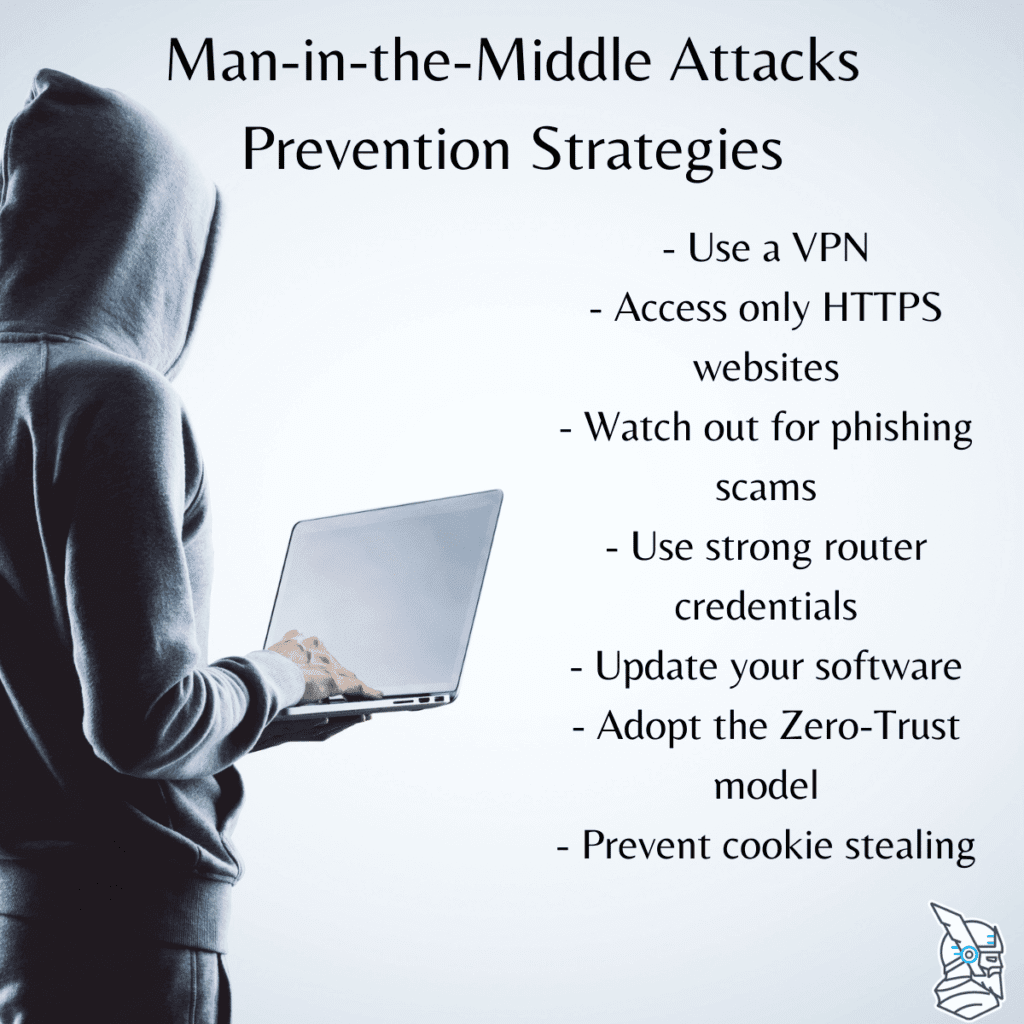
  • Man-in-the-Middle Attacks in Practice: How Hackers Intercept, Exploit, and How to Stay Protected

    In todayโ€™s hyper-connected world, data flows freely between devices, users, and applicationsโ€”making network security more critical than ever. One of the most alarming and sophisticated threats in cybersecurity is the Man-in-the-Middle (MITM) attack. Whether youโ€™re a budding ethical hacker or someone looking to secure personal and corporate data, understanding how MITM attacks work in real life is essential.

    Table of Contents

    Man-in-the-Middle Attacks in Practice:

    Man-in-the-Middle Attacks in Practice: How Hackers Intercept, Exploit, and How to Stay Protected

    In this guide, weโ€™ll walk you through real-world examples of MITM attacks, how theyโ€™re executed, and most importantly, how to defend against them using ethical hacking tools, penetration testing lab setups, and a deep knowledge of TCP/IP basics for hackers.

    ๐Ÿ“Œ Ready to dive deeper into ethical hacking? Explore our ethical hacking tutorial for beginners or start learning from scratch with our ethical hacker course.


    ๐Ÿ” What Is a Man-in-the-Middle Attack?

    A Man-in-the-Middle attack occurs when a hacker secretly intercepts and potentially alters communication between two partiesโ€”usually between a user and a website or serviceโ€”without either party knowing.

    Example: When you log into a banking website on an unsecured public Wi-Fi, a hacker might insert themselves between you and the bankโ€™s server, capturing your credentials.


    ๐Ÿง  The OSI Model in Network Security: Where MITM Happens

    Understanding the OSI model in network security helps visualize where these attacks occur. MITM attacks most commonly occur on the Network and Transport layersโ€”where data is transmitted in packets. Here, attackers exploit wireless network vulnerabilities or unsecured protocols like HTTP.

    Learn more about layered vulnerabilities in our network security penetration testing guide.


    โš™๏ธ Common Techniques Used in MITM Attacks

    1. ARP Spoofing

    The attacker sends fake ARP messages to a local network to link their MAC address with the IP address of another host, usually the gateway.

    2. DNS Spoofing

    Hackers redirect legitimate traffic to fake websites by corrupting the DNS cache, tricking users into revealing sensitive information.

    3. HTTPS Stripping

    Using tools like sslstrip, attackers downgrade HTTPS traffic to HTTP, capturing login credentials or sensitive data in plain text.

    Want to learn how to set up a safe environment to practice these techniques legally? See our penetration testing lab setup tutorial.


    ๐Ÿ› ๏ธ Tools Used in MITM Attacks (and How Ethical Hackers Use Them)

    While these tools can be used maliciously, they are also essential for ethical hacking:

    • Ettercap โ€“ A powerful suite for MITM attacks on LAN.
    • Wireshark โ€“ For packet sniffing and analysis.
    • Nmap โ€“ Learn how to scan a network with Nmap and identify active hosts and vulnerabilities.

    Explore more powerful ethical hacking tools we recommend for hands-on training.


    ๐ŸŽฏ Real-World Scenarios of MITM Attacks

    ๐Ÿ” Corporate Espionage

    An attacker intercepts internal company emails over unsecured Wi-Fi during a remote work session, gaining access to sensitive corporate secrets.

    ๐Ÿ“ฑ Mobile App Interception

    Hackers use a compromised Wi-Fi hotspot at a cafe to intercept user credentials from a poorly secured mobile banking app.


    ๐Ÿงฐ Defense Strategies Against MITM Attacks

    ๐Ÿ”’ Use End-to-End Encryption

    Ensure your apps and websites use HTTPS and SSL/TLS protocols. Look for SSL certificates when visiting any sensitive website.

    ๐Ÿ” Implement Two-Factor Authentication

    Even if attackers intercept your password, 2FA adds an additional layer of protection.

    ๐Ÿงฌ Network Segmentation and Monitoring

    Use tools like Nmap and Wireshark to monitor unusual network activity. Isolate sensitive systems through network segmentation to minimize exposure.

    ๐Ÿง‘โ€๐Ÿ’ป Train as an Ethical Hacker

    Understanding how to become an ethical hacker empowers you to identify and fix vulnerabilities before attackers do. Learn more in our certified ethical hacker course.


    ๐Ÿšจ Wireless Network Vulnerabilities and How to Harden Them

    Public and even private wireless networks are common entry points for MITM attacks. Hackers often exploit weak WPA protocols or misconfigured routers.

    Prevention Tips:

    • Always use WPA3 or WPA2 encryption.
    • Disable WPS on your router.
    • Avoid using public Wi-Fi without a VPN.

    Need help identifying weaknesses in your wireless network? Start with our wireless network vulnerabilities guide.


    ๐Ÿง  Master TCP/IP Basics for Hackers

    To truly understand how data is intercepted and altered, a solid grasp of TCP/IP basics for hackers is essential. Learn how packet headers work, how data is routed, and how to detect anomalies during transmission.


    ๐Ÿ Final Thoughts: Why MITM Awareness Matters

    Man-in-the-Middle Attacks in Practice: How Hackers Intercept, Exploit, and How to Stay Protected

    Man-in-the-Middle attacks are silent, deceptive, and devastating. Whether youโ€™re running a business, managing client data, or just browsing online, awareness is your first line of defense.

    At SpyWizards, we help you build the skills and mindset of a professional ethical hacker. From basic tutorials to advanced penetration testing labs, we offer everything you need to get started.

  • SNMP Enumeration and Exploitation: A Complete Guide for Ethical Hackers

    In the vast field of ethical hacking and network security, understanding SNMP (Simple Network Management Protocol) enumeration is vital. SNMP is a widely used protocol for monitoring and managing networked devices, but it can also serve as a gateway for attackers if improperly configured. In this guide, we will explore how SNMP enumeration works, its exploitation techniques, and how you can practice these skills ethically using safe environments like a penetration testing lab setup.

    Table of Contents

    SNMP Enumeration and Exploitation

    SNMP Enumeration and Exploitation: A Complete Guide for Ethical Hackers

    Want to master network security penetration testing? Explore our ethical hacker course for hands-on tutorials and expert guidance.


    Understanding the Role of SNMP in Network Security

    SNMP allows administrators to monitor hardware performance, configure devices, and receive alerts. However, when default community strings like โ€œpublicโ€ or โ€œprivateโ€ are left unchanged, they become easy targets for enumeration. Hackers can retrieve sensitive information such as:

    • Device names and descriptions
    • Network interfaces
    • Routing tables
    • ARP tables

    This level of detail makes SNMP enumeration a powerful tool in the reconnaissance phase of a cyberattack.

    Learn more about ethical hacking tools that can help secure your network.


    SNMP Enumeration Tools and Techniques

    Here are some tools every ethical hacker should be familiar with:

    1. Nmap โ€“ With the right scripts, Nmap can scan for open SNMP ports (UDP 161) and enumerate SNMP data.
    2. Snmpwalk โ€“ Allows you to query a network device using SNMP.
      • Example: snmpwalk -v2c -c public <target-IP>
    3. Snmp-check โ€“ A tool that provides detailed output and can even identify vulnerabilities.
    4. Metasploit Framework โ€“ Comes with SNMP modules that can be used for enumeration and further exploitation.

    New to hacking? Try our ethical hacking tutorial for beginners to get started.


    Exploiting SNMP Vulnerabilities

    Once youโ€™ve identified SNMP-enabled devices, hereโ€™s how attackers may exploit them:

    • Extracting configuration files: These may include passwords or system secrets.
    • Finding hidden services: Uncover services not listed in open ports.
    • Identifying system architecture: Helps plan a targeted exploit.

    Always remember: exploitation must only be done in legal, controlled environments. If youโ€™re curious about ethical and responsible hacking, our ethical hacker course walks you through best practices.


    Building Your Penetration Testing Lab for SNMP

    Practicing SNMP enumeration safely requires a proper lab environment. Hereโ€™s what you need:

    • VirtualBox/VMware: For virtualization.
    • Kali Linux: Pre-installed with most ethical hacking tools.
    • Vulnerable VM: Use intentionally vulnerable machines like Metasploitable.
    • Network Configuration: Set up an internal host-only network.

    Check our penetration testing lab setup guide to get started.


    Mitigation Techniques and Best Practices

    1. Change Default Community Strings: Use complex strings that cannot be guessed.
    2. Disable SNMP if not needed: Remove unnecessary attack vectors.
    3. Upgrade to SNMPv3: It provides authentication and encryption.
    4. Firewall Rules: Restrict SNMP traffic to trusted IP addresses.

    Understand the OSI model in network security and how SNMP fits into Layer 7 (Application Layer).


    Real-World Impact of SNMP Misconfiguration

    In one real-world example, an organization left SNMP community strings exposed, allowing attackers to map the entire internal network and exfiltrate sensitive data. This underscores why SNMP enumeration should be part of any network security penetration testing checklist.


    Conclusion: Ethical Use of SNMP in Cybersecurity

    Understanding SNMP enumeration and exploitation is not about causing harmโ€”itโ€™s about learning how systems work so we can protect them. Whether youโ€™re just starting out or advancing your skills, ethical hacking plays a crucial role in todayโ€™s digital defense strategy.

    Ready to take the next step? Explore our resources on how to become an ethical hacker and deepen your understanding of TCP/IP basics for hackers.

    Donโ€™t forget to visit spywizards.com regularly for more tutorials, tools, and tips on ethical hacking and cybersecurity.

    Related Spy Wizards Guides

    Related Spy Wizards Resources

    Safety and Authorization Note

    Use cybersecurity guidance only on accounts, devices, and networks you own or are clearly authorized to review. If you are dealing with account recovery, suspicious logins, device privacy concerns, or business security checks, document what happened, preserve alerts or recovery emails, and avoid sharing passwords, one-time codes, private keys, or financial details. Spy Wizards focuses on lawful support, ethical security review, privacy protection, and practical recovery steps that reduce risk without crossing consent boundaries.

  • Exploiting VPN Misconfigurations: Hidden Risks in Network Security

    In an increasingly connected world, Virtual Private Networks (VPNs) play a crucial role in protecting sensitive data and maintaining online privacy. But what happens when the very tool meant to secure your network becomes the entry point for cyber attackers? Welcome to the shadowy realm of VPN misconfigurationsโ€”an often overlooked but dangerously common vulnerability.

    Table of Contents

    Exploiting VPN Misconfigurations:

    Exploiting VPN Misconfigurations

    In this ethical hacking tutorial for beginners, weโ€™ll reveal how attackers exploit misconfigured VPNs, and most importantly, how you can defend against it using proven cybersecurity techniques. Whether youโ€™re interested in network security penetration testing, setting up your penetration testing lab, or learning how to become an ethical hacker, this guide is your key to unlocking deeper knowledge.


    What Is VPN Misconfiguration?

    A VPN misconfiguration occurs when a VPN server or client is set up incorrectlyโ€”leaving gaping holes that malicious actors can exploit. These misconfigurations can include:

    • Improper access control
    • Open ports and weak firewall settings
    • Exposed management interfaces
    • Unencrypted VPN tunnels

    Hackers view misconfigured VPNs as open invitations, and without strong network security, your data could be intercepted or rerouted without your knowledge.


    Real-World Consequences of VPN Misconfigurations

    Major breaches involving VPN weaknesses have hit hospitals, financial firms, and government agencies. Attackers who exploit these vulnerabilities can:

    • Access sensitive business data
    • Hijack internal communications
    • Launch ransomware attacks
    • Escalate privileges across the network

    In short, a poorly configured VPN undermines the very protection itโ€™s supposed to offer.


    How Ethical Hackers Exploit VPN Misconfigurations

    This guide is purely for educational and ethical purposes. Here are some of the common methods ethical hackers use to test VPN security:

    1. Scanning for Open Ports and Protocols

    Using tools like Nmap, an ethical hacker can identify open ports and VPN services left unprotected. Learn more about how to scan a network with Nmap in our tutorial.

    2. Exploiting Default or Weak Credentials

    VPN systems are often deployed with default logins still enabled. Ethical hackers perform credential stuffing or brute-force attacks to highlight these weaknesses.

    3. Capturing and Decrypting VPN Traffic

    If a VPN uses outdated encryption algorithms or protocols, attackers can intercept and decrypt traffic, especially over wireless networks. These are examples of wireless network vulnerabilities every security professional must know.

    4. Man-in-the-Middle (MITM) Attacks

    When client-side validation is weak or missing, hackers can perform MITM attacks, redirecting traffic through malicious servers.


    Tools Used in VPN Exploitation (Ethical Use Only)

    Several ethical hacking tools are commonly used to test for VPN flaws:

    • Wireshark โ€“ Analyzes packet data for potential leaks
    • OpenVAS โ€“ Identifies configuration errors in VPN setups
    • Metasploit โ€“ Exploits known VPN vulnerabilities
    • Burp Suite โ€“ Intercepts traffic to analyze HTTPS tunnels

    Visit SpyWizards to explore more powerful tools for ethical hacking and network assessments.


    How to Prevent VPN Misconfigurations

    Prevention starts with understanding the OSI model in network security. VPNs operate primarily at the Network and Transport layers, which means ensuring correct setup across those layers is critical.

    Here are some defensive measures:

    • Conduct regular network security penetration testing
    • Use multi-factor authentication for VPN access
    • Disable unused services and ports
    • Monitor VPN logs for unusual activity
    • Apply strict firewall rules

    Build Your Skills: Learn How to Become an Ethical Hacker

    Exploiting VPN Misconfigurations: Hidden Risks in Network Security

    Want to dive deeper into the world of ethical cybersecurity? Check out our ethical hacker course and our complete ethical hacking tutorial for beginners. Learn TCP/IP basics, advanced tools, and real-world tactics in our guided training environment.

    We also offer full guidance on penetration testing lab setup so you can practice safely and legally.


    Conclusion: Donโ€™t Let a VPN Be Your Weakest Link

    VPN misconfigurations are one of the most dangerous and underreported attack vectors in todayโ€™s cybersecurity landscape. Whether youโ€™re a business owner, a student, or a professional looking to level up your skills, understanding these vulnerabilities is the first step to defending against them.

    Visit SpyWizards now for expert resources, ethical hacking tools, tutorials, and training. The knowledge you gain today could prevent the breach of tomorrow.

  • Remote Code Execution in Network Devices: What It Means for Your Security

    Remote Code Execution (RCE) is one of the most dangerous vulnerabilities found in network devices. It allows attackers to execute malicious code on a remote system, often without any physical access. This means your routers, switches, and other connected devices could become gateways for cyberattacks. In this article, weโ€™ll break down how RCE works, why itโ€™s so threatening, and how you can protect your network with the right ethical hacking tools and techniques.

    Table of Contents

    Remote Code Execution in Network Devices:

    Remote Code Execution in Network Devices

    What Is Remote Code Execution?

    Remote Code Execution is a type of security flaw that allows a malicious user to run arbitrary code on a remote device or server. Once successful, the attacker gains the same privileges as the deviceโ€™s administrator, leading to potential data breaches, loss of control, or complete device compromise.

    Why Network Devices Are Common Targets

    Network devices are often the first line of defense in a corporate or home environment. Unfortunately, many of these devices:

    • Use outdated firmware
    • Have default login credentials
    • Lack sufficient security patches

    These vulnerabilities make them ripe targets for RCE attacks. Once compromised, these devices can be used for deeper penetration into the network or even serve as launchpads for larger distributed denial-of-service (DDoS) attacks.

    Real-World Examples of RCE in Network Devices

    Notable RCE vulnerabilities have affected major brands like Cisco, D-Link, and Netgear. Exploits are often published in underground forums and dark web marketplaces, showing just how accessible these techniques have become to bad actors.

    How to Protect Your Devices Against RCE

    The key to protecting against Remote Code Execution is a combination of technical practices and education:

    1. Update Firmware Regularly

    Always keep your device firmware up-to-date. Manufacturers frequently release patches that fix known security flaws.

    2. Replace Default Passwords

    Using unique, strong passwords for each network device can prevent unauthorized access.

    3. Use Network Security Penetration Testing

    Conducting network security penetration testing with trusted ethical hacking tools can help you identify vulnerabilities before attackers do. Learn more about the tools used by professionals.

    4. Enroll in an Ethical Hacker Course

    Knowledge is power. Taking an ethical hacker course can give you hands-on experience in detecting and preventing RCE vulnerabilities. Want to get started? Visit SpyWizards for resources on how to become an ethical hacker.

    Tools & Techniques to Simulate RCE Attacks

    If youโ€™re looking to set up your own testing environment, consider a penetration testing lab setup that includes routers, firewalls, and IoT devices. Learn how to:

    Our ethical hacking tutorial for beginners at SpyWizards includes all these topics and more.

    Conclusion: Stay One Step Ahead

    RCE vulnerabilities can lead to devastating consequences if not handled proactively. Whether youโ€™re a beginner learning the ropes or a security professional, staying informed and prepared is your best line of defense. Visit SpyWizards for comprehensive guides, tools, and tutorials to sharpen your cybersecurity skills.


    Ready to protect your digital world? Start learning, testing, and securing your network today with trusted resources from SpyWizards.

    Related Spy Wizards Resources

    Safety and Authorization Note

    Use cybersecurity guidance only on accounts, devices, and networks you own or are clearly authorized to review. If you are dealing with account recovery, suspicious logins, device privacy concerns, or business security checks, document what happened, preserve alerts or recovery emails, and avoid sharing passwords, one-time codes, private keys, or financial details. Spy Wizards focuses on lawful support, ethical security review, privacy protection, and practical recovery steps that reduce risk without crossing consent boundaries.