Ever wondered about the mysterious world of hacking and the difference between Ethical Hacking vs. Illegal Hacking? The realm where lines blur between vigilance and villainy? Welcome to the dichotomy of Ethical Hacking vs. Illegal Hacking. In this age of interconnectedness, where cybersecurity is paramount, understanding these two sides of the hacking coin becomes crucial. So, are these tech-savvy wizards cybersecurity heroes or digital outlaws? Let’s dive in and decipher the nuances.
In succinct terms, Ethical Hacking stands as the cyber realm’s protector, akin to digital detectives. Ethical hackers, also known as “white hat” hackers, are the ones who deploy their skills to fortify digital defenses. On the flip side, illegal hacking, perpetrated by “black hat” hackers, is the sinister force behind data breaches and cybercrimes. With one side committed to safeguarding systems and the other exploiting vulnerabilities, it’s an ongoing digital battle for dominance. But these distinctions are just the surface of a complex web of motives and methods that we’re about to unravel.
Ready to delve deeper? Hold onto your virtual seatbelt as we unravel the layers of Ethical Hacking vs. Illegal Hacking. We’ll traverse the motivations, methodologies, and gray areas in between. Join us on this riveting journey as we separate the guardians from the intruders and explore how this digital tug of war shapes our increasingly interconnected world. So, buckle up, and let’s plunge into the heart of this electrifying topic – because understanding hacking is no longer just for the tech-savvy elite, it’s a fundamental skill for navigating the modern landscape.
Ethical hackers, also known as white-hat hackers, are skilled professionals who use their expertise to uncover security weaknesses. They work with organizations to simulate hacking attempts, allowing them to fix vulnerabilities and enhance their security measures.
Unveiling Illegal Hacking
What is Illegal Hacking?
Illegal hacking, on the other hand, refers to unauthorized attempts to breach systems for personal gain or to cause harm. Also known as black-hat hacking, this activity is carried out with malicious intent and can result in data breaches, financial loss, and more.
Motivations behind Illegal Hacking
Black-hat hackers are often driven by financial gain, political agendas, or simply the thrill of causing disruption. Their actions can lead to dire consequences, including compromised personal information and damaged reputations.
Key Differences between Ethical Hacking vs. Illegal Hacking
Intent and Motive
The primary difference between ethical and illegal hacking lies in their intent. Ethical hackers operate with permission to strengthen security, while illegal hackers aim to exploit vulnerabilities for personal gain.
Authorization
Ethical hacking is conducted with explicit permission from the system owner, ensuring all activities are legal. In contrast, illegal hacking involves unauthorized access and is punishable by law.
Legal Implications
Ethical hacking adheres to legal frameworks because it is performed with consent. Illegal hacking, however, is a criminal offense that can result in severe penalties.
Ethical Hacking in Action
Penetration Testing
Ethical hackers employ penetration testing, attempting to breach systems to uncover weaknesses. This proactive approach helps organizations rectify vulnerabilities before they are exploited.
Vulnerability Assessment
Vulnerability assessment involves a systematic review of a system’s security. Ethical hackers identify potential entry points and advise on how to address them effectively.
Illegal Hacking Scenarios
Data Breaches
Illegal hackers often target databases to steal sensitive information, leading to data breaches that can compromise personal privacy and expose sensitive data.
Identity Theft
By illegally gaining access to personal information, hackers can commit identity theft, causing financial and reputational damage to individuals and organizations alike.
The Thin Line between the Two
Ethical Dilemmas
The line between ethical and illegal hacking can sometimes be blurry. Hackers with good intentions might inadvertently cross legal boundaries in their pursuit of uncovering vulnerabilities.
Shifting Landscapes
As technology evolves, the line between ethical and illegal hacking may shift. New vulnerabilities arise, prompting ethical hackers to adapt and revise their methodologies.
Safeguarding Digital Space
Importance of Cybersecurity
In an increasingly digital world, robust cybersecurity measures are essential. Ethical hacking contributes to a safer digital environment by identifying and addressing vulnerabilities.
Collaboration and Preparedness
Ethical hackers collaborate with organizations to enhance their cybersecurity posture. By staying prepared, organizations can minimize the risk of falling victim to malicious hacking.
The Role of Regulation
Legal Frameworks
Regulations and laws play a crucial role in distinguishing ethical hacking from its illegal counterpart. These frameworks guide the boundaries of acceptable cybersecurity practices.
Ethical hacking and illegal hacking represent two sides of the cybersecurity coin. While ethical hacking aims to fortify digital defenses, illegal hacking seeks to exploit vulnerabilities for personal gain. As technology advances, the need for ethical hackers and stringent cybersecurity measures becomes increasingly evident, emphasizing the importance of safeguarding our digital world.
FAQs
What is ethical hacking, and how does it differ from illegal hacking? Ethical hacking involves authorized attempts to identify system vulnerabilities, while illegal hacking is unauthorized and aims to exploit weaknesses for personal gain.
What motivates illegal hackers to engage in malicious activities? Illegal hackers are often driven by financial gain, political motives, or the thrill of causing disruption.
How does ethical hacking contribute to cybersecurity? Ethical hacking helps organizations identify and rectify vulnerabilities before malicious hackers can exploit them, enhancing overall digital security.
What legal implications do illegal hackers face? Illegal hacking is a criminal offense with severe penalties, including legal action and imprisonment.
Why is international cooperation crucial in combating illegal hacking? Cyber threats transcend borders, making international collaboration essential to effectively combating illegal hacking and cybercrime.
If you searched for how to hire a cell phone hacker, the safest answer is this: do not pay a stranger to break into someone else’s phone. Most “phone hacker for hire” offers are scams, and the ones that are not scams can create serious legal risk. What you may actually need is one of four legitimate services: a phone security audit, mobile forensics for a device you own, account recovery help, or legal monitoring for a minor child’s device or company-owned phone.
This guide explains what is real, what is risky, what a professional can legally do, and which safer alternatives make sense for parents, employers, and people who believe their own phone has been hacked.
Table of Contents
Quick Answer: Can You Hire a Cell Phone Hacker?
You can hire a legitimate security professional to work on phones, apps, and accounts that you own or have written permission to test. That includes mobile malware checks, spyware detection, iPhone or Android hardening, account recovery guidance, penetration testing for a company app, and evidence preservation after a compromise.
You should not hire anyone to secretly read another adult’s texts, break into WhatsApp, clone an iPhone, track a partner’s location, bypass a passcode, steal iCloud data, or install spyware without consent. Those requests can violate privacy, wiretap, stalking, and computer misuse laws.
What people ask for
Legal safer option
Risk level
Hack a cell phone remotely
Security consultation or phone compromise check
High if unauthorized
Check if my phone is hacked
Mobile forensics, spyware scan, account lockdown
Low when it is your device
Monitor my child online
Parental control app with lawful setup
Usually manageable; laws vary
Monitor company phone
MDM, written employee policy, consent
Manageable with policy
Catch a cheating spouse
Legal advice, relationship support, lawful evidence only
High if spying is involved
Why “Phone Hacker for Hire” Pages Are Usually Scams
Scam phone hackers use urgent language because the person searching is usually stressed. They promise “access with only a phone number,” “undetectable iPhone hacking,” “deleted message recovery from any device,” or “24-hour guaranteed access.” These claims are a warning sign. Modern iPhone and Android security relies on passcodes, device encryption, app sandboxing, two-factor authentication, cloud-account protections, and account-session controls. A random person online cannot reliably bypass all of that on demand.
Crypto-only payment: common with fake hackers because refunds are difficult.
No written scope: real security work defines the owner, target device, permission, and deliverables.
Guaranteed access: ethical professionals do not guarantee illegal access to private devices.
Requests for your passwords: a “helper” may be phishing you instead.
Fake screenshots: scammers often send generic message screenshots as “proof.”
What a Legitimate Cell Phone Security Expert Can Do
A real mobile security professional works inside a legal boundary. They may inspect a phone you own, review suspicious apps, check configuration profiles, analyze Android APKs, review iCloud or Google account sessions, help secure email, preserve evidence, and produce a report explaining what was found.
Phone compromise assessment
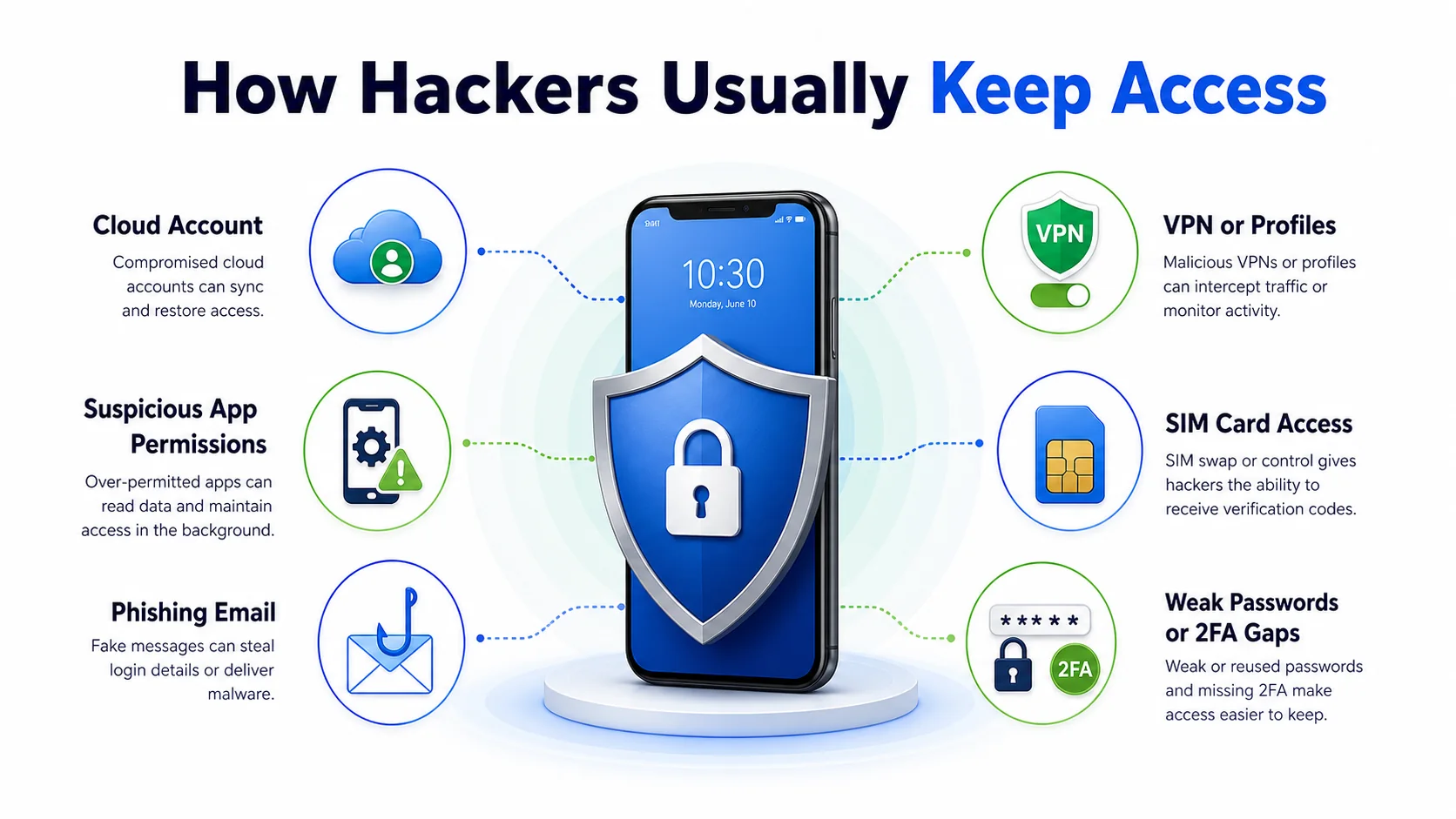
This is best when you think your own phone is hacked. The work usually includes checking unknown apps, device admin permissions, VPNs, certificates, profiles, data usage, battery anomalies, account logins, cloud backups, password reuse, and two-factor authentication settings. Read our related guide on how to remove a hacker from your phone if you need cleanup steps right now.
Mobile forensics
Forensics is useful when you need evidence, not guesses. A specialist can preserve logs, document suspicious behavior, and explain whether the signs point to spyware, account takeover, SIM swap, phishing, or normal device behavior. For legal matters, ask whether the expert can provide a written report suitable for an attorney.
Account recovery and hardening
Many “phone hacks” are really account problems. If someone has your email password, Apple ID, Google Account, WhatsApp, Facebook, or Instagram session, they may not need malware on the phone. A good recovery process reviews passwords, recovery email, trusted devices, two-factor methods, SIM-swap risk, and active sessions.
Business mobile app security testing
Companies can hire ethical hackers to test their own Android or iOS apps. This is usually called mobile application penetration testing, not “hiring a cell phone hacker.” The scope should include written permission, test accounts, allowed methods, timing, reporting, and a retest after fixes.
Legal Monitoring Alternatives for Parents and Device Owners
If your goal is visibility, not an investigation, a legal monitoring app may be a better fit than hiring anyone. These tools are for parents monitoring minor children, employers managing company-owned devices with disclosure, or device owners monitoring their own phones. They are not a license to spy on another adult.
Tool
Best fit
Link
mSpy
Detailed parental monitoring and activity visibility
Before using any monitoring product, check the terms, local law, consent requirements, device ownership rules, and platform limitations. iPhone and Android features are different, and some data requires device access, account authorization, or cloud-backup settings.
How to Choose a Legitimate Phone Security Service
Define the lawful purpose. Is this your phone, your child’s phone, a company-owned device, or a business app?
Ask for a written scope. It should list the device, account, permission, work steps, deliverables, and limits.
Demand identity and credentials. Look for verifiable business details, security certifications, and real support channels.
Avoid access guarantees. Real experts explain uncertainty and report evidence.
Use traceable payment. Avoid gift cards, crypto-only payment, and anonymous messengers.
Protect your own accounts. Never hand over your main email password unless you fully trust the provider and understand why it is needed.
What to Do If You Already Paid a Fake Phone Hacker
Stop sending money. Change passwords from a trusted device, enable two-factor authentication, revoke unknown sessions, contact your bank or card provider, save receipts and chat logs, and report the scam to the platform where you found the person. If you shared your Apple ID, Google Account, email, or banking details, treat it as an account compromise.
You can also report cybercrime to FBI IC3 in the United States and review CISA’s security guidance for account protection basics.
It is legal to hire a qualified professional for authorized security testing, account recovery, mobile forensics, or device cleanup. It is not legal to hire someone to secretly access another person’s phone, messages, location, or cloud account without permission.
Can someone hack a cell phone with just a number?
Be skeptical of that claim. Most public offers promising phone access with only a number are scams. Real compromises usually involve phishing, stolen credentials, malicious apps, SIM-swap fraud, linked-device abuse, or physical access.
What should I do if my phone is hacked?
Change important passwords from a trusted device, remove unknown apps and profiles, update the operating system, review Apple ID or Google Account sessions, enable two-factor authentication, contact your carrier about SIM-swap protection, and consider a factory reset if the symptoms continue.
What is the safest alternative to hiring a phone hacker?
For your own hacked phone, use a security audit or mobile forensics service. For child safety, use a lawful parental-control app. For a company device, use mobile device management and written policy. For relationship concerns, avoid spying and talk to a lawyer before collecting evidence.
Professional Hacker Services for Cell Phone Security
Legal professional hacker services for a cell phone should focus on devices you own or manage: phone security audits, account recovery support, spyware checks, SIM-swap evidence review, mobile forensics, and hardening steps. A legitimate provider should ask for proof of ownership and refuse requests to monitor another adult’s phone, messages, location, or cloud account without permission.
If you are comparing phone security help with broader hire a hacker for cell phone legally options, start with SpyWizards’ main guide to understand pricing, scope, and what a verified professional can do without crossing legal lines.
Related WhatsApp security guide: If your phone concern is specifically WhatsApp, this guide explains when apps are enough and when authorized expert help makes sense. Read hire help for WhatsApp account recovery and monitoring.
Are you curious about the mysterious world of hacking a Facebook account? In an age where social media plays a pivotal role in our lives, the security of our online presence is paramount. From personal to professional information, it’s all stored on our social media profiles. But what if we told you that there are ethical ways to understand this process better? Join us on an exploration of the methods, tools, and ethical aspects of how to hack a Facebook account.
For defensive steps that apply beyond Facebook, continue with the social-media account protection overview covering lawful testing, recovery, and account hardening.
In a nutshell, hacking a Facebook account involves understanding the vulnerabilities within the system, but it’s crucial to emphasize that this exploration is purely for educational purposes. We’ll delve into the complexities, offering insights into the inner workings of Facebook’s security mechanisms and how they can be exploited. By the end of this article, you’ll have a deeper understanding of how hackers operate and, more importantly, how to protect your own online identity effectively.
With our years of experience, we will shed light on the ethical aspects of hacking Facebook, ensuring that you not only become aware of the risks but also gain insights into the responsibility that comes with understanding these techniques. So, without further ado, let’s embark on this educational and eye-opening exploration of “How to Hack a Facebook Account.” Are you ready to uncover the secrets of online security?
Table of Contents
Facebook Password Cracking
Password cracking is one of the most conventional yet prevalent methods used by hackers to gain unauthorized access to Facebook accounts. It involves attempting to guess the account’s password through various means. Here are some common techniques:
1. Brute Force Attack: In a brute force attack, hackers systematically try every possible combination of characters to guess the password. These method can be time-consuming, but it’s effective if the password is weak or easily guessable.
2. Dictionary Attack: In a dictionary attack, hackers use a predefined list of common words and phrases to try and guess the password. This method is more efficient than brute force and is often successful when users have simple or easily guessable passwords.
3. Social Engineering: Sometimes, hackers don’t need to crack a password at all. They manipulate individuals into revealing their login credentials willingly. Social engineering techniques can include impersonation, baiting, or simply tricking users into providing sensitive information.
How to Hack a Facebook Account Through Phishing Attacks
Phishing attacks are deceptive strategies employed by hackers to trick users into revealing their login information. These attacks often involve creating fake websites or sending convincing emails that appear to be from trusted sources, such as Facebook itself.
Here’s how phishing attacks work:
Fake Login Pages: Hackers create websites that look identical to the Facebook login page. Unsuspecting users enter their credentials, believing they are logging into their accounts, but they are actually providing their information to the attacker.
2. Email Scams: Phishers send emails that seem urgent or important, urging users to click on a link and log in. These links lead to fraudulent websites designed to capture login details.
3. Malicious Attachments: Some phishing emails contain malicious attachments or links that, when clicked, can compromise a user’s device and subsequently their Facebook account.
Keyloggers: Can it hack Facebook
Keyloggers are stealthy tools used by hackers to monitor and record keystrokes on a victim’s computer or device. By capturing every keystroke, including usernames and passwords, keyloggers are effective at stealing login information.
Here’s how they work:
1. Software Keyloggers: These are malicious programs installed on a victim’s device without their knowledge. They run in the background, recording every keystroke, which is then sent to the hacker.
2. Hardware Keyloggers: Hardware keyloggers are physical devices that can be inserted between the computer’s keyboard and the computer itself. They record keystrokes and store them for later retrieval by the attacker.
Want to unlock a phone?
Check our customized hacking tool that can remotely unlock a phone without touching it. This is the best hacking tool
Understanding these methods is crucial for safeguarding your Facebook account. In the next section, we’ll explore additional hacking methods and tools, so you can better protect your online presence. Remember, knowledge is your best defense against cyber threats.
Social Engineering
Social engineering is an artful manipulation of human psychology to trick individuals into revealing sensitive information or taking actions they wouldn’t ordinarily do. While it doesn’t involve technical hacking skills, it is a potent method employed by cybercriminals.
Impersonation: Hackers may impersonate someone trustworthy, like a Facebook friend or support representative, to gain your trust. They then convince you to share your login credentials or personal information.
Baiting: In baiting, hackers offer something enticing, like free software or downloads, which, when clicked or downloaded, install malicious software on your device, including keyloggers or spyware.
Pretexting: This involves creating a fabricated scenario to gain access to your account. For instance, a hacker might pose as a Facebook employee and contact you, claiming there’s a security issue with your account that requires your login information to resolve.
Brute Force Attacks
Brute force attacks are a straightforward yet time-consuming method hackers use to crack passwords. They systematically try every possible combination until they find the correct one. To safeguard against brute force attacks:
Use Strong Passwords: Employ long passwords with a mix of upper and lower-case letters, numbers, and special characters. Avoid easily guessable passwords like “password123.”
Enable Account Lockout: Many online services, including Facebook, offer account lockout features that temporarily block access after several failed login attempts.
Implement Two-Factor Authentication (2FA): Enable 2FA on your Facebook account. It adds an extra layer of security by requiring a second verification step, like a text message code or fingerprint scan.
Tools to Hack Facebook
Hackers often rely on various tools and software to aid their malicious activities. It’s important to understand these tools to better defend against potential threats.
Spyware
Spyware is malicious software that secretly monitors your online activity and can collect sensitive information. To protect against spyware:
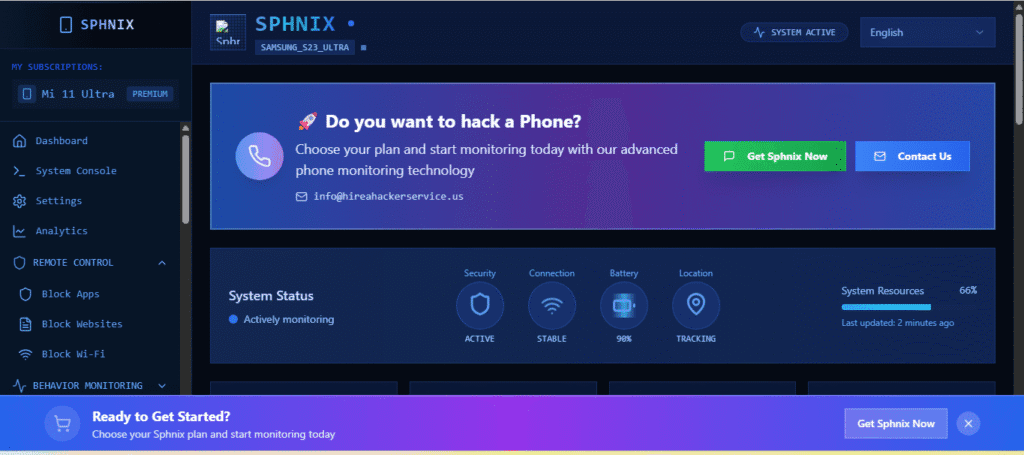
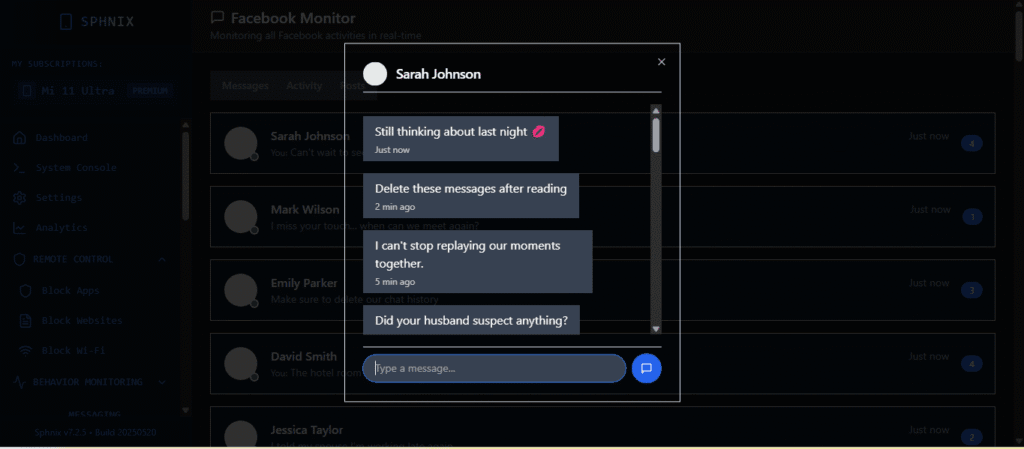
Install Anti-Malware Software: This is a software you install with physical access. You will need to touch the cell phone before you can monitor the targets phone. There are software like Nova Spy, Sphnix tracking app, Mspy, and Ultimate Phone Spy.
How Spyware Works and Its Functions
Spyware is a type of malicious software designed to secretly infiltrate and monitor a user’s computer or device without their knowledge or consent. Its primary purpose is to gather sensitive information and transmit it to a third party, often for malicious purposes. Here’s how spyware works and its various functions:
1. Infiltration and Concealment:
Spyware typically enters a device or computer through deceptive means, such as bundling with legitimate software, masquerading as a useful application, or exploiting vulnerabilities in the operating system or software.
Once installed, spyware often hides itself to evade detection. It may operate silently in the background, making it challenging for users to identify its presence.
2. Information Gathering:
Spyware is programmed to collect various types of information, including keystrokes, browsing habits, login credentials, personal messages, and more.
Keyloggers, a specific type of spyware, record every keystroke made by the user, capturing usernames, passwords, and other sensitive data.
3. Data Transmission:
The collected data is usually sent to a remote server controlled by the attacker. This transmission can occur in real-time or at specified intervals.
Spyware uses various communication methods, such as email, HTTP requests, or encrypted channels, to transmit stolen data securely.
4. Stealthy Operation:
Spyware employs techniques to avoid detection. It may change file names, hide its registry entries, or use rootkit capabilities to disguise its presence in the system.
Some spyware can self-replicate, spreading to other parts of the system to make removal more challenging.
Cybersecurity Laws
Understanding the legal framework surrounding cybersecurity is crucial, as hacking, even with good intentions, can have legal consequences. Different countries have varying laws, but common elements include:
1. Unauthorized Access: Unauthorized access to computer systems, including Facebook accounts, is illegal in most jurisdictions.
2. Data Breach Laws: Many countries have strict data breach notification laws, requiring organizations to inform users if their personal data is compromised.
3. Computer Fraud and Abuse Act (CFAA): In the United States, the CFAA is a federal law that prohibits unauthorized access to computer systems and networks.
4. EU General Data Protection Regulation (GDPR): GDPR imposes stringent data protection requirements on organizations operating within the European Union. It includes provisions for user consent, data breach reporting, and fines for non-compliance.
Ethical Hacking
Ethical hacking, also known as white hat hacking, refers to the practice of deliberately probing computer systems to identify vulnerabilities and weaknesses before malicious hackers can exploit them. Ethical hackers work to improve security and protect systems rather than compromise them. Key aspects of ethical hacking include:
Certified Ethical Hacker (CEH): CEH is a professional certification that validates expertise in ethical hacking techniques. Ethical hackers are trained and certified to assess and enhance security measures. Ethical hackers can hack into Facebook account without compromising the detection.
Penetration Testing: Ethical hackers often perform penetration testing, where they simulate cyberattacks to identify vulnerabilities and suggest remediation measures.
Bug Bounty Programs: Many organizations run bug bounty programs, encouraging ethical hackers to report vulnerabilities in exchange for rewards.
Legal Hacking Careers: Ethical hackers can pursue careers as cybersecurity experts, consultants, or work directly for organizations to strengthen their digital defenses.
Privacy Concerns
Protecting user privacy is paramount. It’s essential to be aware of the privacy concerns associated with hacking and the responsible disclosure of vulnerabilities. Responsible disclosure involves reporting identified vulnerabilities to the relevant authorities or organizations rather than exploiting them for personal gain.
Consequences of Hacking
Understanding the consequences of hacking is essential. Even with good intentions, hacking can lead to legal trouble and damage to your reputation. Always ensure that your actions align with the law and ethical standards.
Two-Factor Authentication (2FA)
One of the most powerful defenses against unauthorized access is implementing Two-Factor Authentication (2FA) on your Facebook account. Here’s how it works:
Enable 2FA: Go to your Facebook settings and enable 2FA. You can choose to receive a one-time code via SMS, use a dedicated authentication app, or rely on physical security keys.
Secure Backup Codes: Ensure you have secure access to backup codes in case you lose your primary 2FA method.
2FA adds an extra layer of protection, as even if a hacker manages to obtain your password, they won’t be able to access your account without the secondary authentication code.
Strong Passwords
Creating a strong, unique password is your first line of defense. Follow these tips to create a robust password:
Complexity: Use a combination of uppercase letters, lowercase letters, numbers, and special characters.
Avoid Predictable Information: Avoid using easily guessable information like your name, birthdate, or common words.
Longer is Better: Aim for passwords that are at least 12 characters long.
Unique for Each Account: Don’t reuse passwords across multiple accounts.
Security Settings For Facebook Account
Facebook provides various security settings that allow you to control who can access your account and what information is visible to others. Review and adjust these settings to enhance your security:
1. Privacy Settings: Customize your privacy settings to limit who can see your posts, friend requests, and personal information.
2. Login Alerts: Turn on login alerts to receive notifications whenever your account is accessed from an unrecognized device or location.
3. Trusted Contacts: Designate trusted contacts who can help you regain access to your account if you’re ever locked out.
Recognizing Phishing Attempts
Phishing attempts can be challenging to spot, but being vigilant can save you from falling victim to them:
1. Check URLs: Always double-check the URL of the login page. Ensure it starts with “https://www.facebook.com/.”
2. Verify Emails: Be cautious of unsolicited emails claiming to be from Facebook. Verify their legitimacy before taking any action.
3. Don’t Share Personal Information: Never share your login credentials, even if prompted by an email or website.
Security Software
Consider using reputable security software on your devices, such as antivirus and antimalware programs. These can help detect and prevent malicious activities, including keyloggers and spyware.
Social Media Safety on How to Hack a Facebook Account
Securing your Facebook account is just one part of maintaining overall social media safety. Here are some additional tips:
1. Privacy Settings on Facebook: Regularly review and update your privacy settings on Facebook to control who can see your information and posts.
2. Recognizing Suspicious Activity: Keep an eye out for unusual activity on your account, such as unfamiliar friend requests or posts you didn’t make.
3. Reporting Hacking Attempts: If you suspect your account has been compromised, report it to Facebook immediately for assistance.
4. Avoiding Suspicious Links: Be cautious when clicking on links shared by others, especially if they seem out of character or unusual.
5. Protecting Personal Information: Refrain from sharing sensitive personal information on your Facebook profile.
By implementing these security measures and staying informed about potential threats, you can significantly reduce the risk of your Facebook account being hacked. In the next section, we’ll discuss the importance of education and awareness in maintaining online security.
Online Safety Tips
Practicing online safety is paramount to protect not only your Facebook account but also your entire digital presence. A professional hacker can recover your Facebook Account.
1. Regular Password Changes: Change your passwords periodically to reduce the risk of unauthorized access.
2. Avoid Public Wi-Fi: Refrain from accessing sensitive accounts, including Facebook, while connected to unsecured public Wi-Fi networks.
3. Secure Devices: Keep your devices updated with the latest security patches and use reputable antivirus software.
4. Email Verification: Always verify the authenticity of emails, especially those requesting sensitive information or actions.
Password Best Practices For Not to Ge Your Facebook Password
Reiterating the importance of passwords, here are some best practices to keep in mind:
1. Unique Passwords: Use different passwords for different accounts. This way, if one account is compromised, others remain secure.
2. Password Managers: Consider using a password manager to generate and store complex, unique passwords securely.
3. Multi-factor Authentication (MFA): Beyond 2FA, explore MFA options when available for added security layers.
Recognizing Social Engineering
Awareness of social engineering tactics can help you steer clear of manipulative attempts:
1. Question Unusual Requests: Be skeptical of requests for personal information or actions that seem unusual or unexpected, even if they appear to come from trusted sources.
2. Verify Identities: Before sharing sensitive information or performing actions, verify the identity of the requesting party, especially in business or financial contexts.
Case Studies
Learning from real-world examples is an effective way to grasp the consequences of hacking and the importance of security. Explore case studies of notable hacking incidents to understand how they unfolded and how they could have been prevented.
In the final section of this guide, we’ll delve into emerging threats in the realm of Facebook account security and the evolving landscape of cyber threats. Staying informed about these developments is essential to keeping your online presence secure.
AI-Powered Attacks
As artificial intelligence (AI) technology advances, cybercriminals are harnessing its capabilities for malicious purposes. AI-powered attacks can:
1. Automate Phishing: AI can create highly convincing phishing emails or messages that adapt to individual targets, making them more challenging to detect.
2. Enhance Password Cracking: AI can accelerate the process of password cracking by analyzing patterns and predicting likely combinations.
3. Targeted Social Engineering: AI can analyze vast amounts of personal data to craft sophisticated social engineering attacks that prey on individual vulnerabilities.
Advanced Persistent Threats (APTs)
Advanced Persistent Threats are prolonged, highly targeted cyberattacks conducted by well-funded and organized threat actors. APTs often focus on espionage, data theft, or sabotage. Key characteristics include:
1. Stealth and Persistence: APTs aim to stay undetected for extended periods, often moving laterally within a network and using multiple techniques to maintain access.
2. Custom Malware: APTs frequently employ custom-designed malware tailored to the target, making them difficult to detect with conventional security measures.
3. Nation-State Involvement: Some APTs are attributed to nation-state actors with significant resources and motives.
Mobile Device Vulnerabilities
With the proliferation of smartphones, mobile device vulnerabilities have become a significant concern. Threats include:
1. Malicious Apps: Downloading apps from untrusted sources can lead to the installation of malicious software that compromises your device and accounts.
2. Phishing on Mobile: Phishing attacks are not limited to desktops. Mobile users are increasingly targeted through text messages and fraudulent apps.
3. Insecure Wi-Fi: Connecting to unsecured Wi-Fi networks can expose your device to various attacks, including eavesdropping on your internet traffic.
IoT-Related Risks
The Internet of Things (IoT) encompasses a wide range of interconnected devices, from smart thermostats to cameras. These devices often lack robust security features and can be vulnerable to attacks, potentially providing hackers with entry points to your broader digital life.
Social Media Impersonation
Impersonation on social media platforms, including Facebook, remains a persistent threat. Impersonators create fake profiles to deceive and manipulate users. Beware of friend requests from unfamiliar profiles, and report suspicious accounts.
Ethical Hacking
As hacking threats evolve, the demand for ethical hackers, also known as white hat hackers, continues to grow. Ethical hackers play a crucial role in identifying vulnerabilities before malicious actors can exploit them. This field offers exciting career opportunities, and ethical hackers are instrumental in enhancing cybersecurity.
Staying informed about emerging threats and evolving security measures is essential in safeguarding your Facebook account and overall online presence. By understanding these new challenges, you can adapt your security practices and remain one step ahead of potential attackers.
In conclusion, the digital world presents both opportunities and risks. While hackers continuously seek new ways to exploit vulnerabilities, individuals who prioritize security and remain vigilant can protect themselves effectively. By adhering to best practices, staying informed, and embracing ethical hacking principles, you can navigate the digital landscape with confidence and resilience.
Frequently Asked Questions (FAQs)
Is it legal to learn ethical hacking?
Yes, it is legal to learn ethical hacking. Ethical hackers operate within legal boundaries to improve cybersecurity.
What should I do if my Facebook account is hacked?
If you suspect your Facebook account has been hacked, change your password immediately, enable 2FA, and report the incident to Facebook.
Can AI-powered attacks be prevented?
While AI-powered attacks are sophisticated, strong cybersecurity practices, including updated security software and employee training, can help mitigate the risks.
How can I protect my mobile device from hacking?
Protect your mobile device by installing reputable security apps, avoiding untrusted app sources, and regularly updating your device’s operating system.
What is the role of ethical hackers in cybersecurity?
Ethical hackers help identify vulnerabilities and weaknesses in computer systems, applications, and networks, ultimately enhancing overall cybersecurity
If you searched for how to hire a cell phone hacker, the safest answer is this: do not pay a stranger to break into someone else’s phone. Most “phone hacker for hire” offers are scams, and the ones that are not scams can create serious legal risk. What you may actually need is one of four legitimate services: a phone security audit, mobile forensics for a device you own, account recovery help, or legal monitoring for a minor child’s device or company-owned phone.
This guide explains what is real, what is risky, what a professional can legally do, and which safer alternatives make sense for parents, employers, and people who believe their own phone has been hacked.
Table of Contents
Quick Answer: Can You Hire a Cell Phone Hacker?
You can hire a legitimate security professional to work on phones, apps, and accounts that you own or have written permission to test. That includes mobile malware checks, spyware detection, iPhone or Android hardening, account recovery guidance, penetration testing for a company app, and evidence preservation after a compromise.
You should not hire anyone to secretly read another adult’s texts, break into WhatsApp, clone an iPhone, track a partner’s location, bypass a passcode, steal iCloud data, or install spyware without consent. Those requests can violate privacy, wiretap, stalking, and computer misuse laws.
What people ask for
Legal safer option
Risk level
Hack a cell phone remotely
Security consultation or phone compromise check
High if unauthorized
Check if my phone is hacked
Mobile forensics, spyware scan, account lockdown
Low when it is your device
Monitor my child online
Parental control app with lawful setup
Usually manageable; laws vary
Monitor company phone
MDM, written employee policy, consent
Manageable with policy
Catch a cheating spouse
Legal advice, relationship support, lawful evidence only
High if spying is involved
Why “Phone Hacker for Hire” Pages Are Usually Scams
Scam phone hackers use urgent language because the person searching is usually stressed. They promise “access with only a phone number,” “undetectable iPhone hacking,” “deleted message recovery from any device,” or “24-hour guaranteed access.” These claims are a warning sign. Modern iPhone and Android security relies on passcodes, device encryption, app sandboxing, two-factor authentication, cloud-account protections, and account-session controls. A random person online cannot reliably bypass all of that on demand.
Crypto-only payment: common with fake hackers because refunds are difficult.
No written scope: real security work defines the owner, target device, permission, and deliverables.
Guaranteed access: ethical professionals do not guarantee illegal access to private devices.
Requests for your passwords: a “helper” may be phishing you instead.
Fake screenshots: scammers often send generic message screenshots as “proof.”
What a Legitimate Cell Phone Security Expert Can Do
A real mobile security professional works inside a legal boundary. They may inspect a phone you own, review suspicious apps, check configuration profiles, analyze Android APKs, review iCloud or Google account sessions, help secure email, preserve evidence, and produce a report explaining what was found.
Phone compromise assessment
This is best when you think your own phone is hacked. The work usually includes checking unknown apps, device admin permissions, VPNs, certificates, profiles, data usage, battery anomalies, account logins, cloud backups, password reuse, and two-factor authentication settings. Read our related guide on how to remove a hacker from your phone if you need cleanup steps right now.
Mobile forensics
Forensics is useful when you need evidence, not guesses. A specialist can preserve logs, document suspicious behavior, and explain whether the signs point to spyware, account takeover, SIM swap, phishing, or normal device behavior. For legal matters, ask whether the expert can provide a written report suitable for an attorney.
Account recovery and hardening
Many “phone hacks” are really account problems. If someone has your email password, Apple ID, Google Account, WhatsApp, Facebook, or Instagram session, they may not need malware on the phone. A good recovery process reviews passwords, recovery email, trusted devices, two-factor methods, SIM-swap risk, and active sessions.
Business mobile app security testing
Companies can hire ethical hackers to test their own Android or iOS apps. This is usually called mobile application penetration testing, not “hiring a cell phone hacker.” The scope should include written permission, test accounts, allowed methods, timing, reporting, and a retest after fixes.
Legal Monitoring Alternatives for Parents and Device Owners
If your goal is visibility, not an investigation, a legal monitoring app may be a better fit than hiring anyone. These tools are for parents monitoring minor children, employers managing company-owned devices with disclosure, or device owners monitoring their own phones. They are not a license to spy on another adult.
Tool
Best fit
Link
mSpy
Detailed parental monitoring and activity visibility
Before using any monitoring product, check the terms, local law, consent requirements, device ownership rules, and platform limitations. iPhone and Android features are different, and some data requires device access, account authorization, or cloud-backup settings.
How to Choose a Legitimate Phone Security Service
Define the lawful purpose. Is this your phone, your child’s phone, a company-owned device, or a business app?
Ask for a written scope. It should list the device, account, permission, work steps, deliverables, and limits.
Demand identity and credentials. Look for verifiable business details, security certifications, and real support channels.
Avoid access guarantees. Real experts explain uncertainty and report evidence.
Use traceable payment. Avoid gift cards, crypto-only payment, and anonymous messengers.
Protect your own accounts. Never hand over your main email password unless you fully trust the provider and understand why it is needed.
What to Do If You Already Paid a Fake Phone Hacker
Stop sending money. Change passwords from a trusted device, enable two-factor authentication, revoke unknown sessions, contact your bank or card provider, save receipts and chat logs, and report the scam to the platform where you found the person. If you shared your Apple ID, Google Account, email, or banking details, treat it as an account compromise.
You can also report cybercrime to FBI IC3 in the United States and review CISA’s security guidance for account protection basics.
It is legal to hire a qualified professional for authorized security testing, account recovery, mobile forensics, or device cleanup. It is not legal to hire someone to secretly access another person’s phone, messages, location, or cloud account without permission.
Can someone hack a cell phone with just a number?
Be skeptical of that claim. Most public offers promising phone access with only a number are scams. Real compromises usually involve phishing, stolen credentials, malicious apps, SIM-swap fraud, linked-device abuse, or physical access.
What should I do if my phone is hacked?
Change important passwords from a trusted device, remove unknown apps and profiles, update the operating system, review Apple ID or Google Account sessions, enable two-factor authentication, contact your carrier about SIM-swap protection, and consider a factory reset if the symptoms continue.
What is the safest alternative to hiring a phone hacker?
For your own hacked phone, use a security audit or mobile forensics service. For child safety, use a lawful parental-control app. For a company device, use mobile device management and written policy. For relationship concerns, avoid spying and talk to a lawyer before collecting evidence.
Professional Hacker Services for Cell Phone Security
Legal professional hacker services for a cell phone should focus on devices you own or manage: phone security audits, account recovery support, spyware checks, SIM-swap evidence review, mobile forensics, and hardening steps. A legitimate provider should ask for proof of ownership and refuse requests to monitor another adult’s phone, messages, location, or cloud account without permission.
If you are comparing phone security help with broader hire a hacker for cell phone legally options, start with SpyWizards’ main guide to understand pricing, scope, and what a verified professional can do without crossing legal lines.
Related WhatsApp security guide: If your phone concern is specifically WhatsApp, this guide explains when apps are enough and when authorized expert help makes sense. Read hire help for WhatsApp account recovery and monitoring.
In the digital age, hacking has become a topic of intrigue and fascination. From Hollywood movies to news headlines, hackers are portrayed as enigmatic individuals with the power to breach security systems and access sensitive information. But what does it really mean to be a hacker? And how can one acquire the skills necessary to enter this elusive world? In this comprehensive guide, we will explore the intricacies of hacking and provide you with a roadmap to becoming a hacker yourself.
Table of Contents
Understanding Hacking: What It Truly Means to Be a Hacker
Hacking is a term that has evolved over time and carries different connotations. Traditionally, a hacker referred to a skilled programmer who sought to improve the functionality and performance of computer systems. However, in popular culture, the term has come to be associated with illegal activities and breaches of security. It’s important to distinguish between different types of hackers to fully comprehend the essence of hacking.
Black Hat Hackers: The Dark Side of Hacking
Black hat hackers, also known as unethical hackers or security crackers, engage in illegal activities to exploit vulnerabilities in systems and networks. These individuals illicitly gain access to sensitive information, commit financial fraud, or disrupt the functioning of systems. Their actions are motivated by personal gain or malicious intent, and they pose a significant threat to individuals, businesses, and governments.
White Hat Hackers: Ethical Guardians of Cybersecurity
On the other side of the spectrum, we have white hat hackers, also referred to as ethical hackers or penetration testers. These individuals use their hacking skills for constructive purposes, such as identifying vulnerabilities in systems and networks to help organizations strengthen their security measures. White hat hackers work within legal boundaries and play a crucial role in safeguarding digital infrastructure.
Grey Hat Hackers: The Middle Ground
Grey hat hackers fall somewhere between the black hat and white hat categories. They may test the security of systems without explicit permission, but they do not engage in malicious activities or seek personal gain. Instead, they aim to raise awareness about vulnerabilities and notify system administrators of potential weaknesses. While their actions may be illegal, they operate with good intentions and often act as intermediaries between white hat and black hat hackers.
The Journey to Becoming a Hacker: A Step-by-Step Guide
Now that we have a clearer understanding of the different types of hackers, let’s delve into the process of becoming a hacker. Keep in mind that hacking is a complex field that requires a combination of technical skills, ethical awareness, and a deep understanding of computer systems. Here are the essential steps to embark on your journey as a hacker:
Step 1: Master the Fundamentals of Technology
To become a hacker, you must first develop a solid foundation in technology. Familiarize yourself with the basic concepts of computer systems, networking, and programming languages. Linux, an open-source operating system, is widely used in the hacking community and provides a robust platform for learning and experimentation.
Step 2: Learn Programming Languages
Programming is a fundamental skill for hackers. Start with languages like Python and C, which are commonly used in hacking projects. These languages will enable you to understand and manipulate code, identify vulnerabilities, and develop your own hacking tools. Continuously expand your knowledge by exploring new programming languages and staying up to date with emerging technologies.
Step 3: Understand Networking Principles
A thorough understanding of networking is crucial for hacking. Learn about different network protocols, how networks are created, and common vulnerabilities. Tools like Wireshark and Nmap can help you analyze network traffic and identify potential weaknesses. Stay curious and explore various networking concepts to enhance your hacking skills.
Step 4: Explore Operating Systems
As a hacker, you must be comfortable navigating different operating systems. Linux, as mentioned earlier, is widely used in the hacking community due to its flexibility and security features. Familiarize yourself with Linux distributions such as Kali Linux, Ubuntu, and BackTrack. Additionally, gain proficiency in Windows and macOS to broaden your knowledge and adapt to different environments.
Step 5: Develop Ethical Awareness
Aspiring hackers must cultivate a strong ethical framework. Understand the legal and ethical boundaries of hacking and ensure that your actions align with ethical standards. White hat hackers play a crucial role in protecting digital infrastructure, and it’s essential to approach hacking with a sense of responsibility and integrity.
Step 6: Join Hacking Communities and Engage in Knowledge Sharing
Hacking is a collaborative field, and joining hacking communities can provide invaluable support and knowledge sharing opportunities. Connect with experienced hackers, participate in forums, and attend conferences or meetups to expand your network. Engaging with like-minded individuals will expose you to different hacking techniques, tools, and resources.
Step 7: Continuously Update Your Skills
Hacking is a constantly evolving field, with new technologies and vulnerabilities emerging regularly. Stay updated with the latest hacking tools, techniques, and security measures. Regularly participate in training programs, workshops, and online courses to enhance your skills and keep pace with the ever-changing landscape of cybersecurity.
Step 8: Obtain Certifications
Certifications can validate your hacking skills and enhance your credibility in the field. Explore certifications such as Certified Ethical Hacker (CEH), Offensive Security Certified Professional (OSCP), and Certified Information Systems Security Professional (CISSP). These certifications demonstrate your expertise and commitment to ethical hacking practices.
Step 9: Embrace a Continuous Learning Mindset
Hacking is a lifelong learning journey. Embrace a growth mindset and continuously seek opportunities to expand your knowledge. Read books, research papers, and industry blogs to stay informed about the latest trends and advancements in cybersecurity. Experiment with new tools and techniques to refine your hacking skills.
Step 10: Act Ethically and Responsibly
As a hacker, it is vital to act ethically and responsibly. Always obtain proper authorization before testing the security of systems or networks. Respect privacy and confidentiality, and refrain from engaging in any illegal or malicious activities. Use your skills to contribute positively to the field of cybersecurity and protect digital infrastructure.
Embracing the Path of a Hacker: An Exciting and Challenging Journey
Becoming a hacker is a journey that requires dedication, continuous learning, and a strong ethical foundation. By mastering the technical skills, understanding the nuances of cybersecurity, and embracing a responsible approach, you can unlock the doors to a dynamic and fulfilling career in hacking. Remember, hacking is a tool that can be used for both good and malicious purposes. It is up to you to decide how you will wield this power and contribute to the ever-evolving field of cybersecurity.
So, are you ready to embark on this exciting and challenging journey? VisitHow to be a Hacker to explore further resources and join a community of passionate hackers. Together, we can shape the future of cybersecurity and protect the digital world from emerging threats.
“The difference between a hacker and a cracker is not the tools they use, but the mindset they possess.” – Bruce Schneier
Are you worried about the security of your Facebook account? Have you ever wondered what to do if your account gets hacked? In today’s digital age, the threat of hacking is ever-present, and it’s crucial to know how to recover a hacked Facebook account to protect your personal information and online identity.
In a nutshell, to recover a hacked Facebook account, you need to act swiftly. Change your password immediately, review your account activity, and enable two-factor authentication. These are just a few of the steps we’ll explore in detail in this article to help you regain control of your account and prevent future breaches.
But these initial steps are just the beginning. Hacking methods evolve constantly, and hackers become more sophisticated. In this comprehensive guide, we’ll dive deep into the strategies and tools that experts recommend to secure your Facebook account effectively. From recognizing phishing attempts to understanding the importance of regular password updates, we’ve got you covered. Stay tuned as we walk you through the intricacies of safeguarding your online presence.
If you suspect that your Facebook account has been hacked, it’s crucial to act quickly to regain control and safeguard your personal information. In this comprehensive guide, we will walk you through the steps to determine if your Facebook account has been compromised and provide you with effective strategies to recover it.
Table of Contents
How Hackers Use Software to Hack Facebook Accounts
Hackers employ various techniques and tools to gain unauthorized access to Facebook accounts. One common method involves the use of software designed to exploit vulnerabilities in the platform’s security protocols.
These software applications, commonly known as hacking tools, are created with malicious intent and can be easily obtained on the dark web or through illicit online communities. These tools often come equipped with features that allow hackers to bypass security measures like two-factor authentication (2FA) and phishing scams to trick users into revealing their login credentials.
Recognizing the Signs of a Hacked Facebook Account
It’s important to be vigilant and aware of the signs that your Facebook account may have been compromised. Here are some common warning signs to look out for:
Inability to Sign In: If you find yourself unable to access your Facebook account even after entering the correct login credentials, it could be an indication that your account has been hacked.
Unusual Password Reset Requests: If you receive password reset emails or notifications that you didn’t initiate, it’s a clear sign that someone is trying to gain unauthorized access to your account.
Suspicious Messages: If your friends or followers report receiving suspicious direct messages (DMs) from your Facebook Messenger account that appear to be phishing scams, your account has likely been compromised.
Unauthorized Profile Changes: If you notice any unauthorized changes to your profile information, such as your name, birthday, or address, it’s a strong indication that someone else has gained control of your account.
Unrecognized Posts or Comments: If you come across posts or comments on your Facebook page that you didn’t create, it’s a clear sign that someone has taken over your account.
Unknown Friend Requests: If people you don’t know receive friend requests from your account, it’s a sure sign that your account has been compromised.
Unfamiliar Sessions: If you find sessions listed in your “Where You’ve Logged In” settings that you don’t recognize, it’s an indication that someone else has gained access to your account.
If you notice any of these signs, it’s crucial to take immediate action to regain control of your hacked Facebook account.
Recover Facebook Account With Professional Hackers
Want to Recover your Facebook Account? You just got hacked? We have recommended hacker that can assist you
Recovering a hacked Facebook account can be a daunting task, but by following the right steps, you can regain control and protect your personal information. Here’s what you need to do:
Step 1: Change Your Password
The first and most important step in recovering a hacked Facebook account is to change your password. This will help you regain control and prevent further unauthorized access. Follow these steps to change your password:
On your mobile device, open the Facebook app and tap on the menu icon in the bottom right corner.
Select “Settings & Privacy” and then tap on “Settings.”
Scroll down and select “Security and Login.”
Under the “Login” section, tap on “Change password” and follow the prompts to create a new, strong password.
Make sure to choose a unique password that includes a combination of uppercase and lowercase letters, numbers, and special characters.
Step 2: Secure Your Account
After changing your password, it’s essential to secure your account to prevent future hacks. Here are some additional steps you can take:
Enable Two-Factor Authentication (2FA): 2FA adds an extra layer of security by requiring a second form of verification, such as a code sent to your mobile device, in addition to your password. Go to the “Security and Login” settings and enable 2FA for your Facebook account.
Review Connected Apps and Websites: Go to the “Settings & Privacy” menu, select “Settings,” and then click on “Apps and Websites.” Remove any third-party apps or websites that you no longer use or trust.
Monitor Active Sessions: Regularly check the “Where You’ve Logged In” section in the “Security and Login” settings to ensure that there are no unfamiliar sessions. If you notice any suspicious activity, log out of all sessions and change your password again.
Set Up Alerts:Enable notifications for unrecognized login attempts in the “Security and Login” settings. This will notify you whenever Facebook detects a sign-in from an unusual device or location.
Step 3: Report the Incident to Facebook
It’s crucial to report the hacking incident to Facebook so that they can investigate and take appropriate action. Follow these steps to report the incident:
Go to the “Settings & Privacy” menu, select “Settings,” and then click on “Security and Login.”
Scroll down to the “Get Help” section and select “If you think your account was hacked.”
Follow the prompts to complete the reporting process.
Reporting the incident to Facebook will help them identify and address any security vulnerabilities that may have been exploited.
Additional Tips to Protect Your Facebook Account
Prevention is always better than cure when it comes to protecting your Facebook account from hackers. Here are some additional tips to keep your account secure:
Use Strong and Unique passwords:Avoid using common passwords and create unique ones for each online account. Use a combination of letters, numbers, and special characters.
Be Cautious of Phishing Attempts: Be wary of emails, messages, or websites that ask for your Facebook login credentials. Always verify the source before entering any personal information.
Keep Your Devices and Apps Updated: Regularly update your operating system, web browsers, and mobile apps to ensure that you have the latest security patches and bug fixes.
Use a VPN: Consider using a Virtual Private Network (VPN) to encrypt your internet connection and protect your online activities from prying eyes.
Be Mindful of Third-Party Apps: Only authorize reputable and trusted third-party apps to access your Facebook account. Review the permissions requested by these apps and revoke access to any unnecessary ones.
By following these best practices, you can significantly reduce the risk of your Facebook account being hacked.
Conclusion
Recovering a hacked Facebook account can be a stressful and challenging experience, but by taking immediate action and following the steps outlined in this comprehensive guide, you can regain control and protect your personal information. Remember to change your password, secure your account, and report the incident to Facebook. Additionally, follow the tips provided to prevent future hacks and keep your Facebook account secure. Stay vigilant, be cautious of suspicious activities, and prioritize the protection of your online presence.
Remember, your online security is of the utmost importance. If you need assistance with recovering your hacked Facebook account or ensuring the overall security of your online presence, consider reaching out to reputable cybersecurity service providers like Spy Wizards. They specialize in hacking services and can help you safeguard your digital identity.
For more information on cybersecurity and protecting yourself from hacking attempts, visitSpy wizard, a trusted source for online security resources.
Disclaimer: The information provided in this article is for educational purposes only. It is important to follow the terms of service and guidelines set forth by Facebook and other online platforms.
Are you curious about how to hack WiFi passwords? In today’s digitally connected world, where the internet is our lifeline, the idea of gaining access to a secured WiFi network can be quite tempting. You might wonder if it’s even possible, and if so, how can it be done? Well, in this article, we will delve into the intricacies of WiFi hacking and provide you with valuable insights into this subject. So, are you ready to unlock the secrets of WiFi password hacking?
In a nutshell, hacking a WiFi password involves deciphering the security measures put in place to protect a wireless network. It’s essential to understand that this knowledge should only be used for legitimate purposes, such as retrieving your own forgotten password or securing your network against potential threats. Now, let’s get to the point – to hack a WiFi password, you need to exploit vulnerabilities in the network’s security protocols. While it may sound complex, it’s a process that can be broken down into manageable steps, and we’ll guide you through them in this article.
But these are not the only aspects we’ll explore in this comprehensive guide. We’ll also discuss the legal and ethical implications of WiFi hacking, provide tips to safeguard your network, and share insights from cybersecurity experts. So, without any further ado, let’s embark on this journey into the world of WiFi password hacking, ensuring that you have the knowledge to protect your network and use it responsibly.
Table of Contents
Understanding the Basics Of How to Hack WiFi Passwords Cracking
Before diving into the specific techniques, it’s essential to understand the fundamentals of WiFi password cracking. WiFi networks are secured using encryption protocols such as WEP (Wired Equivalent Privacy), WPA (Wi-Fi Protected Access), and WPA2 (Wi-Fi Protected Access II). These protocols aim to protect the confidentiality and integrity of the data transmitted over the network.
WEP Cracking: WEP was the initial security protocol for WiFi networks but is now considered weak and easily crackable. Hackers can exploit vulnerabilities in the WEP protocol to recover the password using tools like Aircrack-ng.
WPA/WPA2 Cracking: WPA and WPA2 are more secure than WEP but can still be vulnerable to attack. Hackers commonly use brute-force attacks, dictionary attacks, or methods like the Pixie Dust attack to crack WPA/WPA2 passwords.
Now, let’s explore some of the techniques hackers employ to crack WiFi passwords.
Method 1: Windows Commands to Retrieve WiFi Passwords
If you have previously connected to a WiFi network using a Windows device, you can recover the password from the system’s stored profiles. Follow these steps:
Open a Windows Command Prompt with administrative privileges by searching for “cmd” in the Start Menu and selecting “Run as administrator.”
Enter the command “netsh wlan show profile” to display a list of all the WiFi profiles saved on the computer.
Identify the network you want to retrieve the password for and copy its name.
Enter the command “netsh wlan show profile name=”NETWORKNAME” key=clear” (replace “NETWORKNAME” with the actual network name) to reveal the password under “Key Content.”
Method 2: Resetting the Router
Resetting the router is an option only if you have physical access to it. However, it is important to note that this method is meant for personal use and should not be used to gain unauthorized access to others’ networks. Here’s how you can reset your router:
Locate the reset button on your router. It is usually a small, recessed button that can be pressed with a pen or unfolded paperclip.
Press and hold the reset button for about 10 seconds until the router’s lights blink or turn off and on.
After the router has been reset, you will need to log in to its settings using a web browser. Refer to the router’s manual or visit RouterPasswords.com to find the default username and password.
Once logged in, you can change the WiFi password to a new, secure one.
Method 3: Cracking WiFi Passwords Using Tools
Hackers often leverage specialized tools and software to crack WiFi passwords. These tools utilize various techniques, including brute-force attacks, dictionary attacks, and exploiting vulnerabilities in WiFi protocols. Here are some popular tools used by hackers:
Aircrack-ng: Aircrack-ng is a suite of tools used to assess WiFi network security. It can crack both WEP and WPA-PSK keys by capturing and analyzing network packets. Aircrack-ng requires a WiFi adapter that supports packet injection for successful attacks.
Hashcat: Hashcat is a powerful password recovery toolthat supports multiple attack modes, including dictionary attacks, combinator attacks, and brute-force attacks. It can be used to crack WiFi passwords by leveraging the computing power of modern GPUs.
Staying Secure and Protecting Your WiFi Network
While it’s important to understand how hackers crack WiFi passwords, it’s equally crucial to prioritize the security of your own network. Here are some tips to protect your WiFi network:
Change Default Credentials: Always change the default username and password of your router to prevent unauthorized access.
Use Strong Encryption: Ensure that your WiFi network is using the latest encryption protocols, such as WPA2 or WPA3, to secure your data.
Enable MAC Filtering: MAC filtering allows you to specify which devices can connect to your network based on their MAC addresses. Add only trusted devices to the allowed list.
Regularly Update Firmware: Keep your router’s firmware up-to-date to patch any security vulnerabilities.
Use Strong Passwords: Create strong, unique passwords for your WiFi network and other online accounts. Use a combination of letters, numbers, and special characters.
Remember, hacking into someone else’s WiFi network without permission is illegal and unethical. Always respect the privacy and security of others. If you encounter any suspicious activity or believe your WiFi network has been compromised, seek professional assistance from reputable cybersecurity experts.
Conclusion
Understanding how hackers hack WiFi passwords can help you better protect your own network from potential threats. By following best practices for WiFi security, such as using strong passwords and keeping your router firmware up to date, you can significantly reduce the risk of unauthorized access. Remember to always use your knowledge ethically and responsibly, and prioritize the privacy and security of others’ networks.
For more information on WiFi security and cybersecurity services, visitSpy Wizards and learn how they can assist you in securing your digital assets and networks.
Disclaimer: This article is for informational purposes only. The techniques and tools mentioned should not be used for illegal activities or to compromise the privacy and security of others. Always seek proper authorization and adhere to legal and ethical guidelines when accessing or securing WiFi networks.
Are you curious about how to hack Instagram account? It’s a question that has piqued the interest of many in the digital age. In a world where social media plays a significant role in our lives, understanding the security of your online presence is essential. So, if you’ve ever wondered about the methods and precautions involved in hacking an Instagram account, you’ve come to the right place.
In a nutshell, hacking an Instagram account is not as simple as it may seem. It involves various techniques and strategies that we’ll delve into shortly. From ethical hacking to protecting your own account, we’ll cover it all. So, let’s get started on this journey to unravel the mysteries of Instagram security.
But what makes hacking Instagram accounts such a relevant topic today? In an era where cyber threats loom large, staying informed about online security has become crucial. With the rise of influencers, businesses, and personal interactions on Instagram, the stakes are high. To navigate this digital landscape safely, you need to be aware of the potential risks and safeguards. So, without further ado, let’s explore the world of Instagram hacking and security with insights from experts in the field.
Table of Contents
Understanding the Method for How to Hack Instagram
1. Weak Passwords: The Achilles’ Heel
One of the most common ways hackers gain access to Instagram accounts is through weak passwords. Many users make the mistake of using easily guessable passwords such as their nickname, phone number, partner’s name, or pet’s name. To prevent hackers from easily cracking your password, it is crucial to choose a strong and unique combination of numbers, symbols, and both uppercase and lowercase letters.
2. Remote Keyloggers: Silent Threats
Another method employed by hackers is the use of remote keyloggers. These are software programs that record every keystroke made on a mobile device or computer and send the information to the hacker. This allows them to obtain sensitive information, including login credentials, without the user’s knowledge. It is essential to protect your devices by regularly updating your software and using reliable antivirus programs to detect and remove any potential keyloggers.
Protecting Your Instagram Account
Now that we understand the methods hackers use to hack Instagram accounts, let’s explore some effective strategies to protect your privacy and ensure the security of your Instagram account.
1. Two-Factor Authentication: Adding an Extra Layer of Security
Enabling two-factor authentication (2FA) is a simple yet powerful way to secure your Instagram account. With 2FA, you will need to provide two forms of verification to log in to your account, typically a password and a unique verification code sent to your mobile device. This additional layer of security makes it significantly more challenging for hackers to gain unauthorized access to your account.
2. Be Wary of Suspicious Links and Phishing Attempts
Hackers often employ phishing techniques to trick users into revealing their login credentials. They may send you emails or messages that appear to be from Instagram, asking you to click on a link and provide your account details. Always be cautious of such emails or messages and avoid clicking on suspicious links. Instead, manually type the Instagram website address into your browser to ensure you are accessing the legitimate platform.
3. Keep Your Devices and Software Updated
Regularly updating your devices and software is crucial to maintaining the security of your Instagram account. Software updates often contain important security patches that address vulnerabilities and protect against potential hacking attempts. Additionally, ensure that you have reliable antivirus software installed on your devices to detect and remove any malware that may compromise your account’s security.
4. Avoid Third-Party Apps and Services
While there are numerous third-party apps and services claiming to provide advanced features for Instagram, it is essential to exercise caution. These apps often require access to your Instagram account, increasing the risk of your account being compromised. Stick to the official Instagram app and avoid granting unnecessary permissions to unknown third-party services.
Advanced Hacking Solutions: Sphnix Spy App and Nova Spy App
For those seeking advanced hacking solutions to protect their loved ones or ensure their own security, Sphnix Spy App and Nova Spy App offer comprehensive options. These apps provide powerful features that allow you to remotely monitor and track Instagram activities, ensuring the safety of your loved ones or detecting any suspicious behavior.
1. Sphnix Spy App: Powerful Monitoring Made Easy
Sphnix Spy App is a sophisticated tool designed for remote monitoring of multiple devices, including Instagram accounts. With its user-friendly interface and comprehensive features, the Sphnix Spy App enables you to monitor chats, photos, and feed updates of the target Instagram account. Additionally, it can track interactions across various social media platforms, providing you with valuable insights while maintaining your privacy and security.
2. Nova Spy App: Safeguarding Your Loved Ones
Nova Spy App is another reliable hacking solution that offers a broad range of monitoring features, including Instagram tracking. With the Nova Spy App, you can remotely monitor the Instagram activities of your loved ones, ensuring their safety and well-being. From chats to photos and feed updates, the Nova Spy App provides a comprehensive solution to protect your loved ones in the digital realm.
Conclusion
Securing your Instagram account is essential in today’s digital landscape. By understanding the methods hackers use to gain unauthorized access, you can implement effective strategies to protect your privacy and maintain the security of your Instagram account. Utilizing features such as two-factor authentication, being cautious of suspicious links, keeping your devices and software updated, and avoiding third-party apps can significantly enhance your account’s security.
For advanced monitoring solutions, Sphnix Spy App and Nova Spy App offer comprehensive features to safeguard your loved ones and ensure your own peace of mind. Take control of your Instagram account’s security and protect your privacy today.
To learn more about hacking services and enhancing your online security, visit Spy Wizards. For additional resources on cybersecurity and hacking, check out the following links:
Cyberlords.io
Silent Infiltrator – How to Hack a Phone Lock Code
Business Insider – Things You Can Hire a Hacker to Do and How Much It Costs
Remember, your privacy and security are in your hands. Stay vigilant, stay informed, and protect your online presence.
The safe way to hire a hacker is to hire an authorized ethical hacker, recovery specialist, or digital investigator who asks for proof, defines legal scope, explains limits, and gives you a written plan before work begins.
Hire us for
Account recovery, WhatsApp and iPhone security, social media recovery, phone compromise checks, crypto scam evidence, business testing, and digital forensics with consent.
Do not hire anyone for
Reading another person’s messages, secret phone tracking, keyloggers, password theft, revenge requests, bypassing logins, or unauthorized account access.
Who this is for
People Who Need Urgent Digital Help, Not Illegal Hacking
Most people who search for hire a hacker online are under pressure. They may be locked out of a business account, dealing with a suspicious phone, trying to recover a social media profile, tracing a crypto scam, or trying to understand whether an account was compromised.
That urgency is exactly why scam services are common. Fake hacker-for-hire offers promise instant access, demand crypto payments, show fake screenshots, and avoid legal questions. A real professional slows the request down enough to protect you.
SpyWizards position: If your case is legal, we help you move quickly. If the request requires unauthorized access, we will not take it. We can still point you toward safer options, official recovery routes, and evidence-preservation steps.
Services
Professional Hacker Services SpyWizards Can Help With
Every case starts with the same question: do you own the account, device, wallet, profile, or system involved, or do you have written permission to investigate it? If the answer is yes, these are the service areas where SpyWizards can help.
Account Recovery
Recover access to accounts you own, prepare platform appeals, secure recovery email and phone settings, and document takeover evidence.
Check Apple ID risk, suspicious profiles, trusted devices, iCloud alerts, SIM-swap signs, and hardening steps for your own iPhone.
Cell Phone Security
Investigate signs of spyware, unsafe apps, forwarding, device compromise, or unauthorized access on devices you own or manage.
Email and Gmail Recovery
Review recovery email, phone, 2FA, suspicious forwarding, mailbox rules, and account takeover evidence for email accounts you own.
Social Media Recovery
Support Instagram, Facebook, TikTok, Snapchat, and brand profile recovery with ownership proof and safer platform recovery steps.
Crypto Scam Investigation
Review wallet activity, transaction records, scam evidence, exchange reporting options, and recovery documentation for victims.
Business Security Testing
Scope authorized testing for company systems, websites, accounts, and workflows with written permission and documented findings.
Digital Forensics
Preserve timelines, screenshots, account notices, transaction records, device indicators, and other evidence for next-step reporting.
Scam Checks
Review whether a hacker-for-hire offer looks fake, unsafe, overpriced, or likely to expose you to legal or financial risk.
Use case 1
Hire a Hacker for Account Recovery
If your email, Facebook, Instagram, WhatsApp, TikTok, Snapchat, or business account was hacked, the right service is not a break-in. The right service is recovery support: documenting ownership, checking recovery channels, reviewing suspicious sessions, preparing platform appeals, and securing connected accounts.
SpyWizards can help you organize what happened, identify the account takeover path, and decide whether the next step is official recovery, device cleanup, evidence preservation, or a deeper forensic review.
Best fit: You own the account, have proof, and need help recovering or securing it without making the situation worse.
Use case 2
Hire a Hacker for WhatsApp
WhatsApp cases usually involve account hijacking, SIM-swap concerns, suspicious linked devices, impersonation, or a compromised phone. SpyWizards can review the legal recovery path, help document suspicious activity, and guide security changes for accounts and devices you own.
We will not read another person’s WhatsApp, bypass encryption, clone an account, or access messages without consent. That kind of offer is usually illegal and often a scam.
Use case 3
Hire a Hacker for iPhone
For iPhone and Apple ID cases, legal help usually means reviewing trusted devices, recovery settings, suspicious Apple alerts, unknown profiles, iCloud access warnings, and whether a SIM swap or account takeover may have occurred.
SpyWizards can help you decide what to preserve, what to reset, and how to harden the account after suspicious activity. Anyone promising instant access to another person’s iPhone or iCloud should be treated as a red flag.
Use case 4
Hire a Hacker for Cell Phone Security
A phone-security case is about your own device or a device you are authorized to manage. We can help review symptoms such as battery drain, unknown apps, strange permissions, account alerts, forwarding, suspicious profiles, or signs that someone else has access to your data.
The result should be a practical cleanup plan: preserve evidence, remove risky access, reset accounts, secure recovery channels, and harden the phone against repeat compromise.
Use case 5
Hire a Hacker for Email and Gmail Recovery
Email recovery is often the center of the whole case because email controls password resets, platform appeals, bank alerts, cloud storage, and business tools. If your Gmail, Outlook, Yahoo, business mailbox, or recovery email was compromised, SpyWizards can help you review the takeover path and organize the right recovery steps.
We can help check suspicious recovery settings, forwarding rules, filters, login alerts, connected devices, account recovery options, and evidence needed for a platform or business-security escalation. We do not ask for your password or one-time codes before defining legal scope.
Best fit: You own the mailbox or manage the business domain and need help regaining access, preserving evidence, or securing recovery channels.
Use case 6
Hire a Hacker for Social Media Recovery
Social media recovery covers account takeover, impersonation, hijacked business pages, locked profiles, suspicious login activity, and platform appeal preparation. SpyWizards helps with evidence organization, recovery steps, and security hardening for profiles you own or manage.
For brand accounts, we can help prepare a clearer timeline, gather proof of ownership, and reduce the risk of paying a fake recovery service that disappears after receiving money.
Use case 7
Hire a Hacker for Crypto Scam Investigation
Crypto scam cases need careful evidence. SpyWizards can help review wallet addresses, transaction IDs, exchange messages, scam websites, screenshots, and timelines so you know what can be documented and where to report it.
No one can guarantee crypto recovery. A legitimate investigation explains what can be traced, what evidence is useful, and which reporting or exchange-compliance paths may make sense.
Scam protection
Hacker for Hire vs Scam Services
Search results for hacker for hire and hackers for hire legit include real consultants, freelance marketplaces, agencies, and many fake operators. The difference shows up before payment.
Check
Legitimate service
Scam or illegal offer
Authorization
Asks who owns the account, device, or system.
Says ownership does not matter.
Scope
Explains what can be done legally and what cannot.
Promises access to anyone, anywhere.
Payment
Discusses scope, cost, and limits before payment.
Demands crypto immediately.
Evidence
Requests timelines, screenshots, alerts, wallet IDs, or proof.
Sends fake screenshots as proof.
Outcome
Provides recovery steps, reports, hardening, or documentation.
Guarantees instant results with no process.
Important: If someone offers password theft, secret phone monitoring, account break-ins, revenge hacking, or message access without consent, do not pay them. You can lose money, expose your own device, and create legal risk for yourself.
How it works
Pricing and Process
Pricing depends on the case type, urgency, evidence available, platform involved, and whether the work is recovery guidance, device review, digital forensics, crypto scam documentation, or business testing.
Basic recovery guidance
Usually starts around $100 to review the situation, organize the recovery path, and identify immediate safety steps.
Phone or account security review
Often ranges from $500 to $1,500 depending on device complexity, account type, and urgency.
Forensics or crypto investigation
Can range from $1,500 to $2,000+ when evidence review, wallet tracing, reports, or business scope are required.
1
Send the case details
Tell us what happened, which account or device is involved, what proof you have, and what outcome you need.
2
Confirm legal scope
We check ownership, authorization, platform limits, and whether the request can be handled legally.
3
Get a clear plan
You receive the recommended path, expected deliverables, limits, estimated cost, and next steps before work begins.
Why SpyWizards
Why People Hire SpyWizards Instead of Random Hacker-for-Hire Offers
When the problem is urgent, the cheapest or loudest offer can feel tempting. But sensitive digital problems need a controlled process. SpyWizards focuses on legal scope, documentation, confidentiality, and practical outcomes.
We ask the hard questions first
Ownership, permission, timeline, evidence, device access, and platform rules are reviewed before a specialist recommends work.
We separate recovery from intrusion
Recovery means helping you regain or secure what you own. Intrusion means unauthorized access. We only support the first path.
We focus on usable deliverables
You need clear steps, evidence records, risk notes, hardening guidance, or a documented report, not vague promises.
Prepare your case
What to Send Before You Hire a Hacker Online
A strong intake helps us move faster and protect you from scams. Before contacting SpyWizards, gather the basics that prove the case is yours and show what happened.
Send these details
The account, device, wallet, or platform involved.
Proof that you own or manage it.
Dates and times when the problem started.
Screenshots of alerts, login notices, wallet transactions, or platform messages.
What you already tried and what result you need.
Do not send these first
Passwords, OTP codes, private keys, or seed phrases.
Someone else’s private account details.
Requests to access messages or devices without consent.
Payment to anyone who refuses to define legal scope.
Files from unknown hacker services that may contain malware.
When doubts creep into your relationship, the need for proof can become overwhelming. Many partners suspect infidelity but struggle to confirm it. That’s where technology comes in. Hiring a hacker to catch a cheating spouse is no longer about shadowy figures behind a computer screen—it often involves tools like Sphnix, a professional monitoring solution built to give clarity when trust is broken.
In my 10 years of experience in cybersecurity and phone monitoring, I’ve seen how couples use digital evidence to confront hard truths. I’ll explain how it works, the role of Sphnix, and what you should consider before taking this step.
Table of Contents
Why People Consider Hiring a Hacker
Suspicious behavior: Sudden secrecy with phones, late-night texting, or deleted call logs.
Unexplained absences: Claims of work or friends’ outings that don’t add up.
Financial inconsistencies: Unknown expenses linked to dining, travel, or gifts.
Social media activity: Hidden accounts, secret messages, or flirtatious interactions.
For many, suspicions without proof lead to more stress than the betrayal itself. This is why some turn to hackers or monitoring tools to gather solid evidence. Ethical hacker are available for hire.
The Role of Sphnix in Catching Cheating Spouses
The screenshots show Sphnix, a phone monitoring platform that offers features beyond standard spying. Instead of blindly hiring a hacker, using a structured tool like Sphnix gives you a secure, centralized way to access the information you need.
Key functions:
Block Websites and Apps: As seen in the dashboard, you can restrict Facebook, Instagram, Twitter, TikTok, and other platforms where affairs often start.
Message Monitoring: In the Facebook monitor panel, you see live conversations. For example, a chat from “Sarah Johnson” shows messages about secret meetings. These records provide undeniable evidence.
Remote Access: Sphnix lets you track device usage in real time—battery, location, security, and network activity—without physical access.
This is why many people who think about hiring a hacker choose solutions like Sphnix. It removes the guesswork and delivers concrete data. For example WhatsApp hacking, you can use Sphnix to watch conversation.
My Personal Insights from the Field
After a decade of working with clients in similar situations, here’s what I’ve learned:
Proof changes everything. Once you see the chats, locations, or calls, you’re no longer living in doubt.
Not all hackers are reliable. Many scams exist. People pay and get nothing. Tools like Sphnix provide a professional alternative that doesn’t rely on shady freelancers.
Confrontations go smoother with evidence. Instead of arguments based on suspicion, screenshots and logs give you clarity.
Some reconcile, some separate. Truth helps both outcomes—whether it leads to rebuilding trust or walking away.
Benefits of Using Sphnix Over Random Hackers
Transparency: You control the monitoring dashboard.
Reliability: Unlike freelancers, the system works consistently.
Multiple Features: Beyond spying, you can block apps, monitor Wi-Fi, and track behavior.
Discretion: Everything happens silently. Your partner won’t know.
Hiring a hacker to catch a cheating spouse often feels risky. Using Sphnix shifts that risk into a professional, structured tool.
Ethical and Legal Considerations
While the need for truth is real, you should also think carefully about laws in your country. In some places, accessing a partner’s private messages without consent can cross legal boundaries.
What I advise:
Check your local laws. Some regions allow monitoring for shared devices or under parental control clauses.
Use evidence responsibly. Screenshots should guide your personal decisions, not as tools for public humiliation.
Seek advice. If unsure, consult a lawyer before acting on the information.
How to Get Started with Sphnix
The system shown in the screenshot makes setup simple:
Choose a plan. Subscriptions like the “Mi 11 Ultra Premium” provide full access.
Install remotely. Once linked to your partner’s device, data flows into your dashboard.
Monitor activity. View chats, block suspicious apps, and track device behavior in real time.
Gather evidence. Export or screenshot proof for when you’re ready to confront your spouse.
This is the safe way to approach what people mean when they search “hiring a hacker to catch a cheating spouse.”
Conclusion
Trust, once broken, is hard to rebuild. Suspicions without proof only worsen the pain. Hiring a hacker to catch a cheating spouse often feels like the only way to get clarity—but instead of relying on faceless freelancers, tools like Sphnix provide a professional, reliable, and discreet solution.
If you’re in doubt, you don’t need to live with endless questions. With Sphnix, you gain control, evidence, and the peace of mind to make informed choices about your relationship.
FAQs
1. Is hiring a hacker to catch a cheating spouse legal? It depends on your country. Monitoring shared devices or under family agreements is often legal. Accessing private accounts without consent can cross boundaries. Always check local laws.
2. How does Sphnix compare to traditional hackers? Sphnix is safer. Instead of depending on a stranger to break into accounts, you use a structured tool with proven features. It reduces risk and gives you control.
3. What kind of evidence can I get with Sphnix? You can see call logs, SMS, social media chats, browsing history, blocked apps, and even GPS location. This gives you a full picture of your partner’s behavior.