Author: admin

  • Minspy Reviews: Your Go-To Spy App For Every Need? – Unpacking Features, Ethics & Legal Risks

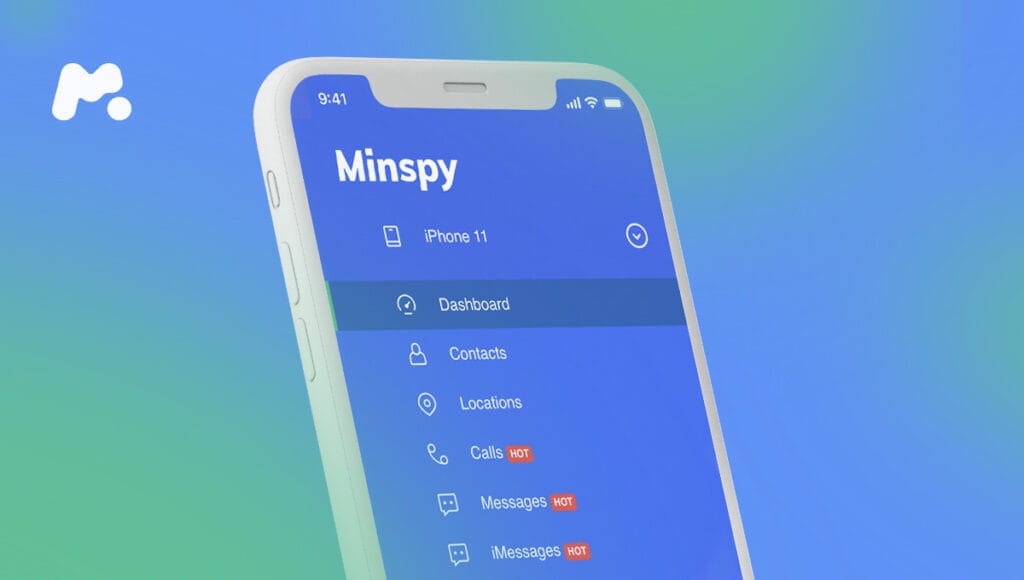
    Minspy, like many applications in its category, presents itself as a discreet and powerful monitoring solution for both Android and iOS devices. Its marketing often emphasizes ease of use, stealth operation, and a broad range of features accessible from a web-based dashboard, claiming to be Minspy Reviews: Your Go-To Spy App For Every Need.

    Core Features Promoted by Minspy:

    Based on information typically highlighted in Minspy’s promotional materials and independent reviews, here are its key advertised functionalities:

    • Call Monitoring: Minspy claims to provide detailed logs of incoming, outgoing, and missed calls, including timestamps, contact names, and call duration. This offers a comprehensive view of communication patterns.
    • SMS & Instant Messaging Monitoring: A central feature, Minspy boasts the ability to read sent and received text messages (SMS/MMS) and access conversations from popular instant messaging and social media platforms. This includes, but may not be limited to, WhatsApp, Facebook Messenger, Snapchat, Instagram, Telegram, and Viber. Users are often promised access to chat content, shared media files, and group chat details.
    • GPS Location Tracking: Real-time location tracking is a standard offering, allowing users to pinpoint the target device’s current location. Additionally, Minspy typically provides a detailed location history and may offer geofencing capabilities, alerting the user when the target enters or leaves pre-defined geographical zones.
    • Web Browse History: The app is said to monitor internet Browse history, including visited websites, bookmarks, and search queries, offering insights into online activities.
    • Keylogger: Minspy often includes a keylogger function, which records every keystroke made on the target device. This can potentially capture sensitive information like messages, search terms, and even login credentials, though strong, unique passwords and Multi-Factor Authentication (MFA) remain the best defense against credential compromise.
    • Photos & Videos Monitoring: The ability to view multimedia files (photos and videos) stored on the target device’s gallery is another advertised feature, allowing users to see what content is being shared or received.
    • Installed Applications List: Minspy can reportedly provide a list of all installed applications on the target device, helping users keep tabs on newly added software.
    • Contacts & Calendar Access: Users are often able to view the device’s contact list and access calendar events and notes, offering a broader context of the target’s social and scheduled activities.
    • Stealth Mode: A critical selling point for many spy apps, Minspy often highlights its ability to operate in “stealth mode,” making it difficult for the target user to detect its presence on their device.

    While these features appear extensive, it’s crucial to approach claims from “spy app” vendors with a degree of caution. Independent verification of all advertised features, especially concerning advanced social media monitoring or truly undetectable operation, can be challenging. The effectiveness often depends on the device’s operating system version, whether it’s rooted/jailbroken, and the continuous cat-and-mouse game between app developers and platform security updates.
    Minspy Reviews: Your Go-To Spy App For Every Need

    The Ethical Minefield: Trust, Consent, and Digital Privacy

    The use of an application like Minspy, particularly when it operates covertly, immediately raises profound ethical considerations. The promise of comprehensive insight into someone’s digital life often directly conflicts with fundamental rights to digital privacy and individual autonomy.

    1. Parental Oversight: Balancing Online Safety with Growing Autonomy

    A common justification for using Minspy, as highlighted in many Minspy Reviews, is parental control. Parents, driven by genuine concerns for their children’s online safety from cyberbullying, inappropriate content, or predators, might consider such tools to monitor digital activities and locations.

    • Ethical Insight: While protecting minors is a parental responsibility, an increasing number of child development and digital safety experts advocate for transparency and fostering trust in parent-child relationships. Covert monitoring, especially as children approach adolescence, can erode trust, foster resentment, and impede the development of critical thinking and responsible digital habits. Open communication, setting clear digital boundaries, and utilizing transparent parental controls (often built into operating systems or available as reputable apps) are generally considered more ethical and effective long-term strategies. The goal should be to teach children how to navigate the digital world safely, rather than simply observe them.

    2. Employee Monitoring: The Imperative of Transparency and Policy

    Businesses might consider deploying Minspy-like solutions on company-owned devices to enhance productivity, protect sensitive intellectual property, prevent data theft, and ensure regulatory compliance.

    • Ethical Insight: Employee monitoring must be conducted with absolute transparency and clear policies. Employees must be fully informed that their work devices are being monitored, typically through written agreements, employment contracts, and prominent notices. Undisclosed or excessive surveillance can severely damage employee morale, cultivate a climate of mistrust, and lead to significant legal challenges. Ethical employee monitoring is purpose-driven, limited to work-related activities, and respects reasonable expectations of privacy. Organizations should prioritize legitimate cybersecurity solutions and transparent policies that clearly outline monitoring practices to ensure legal compliance and maintain a positive work environment.

    3. Personal Relationships: A Fundamental Breach of Trust

    The use of monitoring apps like Minspy in personal relationships, such as to track a spouse or partner, is perhaps the most ethically indefensible application.

    • Ethical Insight: Covertly monitoring an adult without their explicit, informed consent is a profound violation of their digital privacy and a severe breach of trust in relationships. Such actions are not only ethically reprehensible but are also highly likely to be illegal in most jurisdictions, potentially leading to civil lawsuits or criminal charges. Addressing relationship issues, including suspicions of infidelity, should always involve open communication strategies, counseling, or, if necessary, legal separation, rather than resorting to invasive and unlawful unauthorized surveillance. Such actions often fall under the category of stalkerware and are indicative of unhealthy dynamics.

    The Legal Tightrope: Understanding Data Protection Laws and Criminal Statutes

    Beyond the ethical quagmire, the legality of using a spy app like Minspy is a critical factor. The unauthorized use of such software can lead to severe civil and criminal penalties, varying significantly by jurisdiction, the relationship between parties, and device ownership.

    1. The Universal Requirement for Consent:

    In nearly all legal systems globally, installing monitoring software on another individual’s device without their explicit knowledge and informed consent is illegal.

    • Adults: Spying on an adult without their consent is broadly illegal. It can lead to charges under various laws, including those related to unauthorized access to computer systems (e.g., the Computer Fraud and Abuse Act – CFAA in the U.S.), wiretapping or electronic communications interception (e.g., the Electronic Communications Privacy Act – ECPA in the U.S., which includes federal wiretapping laws; many U.S. states have “two-party consent” laws for recording conversations, requiring all parties to consent), cyberstalking, and invasion of privacy. Penalties can include significant fines and imprisonment. (See: Montague Law – Spyware Laws Unveiled)
    • Minors: Parents generally have the legal right to monitor their underage children’s devices for safety reasons. However, laws can vary regarding the age at which a child’s own consent becomes legally relevant, especially for older teenagers. The monitoring must genuinely be for the child’s welfare and not for unrelated surveillance.
    • Employees: For company-owned devices, employers have more leeway, but must comply with employee monitoring laws. This invariably requires providing clear notice to employees about monitoring activities and often obtaining explicit written consent. Failure to comply with data privacy regulations (like GDPR, CCPA, or local Nigerian data protection laws like the NDPA) can result in substantial penalties. (See: DLA Piper GENIE – Workplace surveillance and employee rights)

    2. Data Protection Laws and Privacy Regulations:

    Comprehensive data protection laws and privacy regulations (e.g., GDPR, CCPA, NDPA) govern the collection, processing, storage, and sharing of personal data. Any use of a monitoring app that involves collecting personal data must strictly comply with these regulations. Unlawful data collection or misuse can lead to severe fines and legal action for individuals and organizations. The global fight against stalkerware underscores the growing legal emphasis on protecting individuals from unauthorized surveillance. (See: IAPP – Global Privacy Law and DPA Directory)

    Beyond Spyware: Responsible Alternatives and Robust Cybersecurity

    Considering the immense legal and ethical risks, relying on covert “spy apps” like Minspy is rarely a viable, responsible, or truly effective solution. Instead, embracing transparency, open communication, and proactive cybersecurity best practices offers a far more legitimate and sustainable path to digital safety.

    1. Emphasize Open Communication and Mutual Respect:

    • For Families: Engage children in honest conversations about online risks and responsible digital behavior. Utilize native device features for parental controls or family safety apps that encourage transparent monitoring and mutual understanding.
    • For Relationships: Address trust issues through direct, honest communication, counseling, or seeking appropriate support. Covert surveillance is a destructive act that erodes the foundation of any healthy relationship.

    2. Leverage Legitimate, Transparent Tools:

    Modern smartphones and operating systems offer robust built-in features for location sharing (with consent), screen time management, and family safety. For businesses, Mobile Device Management (MDM) solutions offer legitimate and legally compliant ways to manage, secure, and monitor company-owned devices, ensuring regulatory compliance and data protection without resorting to legally dubious or ethically questionable spy apps.

    3. Fortify Personal Digital Security Against Spyware:

    Understanding how monitoring software operates is crucial for protecting oneself from unwanted surveillance.

    • Spyware Detection & Removal: Regularly scan your devices with reputable antivirus and anti-malware software. These tools are designed to detect and remove malicious software, including hidden spyware. Be alert to signs like unusual battery drain, increased data usage, device overheating, or unfamiliar apps. Seek out tools for spyware detection.
    • Review App Permissions: Always scrutinize the permissions requested by apps before installation. Limit access to your camera, microphone, location, and contacts to only those apps that genuinely require them for their intended function.
    • Keep Software Updated: Enable automatic updates for your device’s operating system and all applications. Security patches frequently fix vulnerabilities that spyware might exploit to gain access or maintain stealth.
    • Strong Passwords and MFA: Implement strong, unique passwords for all online accounts and enable Multi-Factor Authentication (MFA) wherever available. This significantly enhances account security, making it harder for unauthorized parties to gain access even if credentials are leaked.

    4. The Indispensable Role of Professional Cybersecurity Services:

    If you suspect unauthorized monitoring or a security breach, professional help is crucial.

    • Digital Forensics: Digital forensics services can meticulously analyze a device to determine if it has been compromised by spyware, identify the extent of data exfiltration, and collect evidence for potential legal action.
    • Ethical Hacking and Vulnerability Management: While tools like Minspy aim for individual surveillance, the overarching field of ethical hacking is dedicated to preventing such unauthorized access. Organizations engage ethical hacking services for penetration testing and vulnerability assessments to proactively find and fix weaknesses in their systems that malicious actors, or even misuse of monitoring tools, could exploit. Platforms like HackerOne are instrumental in facilitating bug bounty programs, connecting organizations with a global community of ethical hackers who responsibly disclose vulnerabilities, thereby significantly strengthening overall digital security and data protection. To learn more about how ethical hacking fortifies systems and enhances cybersecurity solutions, visit https://hackerone.com/.

    Conclusion

    In concluding our exploration of Minspy Reviews: Your Go-To Spy App For Every Need, the overarching message is clear: while Minspy offers a wide array of monitoring features, its application is fraught with severe ethical and legal challenges. The notion of it being a “go-to spy app for every need” must be critically evaluated against the backdrop of an individual’s right to digital privacy and the legal frameworks designed to protect it. Covert surveillance of adults is generally illegal and profoundly damages trust. For minors, transparency and education are key to fostering online safety and healthy trust in parent-child relationships. True digital safety lies not in secretive surveillance but in open communication, mutual respect, adherence to data protection laws, and the proactive implementation of robust cybersecurity best practices. For expert guidance in vulnerability management and comprehensive cybersecurity solutions, exploring
  • TheOneSpy Reviews: Uncover Secrets And Safeguard Loved Ones? – A Deep Dive into Features, Ethics & Legal Dangers

    In today’s interconnected digital landscape, where smartphones are extensions of our personal and professional lives, the desire to monitor or “spy” on another’s device has grown significantly. This need might stem from genuine concern for a child’s online safety, the imperative to ensure employee productivity on company-owned assets, or, more controversially, suspicions within personal relationships. Among the myriad of monitoring applications that promise extensive surveillance capabilities, TheOneSpy is a name that frequently appears, often marketed with the allure of helping users TheOneSpy Reviews: Uncover Secrets And Safeguard Loved Ones. This article will delve into a comprehensive review of TheOneSpy, exploring its advertised features, critically examining the profound ethical dilemmas it presents, and navigating the complex legal frameworks that govern such technologies. While the promises of complete oversight may seem appealing, it is crucial to understand the severe implications for digital privacy, the risks of unauthorized surveillance, and the essential need for adherence to cybersecurity best practices before considering its use.

    TheOneSpy Reviews: Uncover Secrets And Safeguard Loved Ones

    TheOneSpy’s Feature Set: Unveiling Its Monitoring Capabilities

    TheOneSpy positions itself as a high-end, powerful monitoring solution compatible with Android, iOS, Windows, and Mac devices. Its marketing often highlights an extensive list of features designed to provide users with deep insights into a target device’s activities, asserting its ability to help users TheOneSpy Reviews: Uncover Secrets And Safeguard Loved Ones.

    Key Features Advertised by TheOneSpy:

    Based on public claims and typical offerings in the monitoring software market, here’s a breakdown of TheOneSpy’s core advertised functionalities:

    • Call Recording and Tracking: One of TheOneSpy’s most prominent features is its ability to record incoming and outgoing calls, providing access to conversations. It also tracks call logs, including timestamps, duration, and contact details, offering a complete history of voice communications.
    • Live Call Interception: Beyond recording, TheOneSpy often advertises live call interception, allowing the user to listen in on ongoing phone conversations in real-time. This is a highly intrusive feature with significant legal ramifications.
    • Surround Recording (Ambient Listening): This feature enables the user to remotely activate the target device’s microphone to listen to its surroundings. This effectively turns the device into a bugging device, capturing ambient audio without the target’s knowledge.
    • Live Camera Streaming: TheOneSpy claims to allow remote activation of the target device’s camera to capture live video footage of the surroundings. This feature, combined with ambient listening, provides a highly intrusive surveillance capability.
    • SMS & Instant Messaging Spy: It offers comprehensive monitoring of text messages (SMS/MMS) and instant messaging apps such as WhatsApp, Facebook Messenger, Snapchat, Instagram, Telegram, Viber, Skype, and more. This includes access to chat content, shared media files, and group chat details.
    • GPS Location Tracking & Geofencing: The app provides real-time GPS location tracking, historical location data, and advanced geofencing capabilities. Users can set virtual boundaries and receive alerts when the target device enters or leaves these designated areas.
    • Keylogger: TheOneSpy typically includes a keylogger that records every keystroke made on the target device, potentially capturing passwords, messages, search queries, and other typed information.
    • Web Browse History & Bookmarks: Users can view a detailed history of visited websites, search queries, and even bookmarks, offering insights into the target’s online interests and activities.
    • Application Monitoring & Blocking: The software allows users to see a list of all installed applications, monitor their usage, and remotely block undesirable apps or games.
    • Remote Control Commands: Beyond monitoring, TheOneSpy often provides remote control features such as remotely wiping data, blocking websites, or initiating recordings.
    • Stealth Mode: A crucial advertised aspect for such apps is their ability to operate in “stealth mode,” making them difficult for the target user to detect on their device.

    The extensive nature of these features makes TheOneSpy one of the more comprehensive tools in the monitoring market. However, with greater capability comes greater responsibility and, often, greater legal and ethical pitfalls.

    The Ethical Quandary: Protection vs. Privacy and the Erosion of Trust

    The deployment of any monitoring software, especially one with capabilities as extensive as TheOneSpy, triggers significant ethical considerations. The very act of covertly observing someone’s digital life stands in stark contrast to fundamental rights to digital privacy and individual autonomy.

    1. Parental Concerns: Navigating Online Safety with Transparency

    A significant portion of the market for tools like TheOneSpy is parents seeking to ensure their children’s online safety. Concerns about cyberbullying, exposure to inappropriate content, or online predators are legitimate.

    • Ethical Insight: While the impulse to protect is natural, the method of protection matters. Covert monitoring, particularly as children enter adolescence, can severely damage trust in parent-child relationships. It can lead to resentment, a feeling of being constantly scrutinized, and hinder the development of self-reliance in navigating the digital world. Experts often recommend transparent approaches: open dialogue about online risks, establishing clear responsible screen time management rules, and using parental control features that are disclosed and mutually understood. The goal should be to educate and empower children, not to simply spy on them.

    2. Employee Monitoring: Balancing Productivity with Privacy

    Organizations might consider TheOneSpy for monitoring company-owned devices to boost productivity, safeguard intellectual property, or ensure regulatory compliance.

    • Ethical Insight: Employee monitoring must always prioritize transparency. Employees must be fully informed that their work devices are being monitored, typically through explicit policies, employment contracts, and often written consent. Covert or disproportionate surveillance can lead to low morale, distrust, and significant legal challenges. Ethical employee monitoring is purpose-driven, limited to work-related activities, and respects employees’ reasonable expectations of privacy outside of work functions. Companies should seek legal counsel to ensure their practices align with local labor laws and data protection laws.

    3. Personal Relationships: The Irreparable Breach of Trust

    The use of highly intrusive monitoring software like TheOneSpy to track a spouse or partner, often driven by suspicions of infidelity or perceived “personal safety,” is arguably the most ethically problematic application.

    • Ethical Insight: Covertly monitoring an adult without their explicit, informed consent is a profound violation of digital privacy and a severe breach of trust in relationships. Such actions are not only ethically reprehensible but are also highly likely to be illegal in most jurisdictions, potentially leading to civil lawsuits or criminal charges. Addressing relationship challenges should involve direct communication strategies, professional counseling, or, if necessary, separation, rather than resorting to invasive, unethical, and unlawful unauthorized surveillance. These actions often fall under the dangerous umbrella of stalkerware.

    The Legal Minefield: Adherence to Data Protection Laws and Criminal Statutes

    The legality of using software like TheOneSpy is highly complex and depends heavily on specific jurisdictional laws, the relationship between the monitoring party and the individual being monitored, and the ownership of the device. Users must be acutely aware that unauthorized use can lead to severe legal consequences, including significant fines and imprisonment.

    1. The Critical Role of Consent:

    In most legal systems worldwide, installing monitoring software on someone else’s device without their explicit knowledge and informed consent is illegal.

    • Adults: Spying on an adult (e.g., spouse, partner, adult child) without their consent is generally a criminal offense. This can fall under laws related to unauthorized access to computer systems (e.g., the Computer Fraud and Abuse Act – CFAA in the US), wiretapping or electronic communications interception (e.g., the Electronic Communications Privacy Act – ECPA in the US, which generally requires at least one-party consent, but many states are “two-party consent” states requiring all parties to consent). It can also lead to charges of cyberstalking or invasion of privacy. Penalties for violations can be severe. (Source: Electronic Frontier Foundation on Spyware and the Law).
    • Minors: While parents often have the legal right to monitor their minor children’s devices for safety purposes, laws vary regarding the age at which a child’s own consent might become relevant, especially for older teenagers. The monitoring must genuinely be for the child’s welfare and not for purposes unrelated to their protection.
    • Employees: For company-owned devices, employers typically have more leeway but must still comply with employee monitoring laws. This usually requires providing clear notice to employees that their work devices are subject to monitoring, often with explicit written consent. Many jurisdictions also impose limits on the extent and nature of monitoring to protect employee privacy. (Source: Society for Human Resource Management on Workplace Privacy vs. Monitoring Employees).
      • In Nigeria: The Nigeria Data Protection Act (NDPA) of 2023 sets out principles for lawful data processing, including consent and purpose limitation. Employers undertaking employee monitoring in Nigeria must ensure their activities are lawful, fair, transparent, and proportionate, and generally require explicit consent from employees for monitoring personal data on company devices. Covert monitoring would likely violate NDPA principles.

    2. Data Privacy Regulations and Stalkerware Legislation:

    Laws such as the General Data Protection Regulation (GDPR) in Europe, the California Consumer Privacy Act (CCPA) in the United States, and the NDPA in Nigeria, along with numerous other data privacy regulations globally, govern the collection, processing, storage, and sharing of personal data. Any entity or individual using monitoring software must ensure full compliance. Unlawfully collecting personal data through such means can result in substantial fines and legal action. The growing global legal and societal push against stalkerware explicitly targets software used for unauthorized surveillance and often carries significant criminal penalties.

    Responsible Digital Stewardship: Alternatives and Proactive Cybersecurity

    Given the severe legal and ethical complexities, relying on covert “spy apps” like TheOneSpy is generally not a recommended, responsible, or sustainable approach. Instead, prioritizing transparency, open communication, and robust cybersecurity best practices offers a safer and more legitimate path to digital well-being.

    1. Foster Open Dialogue and Trust:

    • For Families: Engage in honest, age-appropriate conversations with children about online risks and the importance of responsible digital citizenship. Utilize built-in parental controls or family safety apps that allow for transparent monitoring with mutual understanding.
    • For Relationships: Address trust issues through direct, honest communication, relationship counseling, or seeking appropriate support. Surveillance erodes trust and is never a healthy solution.

    2. Embrace Legitimate and Transparent Technologies:

    Modern operating systems and devices offer powerful, built-in features for location sharing (with consent), screen time management, and family safety. For businesses, Mobile Device Management (MDM) solutions provide legitimate, legally compliant ways to manage, secure, and monitor company-owned devices, ensuring regulatory compliance and data protection without resorting to legally dubious or ethically questionable methods.

    3. Strengthen Personal Digital Security Against Spyware:

    Understanding how monitoring software operates also empowers individuals to protect themselves from unwanted surveillance.

    • Spyware Detection and Removal: Regularly run reputable antivirus and anti-malware software on all your devices. These tools are designed to detect and remove malicious software, including unauthorized monitoring applications. Be vigilant for signs of compromise, such as unusual battery drain, increased data usage, device overheating, or unfamiliar apps. Implement spyware detection scans regularly.
    • App Permissions Review: Meticulously review the permissions requested by apps before installation. Limit access to your camera, microphone, location, and contacts to only those apps that genuinely require them for their intended function.
    • Keep Software Updated: Enable automatic updates for your device’s operating system and all applications. Security patches frequently fix vulnerabilities that spyware might exploit to gain unauthorized access or operate discreetly.
    • Strong Passwords and MFA: Implement strong, unique passwords for all your online accounts and enable Multi-Factor Authentication (MFA) wherever available. This significantly enhances account security, providing a crucial layer of defense against credential theft, which spyware often aims to facilitate.

    4. The Indispensable Role of Professional Cybersecurity Services:

    If you suspect unauthorized monitoring or a security breach on your devices, seeking professional help is crucial.

    • Digital Forensics: Digital forensics services can meticulously analyze a device to determine if it has been compromised by spyware, identify the extent of data exfiltration, and collect evidence for potential legal action. These experts can uncover hidden threats and reconstruct the chain of events leading to a compromise.
    • Ethical Hacking and Vulnerability Management: While tools like TheOneSpy are used for individual surveillance, the overarching field of ethical hacking is dedicated to preventing such unauthorized access. Organizations engage ethical hacking services for penetration testing and vulnerability assessments to proactively find and fix weaknesses in their systems that malicious actors, or even misuse of monitoring tools, could exploit. Platforms like HackerOne are instrumental in facilitating bug bounty programs, connecting organizations with a global community of ethical hackers who responsibly disclose vulnerabilities, thereby significantly strengthening overall digital security and data protection. To learn more about how ethical hacking fortifies systems and enhances cybersecurity solutions, visit https://hackerone.com/.

    Conclusion

    In concluding our TheOneSpy Reviews: Uncover Secrets And Safeguard Loved Ones analysis, it is evident that while the software offers a vast array of monitoring features, its utilization comes with substantial ethical and legal baggage. The allure of uncovering secrets should always be weighed against the fundamental right to digital privacy and the severe repercussions of unauthorized surveillance. Covert monitoring of adults is almost universally illegal and fundamentally destroys trust. For families, open communication strategies and transparent parental controls are far more constructive for fostering online safety and healthy trust in parent-child relationships. True digital security and the ability to “safeguard loved ones” responsibly stem from education, adherence to data protection laws, and the proactive implementation of robust cybersecurity best practices, not from secretive and potentially illegal spying. For expert guidance in vulnerability management

  • Highster Mobile Reviews: Empower Yourself With Spy Tech? – Ethics, Law & Digital Security Realities

    In today’s interconnected digital landscape, where smartphones and devices serve as extensions of our personal and professional lives, the concept of monitoring has taken on new dimensions. Whether driven by a parent’s desire to ensure a child’s online safety, an employer’s need for oversight on company-issued devices, or, more controversially, by personal suspicions, the market for monitoring applications continues to grow. Among these, Highster Mobile frequently emerges with the compelling proposition: Highster Mobile Reviews: Empower Yourself With Spy Tech. This article will delve into the advertised functionalities of Highster Mobile, critically examine the profound ethical considerations that arise from deploying such technology, and meticulously navigate the intricate legal implications that govern its use. While the promise of comprehensive digital insight and the ability to “empower yourself with spy tech” might seem appealing to some, it is crucial to understand the potential for severe infringements on digital privacy, the dangers of unauthorized surveillance, and the non-negotiable importance of adhering to robust cybersecurity best practices before considering any such monitoring solution.

     Highster Mobile Reviews: Empower Yourself With Spy Tech

    Highster Mobile’s Advertised Features: Truly “Empower Yourself With Spy Tech”?

    Highster Mobile is marketed as an affordable and user-friendly monitoring solution compatible with both Android and iOS devices. Its promotional materials often highlight its simple installation process and discreet operation, positioning it as a tool to “empower yourself with spy tech” by granting access to a target device’s activities.

    Core Monitoring Capabilities Touted by Highster Mobile:

    Based on information widely available in Highster Mobile’s promotional content and various third-party reviews, here’s a breakdown of its primary advertised functionalities:

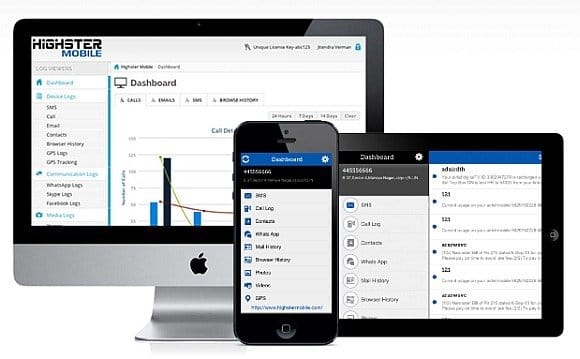
    • SMS & Call Logs Monitoring: Highster Mobile typically claims to provide access to all incoming, outgoing, and even deleted text messages (SMS/MMS), along with detailed logs of calls, including timestamps, contact names, and durations. This aims to offer a comprehensive record of communication.
    • GPS Location Tracking: A standard feature in many monitoring applications, Highster Mobile offers real-time location tracking, allowing users to view the current whereabouts of the target device and its historical movements. This is often promoted as a parental control feature for child safety.
    • Social Media & Instant Messaging Tracking: Highster Mobile is advertised to monitor popular social media and instant messaging applications such as Facebook, Instagram, WhatsApp, and Snapchat. This usually includes access to chat conversations and shared multimedia files.
    • Web Browse History: The application is designed to track internet Browse history, including visited websites, timestamps, and bookmarks, enabling users to see the online activities of the monitored individual. This is particularly relevant for ensuring online safety for minors.
    • Photos & Videos Access: Highster Mobile allows users to view multimedia files (photos and videos) stored on the target device’s gallery, offering insight into visual content.
    • Keylogger Functionality: The software typically includes a keylogger that records every keystroke made on the target device. This can potentially capture sensitive information like search queries, messages, and even passwords, though its effectiveness against modern Multi-Factor Authentication (MFA) is limited.
    • Stealth Camera: Some reviews and older promotional material suggest Highster Mobile might include a “Stealth Camera” feature, allowing remote activation of the device’s camera to capture photos or videos of the surroundings. This is a highly intrusive capability.
    • Application List: Users can typically view a list of all installed applications on the target device.
    • Stealth Mode: A crucial selling point for such applications, Highster Mobile often emphasizes its ability to operate discreetly in the background, making it challenging for the target user to detect its presence on their device. This “stealth” operation is a defining characteristic of spyware.

    While Highster Mobile presents itself as a tool to “empower yourself with spy tech,” it is critically important for potential users to understand the significant ethical dilemmas and intricate legal landscape that accompany such extensive covert surveillance capabilities. The promise of access does not negate the responsibilities and potential severe repercussions that stem from these actions.

    Highster Mobile Reviews: Empower Yourself With Spy Tech

    The Ethical Quandary: Balancing Protection with Digital Privacy and Trust

    The deployment of monitoring software like Highster Mobile, particularly when executed without the explicit knowledge and informed consent of the monitored individual, introduces profound ethical considerations. The very act of covertly observing someone’s digital life stands in direct opposition to fundamental rights to digital privacy and personal autonomy.

    1. Parental Control: Nurturing Online Safety Alongside Trust in Parent-Child Relationships

    A significant portion of the market for applications like Highster Mobile comprises parents seeking to ensure their children’s online safety. Concerns about cyberbullying, exposure to inappropriate content, or interactions with online predators are legitimate and often drive the desire for comprehensive monitoring.

    • Ethical Insight: While the impulse to protect one’s child is natural, the method of protection significantly impacts the outcome. Covert monitoring, especially as children enter adolescence, can severely damage trust in parent-child relationships. It can lead to feelings of resentment, a sense of constant scrutiny, and hinder the development of self-reliance and responsible screen time management skills. Child development experts and digital safety advocates often recommend transparent approaches: open dialogue about online risks, collaborative setting of digital boundaries, and utilizing parental control features that are disclosed and mutually understood. The primary goal should be to educate and empower children, not merely to spy on them. As noted by academic research on digital ethics, “privacy is an important factor in the relationship between children and parents. While parents have a duty to protect their children, children also have a right to privacy, which can affect their development of autonomy.” (Source: Ethical Implications of Using Android Spy Apps – One-Spy.Quora).

    2. Employee Monitoring: Transparency, Productivity, and Workplace Trust

    Organizations might consider Highster Mobile for monitoring company-owned devices to enhance employee productivity, safeguard intellectual property, or ensure regulatory compliance.

    • Ethical Insight: Employee monitoring must always prioritize transparency. Employees must be fully informed that their work devices are being monitored, typically through explicit company policies, employment contracts, and often written consent. Covert or disproportionate surveillance can lead to low morale, distrust, and significant legal challenges. Ethical employee monitoring is purpose-driven, limited to work-related activities, and respects employees’ reasonable expectations of privacy outside of work functions. Companies should seek legal counsel to ensure their practices align with local labor laws and data protection laws, such as the Nigeria Data Protection Act (NDPA) 2023, which emphasizes consent and data minimization.

    3. Personal Relationships: The Irreparable Breach of Trust in Relationships

    The use of highly intrusive monitoring software like Highster Mobile to track a spouse or partner, often fueled by suspicions of infidelity or perceived “personal safety,” is arguably the most ethically problematic application.

    • Ethical Insight: Covertly monitoring an adult without their explicit, informed consent is a profound violation of digital privacy and a severe breach of trust in relationships. Such actions are not only ethically reprehensible but are also highly likely to be illegal in most jurisdictions, potentially leading to civil lawsuits or criminal charges. Addressing relationship challenges should involve direct communication strategies, professional counseling, or, if necessary, separation, rather than resorting to invasive, unethical, and unlawful unauthorized surveillance. These applications, when used in this manner, often fall under the dangerous umbrella of stalkerware, which is increasingly recognized as a form of abuse.

    The Legal Landscape: Compliance with Data Protection Laws and Criminal Statutes

    The legality of using software like Highster Mobile is highly complex and depends heavily on specific jurisdictional laws, the relationship between the monitoring party and the individual being monitored, and the ownership of the device. Users must be acutely aware that unauthorized surveillance can lead to severe legal consequences, including significant fines and imprisonment.

    1. The Critical Role of Consent:

    In most legal systems worldwide, installing monitoring software on someone else’s device without their explicit knowledge and informed consent is illegal.

    • Adults: Spying on an adult (e.g., spouse, partner, adult child) without their consent is generally a criminal offense. This can fall under laws related to unauthorized access to computer systems (e.g., the Computer Fraud and Abuse Act – CFAA in the US), wiretapping or electronic communications interception (e.g., the Electronic Communications Privacy Act – ECPA in the US, which generally requires at least one-party consent, but many states are “two-party consent” states requiring all parties to consent). It can also lead to charges of cyberstalking or invasion of privacy. Penalties for violations can be severe. (Source: Internet Lawyer Blog – Legal Consequences of Illegal Cell Phone Tracking).
    • Minors: While parents often have the legal right to monitor their minor children’s devices for safety purposes, laws vary regarding the age at which a child’s own consent might become relevant, especially for older teenagers. The monitoring must genuinely be for the child’s welfare and not for purposes unrelated to their protection.
    • Employees: For company-owned devices, employers typically have more leeway but must still comply with employee monitoring laws. This usually requires providing clear notice to employees that their work devices are subject to monitoring, often with explicit written consent. Many jurisdictions also impose limits on the extent and nature of monitoring to protect employee privacy.
      • In Nigeria: The Nigeria Data Protection Act (NDPA) 2023 provides a comprehensive legal structure governing the collection, processing, and storage of personal data. Employers undertaking employee monitoring in Nigeria must ensure their activities are lawful, fair, transparent, and proportionate, and generally require explicit consent from employees for monitoring personal data on company devices. Covert monitoring would likely violate NDPA principles, which safeguard fundamental rights and freedoms of data subjects, and can lead to substantial fines. (Source: Aarndale Solicitors – Legal Obligations for Third-Party Service Providers under the NDPA and GAID 2025 in Nigeria).

    2. Data Privacy Regulations and Stalkerware Legislation:

    Laws such as the General Data Protection Regulation (GDPR) in Europe, the California Consumer Privacy Act (CCPA) in the United States, and the NDPA in Nigeria, along with numerous other data privacy regulations globally, govern the collection, processing, storage, and sharing of personal data. Any entity or individual using monitoring software must ensure full compliance. Unlawfully collecting personal data through such means can result in substantial fines and legal action. The growing global legal and societal push against stalkerware explicitly targets software used for unauthorized surveillance and often carries significant criminal penalties due to its association with domestic abuse. (Source: Wikipedia – Stalkerware).

    Responsible Digital Stewardship: Ethical Alternatives and Proactive Cybersecurity

    Given the severe legal and ethical complexities, relying on covert “spy apps” like Highster Mobile is generally not a recommended, responsible, or sustainable approach. Instead, prioritizing transparency, open communication, and robust cybersecurity best practices offers a safer and more legitimate path to digital well-being.

    1. Foster Open Dialogue and Trust:

    • For Families: Engage in honest, age-appropriate conversations with children about online risks and the importance of responsible digital citizenship. Utilize built-in parental controls or family safety apps that allow for transparent monitoring with mutual understanding.
    • For Relationships: Address trust issues through direct, honest communication, relationship counseling, or seeking appropriate support. Surveillance erodes trust and can be illegal. The very essence of trust in relationships is built on respect for privacy and open dialogue.

    2. Embrace Legitimate and Transparent Technologies:

    Modern operating systems and devices offer powerful, built-in features for location sharing (with consent), screen time management, and family safety. For businesses, Mobile Device Management (MDM) solutions provide legitimate, legally compliant ways to manage, secure, and monitor company-owned devices, ensuring regulatory compliance and data protection without resorting to legally dubious or ethically questionable methods. MDM solutions streamline updates, enforce security policies, and allow remote data wiping in case of loss, all transparently to the user. This enhances cybersecurity solutions for businesses. (Source: Trio.so – 7 Benefits of Mobile Device Management (MDM)).

    3. Strengthen Personal Digital Security Against Spyware:

    Understanding how monitoring software operates also empowers individuals to protect themselves from unwanted surveillance.

    • Spyware Detection and Removal: Regularly run reputable antivirus and anti-malware software on all your devices. These tools are designed to detect and remove malicious software, including unauthorized monitoring applications. Be vigilant for signs of compromise, such as unusual battery drain, increased data usage, device overheating, or unfamiliar apps. Implement spyware detection scans regularly. (Source: Avast – How to Detect & Remove Spyware From Android Phones).
    • App Permissions Review: Meticulously review the permissions requested by apps before installation. Limit access to your camera, microphone, location, and contacts to only those apps that genuinely require them for their intended function.
    • Keep Software Updated: Enable automatic updates for your device’s operating system and all applications. Security patches frequently fix vulnerabilities that spyware might exploit to gain unauthorized access or operate discreetly.
    • Strong Passwords and MFA: Implement strong, unique passwords for all your online accounts and enable Multi-Factor Authentication (MFA) wherever available. This significantly enhances account security, providing a crucial layer of defense against credential theft, which spyware often aims to facilitate.

    4. The Indispensable Role of Professional Cybersecurity Services:

    If you suspect unauthorized monitoring or a security breach on your devices, seeking professional help is crucial.

    • Digital Forensics: Digital forensics services can meticulously analyze a device to determine if it has been compromised by spyware, identify the extent of data exfiltration, and collect evidence for potential legal action. Mobile phone forensics experts specialize in this area.
    • Ethical Hacking and Vulnerability Management: While tools like Highster Mobile are used for individual surveillance, the overarching field of ethical hacking is dedicated to preventing such unauthorized access. Organizations engage ethical hacking services for penetration testing and vulnerability assessments to proactively find and fix weaknesses in their systems that malicious actors, or even misuse of monitoring tools, could exploit. Platforms like HackerOne are instrumental in facilitating bug bounty programs, connecting organizations with a global community of ethical hackers who responsibly disclose vulnerabilities, thereby significantly strengthening overall digital security and data protection. To learn more about how ethical hacking fortifies systems and enhances cybersecurity solutions, visit https://hackerone.com/.
    Highster Mobile Reviews: Empower Yourself With Spy Tech? – Ethics, Law & Digital Security Realities

    Conclusion

    In concluding our Highster Mobile Reviews: Empower Yourself With Spy Tech analysis, it is unequivocally clear that while Highster Mobile may offer a broad array of monitoring features, its utilization is fraught with severe ethical and legal challenges. The seductive idea of gaining the ability to “empower yourself with spy tech” must be rigorously weighed against an individual’s fundamental right to digital privacy and the robust legal frameworks designed to protect it. Covert monitoring of adults is almost universally illegal and fundamentally damages trust in relationships. For families, transparency, open communication strategies, and education are far more constructive for fostering online safety and healthy trust in parent-child relationships. True digital safety and responsible digital stewardship stem from education, adherence to data protection laws (like the NDPA), and the proactive implementation of robust cybersecurity best practices, not from secretive and potentially illegal spying. For expert guidance in vulnerability management

  • Simtrack Software: Unpacking Its Capabilities, Ethics, Legalities & Cybersecurity Realities

    In a world increasingly reliant on digital connectivity, the ability to track and monitor assets, vehicles, and even individuals has become a sought-after capability. From logistics companies optimizing their fleets to concerned parents ensuring the safety of their children, various industries and individuals explore solutions that offer location intelligence and oversight. Among the technologies that promise this capability is Simtrack Software. This article will delve into what Simtrack Software entails, often referring to SIM-based tracking or specialized fleet management systems, and explore its advertised functionalities. We will critically examine the profound ethical considerations that arise from deploying such technology, meticulously navigate the intricate legal implications that govern its use, and shed light on the paramount importance of digital privacy and cybersecurity best practices in an era of pervasive tracking. While the promise of enhanced efficiency and safety might be appealing, a thorough understanding of the technology’s reach and the responsibilities that come with it is essential.

    Understanding Simtrack Software: More Than Just a SIM Card

    The term “Simtrack Software” broadly refers to systems that leverage cellular network data, often in conjunction with GPS, to monitor the location and sometimes the activity of a device or asset. Unlike standalone GPS trackers that require dedicated hardware, SIM-based tracking solutions can utilize the SIM card’s connection to the mobile network for location triangulation, especially in areas with poor GPS signal. While some interpretations of “Simtrack” might refer to general SIM card tracking capabilities found in various monitoring applications, a prominent commercial application is “simTRAC” by Simpro, which is a dedicated vehicle tracking software. This distinction is crucial, as the ethical and legal implications vary significantly depending on the specific use case.

    Key Functionalities Associated with Simtrack Software:

    Let’s explore the common functionalities found in software that leverages SIM tracking, especially in the context of fleet management and broader monitoring solutions:

    • Real-time GPS Tracking: A core feature, allowing users to monitor the live location of vehicles or devices equipped with a SIM card. This is essential for logistics, delivery services, and fleet management to ensure efficiency and timely operations.
    • Historical Route Playback: The ability to review past routes taken by a tracked asset, providing insights into travel patterns, unauthorized detours, and optimizing future planning.
    • Geofencing: Users can set up virtual geographical boundaries, receiving alerts when a tracked vehicle or device enters or exits these predefined areas. This is particularly useful for managing delivery zones or ensuring assets remain within designated operational areas.
    • Driver Behavior Monitoring: For fleet management, advanced Simtrack Software might monitor driving habits such as speed, harsh braking, rapid acceleration, and excessive idling. This promotes safer driving, reduces fuel consumption, and can lead to lower insurance premiums.
    • Maintenance Scheduling: Some solutions integrate vehicle maintenance alerts based on mileage or time intervals, helping to keep fleets in optimal condition and reducing downtime.
    • Reporting and Analytics: Comprehensive reports on various metrics such as mileage, idle time, fuel consumption, and driver performance, providing actionable insights for operational improvements and cost reduction.
    • Mobile Access: Accessibility via mobile applications for on-the-go monitoring and management, allowing fleet managers or individuals to stay informed from anywhere.
    • Integration Capabilities: The ability to integrate with other business systems, such as enterprise resource planning (ERP) or customer relationship management (CRM) software, to streamline workflows and enhance overall operational efficiency.
    • SIM-Based Location (Cell Tower Triangulation): In situations where GPS signals are weak or unavailable, the software can utilize the location data derived from the nearest cellular towers to provide an approximate location. This is a fundamental aspect of many “Simtrack” capabilities and is often a feature of simpler mobile phone tracking methods.

    While these features offer significant benefits in legitimate business applications, the underlying technology’s potential for misuse necessitates a thorough examination of its ethical and legal ramifications.

    Simtrack Software

    The Ethical Imperative: Upholding Digital Privacy and Fostering Trust

    The use of any tracking technology, including Simtrack Software, carries significant ethical considerations, particularly concerning digital privacy and the impact on interpersonal and professional relationships. The fundamental right to privacy is a cornerstone of modern society, and any technology that can infringe upon it demands careful scrutiny.

    1. Employee Monitoring: Balancing Oversight with Workplace Trust

    For businesses utilizing Simtrack Software for fleet management or employee monitoring on company-owned devices, the ethical line often revolves around transparency and proportionality.

    • Ethical Insight: While employers have a legitimate interest in ensuring productivity, accountability, and the security of company assets, covert or excessive monitoring can erode workplace trust and lead to a hostile work environment. Best practices dictate that employees must be fully informed that their work devices or company vehicles are being tracked. This transparency should be clearly communicated through employment contracts, company policies, and explicit consent forms. The monitoring should be strictly limited to work-related activities and should not extend to employees’ personal lives or off-duty hours without justifiable cause and appropriate legal authorization. The aim should be to enhance efficiency and safety, not to intrude unnecessarily. This approach aligns with principles of fair data processing.

    2. Parental Control and Personal Use: Safeguarding Children vs. Invading Digital Privacy

    The use of Simtrack Software or similar SIM-based tracking for parental control or even in personal relationships presents complex ethical dilemmas.

    • Ethical Insight: While parents naturally want to ensure their children’s online safety and physical whereabouts, particularly for younger children, covert tracking, especially of adolescents, can undermine trust in parent-child relationships. It can hinder the development of autonomy and responsible decision-making. For adults in personal relationships, using Simtrack Software or similar methods to track a spouse or partner without their explicit, informed consent is a grave violation of digital privacy and an irreparable breach of trust in relationships. Such actions can often be classified as unauthorized surveillance or even stalkerware, which carries severe ethical and legal repercussions. Experts advocate for open communication strategies, mutual agreements on location sharing for safety (e.g., through transparent family safety apps), and respectful boundaries in personal relationships. The focus should be on building trust and fostering open dialogue, rather than resorting to methods that breed suspicion and resentment.

    The Legal Landscape: Navigating Data Protection Laws and the Imperative of Consent

    The legality of using Simtrack Software or any SIM-based tracking depends heavily on the jurisdiction, the relationship between the parties involved, and whether explicit, informed consent has been obtained. Unauthorized surveillance can lead to significant legal consequences.

    1. The Primacy of Consent:

    In most legal frameworks globally, obtaining explicit and informed consent is the cornerstone of lawful data processing, especially when it involves location data, which is highly sensitive personal information.

    • Adults: Tracking an adult’s mobile phone via SIM or any other method without their explicit, informed consent is generally illegal and can constitute a criminal offense. This falls under laws related to unauthorized access to computer systems, wiretapping, or electronic communications interception. Depending on the jurisdiction, it can also lead to charges of cyberstalking or invasion of privacy. Penalties for such violations can include substantial fines and imprisonment. As emphasized by legal experts, “monitoring someone’s phone without their knowledge and consent is a violation of privacy laws in most countries.” (Source: Lexology – Navigating the Legal Landscape of Mobile Phone Surveillance).
    • Minors: While parents generally have legal rights to monitor their minor children, the scope and methods of monitoring are often subject to nuances, especially as children age. Transparency with the child, and a focus on safety rather than control, is increasingly advocated.
    • Employees: For employee monitoring, clear notification and consent are legally mandated in many regions. Company policies should explicitly state the nature and extent of monitoring.

    2. Data Protection Laws and Regulations: The Nigerian Context

    Countries globally have enacted comprehensive data protection laws to safeguard individual privacy. In Nigeria, the Nigeria Data Protection Act (NDPA) 2023 is the primary legislation governing the processing of personal data, including location data derived from SIM tracking.

    • NDPA 2023 Compliance: The NDPA emphasizes principles of lawfulness, fairness, transparency, purpose limitation, data minimization, accuracy, storage limitation, integrity, and confidentiality. Any organization or individual utilizing Simtrack Software or similar technologies must comply with these principles. Crucially, processing sensitive personal data (which can include location data when it reveals details about an individual’s life) requires a strong legal basis, often explicit consent from the data subject.
    • Legal Implications of SIM Tracking in Nigeria: According to recent analyses, tracking a phone number in Nigeria is not freely permitted. It requires legal authorization or the explicit consent of the individual. While law enforcement agencies can track phones using IMEI numbers with assistance from telecom providers (often requiring court orders), private individuals cannot. The NIN-SIM linkage policy in Nigeria also means that every SIM card is tied to a real person’s National Identity Number, which enhances the government’s ability to identify users. However, this does not grant individuals the right to track others covertly. Any use of tracking software without consent is illegal and violates the NDPA 2023, potentially leading to severe penalties. (Source: TechCabal – How to track a phone number in Nigeria in 2025).

    Mitigating Risks: Robust Cybersecurity and Ethical Alternatives

    Given the significant legal and ethical complexities, relying on covert SIM tracking for personal use is highly problematic. For legitimate business purposes, transparency and robust cybersecurity best practices are paramount.

    1. Robust Cybersecurity Measures for Tracking Systems:

    Any entity deploying Simtrack Software must implement stringent cybersecurity solutions to protect the sensitive location data collected.

    • Data Encryption: All collected location data should be encrypted both in transit and at rest to prevent unauthorized access.
    • Access Control: Strict access controls must be in place to ensure that only authorized personnel can view tracking data. Role-based access control (RBAC) should be implemented.
    • Regular Audits and Monitoring: Implement continuous cybersecurity monitoring of the tracking system to detect and respond to potential security incidents promptly. Regular audits help identify vulnerabilities and ensure compliance. This is a core component of effective vulnerability management.
    • Secure Data Storage: Location data, especially historical data, must be stored on secure servers with appropriate physical and digital safeguards.
    • Vulnerability Management: Proactively identify and address software vulnerabilities that could be exploited by malicious actors. Regular penetration testing and vulnerability assessments are crucial. These cybersecurity best practices are critical to preventing data breaches and maintaining system integrity.

    2. Ethical and Legitimate Alternatives for Oversight:

    • For Businesses (Fleet & Asset Management): Utilize reputable Mobile Device Management (MDM) or dedicated Fleet Management Systems that incorporate transparent tracking features. These solutions offer comprehensive management, security, and monitoring capabilities for company-owned devices and vehicles, ensuring regulatory compliance and data protection through explicit employee consent and clear policies.
    • For Families (Parental Control): Focus on open communication about online safety and digital habits. Many reputable parental control apps offer features like content filtering, screen time management, and location sharing with the child’s knowledge and, for older children, their consent. These apps prioritize education and collaboration over covert surveillance, helping to build trust in parent-child relationships.
    • For Individuals: If concerns about personal safety or device loss exist, utilize built-in “Find My Device” features on smartphones (e.g., Google Find My Device, Apple’s Find My), which require account login and are intended for personal device recovery, not covert tracking of others.

    3. The Proactive Role of Ethical Hacking Services:

    Understanding and preventing unauthorized tracking, whether by malicious actors or through misuse of legitimate tools, is where ethical hacking plays a critical role.

    • Vulnerability Assessments & Penetration Testing: Organizations can engage ethical hacking services to perform vulnerability assessments and penetration testing on their networks and applications, including any tracking software they utilize. This proactive approach helps identify weaknesses before they can be exploited by cybercriminals or used for unauthorized surveillance.
    • Bug Bounty Programs: Platforms like HackerOne facilitate bug bounty programs, connecting organizations with a global community of ethical hackers who are incentivized to find and responsibly disclose security vulnerabilities. This collaborative approach significantly enhances an organization’s overall digital security posture and helps prevent data breaches related to tracking information. To learn more about how ethical hacking strengthens defenses and offers proactive cybersecurity solutions, visit https://hackerone.com/.
    Simtrack Software

    Conclusion

    In conclusion, while Simtrack Software offers compelling capabilities for location tracking and operational efficiency, particularly in fleet management, its application demands a rigorous adherence to ethical principles and stringent legal frameworks. The promise of advanced tracking should never overshadow the fundamental right to digital privacy and the imperative of informed consent. In Nigeria, the NDPA 2023 firmly establishes that unauthorized surveillance through SIM tracking is illegal, highlighting the severe consequences for privacy violations. For businesses, transparency and robust cybersecurity measures are not merely best practices but legal necessities. For individuals and families, fostering open communication strategies and building trust in relationships are far more effective and ethical than resorting to covert tracking. Embracing legitimate cybersecurity solutions and services, such as those provided by ethical hacking services

  • AiSpyer Review: Legal Risks, Family-Safety Fit, and Better Options

    AiSpyer gets impressions because readers want a simple comparison before they buy. CTR improves when the page is honest about legal fit, setup reality, and how AiSpyer compares with more transparent family-safety alternatives.

    Updated March 2026

    Table of Contents

    Where AiSpyer Fits

    Feature claims do not matter if the use case is not lawful or if a simpler parental tool would do the job more clearly.

    • Best for parent-child or device-owner use cases.
    • Not a clean fit for covert monitoring of another adult.
    • Should be compared on transparency, support, and real dashboard quality.

    What Buyers Should Check

    • Whether the app clearly explains lawful use and setup requirements.
    • Whether the feature list matches the actual family-safety problem.
    • Whether a simpler parental-control platform would do the job with less risk.

    Legal Monitoring Apps to Compare

    If you are comparing AiSpyer with clearer parent-focused options, start with transparent family-safety tools instead of covert-surveillance marketing.

    ToolBest ForWhy Compare It
    QustodioFamily safety and screen timeBetter for transparent family rules, web filtering, and routine digital wellbeing.
    mSpyDetailed parental monitoringUseful when a parent or device owner needs broader visibility and the setup is lawful.
    EyezyFeature-rich family oversightUseful for comparing alerts, activity views, and location features in one dashboard.

    Read Qustodio Review

    Compare mSpy

    Check Eyezy

    Use these only for a child’s device, your own device, or another lawful use case with notice or consent where required.

    Related Security Guides

    Next, read our Qustodio review, our guide to parental control apps for iPhone, and how to remove a spy app on your phone.

    Frequently Asked Questions

    Is AiSpyer legal everywhere?
    Legality depends on consent, device ownership, and local law. Use it only in a clearly lawful family or device-owner context.

    Related Spy Wizards Resources

    Safety and Authorization Note

    Use cybersecurity guidance only on accounts, devices, and networks you own or are clearly authorized to review. If you are dealing with account recovery, suspicious logins, device privacy concerns, or business security checks, document what happened, preserve alerts or recovery emails, and avoid sharing passwords, one-time codes, private keys, or financial details. Spy Wizards focuses on lawful support, ethical security review, privacy protection, and practical recovery steps that reduce risk without crossing consent boundaries.

  • How To Log Into Snap Without Verification Code: Secure Account Recovery & Cybersecurity Insights

    In our digitally intertwined lives, social media platforms like Snapchat have become central to communication, self-expression, and sharing fleeting moments. With millions of users globally, the security of these accounts is paramount. Snapchat, like most reputable online services, employs robust security measures, notably Two-Factor Authentication (2FA), which requires a verification code in addition to your password for login. However, situations can arise where a user might find themselves locked out, desperately searching for “how to log into Snap without verification code.” This article will explore the legitimate pathways to regain access to your Snapchat account, emphasize why bypassing 2FA is ill-advised and often impossible without compromising account security, and delve into the critical cybersecurity risks associated with unauthorized access. We will underscore the importance of digital privacy and responsible social media account security in an era where account takeover attempts are increasingly common.

    If the verification problem affects several connected profiles, compare the social account recovery options and secure the email and phone number behind them.

    How To Log Into Snap Without Verification Code

    Understanding Snapchat’s Verification Process and Its Purpose

    Snapchat’s verification code system, typically implemented through 2FA (also known as login verification), is a fundamental cybersecurity solution designed to protect your account from unauthorized access. When you attempt to log in from a new device or after a period of inactivity, Snapchat sends a unique code to your registered phone number or email address. This code acts as a second layer of defense, ensuring that even if someone has your password, they cannot access your account without also possessing your phone or access to your email.

    Why You Need a Verification Code: The Power of Two-Factor Authentication

    The core reason for verification codes is to implement Multi-Factor Authentication (MFA). MFA significantly enhances account security by requiring more than one form of authentication. These factors typically fall into three categories:

    1. Something you know: Your password.
    2. Something you have: A verification code sent to your phone (SMS), generated by an authenticator app (like Google Authenticator or Authy), or sent to your email.
    3. Something you are: Biometrics, such as a fingerprint or face scan.

    By requiring a verification code (something you have), Snapchat makes it significantly harder for malicious actors to gain access, even if they manage to steal or guess your password through phishing attacks or credential stuffing. This makes your account more resilient against account takeover attempts.

    Legitimate Pathways: How To Log Into Snap Without Verification Code (When 2FA Is On)

    While directly “bypassing” the verification code in the conventional sense is highly discouraged and often impossible without compromising security, there are legitimate scenarios and methods to regain access if you’ve enabled 2FA and don’t have immediate access to your primary verification method.

    1. Using a Recognized Device:

    If you’ve previously logged into Snapchat on a particular device (e.g., your tablet or another phone) and that device is still logged in and recognized by Snapchat, you might be able to log in without a new verification code. Snapchat’s system often trusts devices that have been authenticated before. This is the simplest way to log into Snap without verification code if you’re merely switching devices or reinstalling the app on a device you recently used.

    2. Utilizing a Recovery Code:

    When you enable Two-Factor Authentication on Snapchat, the platform typically provides you with a set of recovery codes. These are one-time-use codes designed specifically for situations where you lose access to your primary verification method (e.g., your phone is lost or stolen, or your email is inaccessible).

    • How it works: If you can’t receive an SMS code or access your email, Snapchat will usually offer an option to use a recovery code. You would enter one of the previously saved codes to log in.
    • Best Practice: It is crucial to save these recovery codes in a secure place (e.g., a password manager, a physical notebook stored safely, or an encrypted drive) immediately after enabling 2FA. These codes are your lifeline if all else fails. Without them, and without access to your registered phone/email, account recovery becomes significantly more challenging.

    3. Account Recovery Through Snapchat Support:

    If you’ve lost access to your primary verification method and your recovery codes, your last legitimate resort is to contact Snapchat Support.

    • Process: Go to Snapchat’s official support page. Look for options related to “I can’t access my account” or “I forgot my password.” You’ll likely be asked to fill out a detailed form providing information to prove your identity and ownership of the account. This might include your username, associated email addresses (even old ones), phone numbers, and details about your recent account activity.
    • What to expect: This process can take time, as Snapchat’s security team needs to verify your identity to prevent unauthorized account access. Be patient and provide as much accurate information as possible. Snapchat will not “bypass” 2FA for you in a way that compromises security; they will undertake a rigorous verification process to ensure you are the legitimate owner.

    The Perils of Attempting to “Bypass” 2FA Illegitimately: Cybersecurity Risks and Legal Consequences

    While the search query “how to log into Snap without verification code” often stems from a genuine user predicament, it can also be indicative of attempts at unauthorized account access. It is vital to understand that attempting to bypass 2FA through illicit means carries severe cybersecurity risks and significant legal implications.

    1. Account Takeover and Data Breach Risks:

    Any method promising to “bypass” 2FA without legitimate credentials or recovery codes is likely a scam or involves illicit activities.

    • Malware and Phishing: Websites or tools promising easy 2FA bypass are often fronts for distributing malware (e.g., spyware, keyloggers) or conducting phishing attacks to steal your credentials, including your password and other personal information. This can lead to a complete account takeover, where cybercriminals gain full control of your Snapchat account and potentially other online accounts if you reuse passwords.
    • Identity Theft: Once an account is compromised, attackers can use the information gleaned (e.g., personal photos, contacts, messages, location data) for identity theft, financial fraud, or to target your friends and family with scams. This is a severe threat to digital privacy.
    • Privacy Violations: An account takeover means your private snaps, chats, and personal data become accessible to an unauthorized party, leading to profound privacy violations. This can also expose you to cyberstalking or harassment if the perpetrator has malicious intent.

    2. Legal Ramifications of Unauthorized Account Access:

    Attempting to gain unauthorized access to someone else’s Snapchat account, even if you know the person, is illegal in most jurisdictions.

    • Computer Misuse Laws: Laws like the Computer Misuse Act in the UK or the Computer Fraud and Abuse Act (CFAA) in the US make unauthorized access to computer systems (including social media accounts) a criminal offense. These laws carry severe penalties, including imprisonment and substantial fines.
    • Privacy Laws: Breaching someone’s digital privacy by accessing their social media without consent can lead to civil lawsuits for invasion of privacy.
    • Stalkerware and Harassment: In cases where such unauthorized access is used to monitor or harass another individual, it can be classified as cyberstalking or the use of stalkerware, which is increasingly criminalized and carries severe legal consequences, especially when linked to domestic abuse or harassment.
    • Nigeria Data Protection Act (NDPA) 2023: In Nigeria, the NDPA 2023 provides a robust framework for data protection. Unauthorized access to personal data, which includes data on social media accounts, would be a clear violation of the Act. The NDPA emphasizes consent and legitimate purpose for data processing. Any attempt to access a Snapchat account without the data subject’s explicit consent would contravene the NDPA, potentially leading to significant fines and other legal repercussions. The Act states that “personal data shall be processed lawfully, fairly and in a transparent manner” and requires “specific, explicit and legitimate purposes” for processing. Unauthorized access fails on all these counts.
    How To Log Into Snap Without Verification Code

    Strengthening Your Social Media Account Security: Best Practices

    Instead of seeking ways to bypass security, focus on strengthening your accounts and ensuring you always have legitimate recovery options.

    1. Enable and Properly Manage 2FA/MFA:
      • Always enable 2FA: This is your strongest defense against account takeover.
      • Use authenticator apps: Apps like Google Authenticator or Authy are generally more secure than SMS-based 2FA, as SMS codes can be intercepted (e.g., via SIM swapping attacks).
      • Secure your recovery codes: Download and store your recovery codes in a safe, offline location or a reputable password manager. Do NOT store them on the same device you use for 2FA.
    2. Use Strong, Unique Passwords:
      • Create long, complex passwords for each social media account.
      • Utilize a password manager to generate and store unique, strong passwords, minimizing the risk of credential stuffing attacks.
    3. Keep Your Recovery Information Updated:
      • Ensure the email address and phone number linked to your Snapchat account are current and accessible to you. These are your primary legitimate recovery channels.
    4. Be Wary of Phishing Attempts:
      • Never click on suspicious links in emails or messages that claim to be from Snapchat. Always verify the sender and go directly to the official Snapchat website if you need to log in or manage your account.
      • Beware of social engineering tactics designed to trick you into revealing your credentials.
    5. Regularly Review Account Activity:
      • Periodically check your Snapchat settings for any unrecognized logged-in devices or suspicious activity. Most platforms offer a “manage devices” or “login history” section. If you notice anything unusual, immediately log out all unknown sessions and change your password.
    6. Secure Your Devices:
      • Keep your operating system and apps updated to patch vulnerabilities.
      • Use reputable antivirus and anti-malware software to detect and remove spyware or other malicious programs.

    The Role of Professional Cybersecurity Solutions:

    For individuals and organizations concerned about their digital footprint and potential threats, professional cybersecurity solutions offer robust protection.

    For a broader, consent-based response path, compare professional account-recovery and security services.

    • Vulnerability Management: Companies like HackerOne facilitate vulnerability management by connecting organizations with ethical hackers who identify and report weaknesses in software and systems through bug bounty programs. This proactive approach helps platforms like Snapchat continuously strengthen their security against sophisticated attacks that could lead to account takeover.
    • Digital Forensics: If you suspect your account has been compromised despite your best efforts, digital forensics services can help investigate the breach, identify the extent of the compromise, and gather evidence.
    • Security Awareness Training: For businesses, training employees on social media security best practices and recognizing phishing attacks is crucial in preventing account takeover that could impact corporate accounts. To learn more about how ethical hacking fortifies systems and enhances cybersecurity solutions, visit https://hackerone.com/.

    Conclusion

    The quest for “how to log into Snap without verification code” highlights a common user predicament but also underscores a critical cybersecurity principle: Two-Factor Authentication is a non-negotiable layer of account security. While legitimate recovery options exist (recognized devices, recovery codes, and contacting support), attempting to bypass 2FA through illegitimate means poses severe cybersecurity risks, including account takeover, identity theft, and violations of digital privacy. Such actions also carry significant legal implications, particularly under data protection laws like the NDPA 2023 in Nigeria, which strictly prohibits unauthorized access to personal data. Prioritizing social media account security through strong passwords, proper 2FA management, and vigilance against phishing attacks is paramount. For advanced cybersecurity solutions and vulnerability management, exploring resources like https://hackerone.com/ can provide invaluable insights and services to protect your digital life. Stay secure, stay informed, and respect digital boundaries.

    How To Log Into Snap Without Verification Code

    Related WhatsApp guide: Verification-code issues also affect WhatsApp accounts, so this guide explains how to avoid scams and recover safely. Read WhatsApp recovery and verification-code safety.

  • SpyHuman Review: Family Monitoring Fit, Legal Risks, and Alternatives

    SpyHuman gets impressions because readers want a simple comparison before they buy. CTR improves when the page is honest about legal fit, setup reality, and how SpyHuman compares with more transparent family-safety alternatives.

    Updated March 2026

    Table of Contents

    Where SpyHuman Fits

    Readers should judge it less by secret-access marketing and more by whether it solves a legitimate family-safety problem.

    • Best for parent-child or device-owner use cases.
    • Not a clean fit for covert monitoring of another adult.
    • Should be compared on transparency, support, and real dashboard quality.

    What Buyers Should Check

    • Whether the app clearly explains lawful use and setup requirements.
    • Whether the feature list matches the actual family-safety problem.
    • Whether a simpler parental-control platform would do the job with less risk.

    Legal Monitoring Apps to Compare

    If you are comparing SpyHuman with clearer parent-focused options, start with transparent family-safety tools instead of covert-surveillance marketing.

    ToolBest ForWhy Compare It
    QustodioFamily safety and screen timeBetter for transparent family rules, web filtering, and routine digital wellbeing.
    mSpyDetailed parental monitoringUseful when a parent or device owner needs broader visibility and the setup is lawful.
    EyezyFeature-rich family oversightUseful for comparing alerts, activity views, and location features in one dashboard.

    Read Qustodio Review

    Compare mSpy

    Check Eyezy

    Use these only for a child’s device, your own device, or another lawful use case with notice or consent where required.

    Related Security Guides

    Next, read our Qustodio review, our guide to parental control apps for iPhone, and how to remove a spy app on your phone.

    Frequently Asked Questions

    Is SpyHuman legal everywhere?
    Legality depends on consent, device ownership, and local law. Use it only in a clearly lawful family or device-owner context.

    Related Spy Wizards Resources

    Safety and Authorization Note

    Use cybersecurity guidance only on accounts, devices, and networks you own or are clearly authorized to review. If you are dealing with account recovery, suspicious logins, device privacy concerns, or business security checks, document what happened, preserve alerts or recovery emails, and avoid sharing passwords, one-time codes, private keys, or financial details. Spy Wizards focuses on lawful support, ethical security review, privacy protection, and practical recovery steps that reduce risk without crossing consent boundaries.