Blog

  • Understanding the Remote Keylogger Feature in the Sphnix Monitoring App

    best remote tracking app

    In today’s hyper-connected world, digital security and oversight have become paramount for many individuals and organizations. Whether it’s a parent concerned about their child’s online safety or a business owner needing to protect company assets, the demand for effective monitoring solutions is real. One powerful, yet often misunderstood, feature in this space is the remote keylogger. This article will explore the capabilities of the Sphnix Monitoring App, with a specific focus on its remote keylogger functionality, to provide a clear and comprehensive understanding of its features, uses, and implications.

    Updated February 2026

    Table of Contents

    What is a Remote Keylogger?

    At its core, a keylogger is a software program designed to record every keystroke made on a device’s keyboard . A remote keylogger takes this a step further by not only capturing this data but also transmitting it securely to a remote dashboard, accessible from anywhere with an internet connection. This allows the user to monitor activity on a target device without needing physical access to it. While keyloggers can be used maliciously by cybercriminals to steal sensitive information like passwords and credit card numbers , they also have legitimate applications in parental control and employee monitoring when used ethically and legally.

    The Sphnix Monitoring App: An Overview

    The Sphnix Monitoring App is a comprehensive surveillance tool designed for discreet monitoring of a target smartphone or computer. Marketed as a powerful solution for various oversight needs, it provides a suite of features that go beyond simple location tracking . From call and message monitoring to social media activity tracking, Sphnix aims to give users a complete picture of the target device’s usage. Its design prioritizes stealth, ensuring the app runs in the background without the user’s knowledge, which is a critical aspect of its functionality.

    Spy wizard is a platform to hire a hacker freelancer that can provide professional hacking service.

    Core Features of the Sphnix Remote Keylogger

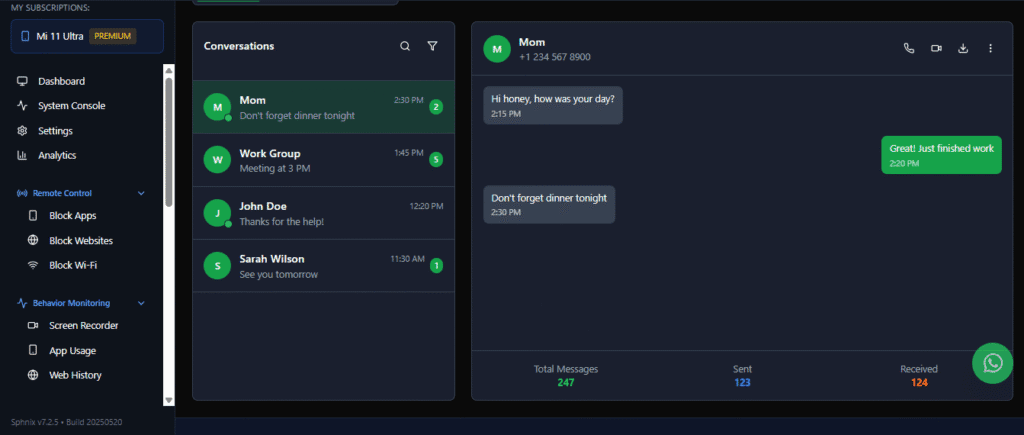
    The remote keylogger within the Sphnix app is one of its most potent features. It works by silently capturing every character typed on the target device, from text messages and emails to search queries and social media posts. This data is then encrypted and uploaded to the user’s secure online control panel on SpyWizards.com. This means you can log in from your own device at any time to review a detailed log of all typed activity, providing unparalleled insight into the user’s communications and online behavior.
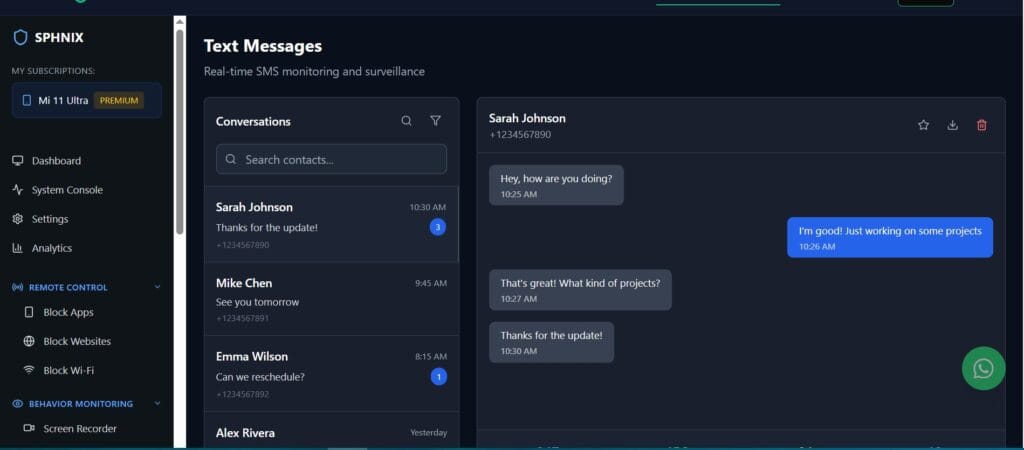
    Remote keylogger

    Beyond Keystrokes: Comprehensive Monitoring Suite

    While the remote keylogger is a standout feature, Sphnix offers a full ecosystem of monitoring tools. Users can track real-time GPS location, view call logs and even record phone calls . The app also monitors activity across popular social media platforms and messaging apps like WhatsApp . For a more complete guide on its call-tracking capabilities, you can explore our detailed resource on how to track phone calls using the Sphnix app. This holistic approach ensures that users aren’t just seeing what is typed, but also the context of that communication.

    Setting Up and Accessing Your Data

    The setup process for the Sphnix Monitoring App is designed to be straightforward. After purchasing a subscription from SpyWizards.com, you receive instructions to install the app on the target device. Once installed and activated, the app operates in stealth mode. All collected data, including the logs from the remote keylogger, is accessible through a private, web-based dashboard. This central hub allows for easy navigation through different data categories, from keystrokes to location history, making it simple to find the information you need.

    Why Choose SpyWizards for Your Monitoring Needs?

    SpyWizards.com is a dedicated platform that provides not only the Sphnix Monitoring App but also a wealth of information and support for its users. We understand that choosing a monitoring solution is a significant decision. Our commitment is to offer a reliable, feature-rich product like Sphnix, coupled with transparent information about its capabilities and responsible use. For those interested in other specific functionalities, our blog offers guides on topics like silent SMS location tracking with the Sphnix Spy App.
    best remote spy app

    Conclusion

    The Sphnix Monitoring App, with its powerful remote keylogger and comprehensive suite of features, represents a significant tool for those with legitimate monitoring needs. By providing a window into digital activity, it can offer peace of mind for parents and security for business owners. However, this power must be wielded responsibly and within the bounds of the law. If you are seeking a reliable and discreet monitoring solution and have a lawful reason for its use, explore the full capabilities of the Sphnix app on SpyWizards.com today.

    Legal and Ethical Considerations

    It is absolutely critical to understand the legal and ethical boundaries of using any monitoring software, especially one with a remote keylogger. In most jurisdictions, it is illegal to monitor a device you do not own or for which you do not have explicit consent from the primary user. These tools are intended for legitimate purposes, such as monitoring your own children’s devices (where you are the legal guardian) or company-owned devices issued to employees (with a clear and disclosed company policy). Misusing this technology can lead to severe legal consequences.

    Frequently Asked Questions (FAQs)

    Q1: Is it legal to use a remote keylogger like the one in Sphnix?
    A: It is only legal if you own the device being monitored or have explicit, documented consent from the device’s owner. It is commonly used legally by parents on their children’s devices and by employers on company-owned devices with a clear policy.

    Q2: Can the person being monitored detect the Sphnix app?
    A: The Sphnix app is designed to run in complete stealth mode. It does not appear in the app list or show any notifications, making it very difficult for the average user to detect.

    Q3: What kind of data does the Sphnix keylogger capture?
    A: It captures every keystroke typed on the device, including messages, emails, social media posts, search engine queries, and even usernames and passwords.
  • How to Blog About Ethical Hacking Case Studies

    Are you passionate about cybersecurity and eager to share your knowledge with the world? Blogging about ethical hacking case studies is one of the best ways to educate, engage, and build authority in the cybersecurity niche. In this guide, you’ll learn how to effectively structure, write, and optimize case study content that informs readers and drives traffic to your blog—especially when showcasing real-world ethical hacking tools, network security penetration testing methods, and more.

    How to Blog About Ethical Hacking Case Studies

    How to Blog About Ethical Hacking Case Studies

    At SpyWizards.com, we know the importance of creating insightful and actionable content. Let’s dive into how you can do the same!

    Why Blog About Ethical Hacking Case Studies?

    Case studies are powerful because they show real-world applications of cybersecurity principles. They bridge the gap between theoretical ethical hacking tutorials for beginners and actual penetration tests or vulnerability assessments. By documenting real or simulated scenarios, you demonstrate practical skills that readers can apply immediately.

    Blogging about case studies can also:

    • Attract readers interested in how to become an ethical hacker.
    • Showcase the use of advanced ethical hacking tools.
    • Build credibility in the cybersecurity space.
    • Drive organic traffic through targeted SEO keywords like penetration testing lab setup and OSI model in network security.

    Step-by-Step Guide to Blogging About Ethical Hacking Case Studies

    1. Select a Relevant Case Study

    Choose case studies that match your audience’s interest. Some ideas include:

    • Wireless network vulnerabilities exploration
    • Network security penetration testing for small businesses
    • How to scan a network with Nmap to detect open ports
    • Real-world phishing attack simulations

    Make sure the case study focuses on legal and ethical hacking practices.

    👉 Visit SpyWizards.com to explore more case study inspirations and ethical cybersecurity practices.

    2. Provide Background Information

    Start by explaining the situation clearly:

    • What was the security challenge?
    • What kind of network or system was tested?
    • What ethical guidelines were followed?

    Example: “Our team performed a penetration test on a company’s internal network to assess vulnerabilities using industry-standard ethical hacking tools and techniques aligned with cybersecurity laws.”

    For beginners, a quick link to an ethical hacker course or a guide like TCP/IP basics for hackers can be beneficial.

    3. Define Tools and Methods Used

    Specify the tools and methods you used:

    • Nmap for scanning networks (how to scan a network with Nmap)
    • Wireshark for analyzing wireless network vulnerabilities
    • Burp Suite for web application testing

    Explain why you selected specific tools and how they fit into the penetration testing lab setup.

    👉 Looking to build your lab? Check out our penetration testing lab setup guide!

    4. Describe the Testing Process

    Document every step:

    • Reconnaissance: Mapping the network (mentioning the OSI model in network security)
    • Scanning: Using Nmap, Nessus, or other scanners
    • Exploitation: Attempting to access a system ethically
    • Post-Exploitation: Gathering insights without damaging the system

    Remember, transparency builds trust with your readers.

    5. Share the Results and Lessons Learned

    Explain:

    • Vulnerabilities discovered
    • How the client improved their security afterward
    • Lessons for future penetration tests

    Highlighting how ethical hacking prevented potential breaches can inspire readers to pursue an ethical hacker course or study an ethical hacking tutorial for beginners.

    📚 Pro Tip: Always emphasize ethical responsibility when discussing results to align with white-hat standards.


    6. Offer Practical Advice

    Wrap up your article by offering actionable tips:

    • Secure wireless networks to prevent attacks
    • Understand TCP/IP basics for hackers before conducting penetration tests
    • Regularly scan systems with Nmap

    You can also guide readers to trusted resources on how to become an ethical hacker, available at SpyWizards.com.

    SEO Tips for Ethical Hacking Blog Posts

    How to Blog About Ethical Hacking Case Studies

    If you want your ethical hacking case study posts to rank high on Google (and score 89+/100 on Rank Math SEO), follow these tips:

    • Use targeted keywords: Mention “ethical hacking tools,” “penetration testing lab setup,” etc., naturally in headings and body text.
    • Add internal links: Always link to relevant articles and services on your website, like SpyWizards.com.
    • Use engaging headings: Break your content into sections with H2 and H3 tags.
    • Optimize for readability: Use bullet points, short paragraphs, and simple explanations.
    • Include actionable advice: Readers love content they can immediately apply.

    👉 Want to master ethical hacking? Visit our exclusive ethical hacking tutorial for beginners to get started today!

    Final Thoughts

    Blogging about ethical hacking case studies is a fantastic way to share your expertise, teach others, and build a strong online presence. By following structured storytelling, using powerful SEO techniques, and linking to trusted resources like SpyWizards.com, you can create high-quality content that ranks and resonates.

  • Building a GitHub Portfolio for Ethical Hacking: A Step-by-Step Guide

    In the rapidly evolving world of cybersecurity, ethical hackers are playing a crucial role in safeguarding digital infrastructures. Whether you’re looking to break into the field of ethical hacking or enhance your professional profile, building a GitHub portfolio is an essential step. GitHub, a platform renowned for version control and collaboration, can serve as a showcase for your skills, projects, and knowledge. In this article, we’ll explore how you can create an impressive GitHub portfolio that not only highlights your expertise in ethical hacking but also boosts your chances of landing ethical hacking jobs or freelancing opportunities.

    Table of Contents

    Building a GitHub Portfolio for Ethical Hacking: A Step-by-Step Guide

    Building a GitHub Portfolio for Ethical Hacking: A Step-by-Step Guide

    Why Build a GitHub Portfolio for Ethical Hacking?

    A GitHub portfolio is a powerful tool for demonstrating your skills to potential employers or clients. For an ethical hacker, it becomes an even more significant platform, showcasing your practical experience and ability to solve real-world security problems. By uploading your projects, tutorials, and even ethical hacking tools, you can give others a glimpse into your technical abilities, code writing style, and security mindset.

    Furthermore, for aspiring hackers or those who are currently in an ethical hacker course, GitHub can serve as a learning tool. You can collaborate on open-source projects, contribute to penetration testing labs, and showcase your knowledge of network security, vulnerabilities, and more.

    What to Include in Your GitHub Portfolio

    Creating an appealing and well-organized GitHub portfolio takes effort and attention to detail. Here’s what you should include to make your portfolio stand out:

    1. Projects Related to Ethical Hacking

    Start by uploading relevant projects that demonstrate your network security penetration testing skills. Include tools you’ve built or modified, as well as any custom scripts for vulnerability scanning or exploitation. Here are some examples:

    • Penetration Testing Scripts: Share your penetration testing scripts, such as those used for network scanning with Nmap or exploiting wireless network vulnerabilities.
    • Capture the Flag (CTF) Challenges: If you’ve solved CTF challenges related to ethical hacking, include them in your repository. These challenges provide great insight into your problem-solving and technical skills.
    • Vulnerability Assessments: Upload a detailed report on any vulnerability assessments or audits you’ve performed, along with remediation steps.

    2. Detailed Documentation

    One of the most crucial aspects of a successful GitHub portfolio is the documentation. Explain what each project does, how you built it, and any tools you used, such as ethical hacking tools or penetration testing lab setups. Make your documentation clear and easy to follow, especially for beginners in ethical hacking.

    Use the OSI model in network security to provide an overview of how your tools align with each layer of network security. This helps potential employers understand your grasp of networking concepts and security layers.

    3. Ethical Hacking Tutorials and Learning Resources

    If you’re just starting with ethical hacking, you can create tutorials aimed at beginners. For instance, an ethical hacking tutorial for beginners can walk through essential topics such as:

    • How to use Nmap to scan networks
    • Setting up a basic penetration testing lab
    • Understanding TCP/IP basics for hackers

    By contributing to the community, you not only showcase your knowledge but also build a reputation as a helpful and knowledgeable member of the ethical hacking community.

    4. Certifications and Courses

    Your GitHub portfolio should reflect your learning journey. If you’ve completed an ethical hacker course, be sure to list it on your profile. GitHub allows you to link to certificates, display badges, or even include a personal ethical hacking portfolio showcasing your achievements.

    For example, including the Certified Ethical Hacker (CEH) certification badge on your GitHub profile adds credibility and boosts your portfolio’s value.

    5. Collaborative Projects

    Ethical hacking is often a collaborative effort. Demonstrating that you can work with others in a team is crucial. Contributing to open-source ethical hacking tools or penetration testing labs is an excellent way to gain exposure and showcase teamwork skills. Look for repositories that involve security audits or bug bounty programs and contribute your insights. Not only does this show your technical prowess, but it also highlights your ability to collaborate on real-world security projects.

    How to Optimize Your GitHub Profile for SEO

    To ensure your GitHub portfolio gets noticed, make sure to optimize it for search engines. Here are some strategies to improve your profile’s visibility:

    • SEO Keywords: Incorporate keywords into your project titles and descriptions. Words like ethical hacking, penetration testing, network security, and ethical hacker course will help your repository rank higher on search engines and GitHub.
    • README Files: A well-crafted README file is key to improving your portfolio’s SEO. Use clear, descriptive language to explain your projects and skills. A strong README can make a significant difference in how your repository is perceived by both search engines and potential employers.
    • Link Back to Your Website: For further exposure, include links to your website, such as spywizards.com, within your GitHub repositories. This creates backlinks that help improve SEO while driving traffic to your site.
    • Engage with the Community: Forking, starring, and contributing to other repositories not only increases your visibility but also enhances your portfolio’s reputation within the community.

    Tools and Techniques for Ethical Hackers

    To further demonstrate your skills, ensure that you’ve worked with and shared a variety of ethical hacking tools. Tools like Wireshark, Burp Suite, Metasploit, and John the Ripper should be part of your portfolio. By providing your readers with tutorials on how to use these tools, you solidify your position as an ethical hacker capable of using industry-standard software.

    Additionally, consider discussing advanced topics such as penetration testing lab setup and wireless network vulnerabilities. Offer insight into your approach to solving these complex issues and how your tools can be used to secure networks effectively.

    Continuous Improvement and Growth

    As you continue your ethical hacking journey, make sure to update your GitHub profile regularly. Share new projects, participate in bug bounty programs, and keep learning about the latest in cybersecurity. Adding new projects and tutorials to your portfolio shows that you’re committed to expanding your knowledge and staying up-to-date with industry trends.

    By consistently contributing to your GitHub portfolio and showcasing your achievements, you can build a strong online presence that opens doors to exciting opportunities in the cybersecurity and ethical hacking world.

  • How to Document Your Hacking Projects (The Right Way)

    In the world of cybersecurity, documenting your hacking projects is not just an option — it’s a necessity. Whether you are building your portfolio, preparing for certifications, or working in a professional environment, organized and clear documentation helps you track your progress, demonstrate your skills, and contribute meaningfully to the ethical hacking community.

    Updated February 2026

    Table of Contents

    How to Document Your Hacking Projects (The Right Way)

    How to Document Your Hacking Projects (The Right Way)

    If you’re serious about mastering ethical hacking tools, setting up your penetration testing lab, or learning how to become an ethical hacker, then documenting your projects will be your secret weapon to success.

    Let’s explore the step-by-step guide to effectively document your hacking projects like a professional!


    Why You Should Document Your Hacking Projects

    Before we dive into the “how,” it’s important to understand why documenting your projects matters:

    • Career Advancement: Employers and clients value documented evidence of your skills.
    • Knowledge Retention: Revisiting past projects helps you remember key techniques.
    • Portfolio Building: Well-documented projects make your portfolio stronger and more impressive.
    • Legal Protection: Proper documentation ensures you have proof of consent when conducting network security penetration testing or other assessments.

    Pro Tip: If you’re following an ethical hacker course or using resources like an ethical hacking tutorial for beginners, always create notes and summaries for future reference.


    Step 1: Define Your Project Scope

    Before touching a single tool, define the scope of your hacking project. Answer these questions:

    • What system or network are you testing?
    • Are you focusing on wireless network vulnerabilities or internal networks?
    • What permissions have been granted?
    • What are your goals? (e.g., identifying vulnerabilities, testing patch effectiveness)

    Clearly writing the project scope protects you legally and helps organize your testing process.

    ➡️ Learn more about project scoping and setting up your penetration testing lab setup at SpyWizards.com.


    Step 2: List Tools and Techniques Used

    Next, document the tools, scripts, and techniques you’ll use, such as:

    Include details like:

    • Version numbers
    • Installation methods
    • Usage examples

    If you’re still learning, our ethical hacking tools and resources at SpyWizards.com can help you choose the right software.


    Step 3: Map the Network

    Understanding the network you’re assessing is crucial. Use concepts from the OSI model in network security and TCP/IP basics for hackers to draw out:

    • IP Address schemes
    • Subnet information
    • Open ports and services

    Visual aids like network diagrams enhance your documentation and make reports more readable.


    Step 4: Record Your Methodology

    When you begin testing, meticulously record each step you take:

    • Commands you run (e.g., Nmap scans, Metasploit exploits)
    • Screenshots of key findings
    • Outputs of tools
    • Any unusual behavior or unexpected results

    Keep this data chronological. This ensures that anyone — including you — can replicate your project later.

    Need help mastering methodology? Check out our ethical hacking tutorial for beginners for structured approaches.


    Step 5: Analyze Findings and Impact

    After completing your tests, analyze your results. For every vulnerability found:

    • Describe the issue (e.g., outdated SSL certificates, open FTP ports)
    • Assess the potential impact (using CVSS scores or business impact analysis)
    • Suggest remediation steps

    This is where you show your value as an ethical hacker — not just finding issues but offering solutions!

    ➡️ If you’re interested in learning how to become an ethical hacker and make a career out of it, visit SpyWizards.com.


    Step 6: Organize and Format Your Report

    A professional-looking report is critical. Follow this format:

    • Title Page: Project name, date, client (if applicable)
    • Table of Contents
    • Executive Summary: High-level overview of findings
    • Technical Details: Step-by-step methodology, findings, screenshots
    • Conclusion and Recommendations

    Make it clean, concise, and easy to navigate.


    Bonus Tip: Protect Sensitive Information

    When sharing your documented projects publicly (like in a portfolio or blog):

    • Mask or anonymize IP addresses, client names, and credentials.
    • Focus on techniques and lessons learned instead of revealing confidential data.

    Always align with ethical standards. Understanding privacy issues is crucial when working with wireless network vulnerabilities or conducting penetration tests.


    Start Documenting Like a Pro Today

    Documenting your hacking projects is one of the smartest moves you can make on your journey to becoming an ethical hacker. Whether you’re preparing for a penetration testing lab setup, studying the OSI model in network security, or learning how to scan a network with Nmap, thorough documentation will set you apart from the crowd.

    Want more expert guides, ethical hacking tools, and pro tips?
    🚀 Explore SpyWizards.com — your ultimate resource for cybersecurity mastery!


    Frequently Asked Questions

    1. How can beginners start documenting their hacking projects?
    Start small: Create basic notes, list tools used, capture screenshots, and summarize key findings.

    2. What format should a hacking project report follow?
    Use a formal report structure: Executive Summary, Methodology, Findings, and Recommendations.

    3. What skills help improve project documentation?
    Learning about TCP/IP basics for hackers, network security penetration testing, and penetration testing lab setup helps produce more thorough and technical reports.

  • Cloud Network Security in AWS and Azure: What Defenders Need to Check

    In today’s digital world, cloud networking has revolutionized how businesses operate, offering unmatched scalability and efficiency. However, with great convenience comes new cybersecurity challenges. Platforms like AWS (Amazon Web Services), Microsoft Azure, and Google Cloud have become prime targets for hackers looking to exploit cloud vulnerabilities.

    Updated February 2026

    Table of Contents

    Cloud Networking Hacking (AWS, Azure, etc.)

    Cloud Networking Hacking (AWS, Azure, etc.)

    In this guide, we’ll explore the world of cloud networking hacking, the risks involved, and how you can protect your cloud infrastructure. If you’re passionate about cybersecurity, ethical hacking, or considering learning how to become an ethical hacker, this article will give you valuable insights.

    🔗 Need powerful security services? Visit SpyWizards.com for the best tools and resources on ethical hacking tools and network security penetration testing.


    What is Cloud Networking Hacking?

    Cloud networking hacking refers to unauthorized access or manipulation of cloud resources and services. Hackers target cloud infrastructures such as AWS, Azure, and others to steal data, inject malware, or disrupt services.

    While organizations invest heavily in security, misconfigurations, weak credentials, and insecure APIs often leave gaps open for exploitation.

    Understanding TCP/IP basics for hackers and the OSI model in network security is essential for anyone wanting to protect or ethically test cloud systems.


    Common Cloud Vulnerabilities

    Even the most secure cloud environments can have weaknesses. Here are the most common vulnerabilities attackers exploit:

    • Misconfigured Storage Buckets: Publicly accessible S3 buckets on AWS can leak sensitive data.
    • Insecure APIs: Poorly secured APIs expose backend data to unauthorized users.
    • Weak Authentication: Simple passwords or poorly implemented Two-Factor Authentication (2FA) create easy attack points.
    • IAM Mismanagement: Incorrectly configured Identity and Access Management policies can give hackers excessive privileges.

    Want to learn more about defending cloud networks? Explore our detailed ethical hacking tutorial for beginners at SpyWizards.com.


    How Hackers Attack AWS, Azure, and Google Cloud

    Ethical hackers and cybercriminals alike use various methods to infiltrate cloud services. Some of these include:

    1. Credential Stuffing

    Using stolen login information from other data breaches, attackers attempt to access cloud accounts.

    2. Phishing Campaigns

    Fake emails trick administrators into giving away their AWS or Azure login details.

    3. Privilege Escalation

    Hackers start with low-level access and escalate privileges by exploiting misconfigurations.

    4. Network Scanning

    Learning how to scan a network with Nmap is a crucial skill. Hackers use tools like Nmap to find open ports and vulnerabilities in cloud services.

    Curious about setting up your own ethical testing environment? Check out our guide on penetration testing lab setup at SpyWizards.com.


    Ethical Hacking in the Cloud: Why It Matters

    Ethical hacking plays a vital role in cloud security. By simulating attacks, ethical hackers help organizations find and fix vulnerabilities before malicious actors do.

    Cloud penetration testing involves assessing configurations, permissions, and system responses to attacks. Companies hire ethical hackers to perform network security penetration testing to ensure compliance and safeguard sensitive information.

    Interested in becoming a certified expert? Enroll in our ethical hacker course today and start your cybersecurity journey!


    Tools Used for Cloud Networking Hacking

    Successful ethical hacking of cloud platforms relies on using the right ethical hacking tools. Here are a few essentials:

    • AWS CLI Tools: Command-line interfaces for penetration testers.
    • Nmap and Masscan: For network reconnaissance.
    • Burp Suite and OWASP ZAP: For API and web application security testing.
    • Terraform and Ansible: For identifying Infrastructure as Code (IaC) vulnerabilities.

    Whether you’re learning how to scan a network with Nmap or digging into wireless network vulnerabilities, the right toolkit is critical.


    How to Protect Your Cloud Infrastructure

    Cloud Networking Hacking (AWS, Azure, etc.)

    Here’s a quick checklist to bolster your cloud defenses:

    ✅ Enforce Strong Authentication: Enable Multi-Factor Authentication (MFA) on all accounts.

    ✅ Implement the Principle of Least Privilege: Users should only have the access necessary to perform their tasks.

    ✅ Regular Penetration Testing: Frequent network security penetration testing helps identify weak points early.

    ✅ Monitor Logs and Alerts: Use AWS CloudTrail, Azure Monitor, and Google Cloud Logging to detect suspicious activity.

    ✅ Secure APIs: Apply proper authentication and authorization to APIs.

    Need a full setup? Visit SpyWizards.com to access premium ethical hacking tools and guides.


    Conclusion

    The cloud offers incredible opportunities—but only for those prepared to secure it. Cloud networking hacking reminds us that no platform is immune to threats.

    By learning TCP/IP basics for hackers, mastering the OSI model in network security, and regularly practicing penetration testing, you can stay a step ahead of cybercriminals.

  • AI in Network Threat Detection: Revolutionizing Cybersecurity in 2025

    In today’s rapidly evolving digital world, protecting your network from threats is more critical than ever. Traditional methods of network security are no longer enough. That’s where Artificial Intelligence (AI) steps in — bringing speed, accuracy, and predictive power to fight cyber threats like never before.

    Updated February 2026

    Table of Contents

    AI in Network Threat Detection: Revolutionizing Cybersecurity in 2025

    AI in Network Threat Detection: Revolutionizing Cybersecurity in 2025

    In this article, we’ll explore how AI is transforming network threat detection, and how learning about ethical hacking tools and network security penetration testing can prepare you for the future of cybersecurity.


    What Is AI in Network Threat Detection?

    AI in network threat detection refers to the use of machine learning algorithms and smart analytics to identify, prevent, and respond to cyber threats automatically. Instead of waiting for human intervention, AI detects anomalies in real-time, spotting attacks faster than traditional systems.

    For a broader look at chat-based security assistants and autonomous testing agents, see our AI hacker tools and safety guide; it separates offensive testing aids from defensive threat-detection systems.

    This technology is particularly powerful against threats such as:

    By analyzing vast amounts of data across network traffic, AI systems learn normal patterns of behavior and immediately flag suspicious activities.


    How AI Enhances Traditional Network Security

    Traditional security methods, like firewalls and manual log reviews, often struggle to detect modern attacks. AI improves network defense by:

    • Predictive Threat Detection: Using behavior analytics, AI can predict potential attacks before they happen.
    • Automated Incident Response: AI enables faster containment and mitigation, reducing the time an attacker can do damage.
    • Learning from New Threats: Machine learning models constantly evolve based on the latest cyberattack patterns.

    AI-powered systems are also essential for penetration testing lab setup, where ethical hackers simulate attacks to test a network’s defense.


    Why Every Ethical Hacker Needs to Understand AI

    If you’re serious about cybersecurity, understanding how AI fits into network defense is a must. Whether you’re following an ethical hacking tutorial for beginners or aiming to master advanced ethical hacking tools, AI is no longer optional — it’s essential.

    In fact, if you’re on the path of how to become an ethical hacker, learning how AI systems detect and counter threats will set you apart from the competition.


    Practical Applications of AI in Cybersecurity

    Here are real-world ways AI is making an impact today:

    1. Anomaly Detection in the OSI Model
      Understanding the OSI model in network security is key. AI monitors all seven layers to detect suspicious data flows.
    2. Scanning with Nmap and AI Assistance
      Learning how to scan a network with Nmap is powerful, but AI tools enhance scans by interpreting results faster and identifying hidden threats.
    3. Strengthening TCP/IP Defenses
      Knowledge of TCP/IP basics for hackers combined with AI ensures stronger and more intelligent packet analysis, making it harder for attackers to exploit your systems.
    4. Improving Wireless Network Defense
      AI is particularly effective at finding and fixing wireless network vulnerabilities — an area often overlooked by manual audits.

    Challenges of Using AI in Network Security

    While AI brings incredible benefits, it also introduces new challenges:

    • False Positives: AI might sometimes flag harmless activities as threats, leading to alert fatigue.
    • Adversarial Attacks: Hackers are developing ways to “fool” AI detection systems.
    • Complexity: Deploying and training AI models requires deep expertise.

    That’s why a solid foundation through an ethical hacker course is crucial to stay ahead.


    The Future of AI and Cybersecurity

    Looking ahead, AI will continue to evolve alongside cyber threats. As cybercriminals use more sophisticated tactics, AI will be vital in staying one step ahead.

    Learning ethical hacking, setting up a penetration testing lab, and staying updated with the latest AI innovations will be essential for anyone pursuing a career in cybersecurity.


    Ready to Master AI-Powered Cybersecurity?

    AI in Network Threat Detection: Revolutionizing Cybersecurity in 2025

    At SpyWizards.com, we provide expert resources to help you succeed — from ethical hacking tutorials for beginners to advanced guides on network security penetration testing and beyond.

    Are you ready to harness the power of AI and protect networks like a pro?
    Explore our tutorials and take your cybersecurity skills to the next level!


    Final Thoughts

    AI in network threat detection is not just a trend; it’s the future of cybersecurity. By combining AI with the skills learned through ethical hacking tools and courses on how to become an ethical hacker, you can be part of the elite forces defending our digital world.

  • Starting a Podcast on Hacking & Network Security: A Beginner’s Guide

    Are you fascinated by the world of cybersecurity and ethical hacking? Have you ever thought about sharing your passion through a podcast? Starting a podcast on hacking and network security is a powerful way to educate, entertain, and empower a global audience.

    Table of Contents

    Starting a Podcast on Hacking & Network Security: A Beginner’s Guide

    Starting a Podcast on Hacking & Network Security

    Whether you want to teach TCP/IP basics for hackers, explore wireless network vulnerabilities, or offer an ethical hacking tutorial for beginners, a podcast can position you as a trusted voice in the cybersecurity community.

    In this guide, we’ll walk you through how to launch your hacking and network security podcast successfully — plus tips on tools, content ideas, and promotion strategies. Ready to amplify your voice in cybersecurity? Let’s dive in.


    Why Start a Podcast on Hacking and Network Security?

    The demand for network security penetration testing experts is growing rapidly. Businesses and individuals alike are searching for trustworthy information on ethical hacking tools, the OSI model in network security, and more.

    Podcasting lets you:

    • Share expert knowledge on cybersecurity trends.
    • Explain concepts like how to scan a network with Nmap.
    • Guide beginners through how to become an ethical hacker.
    • Discuss real-world challenges in penetration testing lab setup.
    • Interview ethical hackers, cybersecurity analysts, and IT pros.

    If you have insights to share, starting a podcast can help you build authority — and even create opportunities to promote services like courses and tutorials from trusted sources such as Spy Wizards.


    Step-by-Step Guide to Starting Your Cybersecurity Podcast

    1. Choose a Niche and Target Audience

    Cybersecurity is a broad topic. Narrow your focus to appeal to a specific audience. Some niche ideas include:

    • Ethical hacking tutorials for beginners
    • Penetration testing and network security
    • Wireless network vulnerabilities and solutions
    • Advanced network scanning and Nmap tutorials
    • Understanding the OSI model in network security

    Need inspiration for episode ideas? Check out our resources at Spy Wizards.


    2. Plan Your Podcast Content

    Great podcasts are built on great content. Here’s how to plan:

    • Educational Series: E.g., a series on TCP/IP basics for hackers.
    • Tool Reviews: Explore popular ethical hacking tools.
    • Interviews: Chat with certified ethical hackers and cybersecurity experts.
    • Tutorial Episodes: Teach listeners how to scan a network with Nmap.
    • Course Reviews: Discuss top ethical hacker courses available online.

    Pro Tip: Linking to Spy Wizards during your episodes can offer your listeners direct access to detailed tutorials and ethical hacking resources.


    3. Set Up Your Equipment

    You don’t need an expensive studio to start. A basic setup includes:

    • A high-quality microphone (like the Audio-Technica ATR2100x).
    • Good headphones for clear audio editing.
    • Recording software (Audacity is a free option).

    Bonus Tip: Create a penetration testing lab setup at home to record live demonstrations for your listeners!


    4. Record and Edit Your Episodes

    Keep your episodes clear, concise, and actionable. Make complex topics (like network security penetration testing or OSI model analysis) easy to understand for beginners.

    Editing tools like Audacity or Adobe Audition allow you to cut background noise and polish your recordings. Aim for episodes between 20–40 minutes long.


    5. Publish and Promote

    Host your podcast using platforms like Buzzsprout, Podbean, or Anchor.fm. Then promote across:

    • Your website (Spy Wizards)
    • Cybersecurity forums
    • Social media (LinkedIn, Twitter, Reddit)
    • Ethical hacking and network security communities

    Don’t forget SEO! Include show notes that optimize for keywords like ethical hacking tutorial for beginners and wireless network vulnerabilities.


    Best Topics for a Cybersecurity Podcast

    Not sure what to talk about? Here are podcast episode ideas:

    • Penetration Testing Lab Setup: How to build one at home
    • TCP/IP Basics for Hackers: Explained in plain English
    • How to Become an Ethical Hacker: Career path and certifications
    • Wireless Network Vulnerabilities: Top risks and solutions
    • How to Scan a Network with Nmap: Beginner-friendly guide
    • Understanding the OSI Model in Network Security: Why it matters

    Explore detailed guides and professional tools on Spy Wizards to enrich your podcast content!


    Tips for Podcast Success

    • Consistency is Key: Publish new episodes regularly.
    • Engage with Your Audience: Encourage questions and feedback.
    • Keep Learning: Stay updated on new ethical hacking tools and cybersecurity news.
    • Collaborate: Invite guests from the cybersecurity world.

    By sharing your knowledge, you not only grow your audience — you also contribute to a safer digital environment.


    Final Thoughts: Your Voice Matters in Cybersecurity

    Starting a podcast on hacking and network security can be one of the most rewarding moves in your cybersecurity journey. You’ll educate others, solidify your own knowledge, and potentially even help listeners discover essential skills

  • Teaching Ethical Hacking at Local Colleges: Building the Next Generation of Cyber Defenders

    Teaching Ethical Hacking at Local Colleges: Building the Next Generation of Cyber Defenders

    Updated February 2026

    In today’s digital age, cybersecurity threats are escalating at an alarming rate. As a result, teaching ethical hacking at local colleges has never been more important. Educational institutions are now embracing the need to equip students with the knowledge and skills to defend networks, applications, and sensitive data.

    Table of Contents

    Teaching Ethical Hacking at Local Colleges: Building the Next Generation of Cyber Defenders

    Teaching Ethical Hacking at Local Colleges: Building the Next Generation of Cyber Defenders

    At SpyWizards.com, we believe that understanding ethical hacking is not just a career choice—it’s a critical skill for safeguarding our digital future.

    Why Teach Ethical Hacking at Colleges?

    Local colleges have a unique opportunity to nurture future cybersecurity experts. By integrating ethical hacker courses into their curricula, institutions can provide students with hands-on experience using ethical hacking tools. These programs help students understand the mindset of a hacker, preparing them to anticipate, prevent, and respond to cyber threats effectively.

    Programs that include ethical hacking tutorials for beginners can introduce students to core cybersecurity principles and ethical frameworks, laying a strong foundation for their careers.

    Learn more about professional cybersecurity resources at SpyWizards.com.

    Core Topics to Cover in Ethical Hacking Programs

    An effective ethical hacking program must go beyond theory. Students need real-world skills and knowledge across critical topics such as:

    1. TCP/IP Basics for Hackers

    Understanding the TCP/IP basics for hackers is crucial. This knowledge enables students to grasp how information travels across networks, forming the backbone of all penetration testing activities.

    2. OSI Model in Network Security

    The OSI model in network security provides a framework for understanding network interactions and vulnerabilities. Teaching this model ensures students can identify weaknesses at every layer, from physical to application.

    Explore cybersecurity topics and professional insights at SpyWizards.com.

    3. How to Scan a Network with Nmap

    Students must learn how to scan a network with Nmap, a powerful and widely used network scanning tool. Nmap helps future ethical hackers discover hosts, services, and vulnerabilities across networks—a skill that is essential for penetration testing.

    4. Network Security Penetration Testing

    Hands-on network security penetration testing is critical. Students should be able to plan and execute penetration tests, uncovering security gaps before malicious hackers do.

    5. Wireless Network Vulnerabilities

    With the increase in remote work and mobile connectivity, understanding wireless network vulnerabilities is more important than ever. Ethical hacking courses must prepare students to secure Wi-Fi networks against common attacks like rogue access points and packet sniffing.

    Building a Penetration Testing Lab

    Setting up a penetration testing lab offers students a safe environment to practice and refine their skills. A penetration testing lab setup typically includes:

    • Virtual machines running different operating systems
    • Vulnerable applications for practice
    • Tools like Metasploit, Burp Suite, Wireshark, and more
    • Secure, isolated networks for real-world simulations

    Want to explore professional-grade ethical hacking tools? Visit SpyWizards.com.

    How to Become an Ethical Hacker: Guidance for Students

    Students often wonder how to become an ethical hacker after completing a college course. Here’s a simple roadmap:

    • Complete an Ethical Hacker Course: Choose a program recognized in the cybersecurity industry.
    • Practice in Labs: Gain hands-on experience through simulated attacks and defense exercises.
    • Get Certified: Certifications like CEH (Certified Ethical Hacker) or CompTIA Security+ enhance credibility.
    • Stay Updated: The cybersecurity landscape changes rapidly; continuous learning is essential.
    • Use Professional Tools: Start using industry-grade ethical hacking tools to sharpen your skills.

    Ready to dive deeper? Start your ethical hacking journey with insights from SpyWizards.com.

    Conclusion: Preparing for a Safer Digital Future

    Teaching Ethical Hacking at Local Colleges: Building the Next Generation of Cyber Defenders

    Teaching ethical hacking at local colleges is not just about fighting cybercrime—it’s about building a more secure, resilient digital world. Institutions that invest in cybersecurity education prepare students for rewarding careers while strengthening society’s digital defenses.

    Whether you are a student curious about cybersecurity or a college planning to introduce an ethical hacker course, now is the time to act. Explore more ethical hacking resources, tutorials, and professional

  • How to Network in the Cybersecurity Community

    Networking in cybersecurity is not only about finding a job. It is how you learn faster, meet mentors, hear about openings early, and stay close to the people who shape the field. The best networking is simple, consistent, and useful to other people.

    Updated March 2026

    Table of Contents

    How to Network in the Cybersecurity Community

    • Join active online communities and contribute useful comments.
    • Attend local meetups, conferences, and virtual events.
    • Share small projects, lab notes, and lessons learned.
    • Follow up with people after events instead of collecting contacts and disappearing.

    Best Places to Start

    • LinkedIn and niche security communities.
    • CTF groups and training platforms.
    • Local security meetups and conference side events.
    • Open-source or volunteer security projects.

    How to Stand Out Without Looking Fake

    • Ask specific questions.
    • Share what you are learning, not just what you want.
    • Help beginners when you can.
    • Write clearly about tools, labs, and mistakes you fixed.

    What Helps Your Career Most

    Consistency beats intensity. A few strong relationships built over time are more valuable than a large list of weak contacts.

    To strengthen your foundation, read our certified ethical hacker guide, our Nmap beginner guide, and our guide to testing models.

    Get Help Building Your Cybersecurity Path

    Frequently Asked Questions

    Do I need to attend big conferences to network?
    No. Small meetups, online communities, and consistent follow-up often work just as well.

    What should I post if I am new?
    Share labs, write-ups, questions, and practical lessons. Honest progress beats forced personal branding.

  • Getting Certified: CEH, OSCP, PNPT, and Beyond

    In the fast-paced world of cybersecurity, certifications have become more than just a badge of honor—they are essential for building a strong career foundation. Whether you’re a beginner or an experienced professional, certifications like CEH (Certified Ethical Hacker), OSCP (Offensive Security Certified Professional), and PNPT (Practical Network Penetration Tester) can open doors to new opportunities and sharpen your technical skills.

    Table of Contents

    Getting Certified: CEH, OSCP, PNPT, and Beyond

    Getting Certified: CEH, OSCP, PNPT, and Beyond

    In this article, we’ll explore these certifications, how they relate to your career goals, and how to prepare using the right ethical hacking tools and resources. We’ll also link you to valuable tutorials and guides from SpyWizards.com.


    Why Cybersecurity Certifications Matter

    Cybersecurity threats are evolving daily. Companies need skilled professionals who understand network security penetration testing, wireless network vulnerabilities, and how to defend systems using a structured approach. Certifications prove that you have the knowledge, ethical standards, and hands-on ability to protect systems.

    If you’re asking yourself how to become an ethical hacker, earning certifications is one of the best first steps.


    Spotlight on Top Cybersecurity Certifications

    1. Certified Ethical Hacker (CEH)

    The CEH certification by EC-Council is one of the most recognized credentials in ethical hacking. It covers a wide range of topics, including:

    • Penetration testing lab setup
    • Malware threats
    • Wireless network vulnerabilities
    • Cloud security
    • How to scan a network with Nmap and more

    SpyWizards.com offers an ethical hacking tutorial for beginners to help you understand the core concepts needed to ace the CEH exam.

    👉 Check out our beginner hacking tutorials here

    Pro Tip: Build a strong foundation in TCP/IP basics for hackers and understand the OSI model in network security to boost your CEH study journey.


    2. Offensive Security Certified Professional (OSCP)

    The OSCP certification by Offensive Security is renowned for its difficulty and hands-on practical exam. Candidates are expected to:

    • Penetrate real-world systems
    • Develop custom exploits
    • Conduct thorough post-exploitation

    To succeed, you must practice using ethical hacking tools and dedicate time to mastering manual attack methods.

    If you’re serious about preparing, we highly recommend setting up a penetration testing lab setup at home. SpyWizards.com has detailed guides to help you build a virtual lab for practicing.

    👉 Learn how to set up your hacking lab here


    3. Practical Network Penetration Tester (PNPT)

    The PNPT certification offered by TCM Security focuses on practical penetration testing skills rather than multiple-choice exams. It teaches real-world testing with a strong focus on:

    • Active Directory attacks
    • Initial network compromise
    • Privilege escalation
    • Reporting findings professionally

    Understanding how to scan a network with Nmap, exploiting wireless network vulnerabilities, and setting up a robust penetration testing lab are crucial skills for passing the PNPT.


    Preparing for Certification: Where to Start

    Ready to become an ethical hacker? Here’s your roadmap:

    • Master the Basics: Start with TCP/IP basics for hackers and fully grasp the OSI model in network security.
    • Practice with Tools: Get hands-on experience with ethical hacking tools such as Nmap, Wireshark, Burp Suite, and Metasploit.
    • Enroll in an Ethical Hacker Course: Formal training helps structure your learning. SpyWizards.com provides resources and recommendations for finding the right ethical hacker course.

    👉 Explore our ethical hacking courses and resources here

    • Set Up a Lab: Building your penetration testing lab setup is critical for practice. You need a safe environment to experiment without risking real-world systems.

    Tips for Passing Cybersecurity Certifications

    1. Hands-on Practice: Certifications like OSCP and PNPT are skill-based. Reading theory isn’t enough—practice exploiting vulnerabilities in a test lab.
    2. Join Study Groups: Learning from peers can provide new perspectives and encouragement.
    3. Stay Updated: Cybersecurity evolves quickly. Follow SpyWizards.com for up-to-date tutorials and industry news.
    4. Take Mock Exams: Simulate real exam conditions to manage time effectively.

    Final Thoughts

    Choosing the right certification can shape your cybersecurity career and help you stand out in a competitive market. Whether it’s CEH, OSCP, PNPT, or another credential, investing in your education pays off.

    SpyWizards.com is here to guide you every step of the way—offering expert tutorials, tips on ethical hacking tools, and step-by-step guides on how to become an ethical hacker.