Blog

  • The Rise of Shadow AI: Risks of Unsanctioned AI Tools in the Workplace

    It starts innocently enough. A marketing manager needs to write a campaign brief quickly, so they paste some customer data into ChatGPT. A developer is stuck on a bug, so they feed proprietary source code into an online AI debugger. A finance analyst uploads an earnings spreadsheet to an AI summarization tool to prepare for a board meeting.

    This is Shadow AI: the use of artificial intelligence tools and large language models (LLMs) by employees without the explicit approval, knowledge, or oversight of the IT or security team.

    In 2026, Shadow AI is one of the fastest-growing โ€” and most underestimated โ€” cybersecurity risks facing enterprises. The productivity gains are real and significant. But so are the data privacy, IP, and compliance risks that most organizations have not yet addressed.

    The Scale of the Problem

    Recent industry research consistently shows that over 75% of knowledge workers use AI tools in their daily work. However, less than half of organizations have a formal policy governing their use. The gap between adoption and governance is growing faster than most security teams can respond.

    This creates a massive blind spot. Your sensitive data โ€” customer lists, financial projections, proprietary source code, M&A strategy, legal documents โ€” could be flowing into public AI models where it is processed on third-party infrastructure, potentially stored, and in some cases used to improve future model versions.

    Unlike traditional Shadow IT (employees using personal Dropbox accounts or unapproved project management tools), Shadow AI carries a unique risk: the data does not just reside somewhere else โ€” it may be processed and learned from. Once your trade secrets enter a public model’s training pipeline, there is no deletion request that can unlearn them.

    Key Risks of Shadow AI

    1. Data Leakage and Intellectual Property Theft

    When an employee types information into a public consumer-grade AI tool, they typically lose practical control of that data.

    The Samsung incident in 2023 is the canonical example: engineers accidentally leaked sensitive source code by pasting it into ChatGPT to check for errors. That code became part of the model’s training data. Samsung subsequently banned ChatGPT internally and began developing a private AI infrastructure. The cost of that reactive rebuild far exceeded what proactive governance would have required.

    • Trade secrets: Proprietary algorithms, product designs, competitive analysis, and pricing models entered into AI tools may be surfaced in response to competitor prompts.
    • Customer data: PII, behavioral data, and purchase histories entered for analysis or segmentation may violate privacy regulations and data processing agreements.
    • Legal privileged communications: Drafting legal strategies or attorney communications using public AI tools may waive attorney-client privilege.

    2. Compliance Violations

    Using unvetted AI tools can immediately create violations of data protection regulations:

    • GDPRย (EU): Processing EU personal data through AI tools with servers outside approved jurisdictions, or without a Data Processing Agreement, constitutes a violation with potential fines of up to 4% of global annual revenue.
    • HIPAA (US): Uploading patient information to an AI tool not covered by a Business Associate Agreement is a reportable breach.
    • CCPA (California): Consumer data uploaded to third-party AI tools may trigger disclosure and deletion obligations if the consumer requests them.

    Most public AI tool terms of service explicitly disclaim the data protection guarantees required for regulated industries. Using them for regulated data is not a gray area โ€” it is a violation.

    3. AI Hallucinations and Unreliable Output

    AI models are confidently wrong. They generate plausible-sounding text regardless of factual accuracy โ€” a property called “hallucination.” When employees rely on AI output without verification:

    • Code generated with security vulnerabilities gets shipped to production
    • Legal contracts reference non-existent case law or statutes
    • Financial analyses include invented statistics cited in board presentations
    • Medical or pharmaceutical content contains dosage errors

    The organization bears liability for the decisions made based on AI output, regardless of the tool’s terms of service.

    4. Accountability Gaps

    When Shadow AI makes or influences a consequential decision โ€” a loan denial, a job application screening outcome, a clinical recommendation โ€” and that decision is challenged legally or regulatorily, the organization faces an accountability vacuum. If the security team did not know the tool was used, audit trails are incomplete. If the decision-making process cannot be explained, regulatory exposure increases dramatically under frameworks like GDPR’s right to explanation.

    5. Model Poisoning and Supply Chain Risk

    Advanced threat: organizations that use AI-generated code or content at scale, without verification, create a supply chain attack surface. An adversarially fine-tuned model (available on open-source platforms without clear provenance) could embed subtle vulnerabilities in generated code or introduce biased outputs that serve the attacker’s interests. This is an emerging but real threat vector.

    How to Build an Effective Shadow AI Governance Framework

    Banning AI is not the answer. The productivity gains are real, employees will find workarounds, and the competitive disadvantage of blanket prohibition is significant. Instead, organizations need a governance and enablement strategy.

    Step 1: Discover and Map What Is Being Used

    You cannot govern what you cannot see. Before building policy, build visibility:

    • CASB (Cloud Access Security Broker) toolslike Microsoft Defender for Cloud Apps, Netskope, or Zscaler monitor network traffic for connections to AI services and can provide a comprehensive inventory.
    • Browser extension monitoring: Many AI tools are accessed via browser extensions โ€” your EDR or endpoint management platform can inventory these.
    • Anonymous employee surveys: Understandingย whyย employees use Shadow AI (what problem they are solving) is essential for building approved alternatives that actually meet their needs.
    • DNS and proxy logs: Connections to OpenAI, Anthropic, Mistral, Replicate, and other AI platforms should be logged and reviewed.

    Step 2: Build a Data Classification Framework for AI

    Not all data carries the same risk when used with AI tools. Define clear tiers:

    Data TierExamplesAI Use Policy
    PublicMarketing copy, public documentationApproved for all AI tools
    InternalInternal processes, non-sensitive analysisApproved for enterprise-licensed AI only
    ConfidentialCustomer data, financial data, contractsApproved for private/self-hosted AI only
    RestrictedSource code, M&A info, legal privilegedNo AI tools without explicit approval

    This framework gives employees clear guidance without requiring them to make judgment calls in the moment.

    Step 3: Implement an Acceptable Use Policy

    Draft a clear AI Acceptable Use Policy (AUP) that defines:

    • Which tools are approved, conditionally approved, and prohibited
    • Data tier restrictions aligned to the classification framework above
    • Prohibited use cases (decision-making about individuals, legal matters, patient data)
    • Consequences for violations

    The policy should be short and readable โ€” employees will not follow a 40-page document. A one-page decision tree (“Can I use AI for this task?”) is more effective.

    Step 4: Provide Enterprise-Grade Approved Alternatives

    The reason employees use Shadow AI is productivity. Remove the incentive by providing approved tools that meet the same need:

    • ChatGPT Enterpriseย /ย Microsoft Copilot for M365: Data privacy guarantees โ€” data is not used for training, data stays within your tenancy. Processing agreements are available.
    • Anthropic Claude for Enterprise: Similar enterprise data protections.
    • Private LLM deployment: For highly sensitive use cases, self-hosted models (Llama 3, Mistral) on your own infrastructure eliminate third-party data exposure entirely. Cloud providers (AWS Bedrock, Azure OpenAI) offer managed private deployments.

    Make the approved tools as frictionless to access as the unapproved ones. If the secure option requires a 5-step provisioning process and the risky one works immediately in a browser, most employees will use the risky one.

    Step 5: Continuous Monitoring and Enforcement

    Policy without enforcement is theater. Implement:

    • CASB rules that alert on unapproved AI tool usage in real time
    • DLP (Data Loss Prevention) policies that detect AI-related data patterns in egress traffic
    • Regular shadow AI audits (quarterly) to identify new tools that have emerged since your last review
    • Incident responseย procedure for Shadow AI data exposure events

    Step 6: Education That Changes Behavior

    Train employees on the specific risks โ€” not generic “cybersecurity awareness” content:

    • Concrete examples: “If you paste this customer list into ChatGPT, here is what actually happens to it.”
    • The “sanitization” technique: Remove names, dates, account numbers, and other identifying fields before using AI for analysis. The AI can still provide value; the data is no longer identifiable.
    • Reporting culture: Employees should feel safe reporting Shadow AI usage they witness or have done themselves, without fear of punishment. You need this data to govern effectively.

    The NIST AI Risk Management Framework

    For organizations seeking a structured governance approach, the NIST AI Risk Management Framework (AI RMF) published in 2023 provides a voluntary framework for managing AI risk across four functions: Govern, Map, Measure, and Manage. It is technology-neutral and applicable to organizations of any size managing AI risk.

    Key NIST AI RMF elements relevant to Shadow AI:

    • Establishing organizational roles and responsibilities for AI governance
    • Inventorying AI systems in use (including employee-facing tools)
    • Assessing AI risk across impact categories (privacy, bias, security, reliability)
    • Implementing controls and monitoring for AI-related risk

    Conclusion

    Shadow AI is not a villain โ€” it is a symptom of a workforce that wants to innovate faster than governance has kept up. The goal for security leaders in 2026 should not be to block AI but to build the guardrails that allow it to be used safely and competitively.

    Organizations that establish clear AI governance now โ€” before a data breach or regulatory enforcement action forces the issue โ€” will have a significant advantage: productive employees, protected data, and defensible compliance posture.

    Need help drafting an AI Security Policy or building an AI governance framework? Contact Cyberlord for a consultation. We help organizations build practical, enforceable AI governance programs that employees will actually follow.


    Frequently Asked Questions

    What is the difference between Shadow AI and Shadow IT? Shadow IT refers to any technology used without IT approval (personal cloud storage, unapproved software). Shadow AI is a specific category of Shadow IT involving AI tools. The key additional risk with AI is that data may be processed and learned from โ€” not just stored in an unapproved location.

    Is using ChatGPT at work a GDPR violation? It depends on what data you are using it with. Using it for internal brainstorming or processing public information is generally not a concern. Using it to process EU personal data โ€” customer names, email addresses, behavioral data โ€” without a Data Processing Agreement and adequate data transfer safeguards is a GDPR violation.

    How do I detect Shadow AI usage without invading employee privacy? Focus on network-level detection (CASB tools monitoring traffic to AI service endpoints) rather than device-level monitoring of personal activity. Detecting connections to known AI APIs is a technical security measure, not employee surveillance. Define this clearly in your monitoring and acceptable use policies.


  • Deepfake Defense: Protecting Your Identity from Synthetic Fraud

    Imagine receiving a video call from your boss. You see their face, hear their voice, and watch their mannerisms. They ask you to authorize an urgent payment. You do it, only to find out later that your boss was on a flight and never made the call.

    You have just been hit by a deepfake.

    Once the domain of Hollywood studios and high-tech labs, deepfake technology is now available to anyone with a decent GPU and an internet connection. In 2026, synthetic identity fraud is one of the most personal and disturbing threats in the cybersecurity landscape โ€” and it is rapidly moving from high-profile targets to ordinary individuals and SMB employees.

    What Are Deepfakes?

    Deepfakes are synthetic media โ€” images, video, or audio โ€” generated by artificial intelligence. The underlying technology relies on Generative Adversarial Networks (GANs) and, increasingly, diffusion models (the same architecture behind tools like Stable Diffusion). A GAN pits two neural networks against each other: a generator that creates synthetic media and a discriminator that tries to detect fakes. Over millions of training iterations, the generator becomes indistinguishable from reality.

    Modern deepfake tools require as little as 30โ€“60 seconds of audio to clone a voice with high fidelity. Video deepfakes require more training data but can produce convincing results from a few minutes of publicly available footage โ€” the kind available on any corporate LinkedIn page, YouTube presentation, or news interview.

    The Threat Landscape in 2026

    1. Financial Fraud (The CFO Scam)

    Attackers use deepfake audio and video to bypass corporate security procedures by impersonating executives. In early 2024, a finance employee at a multinational corporation was tricked into transferring $25 million after a video conference with deepfake versions of the CFO and several colleagues. These attacks are rising sharply.

    2. Identity Theft and KYC Bypass

    Banks and cryptocurrency exchanges rely on “Know Your Customer” (KYC) checks, often requiring a video selfie to verify identity. Criminals now use real-time deepfake tools to bypass these checks using a victim’s publicly available photos, opening fraudulent accounts or laundering money through synthetic identities.

    3. Reputation Damage and Sextortion

    Malicious actors create non-consensual deepfake imagery or fake incriminating videos to blackmail victims. This form of harassment is rising sharply, targeting not just celebrities but private individuals, educators, politicians, and corporate executives.

    4. Disinformation and Market Manipulation

    Deepfakes are used to spread disinformation, manipulate stock prices (by faking executive announcements), or influence elections. In regulated industries, a fake video of an executive making a false claim about earnings can constitute securities fraud.

    5. Virtual Kidnapping

    Voice cloning technology enables scammers to call parents claiming to have kidnapped a family member and play a cloned audio clip to create panic. This is a purely psychological attack โ€” the “victim” was never in danger โ€” but it has caused real financial and emotional harm.

    How Deepfake Technology Works (Technical Overview)

    Understanding the generation process informs detection strategies.

    Video deepfakes typically involve:

    1. Training a face-swap model on hundreds of frames extracted from source video
    2. Applying the trained model to a “driver” video (often the attacker’s own face movements)
    3. Post-processing to align lighting, skin tone, and edge blending

    Voice cloning uses:

    1. A small corpus of target audio (30โ€“60 seconds is sufficient for modern tools)
    2. A text-to-speech model that has been fine-tuned to the target’s vocal characteristics
    3. Real-time synthesis that can respond to conversation in under 300ms latency

    Current weaknesses in deepfake generation that inform detection:

    • Blurring or distortion at hairline boundaries and ear edges
    • Unnatural eye blink frequency (too regular or too infrequent)
    • Inconsistent lighting on the face vs. background
    • Missing physiological signals: micro-expressions, natural head movement, blood flow
    • Audio artifacts: unnatural breath patterns, missing room ambience, over-compressed consonants

    Deepfake Defense Strategies

    1. The Liveness Test (Immediate Verification)

    If you suspect you are on a video call with a deepfake:

    • Request unusual movement: Ask the person to turn their head sideways, wave their hand in front of their face, or hold up a physical object. Most real-time deepfake tools struggle with extreme angles and occlusion.
    • Watch the edges: Focus on hairline boundaries, the area around the ears, and eye blink patterns.
    • Check for audio-visual sync: Deepfake video and cloned audio are often processed separately and can exhibit subtle sync delays.

    2. Out-of-Band Verification

    For any financial, credential, or access request received via unusual channels:

    • Hang up and call back using a known, independently verified number (not one provided by the caller).
    • Use a pre-established challenge question or “safe word” that only the real person would know.
    • For high-value transactions, require a second approver confirmation through a separate authenticated channel (email + phone, never just one).

    3. Digital Watermarking and Content Provenance (C2PA)

    The tech industry is adopting C2PA (Coalition for Content Provenance and Authenticity), a standard developed by Adobe, Microsoft, Intel, and others. C2PA embeds cryptographic provenance metadata into media files at creation, creating a verifiable chain of custody.

    • Look for “Content Credentials” icons on platforms that support C2PA (Adobe Stock, selected news publishers).
    • For enterprise video communications, platforms that implement C2PA attestation can cryptographically verify that a recording has not been altered.

    4. AI Detection Tools

    Specialized software is becoming essential for organizations:

    • Intel FakeCatcher: Analyzes photoplethysmography (blood flow patterns visible in skin pixels) โ€” something current deepfake models fail to replicate accurately.
    • Deepware Scanner: Consumer-grade real-time detection for video calls.
    • Microsoft’s Video Authenticator: Provides a confidence score by analyzing subtle blending artifacts at the pixel level.
    • Sensity AI: Enterprise-grade API for embedding deepfake detection into identity verification pipelines.

    These tools are not infallible โ€” the generation/detection arms race is ongoing โ€” but they significantly raise the cost of a successful deepfake attack against an organization using them.

    5. Reduce Your Public Biometric Footprint

    Deepfakes require training data. The more high-quality video and audio of a person that is publicly accessible, the easier it is to clone them.

    • Set personal social media profiles to private or limit public video content.
    • For executives with elevated threat profiles, conduct a digital footprint audit to identify and reduce publicly accessible biometric data.
    • Advise leadership against posting high-resolution video content that is not operationally necessary.

    6. Enterprise Policy and Process Controls

    Technology controls alone are insufficient. Robust process controls are the most reliable defense:

    • Mandatory dual-approvalย for any wire transfer above a defined threshold, regardless of who requests it.
    • Verbal confirmation via a second channelย for any unusual request from leadership (email-only requests for financial action should automatically trigger a callback verification).
    • Security awareness trainingย that explicitly covers deepfake and voice cloning scenarios โ€” “look for typos” is no longer sufficient training.
    • Escalation proceduresย for any call or message that creates urgency, demands secrecy, or bypasses normal approval chains.

    The Legal and Regulatory Landscape

    Multiple jurisdictions are moving to criminalize malicious deepfakes:

    • US: The DEEPFAKES Accountability Act (proposed) would require disclosure of synthetic media. Several states (California, Texas, New York) have specific laws against non-consensual intimate deepfakes and election interference deepfakes.
    • EU: The AI Act classifies certain deepfake applications as high-risk, requiring disclosure labeling.
    • UK: The Online Safety Act 2023 criminalizes non-consensual intimate deepfakes.

    Organizations that produce or distribute synthetic media without disclosure may face regulatory liability in addition to reputational damage.

    Conclusion

    We are entering an era of “zero-trust for digital media.” Seeing a face, hearing a voice, or watching a video is no longer sufficient verification of authenticity. Defense against deepfakes requires a layered approach: skepticism about unusual requests, out-of-band verification processes, AI-assisted detection technology, and biometric data minimization.

    The most important shift is cultural: employees need to understand that verifying the identity of an executive requesting an urgent action is not impolite โ€” it is a professional security responsibility.

    Concerned about your organization’s vulnerability to deepfake fraud? Contact Cyberlord to learn about our identity verification assessments and social engineering defense training.


    Frequently Asked Questions

    How accurate are deepfake detection tools?Current tools achieve 90โ€“95% detection accuracy on lab datasets. Real-world accuracy is lower because attackers optimize against known detectors. Detection tools should be used as one layer of defense, not a sole control.

    Can deepfakes be used in real-time video calls?Yes. Real-time face-swap tools exist and can run on consumer hardware. Response time is now under 300ms on modern GPUs, making real-time deepfake calls increasingly practical for attackers.

    What should I do if I discover a deepfake of me online? Document everything with screenshots and metadata. Report to the platform using their synthetic media or harassment reporting flow. In the US, consult with an attorney about state-specific deepfake laws. For non-consensual intimate imagery, the Cyber Civil Rights Initiative (cybercivilrights.org) provides resources and support.

  • AI-Powered Phishing: How to Recognize and Defend Against the 2026 Attack Wave

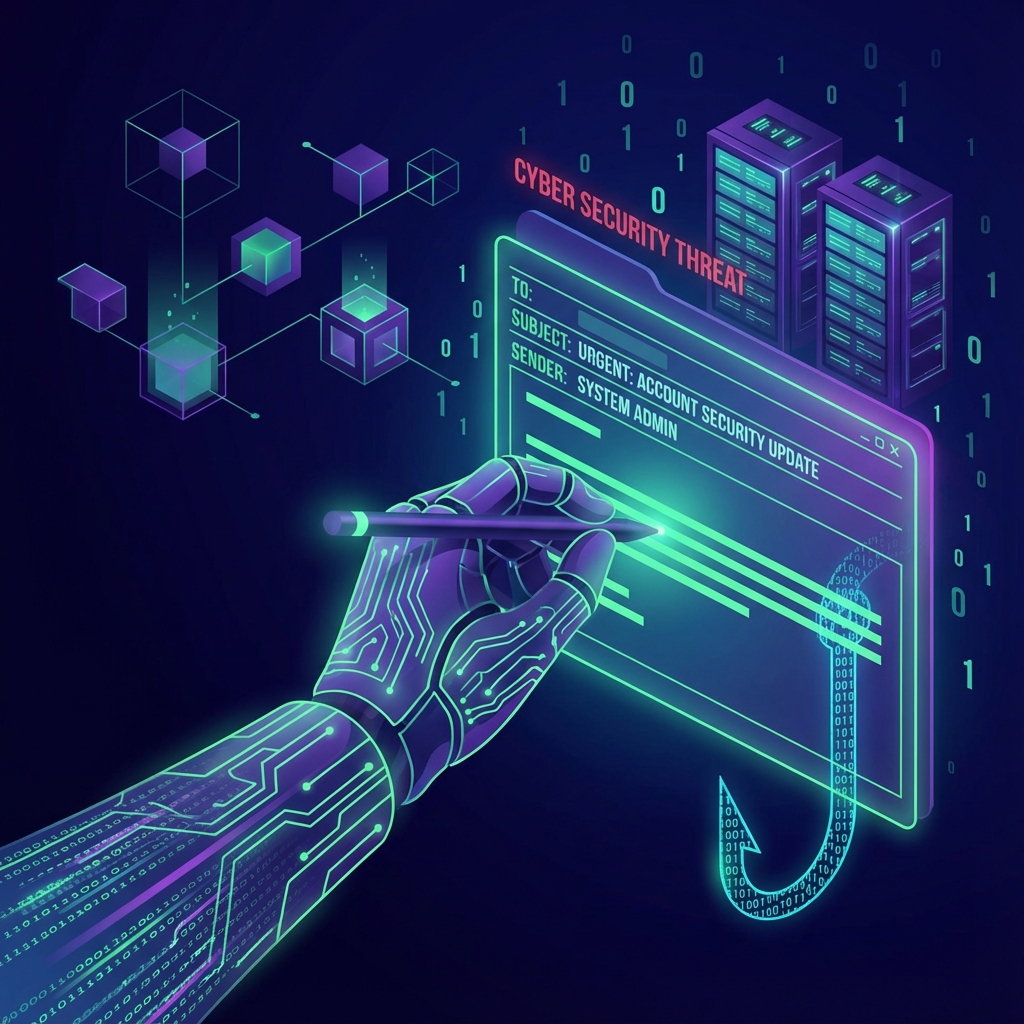
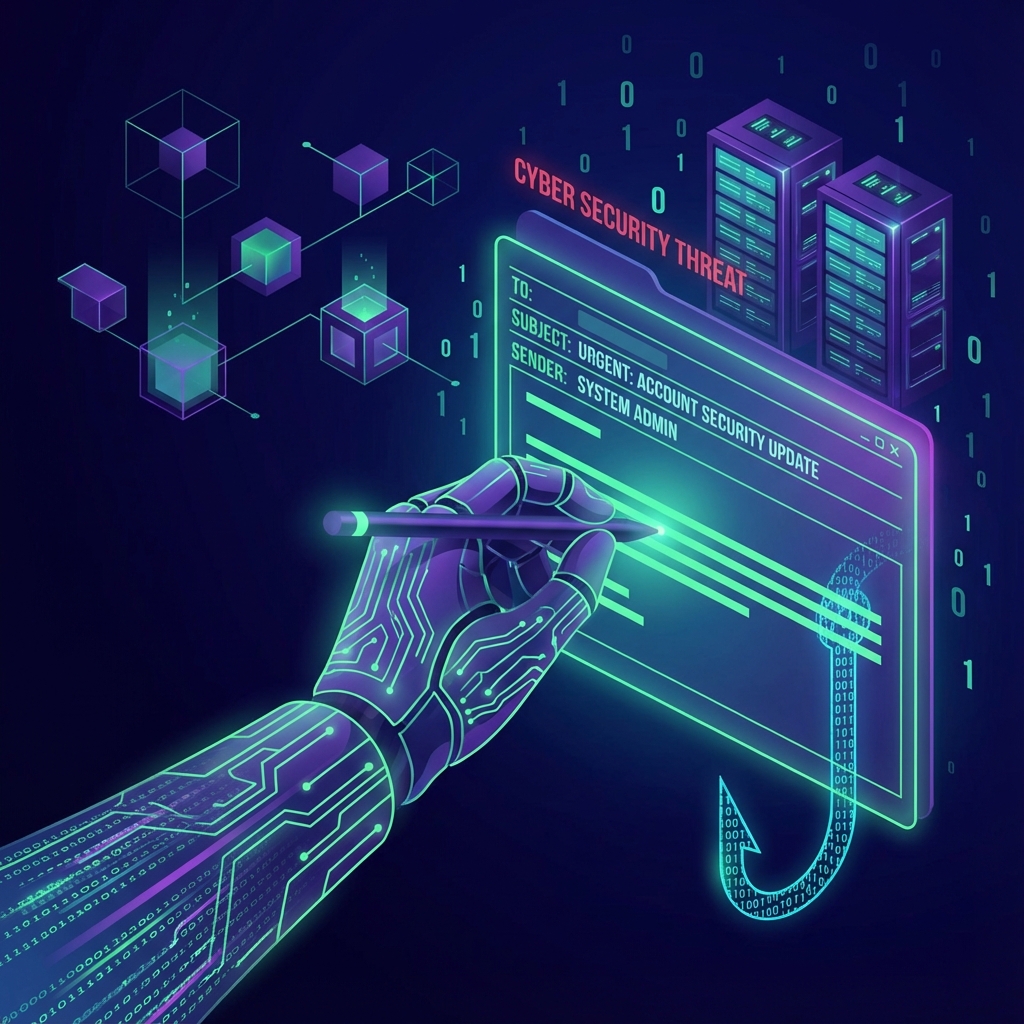
    Phishing has always been a numbers game. Send enough emails, and someone will click. But in 2026, the game has fundamentally changed.

    Gone are the days of poorly written emails from “Nigerian Princes” with obvious grammar errors. Today, cybercriminals are using Generative AI to craft personalized, grammatically perfect, and contextually convincing phishing campaigns at industrial scale โ€” and they are using dark web AI tools purpose-built for cybercrime to do it.

    This guide explains how AI-powered phishing works technically, the specific dark web tools enabling it, what to look for, and what technical controls actually stop it.

    How AI Is Supercharging Phishing

    Perfect Grammar and Tone at Scale

    Traditional phishing emails were easy to spot because they were mass-produced in poorly translated English. Modern LLMs eliminate this tell entirely. AI can:

    • Generate text indistinguishable from a native speaker in any language
    • Mimic corporate communication style, brand voice, and professional jargon
    • Adapt tone (formal, casual, urgent, friendly) based on the target’s apparent seniority
    • Produce thousands of unique email variants per hour to defeat hash-based spam filters

    The “grammar check” red flag โ€” the advice security awareness trainers have given for 20 years โ€” is now completely obsolete.

    Hyper-Personalization: AI Spear Phishing

    Traditional spear phishing required a human analyst to research each target. AI has industrialized this process:

    1. An AI agent scrapes a target’s LinkedIn, Twitter/X, company website, and public filings
    2. It builds a profile: recent projects, colleagues, reporting relationships, company announcements
    3. It generates a phishing email referencing real, recent context

    Old way: “Dear customer, please update your account.”

    AI way: “Hi Sarah โ€” great presentation at the Salesforce World Tour last week. Following up on the Q3 EMEA expansion initiative you mentioned. I’ve prepared an updated budget model for Tuesday’s review. Can you confirm receipt? [malicious link]”

    This level of personalization was previously only feasible for high-value targets (executives, finance personnel). AI has made it viable against every employee.

    Deepfake Voice Cloning (Vishing)

    “Vishing” (voice phishing) has become terrifyingly effective with AI voice cloning. Modern tools require as little as 30 seconds of audio โ€” easily obtained from public LinkedIn video posts, YouTube interviews, earnings calls, or company webinars โ€” to produce a convincing voice clone.

    Attackers use this to:

    • Call employees from a “spoofed” executive number and request urgent wire transfers
    • Impersonate IT support requesting credentials for “emergency maintenance”
    • Fabricate audio “evidence” used in social engineering chains (e.g., “Your manager asked me to contact you directly”)

    Real-Time AI Chat Manipulation

    Malicious chatbots deployed via WhatsApp, Teams, or SMS can engage targets in real-time conversation. These bots:

    • Maintain coherent conversation threads over hours or days, building trust
    • Escalate to credential theft or malicious link delivery only when contextual signals indicate the target is ready
    • Adapt to pushback (“Of course we have verification procedures โ€” here is how to verify me…”)

    The Dark Web AI Ecosystem

    This is what most security awareness training misses: the proliferation of AI tools purpose-built for cybercrime on dark web forums.

    FraudGPT

    First observed in July 2023 on dark web marketplaces, FraudGPT is an AI tool built on uncensored LLMs specifically for fraud:

    • Generates convincing phishing email templates without safety guardrails
    • Creates credential harvesting landing pages that bypass common detection
    • Writes malware code and social engineering scripts
    • Available via subscription: $200/month or $1,700/year
    • No jailbreaking required โ€” it was trained specifically on malicious use cases

    WormGPT

    A competitor to FraudGPT, WormGPT focuses specifically on Business Email Compromise (BEC) attacks:

    • Trained on malware data and cybercrime forums
    • Generates highly convincing BEC emails impersonating executives
    • Produces urgency-optimized language specifically designed to bypass employee skepticism
    • Tested and found to produce “remarkably persuasive and strategically cunning” BEC emails in independent security research

    EvilGPT and GhostGPT

    Subsequent dark web AI tools offering similar capabilities at lower price points have proliferated. The market for purpose-built cybercrime AI is growing faster than law enforcement can take down individual offerings.

    The implication: You are no longer defending against individual hackers learning to write convincing emails. You are defending against industrialized AI phishing factories with professional development cycles, subscription pricing, and customer support.

    High-Stakes Attack Types in 2026

    Business Email Compromise (BEC) with AI

    BEC attacks โ€” impersonating executives to authorize fraudulent wire transfers โ€” cost businesses over $2.9 billion per year (FBI IC3 2023). AI has dramatically lowered the barrier to execute convincing BEC attacks:

    • Generate executive-sounding emails that reference real financial processes
    • Spoof display names and sender domains convincingly
    • Adapt to employees who question the request (“I understand your caution โ€” here is the CFO’s direct line to confirm, but she is in transit and needs this completed before 3pm…”)

    The Virtual Kidnapping Scam

    Using voice cloning, scammers call parents and play a cloned audio clip of their child in apparent distress, claiming to have kidnapped them. The emotional manipulation is designed to force immediate action โ€” calling 911 or a bank โ€” before the target has time to verify. This is a social engineering attack, not a technical exploit, and it requires only seconds of publicly available audio to execute.

    AI-Generated CEO Fraud on Video Calls

    In one confirmed case, a finance employee was tricked into paying $25 million after a video conference call that included deepfake versions of the CFO and multiple colleagues. The employee later reported that “everyone on the call looked real.” Video deepfake quality has improved to the point where single-frame detection is insufficient โ€” real-time detection requires liveness analysis at the physiological level.

    Polymorphic Phishing at Scale

    AI can generate millions of unique phishing email variants โ€” each with slightly different phrasing, subject lines, sender formatting, and link structures โ€” faster than hash-based email security can build block lists. Traditional signature-based detection is now largely ineffective against AI-generated phishing campaigns.

    How to Spot AI-Powered Phishing

    Despite their sophistication, AI-generated attacks have detectable characteristics:

    Verify the Logic, Not Just the Language

    The key shift: stop looking for typos and start evaluating whether the request makes sense. Even a perfectly written email asking the CEO to approve an urgent $50,000 payment via gift card is obviously suspicious โ€” regardless of grammar quality. Train employees to ask:

    • Is this request consistent with how we normally handle this type of matter?
    • Does this channel and urgency pattern match legitimate business communication?
    • Would the real person have contacted me this way?

    Out-of-Band Verification

    For any request involving credentials, financial authorization, or sensitive data:

    • Email request โ†’ verify by calling the person on their known direct number (not a number in the email)
    • Phone call โ†’ hang up and call back on the official company directory number
    • Never use contact information provided within the suspicious communication itself

    AI Hallucination Patterns

    AI sometimes makes up facts. If an email references a project meeting that did not happen, a colleague relationship that does not exist, or a company policy that cannot be verified, that is a significant red flag. Train employees to notice when claimed context does not match reality.

    Safe Words and Challenge Protocols

    For high-risk roles (finance, executive assistants, IT helpdesk), establish pre-shared challenge questions that only the real person would know. A cloned voice or deepfake cannot answer “What did we name our project in the Boston meeting in October?” correctly.

    Technical Controls That Actually Work

    DMARC, DKIM, and SPF (Email Authentication)

    These email authentication protocols prevent the most basic form of email spoofing โ€” sending messages that appear to come from your domain. If not already implemented, these are baseline requirements:

    • SPF: Defines which mail servers are authorized to send email for your domain
    • DKIM: Cryptographically signs outbound email so recipients can verify it has not been tampered with
    • DMARC: Tells receiving servers what to do with unauthenticated email and provides visibility reports on spoofing attempts

    Enforcing DMARC at p=reject is the most impactful single technical control for domain spoofing prevention.

    AI-Powered Email Security

    Legacy email gateways rely on signature matching โ€” ineffective against AI-generated, unique-per-target phishing. Modern solutions use behavioral analysis:

    • Microsoft Defender for Office 365 Plan 2ย /ย Google Workspace Advanced Protection: Use ML to analyze communication patterns and detect anomalies โ€” emails that look like they are from a known contact but exhibit unusual patterns (new IP, unusual attachment, atypical urgency markers)
    • Abnormal Security,ย Proofpoint,ย Tessian: Purpose-built AI email security platforms that model individual communication patterns and flag deviations

    Browser Isolation and Link Safety

    Many phishing attacks deliver their payload via a link rather than an attachment. Browser isolation (Menlo Security, Zscaler Browser Isolation) executes web content in a remote container โ€” even if an employee clicks a malicious link, the payload executes in an isolated environment and cannot reach the endpoint.

    Alternatively, link time-of-click checking (Microsoft Safe Links, Proofpoint URL Defense) re-checks URLs at the moment of click, after any domain aging or redirect has completed.

    Security Awareness Training (Updated for 2026)

    The “look for typos” curriculum is outdated. Modern security awareness training must cover:

    • How AI phishing works and what it looks like
    • Deepfake voice and video โ€” including live demonstrations
    • The out-of-band verification process as a standard procedure, not an exceptional step
    • Specific scenarios for high-risk roles (finance teams receive finance-specific BEC simulations; executives receive executive spear-phishing simulations)

    Platforms like KnowBe4, Proofpoint Security Awareness, and Cofense offer AI-generated phishing simulations that match the sophistication of real attacks.

    Conclusion

    AI has made phishing smarter, more personalized, and more dangerous than at any point in the history of the technique. The traditional defenses โ€” grammar checking, typo spotting, skepticism of urgent requests from unknown senders โ€” are no longer sufficient.

    The effective defense in 2026 is layered: technical controls that prevent the email from reaching employees at all (DMARC, AI email security), behavioral training that teaches employees to verify logic not just language, and organizational processes that require out-of-band confirmation for high-risk actions regardless of how convincing the request appears.

    Worried about your organization’s exposure to AI-powered phishing? Contact Cyberlord for a comprehensive social engineering assessment. We simulate AI-powered phishing, vishing, and deepfake attacks against your team to identify gaps before real attackers do.


    Frequently Asked Questions

    What is FraudGPT and how is it different from ChatGPT? FraudGPT is an uncensored AI tool sold on dark web markets specifically for cybercrime use cases. Unlike ChatGPT, it has no safety filters and was trained on malicious content to excel at writing phishing emails, generating malware, and producing social engineering scripts. It is available by subscription to anyone willing to access dark web markets.

    Does DMARC stop AI phishing? DMARC stops email spoofing โ€” emails that falsely claim to come from your domain. It does not stop lookalike domain attacks (where attackers register companyname-security.com and send from there), compromised legitimate accounts, or AI-generated content delivered from legitimate email infrastructure. DMARC is necessary but not sufficient.

    How often should we run phishing simulations?Best practice is monthly phishing simulations with immediate training for employees who click. This frequency maintains vigilance without becoming predictable. Vary the techniques โ€” include vishing (phone-based) simulations quarterly for finance and executive assistant roles.

  • Is Your Browser Infected? The ShadyPanda Malware Campaign Explained

    A massive malware campaign dubbed “ShadyPanda” has been uncovered, infecting over 4.3 million users across Google Chrome and Microsoft Edge. This sophisticated operation leveraged seemingly legitimate browser extensions to spy on users, hijack searches, and even execute malicious code.

    If you use browser extensions for productivity or customization, your browser might be compromised. Here is everything you need to know about ShadyPanda and how to clean your system.

    The “ShadyPanda” Modus Operandi

    The ShadyPanda campaign is unique because it played the long game. Many of the malicious extensions were published years ago, functioning as legitimate tools to build a user base and gain trust. In mid-2024, the attackers pushed malicious updates to these extensions, weaponizing them overnight.

    Key Malicious Activities

    • Data Exfiltration:ย Collecting browsing history, cookies, and browser fingerprints.
    • Search Hijacking:ย Redirecting user searches through affiliate networks to generate revenue.
    • Remote Code Execution (RCE):ย The most dangerous capability, allowing attackers to run arbitrary commands on the victim’s machine.
    • Session Cookie Theft:ย Stealing authenticated session tokens to access logged-in accounts without knowing the password.
    • Keylogging:ย Recording keystrokes in sensitive input fields, including passwords and credit card numbers.

    How Browser Extensions Can Execute Malicious Code

    To understand why ShadyPanda was so effective, it helps to understand how browser extensions actually work. Extensions run with elevated browser permissions defined at install time. Depending on what the user approves, an extension can:

    • Read and modify all content on every webpage you visit
    • Access your browser history and bookmarks
    • Intercept network requests before they leave your browser
    • Communicate with external servers in the background
    • Inject JavaScript into any page, including banking and email

    The key attack vector ShadyPanda used was a background service worker that persisted even when no browser tab was open, silently exfiltrating data to command-and-control servers hosted on bulletproof hosting in Russia and Eastern Europe.

    The malicious update also exploited Chrome’s chrome.cookies API โ€” a permission many extensions legitimately request โ€” to read all stored cookies, including session tokens that allowed attackers to bypass multi-factor authentication on popular platforms.

    List of Known Malicious Extensions

    Security researchers have identified dozens of extensions linked to this campaign. The most prominent include:

    1. Clean Masterย (Chrome): Masquerading as a cache cleaner, this extension had over 300,000 installs and was even “Verified” by Google before being weaponized.
    2. WeTabย (Edge): A “new tab” customization tool with over 3 million installs that acted as spyware.
    3. Infinity V+: A productivity extension used for search hijacking and keylogging.
    4. Extensions by “Zhang” and “nuggetsno15”:A collection of over 140 wallpaper and utility extensions used for affiliate fraud.
    5. PDF Merge and Edit tools: A cluster of document productivity tools used to capture uploaded document content.
    6. VPN extensions with “free” tier: Several free VPN browser extensions were found routing traffic through attacker-controlled proxies, enabling full man-in-the-middle inspection of HTTP traffic.

    If you have any of the above extensions installed, or if you have noticed unusual browser behavior, treat the situation as a confirmed compromise.

    Technical Indicators of Compromise (IOCs)

    Security analysts can look for the following indicators:

    • Network traffic toย unusualย .xyz,ย .top, orย .icuย domains from browser processes
    • Registry entriesย underย HKEY_LOCAL_MACHINE\SOFTWARE\Google\Chrome\Extensionsfor extensions not explicitly installed
    • Unusual background processes:ย chrome.exeย orย msedge.exeย with high CPU when the browser is closed or idle
    • File writesย toย %AppData%\Local\Google\Chrome\User Data\Default\Extensions\ย from unexpected processes

    For enterprise environments, these IOCs can be fed into SIEM rules to detect lateral spread across employee machines.

    How to Check and Remove the Malware

    Step 1: Audit Your Extensions

    • Chrome:ย Go toย chrome://extensions
    • Edge:ย Go toย edge://extensions
    • Remove any extension you do not recognize or that matches the names above. If you did not deliberately install it, remove it.

    Step 2: Reset Your Browser

    Malware often changes deep settings that uninstalling an extension will not fix.

    • Chrome:ย Go toย Settings > Reset settings > Restore settings to their original defaults
    • Edge:ย Go toย Settings > Reset settings

    Note that resetting your browser will clear saved passwords, autofill data, and custom settings. Export any saved passwords to a password manager first.

    Step 3: Clear All Browsing Data

    Clear cookies, cache, and site data. This removes tracking scripts and invalidates stolen session cookies so they cannot be used for further access.

    Step 4: Change Passwords for Critical Accounts

    Since ShadyPanda could harvest session cookies and keystrokes, assume any account you were logged into during the infection period is compromised. Prioritize:

    • Email accounts (these allow password reset for everything else)
    • Banking and financial services
    • Social media
    • Any SaaS tools you use for work

    Change passwords after cleaning the browser, not before โ€” changing them on an infected browser is counterproductive.

    Step 5: Enable Multi-Factor Authentication

    Where you have not already done so, enable app-based MFA (Google Authenticator, Microsoft Authenticator, or a hardware key). This ensures that even if session cookies were stolen, attackers cannot maintain persistent access after you terminate their sessions.

    Step 6: Run a Full Endpoint Scan

    ShadyPanda’s RCE capability means some variants may have dropped secondary payloads outside the browser. Run a full scan with Malwarebytes, Microsoft Defender, or your corporate EDR solution to check for persistence mechanisms at the OS level.

    Preventing Future Extension-Based Malware

    For Individuals

    • Apply the “minimum necessary” rule: Only install extensions you use daily. Remove everything else.
    • Check the developer identity: A legitimate extension has a real company name, aย privacy policy, and a website. Anonymous publishers are a red flag.
    • Review permission requests carefully: An extension that claims to “block ads” but requests “read and change all your data on all websites” is requesting far more than it needs.
    • Watch for update changes: If an extension suddenly requests new permissions after an update, that is a warning sign. Chrome will show a notification when this happens โ€” do not dismiss it without reading it.

    For Organizations

    • Use Chrome Enterprise policies or Microsoft Intuneย to whitelist approved extensions and block unapproved ones across all managed devices.
    • Monitor extension telemetryย in your EDR or SIEM for new extensions appearing on employee machines outside your approved list.
    • Conduct periodic extension audits: Quarterly reviews of installed extensions on employee machines can catch compromised tools before they cause damage.
    • Deploy CASB solutionsย that can inspect browser traffic and alert on data exfiltration patterns consistent with extension-based malware.

    Conclusion

    ShadyPanda demonstrates that browser extensions are one of the most underestimated attack surfaces in modern cybersecurity. Unlike traditional malware, extensions are explicitly trusted by the browser, live inside your security perimeter, and operate with permissions you granted voluntarily.

    The attack’s success โ€” 4.3 million infections across two major browsers โ€” came from exploiting long-established trust rather than a zero-day vulnerability. The defense is straightforward but requires discipline: reduce your extension footprint, verify publisher identity, and treat unusual browser behavior as a security incident until proven otherwise.

    If you suspect your organization’s devices have been compromised, contact Cyberlord Secure Services for a comprehensive endpoint security assessment and forensic analysis.


    Frequently Asked Questions

    How do I know if my browser was infected by ShadyPanda? Check your installed extensions against the known malicious list, review your browser for unusual behavior (search redirects, unexpected pop-ups), and run a malware scan. If you had any of the named extensions installed between mid-2024 and early 2026, treat your browser session credentials as compromised.

    Can ShadyPanda infect Firefox or Safari? The confirmed campaign targeted Chrome and Edge. Firefox uses a different extension architecture (WebExtensions with stricter permission enforcement), and Safari’s App Store extension model makes this specific attack vector harder to execute. However, all browsers are susceptible to malicious extension campaigns in principle.

    Does removing the extension remove the malware completely? For most users, yes โ€” combined with a browser reset and password changes. For the subset of infections where the RCE capability was used to drop secondary payloads at the OS level, a full endpoint scan is required to confirm complete removal.

  • Fake Hacker Prank Software: Safe Tools, Screens & Scam Warnings

    Want a fake hacking screen for a harmless joke, video, stream, or classroom demo? Use a browser-based simulator, keep it visual only, and never ask anyone for passwords, device access, money, or personal data.

    This guide compares the safest fake hacker prank software, hacker typer screens, and fake hacking websites. It also shows where the joke crosses the line into intimidation, malware, or tech-support scam behavior.

    Quick Answer: Best Fake Hacker Prank Tools

    For a safe prank, use tools that run in the browser and only display fake code. HackerPrank.online is best for interactive dashboards, Hacker Typer is best for a simple fake terminal, and GeekTyper is best for themed movie-style hacking screens. Avoid downloadable “hacking prank” apps unless you fully trust the source.

    ToolBest forSafe use note
    HackerPrank.onlineFullscreen fake hacker dashboardVisual simulation only
    Hacker TyperFast fake coding screenNo download needed
    GeekTyperMovie-style themed screensKeep it as entertainment
    CMD color trickOffline local prankDoes not hack anything

    What is a Fake Hacker Prank?

    A fake hacker prank involves using specialized websites or software that simulate a complex hacking environment. These tools are designed to look intimidating and technical to the untrained eye, often featuring:

    • Scrolling Terminal Code:ย meaningless but impressive-looking command lines.
    • Pop-up Windows:ย “Downloading Data,” “Breaching Firewall,” or “Tracing IP.”
    • World Maps:ย Visualizing fake server connections.

    The goal is simple: to trick your friends, family, or colleagues into thinking you are a cybersecurity genius (or a dangerous cybercriminal) for a few laughs.

    Top Fake Hacker Software & Tools

    If you want to stage a prank, here are the most popular tools used by “fake hackers”:

    1. HackerPrank.online (SimDeck)

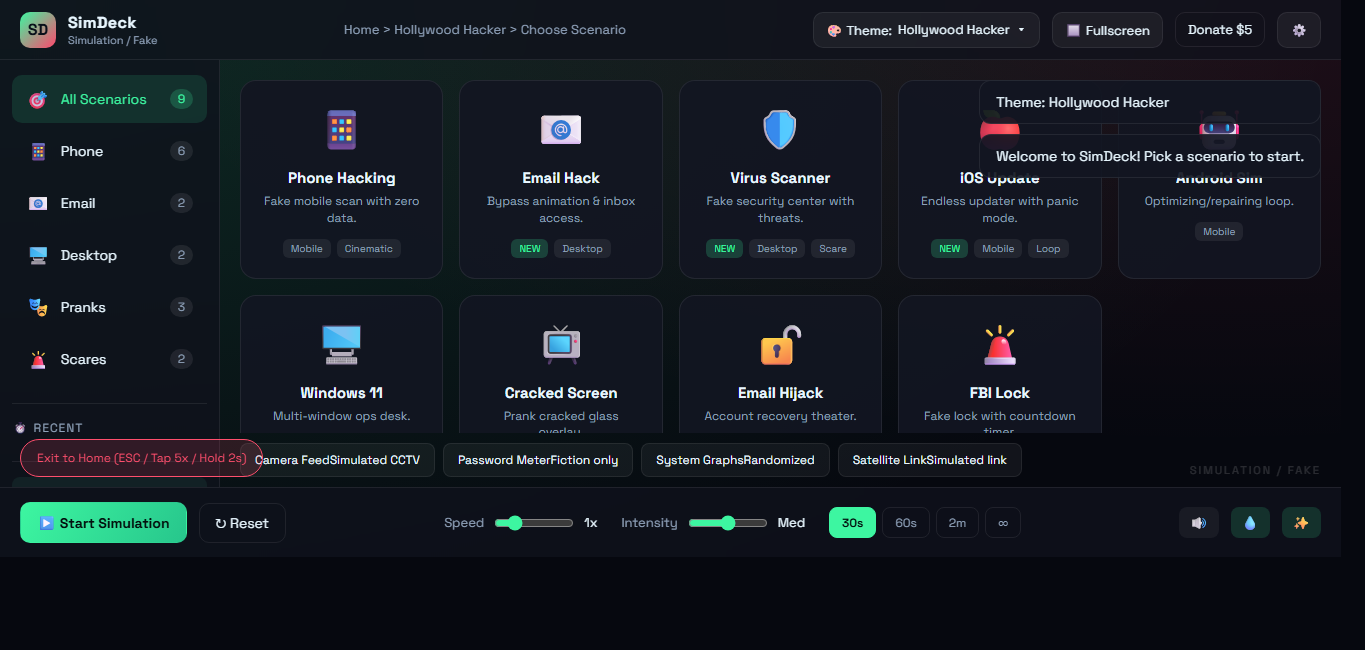
    HackerPrank.online (SimDeck) gives you a full fake “hacker dashboard” with multiple scenarios, animated panels, and fullscreen mode. It’s a great pick when you want something more interactive than a simple typer effect.

    Open it here: hackerprank.online.

    SimDeck fake hacking scenarios on HackerPrank.online

    2. Hacker Typer

    Hacker Typer is the classic choice. It provides a blank black screen. As soon as you start mashing keys on your keyboard – it doesn’t matter what you type – the screen fills with realistic-looking C++ code. It’s the perfect tool to open on your laptop in a coffee shop if you want to look busy and mysterious.

    Try it here: hackertyper.net.

    3. GeekTyper

    GeekTyper takes it a step further by offering different themes. Want a generic “Biohazard” interface? A “SHIELD” style dashboard? Or a classic “Matrix” rain? GeekTyper has it all. It also includes interactive folders and pop-ups you can click to simulate executing scripts or stealing files.

    4. Prank Extensions & CMD Tricks

    For a more manual approach, you can use the Windows Command Prompt (CMD).

    • Open CMD.
    • Typeย color aย to turn the text green.
    • Typeย dir /sย and hit enter.
    • Watch as your file system directories scroll by rapidly. It looks surprisingly technical to someone who doesn’t know better!

    How to Pull Off the Perfect Hacker Prank

    Ready to fool your friends? Follow these steps:

    1. Set the Scene:ย Dim the lights and put on a hoodie. Aesthetics matter!
    2. Full Screen Mode:ย Openย HackerPrank.online,ย GeekTyper, orย Hacker Typerย and pressย F11to go full screen. This hides your browser tabs and taskbar, making the interface look like a real operating system.
    3. The “Crisis”:ย Wait for your target to walk in. Act intense. Mutters things like, “I’m almost in…” or “Bypassing the mainframe proxy…”
    4. The Climax:ย Hit a key that triggers an “ACCESS GRANTED” or “SYSTEM BREACH” popup.
    5. The Reveal:ย Reveal the prank before they call the police!

    The Dark Side: How Are Fake Hackers Using the Software?

    While these tools are fun for pranks, there is a sinister side to “fake hacking.” Scammers and cybercriminals often use similar psychological tactics and software interfaces to intimidate victims. This is a critical aspect of understanding modern social engineering.

    1. Tech Support Scams

    This is the most common malicious use of fake hacker tactics.

    • The Setup:ย A victim visits a website and encounters a “scareware” pop-up.
    • The Fake Alert:ย The screen might lock up (using a simple full-screen script) and display a message like:ย “YOUR COMPUTER IS INFECTED. HACKERS ARE STEALING YOUR DATA. CALL MICROSOFT SUPPORT IMMEDIATELY.”
    • The Illusion:ย These pop-ups often use the same visual tricks as prank sites – scrolling code, flashing red warnings, and audio alerts – to create panic.
    • The Scam:ย When the victim calls the number, the “fake hacker” (the scammer) asks for remote access to “fix” the problem, eventually stealing money or installing real malware.

    2. Fake Ransomware

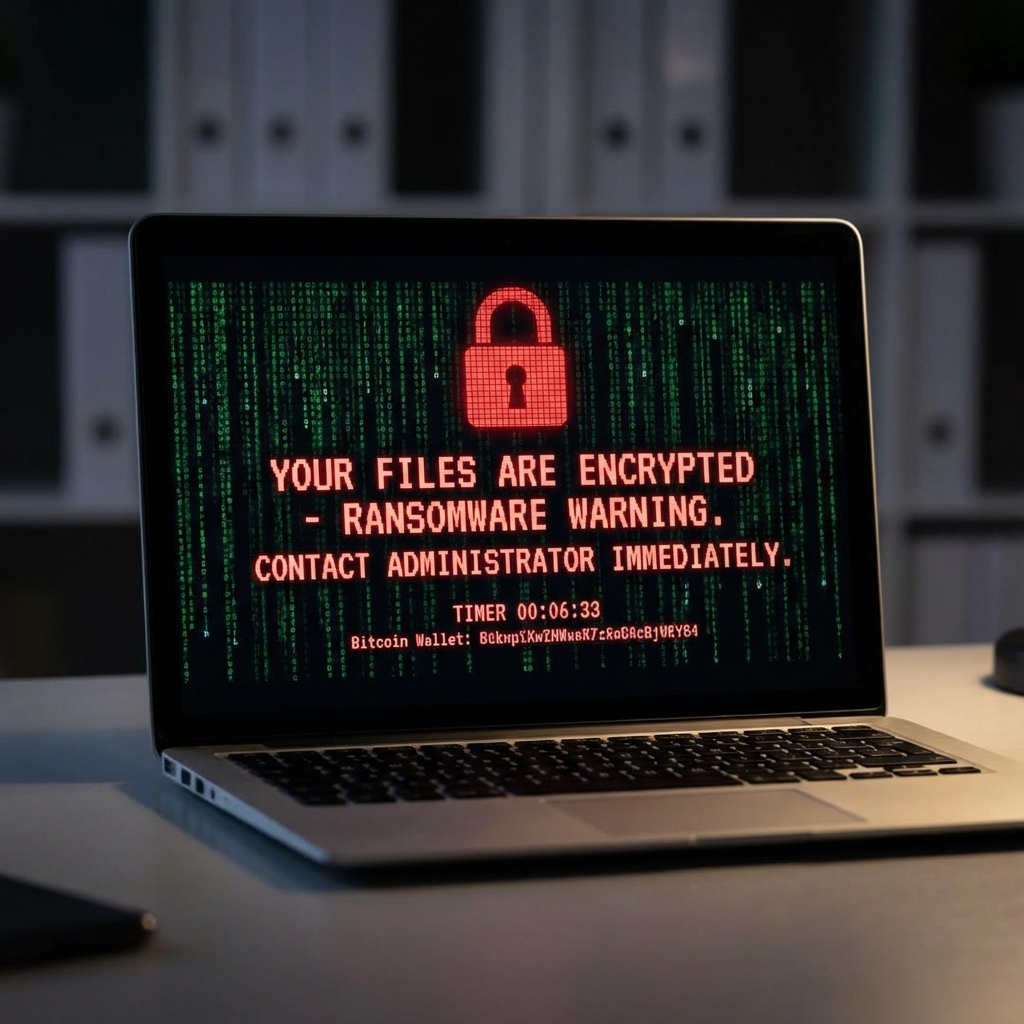
    Some malware doesn’t actually encrypt your files but merely pretends to. These “screen lockers” display a threatening note demanding Bitcoin, mimicking the interface of notorious ransomwaregroups. The victim believes they have been hacked, even if their data is safe behind the scary window.

    3. “Recovery” Scams

    After a real hack, victims might seek help. Scammers pose as “ethical hackers” who can recover lost crypto or hacked accounts. They might send screenshots of fake software interfaces showing “recovered funds” or “password decryption in progress” to convince the victim to pay a service fee. These interfaces are functionally identical to the prank tools mentioned above – pure visual nonsense designed to build false trust.

    Conclusion

    Fake hacker software is a double-edged sword. On one hand, tools like HackerPrank.online and Hacker Typer provide harmless entertainment and a way to live out our cyberpunk fantasies. On the other, the tactics of visual deception are a core component of online fraud.

    By understanding how these tools work, you can pull off a great prank and better protect yourself. If you ever see a scary “You Have Been Hacked” pop-up in your browser, remember: it’s likely just a web page trying to scare you, much like a prankster’s screen. Close the tab, take a breath, and stay safe.

    FAQ

    Q: Is using Hacker Typer illegal? A: No, using sites like Hacker Typer or GeekTyper is completely legal. They are just simulators. However, using them to intimidate someone into giving you money would be illegal.

    Q: Can fake hacker software actually hack anything? A: No. These tools are purely visual. They cannot access networks, crack passwords, or steal data.

    Q: What should I do if I see a “Computer Infected” pop-up? A: Do not call the number on the screen. It is a scam. Press Ctrl + Alt + Delete to open Task Manager and end your browser task, or simply restart your computer.

    fake hacker prank software guide overview

    Key decisions, risks, and implementation actions for fake hacker prank software guide.

  • Benzona Ransomware Analysis: IOCs, Decryption Possibilities, and Defense Strategies

    In November 2025, a sophisticated new ransomware strain known as Benzona emerged, quickly making a name for itself by targeting organizations across Europe, Asia, and West Africa. Operating on a Ransomware-as-a-Service (RaaS) model, Benzona employs aggressive double-extortion tactics, threatening to leak sensitive data if its demands are not met.

    This technical analysis breaks down the Benzona attack chain, Indicators of Compromise (IOCs), MITRE ATT&CK mappings, and actionable defense strategies for security professionals.

    The Benzona Attack Chain

    Benzona follows a structured attack lifecycle designed to maximize impact and hinder recovery.

    1. Initial Access and Execution

    Attackers typically gain entry through phishing campaigns, compromised credentials, or exploiting unpatched vulnerabilities in public-facing applications. In confirmed cases, Benzona operators leveraged:

    • Phishing with credential harvestingย targeting VPN and Remote Desktop Protocol (RDP) portals
    • Exploitation of known CVEsย in internet-facing services, particularly older VPN appliances and unpatched Exchange servers
    • Purchased initial accessย from access brokers operating in dark web forums โ€” a hallmark of the RaaS model

    Once inside, the ransomware utilizes:

    • Process Injection (T1055):ย Injecting malicious code into legitimate processes (svchost.exe,ย explorer.exe) to evade detection.
    • Scripting Interpreters (T1059):ย Leveraging PowerShell and Windows Management Instrumentation (WMI) to execute commands and disable security controls.

    2. Reconnaissance and Lateral Movement

    After establishing an initial foothold, Benzona operators spend 3โ€“14 days performing internal reconnaissance before detonating the ransomware. This dwell time is used to:

    • Map the Active Directory structure usingย BloodHoundย andย SharpHoundย to identify high-value targets
    • Identify and locate backup infrastructure (specifically to destroy it before encryption)
    • Move laterally using stolen credentials,ย PsExec, and WMI remote execution
    • Escalate privileges to domain administrator using techniques likeย Kerberoastingย andย Pass-the-Hash

    3. Evasion and Persistence

    To maintain access and avoid antivirus detection, Benzona:

    • Disables Recovery:ย Executesย vssadmin.exe Delete Shadows /All /Quietย to destroy Volume Shadow Copies and remove Windows Restore points.
    • Terminates Security Processes:ย Kills AV/EDR software and virtualization processes to prevent analysis and ensure files are not locked during encryption.
    • Modifies Registry:ย Altersย HKEY_LOCAL_MACHINE\SOFTWARE\Microsoft\Windows NT\CurrentVersion\Winlogonย and run keys to ensure persistence across reboots.
    • Disables Windows Defender:ย Uses PowerShellย Set-MpPreference -DisableRealtimeMonitoring $trueย and removes Windows Defender definitions.

    4. Encryption and Exfiltration (Double Extortion)

    Benzona uses a hybrid encryption scheme combining RSA-4096 (for key exchange) and AES-256 (for file encryption) โ€” a common RaaS implementation that makes decryption without the attacker’s private key computationally infeasible.

    • File Extension:ย Encrypted files are appended with theย .benzonaย extension (e.g.,ย financial_report.pdf.benzona).
    • Data Theft:ย Before encryption, the malware exfiltrates sensitive data to a command-and-control (C2) server using HTTPS to blend with legitimate traffic. This stolen data is the leverage for the second stage of extortion.
    • Targeted File Types:ย .doc,ย .docx,ย .xls,ย .xlsx,ย .pdf,ย .sql,ย .mdf,ย .mdb,ย .bak,ย .vhd,ย .vmdk,ย .edbย โ€” prioritizing documents, databases, and backup files.

    5. The Ransom Note

    After encryption is complete, a ransom note titled RECOVERY_INFO.txt is dropped in affected directories. The note contains:

    • A warning that files are encrypted and data has been stolen
    • A threat to publish the data if the ransom is not paid withinย 72 hours
    • Instructions to download the Tor Browser and visit a specificย .onionย chat portal for negotiation
    • A unique victim ID required to authenticate negotiations

    Observed ransom demands ranged from $50,000 to $2.5 million in Monero (XMR) or Bitcoin (BTC), varying by organization size and industry.

    MITRE ATT&CK Framework Mapping

    TacticTechniqueID
    Initial AccessPhishingT1566
    ExecutionCommand and Scripting Interpreter: PowerShellT1059.001
    PersistenceRegistry Run Keys / Startup FolderT1547.001
    Privilege EscalationValid Accounts: Domain AccountsT1078.002
    Defense EvasionProcess InjectionT1055
    Defense EvasionImpair Defenses: Disable or Modify ToolsT1562.001
    Credential AccessOS Credential Dumping: LSASS MemoryT1003.001
    Lateral MovementRemote Services: SMB/Windows Admin SharesT1021.002
    ExfiltrationExfiltration Over C2 ChannelT1041
    ImpactData Encrypted for ImpactT1486
    ImpactInhibit System RecoveryT1490

    Indicators of Compromise (IOCs)

    Security teams should scan for the following indicators to detect Benzona activity.

    File Indicators

    • Extension:ย .benzona
    • Ransom Note:ย RECOVERY_INFO.txt
    • Dropped Executables:ย Random 8-character alphanumeric filenames inย %TEMP%ย andย C:\Windows\Temp

    Network Indicators

    • Tor Chat Portal:http://rwsu75mtgj5oiz3alkfpnxnopcbiqed6wllyoffpuruuu6my6imjzuqd.onion/
    • Leak Site:http://benzona6x5ggng3hx52h4mak5sgx5vukrdlrrd3of54g2uppqog2joyd.onion
    • C2 Infrastructure:ย Connections over HTTPS toย .icu,ย .top, and newly registeredย .comdomains on non-standard ports

    File Hashes (SHA-256)

    • 09f7432834ce15e701aa7fcc84a9c2441c1c7e0a9cb66a6211845be73d2597cc
    • 1c895eeb1d6ab9e5268759558c765b93f4c183557cb2c457857b91532ac61982

    Registry Artifacts

    • HKLM\SOFTWARE\Microsoft\Windows NT\CurrentVersion\Winlogon\Userinitย โ€” modified to include ransomware loader path
    • Deletion ofย HKLM\SYSTEM\CurrentControlSet\Control\BackupRestore\FilesNotToBackup

    Decryption Possibilities

    There is currently no free public decryptoravailable for Benzona ransomware. The RSA-4096 / AES-256 hybrid encryption scheme has not been cryptographically broken.

    However, organizations should consider:

    1. Check NoMoreRansom.org: The No More Ransom project aggregates free decryptors from law enforcement. If Benzona’s infrastructure is seized in a future operation, decryption keys may become available.
    2. Preserve encrypted files: Even if you restore from backup, keep encrypted copies. If a decryptor is released in the future, you may be able to recover additionally affected files.
    3. Engage a professionalย incident responsefirm: In some cases, IR teams have recovered keys from memory forensics on systems that were not fully shut down during the encryption process.

    Defense and Mitigation Strategies

    Before an Attack

    1. Immutable Backups:ย Ensure offline, air-gapped, or immutable cloud backups (AWS S3 Object Lock, Azure Immutable Blob Storage). Benzona specifically targets and deletes online backups and shadow copies.
    2. Patch Management:ย Prioritize patching internet-facing systems, particularly VPN appliances, Exchange, and RDP-exposed systems โ€” Benzona’s preferred initial access vectors.
    3. Network Segmentation:ย Limit lateral movement with microsegmentation. Domain controllers, backup servers, and critical infrastructure should not be reachable from general workstation networks.
    4. Privileged Access Management (PAM):Enforce just-in-time privilege elevation and limit who holds domain admin rights. Benzona’s damage is proportional to the privileges it gains.
    5. Endpoint Detection and Response (EDR):Deploy EDR solutions configured to block process injection (T1055), mass file modifications, and Volume Shadow Copy deletion.
    6. Multi-Factor Authentication:ย Enforce MFA on all VPN access, RDP access, and privileged accounts. This eliminates credential-based initial access.

    During an Attack (First Hour)

    1. Isolate infected systemsย from the network immediately โ€” do not shut them down if forensic analysis is needed.
    2. Preserve memoryย on running systems for forensic analysis (potential key recovery).
    3. Alert your incident response teamย before attempting remediation.
    4. Do not pay immediatelyย โ€” payment does not guarantee recovery and funds further attacks.

    Conclusion

    Benzona represents the continued evolution of RaaS threats. Its use of double extortion, extended dwell time, and systematic backup destruction makes it a formidable adversary. Organizations must move from a reactive stance to a proactive “assume breach” mentality, focusing on resilience and rapid recovery.

    If you have been hit by Benzona, do not pay the ransom immediately. Contact Cyberlord Secure Services for professional incident response. Our team can assess your options, attempt key recovery from forensic artifacts, and guide your recovery process.


    Frequently Asked Questions

    Can I recover files encrypted by Benzona without paying? Currently, no public decryptor exists. Recovery depends on the quality of your pre-attack backups. If you had immutable or offline backups, full recovery without paying is feasible. Check NoMoreRansom.org regularly โ€” decryptors are released when ransomware infrastructure is seized.

    How long does Benzona dwell in a network before encrypting? Confirmed cases show dwell times of 3โ€“14 days. This pre-encryption period is used for reconnaissance, lateral movement, privilege escalation, and backup destruction.

    Should I pay the ransom? Law enforcement agencies (FBI, CISA, NCSC) universally advise against paying. Payment funds criminal operations, does not guarantee decryption, and marks you as a “paying target” for future attacks. Engage a professional IR firm to assess all recovery options first.

  • Sextortion Defense Removal 2026: Stop the Blackmail Now

    Your heart stops. A message pops up on your screen. It includes a private, intimate photo of you, followed by a list of your Facebook friends, your boss, and your family members. Then comes the demand: “Pay $5,000 or I send this to everyone.”

    This is sextortion. In 2026, it is the fastest-growing cybercrime in the world, targeting everyone from teenagers to CEOs. The panic is overwhelming. The shame is paralyzing. Your instinct is to pay, to hide, to make it go away.

    Do not pay.

    I have managed crisis response for hundreds of extortion victims. I can tell you with absolute certainty: paying does not stop them. It only funds their next attack against you. The only way out is through aggressive sextortion defense removal.

    This guide is your emergency handbook. It strips away the fear and gives you the tactical, legal, and technical steps to stop the blackmailer, remove the content, and reclaim your life.

    The Anatomy of a 2026 Sextortion Attack

    To defeat the enemy, you must understand them. Sextortion has evolved from lone wolves to organized crime syndicates operating out of call centers in West Africa and Southeast Asia.

    The “Sizzle Reel” Tactic

    Modern scammers don’t just send text. They create a “collage” or video showing your intimate photo next to your LinkedIn profile and your spouse’s Instagram. This is psychological warfare designed to induce maximum terror in seconds.

    The “Botnet” Pressure

    They use bots to message you from multiple accounts simultaneously. It feels like the whole world is watching. It isn’t. It is usually one person with a script.

    The “Double Dip”

    If you pay once, they move you to a “High Value Target” list. They will sell your file to other gangs, who will then blackmail you again with the same photos.

    Phase 1: Immediate Containment (The “Stop the Bleeding” Phase)

    If you are currently under attack, take these steps immediately. Do not wait.

    1. Lock Down Your Socials:ย Do not delete your accounts (we need evidence), but changeย everythingย to maximum privacy.
      • Facebook: “Friends Only” or “Only Me”.
      • Instagram: Private.
      • LinkedIn: Hibernate temporarily.
      • Why?ย The scammer needs a list of victims (your friends) to threaten you. If they can’t see your friends list, their leverage enters a freefall.
    2. Silence, Do Not Block:ย Do not block the scammer yet. Mute them. We need them to keep sending messages so we can capture IP addresses and payment wallets. Butย do not respond.
      • Rule:ย Every response (“Please don’t”, “I don’t have money”) validates that their pressure is working. Silence terrifies them because they don’t know if you are calling the police.
    3. Document Everything:ย Screenshot every threat, every photo, every username, and crucially, every Bitcoin/Crypto wallet address they send.

    Phase 2: Active Defense & Removal Strategies

    How do we actually stop them? We use a combination of Digital Forensics and Legal Engineering.

    1. The “Honeytrap” Trace

    We deploy specialized tracking links disguised as payment receipts or “pleas for time.” When the scammer clicks, we harvest their:

    • Precise GPS Location
    • Device ID (IMEI/MAC Address)
    • ISP Provider

    This data destroys their anonymity. We use it to file police reports in their local jurisdiction (we work with Interpol liaisons) and to serve legal notices to their ISP to kill their internet connection.

    2. The DMCA & NCMII Takedown

    If they post your content, we launch a scorched-earth removal campaign.

    • Google De-indexing:ย We use emergency protocols to scrub the images from search results.
    • StopNCII.org:ย We hash your photos and upload the digital “fingerprint” to a global database used by Facebook, Instagram, and TikTok. This proactively blocks the upload of your images across these platforms. Even if the scammer tries to post them, the algorithms auto-delete them in milliseconds.

    3. The “Cease & Desist” Drop

    Scammers are cowards. They prey on the weak. When they receive a formal legal notice detailing their real name, location, and the specific laws they are violating (along with a draft police report), 90% vanish immediately. They do not want to fight a hard target.

    ๐Ÿ›ก๏ธ End the Nightmare Today

    You don’t have to face this alone. Our Crisis Response Team acts as your shield, dealing with the blackmailer so you don’t have to.Start Sextortion Defense ($1,500)

    Why “Hacking Back” is a Hollywood Myth

    You will find websites promising to “hack the scammer’s phone and delete the photos.” These are scams.

    • Impossible Tech:ย You cannot remotely wipe a phone in Nigeria from a laptop in New York without military-grade exploits (which cost millions).
    • The Cloud Problem:ย Even if you wiped their phone, the photos are in their iCloud/Google Photos or sent to their accomplices.

    Sextortion defense removal is not about “hacking back.” It is about removing the leverage. When we block the distribution channels (social media) and expose the scammer’s identity, the photos become worthless to them. They delete them to hide evidence, not because we hacked them.

    Psychological Defense: You Are Not Guilty

    The most powerful weapon the sextortionist has is shame. They want you to feel dirty, stupid, and isolated.

    Here is the truth: engaging in consensual private intimacy is not a crime. Trusting someone is not a crime. Extortion is the crime.

    You are the victim of a violent digital assault. Treat yourself with compassion. The people in your lifeโ€”your real friends and familyโ€”will care more about your safety than a nude photo. The scammer’s threat relies on you believing your reputation is fragile. It isn’t.

    Conclusion: Take Back Control

    The moment you hire a professional defense team, the power dynamic shifts. You are no longer a helpless victim; you are a protected client.

    In 2026, sextortion is a solvable crisis. It feels like the end of the world, but with the right strategy, it is a temporary nightmare that you will wake up from.

    Do not pay. Do not hide. Fight back.

    Contact Cyberlord Crisis Team Now


    Frequently Asked Questions (FAQs)

    1. Will the blackmailer really send the photos?

    Statistically, in about 80% of cases, if you do not pay and cut off contact, they do not send the photos. Sending the photos destroys their leverage (they can no longer threaten you) and exposes them to faster bans. However, if you pay, they are morelikely to eventually leak them just to pressure you for “one last payment.”

    2. Can the police help with sextortion?

    Yes, but local police are often unequipped for international cybercrime. You should absolutely file a report for legal documentation, but do not expect them to raid a call center in another continent. Professional private intelligence firms (like Cyberlord) bridge this gap by gathering the actionable digital evidence that law enforcement needs to act.

    3. How long does the process take?

    Securing your accounts and stopping the immediate harassment typically takes 24-48 hours. Full removal of any leaked content and ensuring the scammer has moved on can take 1-2 weeks of monitoring. The goal is to make you such a difficult, dangerous target that they scrub your data and move to an easier victim.

    sextortion defense removal 2026 guide overview

    Key decisions, risks, and implementation actions for sextortion defense removal 2026 guide.

  • Remove Negative Google Reviews & Repair Online Reputation (2025 Guide)

    One bad Google review is not always a crisis. A fake review campaign, a doxxing attempt inside a review, or a page-one search result built around repeated false claims can be.

    That is the point where reputation management stops being a customer-service task and becomes a trust and evidence problem.

    This guide explains what Google can remove, what it usually refuses to remove, and what to do when the harmful content is still visible after the first report.


    What Google Will Remove and What It Usually Will Not

    Google does not remove reviews just because they are harsh, emotional, or commercially damaging. It does remove reviews that violate platform policy.

    That distinction matters because many businesses waste time arguing about fairness when they should be collecting evidence for an actual policy violation.

    Reviews Google may remove

    These are the most common valid categories:

    • Spam or fake engagement
    • Conflict of interestย such as current employees, former staff, or competitors
    • Harassment or threats
    • Impersonation
    • Irrelevant contentย that is clearly unrelated to the place or service
    • Personal informationย such as phone numbers, addresses, or sensitive identifying details

    Reviews Google may leave up

    These are harder to remove:

    • a real customer saying they had a bad experience
    • an opinion you believe is exaggerated but cannot disprove
    • criticism that hurts conversions but does not break policy

    If the review is negative but legitimate under policy, the strategy shifts from removal to response and suppression.


    Step 1: Preserve Evidence Before You Report

    Do this before the reviewer edits or deletes anything.

    Capture:

    • full screenshots of the review
    • the reviewer profile page
    • dates and timestamps
    • any pattern showing multiple fake reviews appearing together
    • evidence that the reviewer was never a real customer

    If the review contains personal information, threats, or coordinated attack signals, save everything in a structured folder. If legal escalation becomes necessary later, this evidence matters.


    Step 2: Report the Review the Right Way

    Use Google Maps or your Business Profile dashboard and report the review under the most accurate policy category.

    Choose the closest real reason, not the most emotional one.

    For example:

    • if the reviewer is obviously a competitor, report it asย conflict of interest
    • if the content includes hate or threats, report it asย harassment
    • if the account posted many unrelated reviews in a short window, report it asย spam

    Bad reporting slows outcomes. Precise reporting improves them.


    Step 3: Build the Proof Google Actually Responds To

    If the first flag does not work, the second round needs more evidence.

    Useful proof includes:

    • no customer record matching the review
    • several reviews posted in a suspicious burst
    • repeated wording across multiple accounts
    • reviews attached to the wrong location or service
    • evidence that the account belongs to a competitor, vendor, or disgruntled employee

    The goal is to move from “this feels fake” to “this breaks policy for a documented reason.”


    Common Reputation Attack Scenarios

    Fake-review swarm

    A business suddenly receives many one-star reviews in a short time window, often with generic wording and no service details.

    Best response:

    • preserve all evidence
    • map the timing and account patterns
    • file policy reports consistently
    • continue collecting authentic reviews from real customers

    Doxxing review

    A reviewer posts a home address, private number, or personal family information.

    Best response:

    • capture evidence immediately
    • report for personal information and harassment
    • escalate quickly because this is a safety issue, not just a brand issue

    Competitor or insider review

    An employee, ex-employee, vendor, or rival leaves a review pretending to be a customer.

    Best response:

    • document the relationship
    • capture profile history if available
    • report as conflict of interest

    Review plus search-result damage

    Sometimes the real problem is not the review itself. It is that the review or the surrounding narrative starts appearing in branded search.

    That is where reverse SEO and broader reputation management become necessary.


    What to Do If Google Does Not Remove the Review

    This is where many businesses get stuck. One failed report does not mean the case is over.

    You still have several levers:

    1. Respond publicly and professionally

    Do not attack the reviewer. Do not sound defensive. Do not imply facts you cannot prove.

    A strong response should:

    • show calm professionalism
    • invite offline resolution
    • signal to future readers that your business is credible

    2. Generate more real reviews

    If the harmful review remains, you need to dilute its practical effect.

    That means building a larger base of authentic positive reviews through:

    • post-service review requests
    • follow-up emails
    • SMS prompts where appropriate
    • in-person reminders for satisfied clients

    3. Strengthen branded search results

    If a review issue is turning into a broader trust problem, you need more than review count. You need stronger positive assets ranking for your business and leadership.

    This includes:

    • your website and about page
    • executive and leadership profiles
    • positive press and citations
    • helpful content around your brand and services

    See How to Suppress Negative Search Results in 2026 for the broader search strategy.


    When Legal Escalation Makes Sense

    Not every negative review is worth legal action. Some are.

    Legal review becomes more plausible when:

    • the review is clearly false and damaging
    • you can identify the attacker
    • the reviewer is engaging in extortion or threats
    • the content contains defamatory factual claims, not just opinions

    In those cases, the review may be part of a larger reputation attack, not a normal customer dispute.


    What Not to Do

    Avoid these mistakes:

    • buying fake positive reviews
    • mass-reporting from many low-trust accounts
    • posting emotional public replies
    • contacting the attacker aggressively without a plan
    • hiring anyone who claims they can “hack Google” or delete reviews illegally

    Those shortcuts often create a bigger problem than the original review.


    A Practical Removal Workflow

    Use this sequence:

    1. Preserve evidence
    2. Confirm the likely policy category
    3. File the report accurately
    4. Prepare a calm public response
    5. Gather supporting proof if the first report fails
    6. Expand authentic review volume
    7. Escalate to wider ORM if branded search is being affected

    This is the difference between random reaction and actual reputation management.


    FAQ

    Can Google remove a bad review?

    Yes, if it violates policy. No, if it is simply negative but allowed.

    How long does review removal take?

    Straightforward policy flags can resolve in days. More complex or evidence-heavy cases may take longer and sometimes require repeated escalation.

    What if the review is anonymous?

    Anonymous does not always mean untouchable. Patterns, account history, timing, and business records can still help show policy violations or coordinated abuse.

    What if the review stays live?

    Then the focus becomes response quality, real review generation, and broader suppression work to reduce the long-term trust impact.


    Next Steps

    If your business is dealing with fake reviews, doxxing content, or coordinated review pressure, treat it as a reputation-risk event, not just a support ticket.

    Cyberlord’s reputation management service can help assess:

    • whether the review breaks policy
    • whether legal escalation makes sense
    • what evidence should be preserved
    • whether the damage has expanded into page-one search results

    That gives you a real path forward instead of repeated guesswork inside the dashboard.


    Related Reputation Management Resources

  • How to Find Hidden Crypto Assets in Divorce (2026 Legal Guide)

    A decade ago, a spouse hiding assets meant stuffing cash into a safety deposit box or opening an offshore bank account in the Cayman Islands. In 2026, it means buying Bitcoin, moving it to a cold wallet, and claiming “I lost the password” in court.

    Cryptocurrency has become the #1 vehicle for hiding marital assets in modern divorce proceedings. The anonymity of the blockchain makes it the perfect hiding spot for a spouse who wants to understate their net worth and cheat you out of your fair share.

    If you suspect your husband or wife is concealing wealth in crypto, you are likely right. And if your lawyer tells you “it’s untraceable,” they are wrong.

    I am a forensic blockchain analyst. My job is to follow the money where no one else can. In this guide, I will explain exactly how we find hidden crypto assets in divorce, proving that while the blockchain is anonymous, it is also effectively transparentโ€”if you know where to look. These same tracing methods are used in our pig butchering scam investigations.

    The “Untraceable” Myth

    Most people think Bitcoin is invisible. In reality, it is the most public ledger in human history. Every transaction is recorded forever.

    When a spouse tries to hide assets, they usually make a critical mistake: The On-Ramp. You cannot buy Bitcoin with thin air. You buy it with fiat currency (USD, EUR) from a bank account. That initial transferโ€”from a joint checking account to Coinbase, Binance, or Krakenโ€”is the “smoking gun” that allows us to unravel the entire web of hidden funds.

    Step 1: The Paper Trail (What to Look For)

    Before we even touch the blockchain, we audit the traditional finances. We look for the “digital dust” left behind by crypto activity.

    1. Bank Statement Anomalies

    We scan 24 months of bank statements for:

    • Transfers to Exchanges:ย Obvious names like Coinbase, Crypto.com, Gemini, or Kraken.
    • P2P Payments:ย Odd transfers to strangers via Zelle or PayPal (often used to buy crypto on Peer-to-Peer markets like HodlHodl).
    • Micro-Deposits:ย Small amounts (e.g., $0.32) used to verify a new bank link to an exchange.

    2. The “Tax Return” leak

    In the US, the IRS requires taxpayers to check a box asking if they traded digital assets.

    • If your spouse checked “Yes” but disclosed $0 in assets, that is perjury.
    • If they checked “No” but we find exchange transfers, that is also perjury. Both give your lawyer massive leverage in settlement negotiations.

    3. Device Discovery

    During the discovery phase, we legally request access to their phone or laptop. We look for:

    • 2FA Apps:ย Google Authenticator or Authy (used almost exclusively for securing crypto accounts).
    • Wallet Apps:ย MetaMask, Trust Wallet, Ledger Live.
    • Browser History:ย Visits to CoinGecko, Etherscan, or unknown “DeFi” platforms.
    Forensic analyst tracing blockchain transactions on a laptop

    Step 2: Blockchain Forensics (Following the Trail)

    Once we identify an initial “On-Ramp” transaction (e.g., $50,000 sent to Coinbase), the real hunt begins.

    Even if your spouse moved that money off the exchange to a “private” hardware wallet, we can track it.

    1. Tagging the Wallet:ย We identify the withdrawal address.
    2. Cluster Analysis:ย We trace where that address sends money. Did they buy an NFT? Did they swap it for Monero (a privacy coin)? Did they send it to a “Mixer” to try and launder it?
    3. De-Anonymization:ย Eventually, they will make a mistake. They might pay for a hotel room, send a gift to a friend, or transfer a small amount back to a KYC (Know Your Customer) exchange to cash out.

    Once we link the “anonymous” wallet back to their real-world identity, the game is over. We generate a Forensic Audit Report that maps every hidden dollar, ready for presentation in court.

    Step 3: The “Lost Key” Defense

    A common tactic in 2026 is for the spouse to admit they own the crypto but claim: “I lost the private key. The money is gone forever.”

    This is the modern version of “the dog ate my homework.” Do not accept it.

    How We Counter This:

    1. Activity Monitoring:ย We set up “Watchtowers” on their wallets. If “lost” funds move even one inch, we know instantly. We have caught spouses moving “lost” funds weeks after the divorce is finalized.
    2. Subpoenas:ย We subpoena the exchanges for login logs. If they logged into their accountย afterclaiming the keys were lost, their lie is exposed.
    3. Hardware Forensics:ย If we get physical possession of their laptop or hardware wallet (Ledger/Trezor), we can often uncover seed phrases stored in temp files, password managers, or even photos of the backup card.

    ๐Ÿ” Don’t Let Them Hide Your Millions

    If you settle now, you walk away with pennies. Our forensic audit uncovers the truth. We find the assets, or we prove they are lying to the court.Request Forensic Asset Audit ($2,500)

    Types of Assets They Hide (It’s Not Just Bitcoin)

    In 2026, it isn’t just about Bitcoin. Spouses hide wealth in complex DeFi protocols:

    • Stablecoins (USDT/USDC):ย Digital dollars parked in wallets that gain interest but don’t show up on bank statements.
    • NFTs:ย Buying a digital jpeg for $500,000 is a great way to move massive value out of a bank account instantly.
    • DeFi Staking:ย Locking funds in a “Smart Contract” to earn yield. These funds effectively vanish from their main wallet balance but are retrievable at any time.

    Our Cyberlord Forensic Team specializes in these advanced “Layer 2” hiding spots that general investigators miss.

    Conclusion: The Truth is on the Blockchain

    Divorce is emotional. Financial fraud is mathematical.

    If your spouse is tech-savvy and you are not, they are banking on your ignorance. They believe they can dazzle you (and your lawyer) with technical jargon and hide millions in plain sight.

    But the blockchain never forgets. Every transaction is a digital fingerprint that cannot be erased.

    Do not sign a settlement agreement until you are 100% sure you have the full picture. If you have that gut feeling that money is missing, trust it.

    Let us find what is yours.

    Start Your Forensic Investigation


    Frequently Asked Questions (FAQs)

    1. Is it illegal to hide crypto in a divorce?

    Yes. It is fraud and perjury. When you file for divorce, you are legally required to disclose allassets. Intentionally concealing cryptocurrency can lead to the judge awarding 100% of the hidden assets to the other spouse as a penalty, or even jail time for contempt of court.

    2. Can you find crypto if they used a “Mixer” or “Tumbler”?

    Yes, but it is harder. Mixers (like Tornado Cash) try to obscure the trail by blending funds with others. However, modern forensic tools (Chainalysis, TRM Labs) can often “demix” these transactions or trace the funds when they inevitably exit the mixer to a clean wallet. It leaves a very suspicious stain that judges view poorly.

    3. How much does a crypto audit cost?

    A basic trace starts at around $2,500. For complex cases involving DeFi, NFTs, and hundreds of transactions, costs can range from $5,000 to $15,000. However, considering we often uncover assets worth 10x to 100x the cost of the audit, it is almost always a high-ROI investment for the client.

    find hidden crypto assets divorce 2026 guide overview

    Key decisions, risks, and implementation actions for find hidden crypto assets divorce 2026 guide.

  • Dark Web Price Index 2026: The True Cost of Cybercrime

    Your entire financial lifeโ€”your credit history, your bank balance, your ability to secure a mortgageโ€”is worth less than a tank of gas on the black market. 

    For the past decade, I have monitored the underbelly of the internet, tracking the fluctuating economies of cybercrime. In 2026, the data is clear: the cost of acquiring stolen data has plummeted, while the sophistication of attacks has skyrocketed. This inverse relationship creates a dangerous environment where high-end cyberweapons are accessible to anyone with a few dollars in cryptocurrency.

    We analyzed over 5,000 active listings across major dark web marketplaces, private Telegram channels, and hacking forums to compile the Dark Web Price Index 2026. This report is not just a list of numbers; it is a wake-up call. It reveals exactly how cheaply criminals can purchase the keys to your digital kingdom and why traditional defenses are no longer sufficient.

    The 2026 Stolen Data Market Overview

    The underground economy operates with the same principles as the legitimate one: supply and demand. In 2026, we are seeing a massive “supply shock” in personal data. Mega-breaches over the last five years have flooded the market with Social Security numbers, emails, and passwords, driving their individual value down to cents.

    However, “verified” and “high-friction” dataโ€”such as accounts with bypassing biometrics or physical forged documentsโ€”are seeing price surges. Criminals are paying a premium for quality over quantity.

    The Stolen Identity Price List

    ItemPrice (USD)Trend
    U.S. Passport Scan$100๐Ÿ”ฝ Down
    Physical Cloned U.S. Credit Card (with PIN)$20๐Ÿ”ฝ Down
    “Fullz” (SSN, DOB, Address, Name)$8๐Ÿ”ฝ Down
    High-Limit Credit Card (Platinum/Black)$85โ†”๏ธ Stable
    Selfie with ID (KYC Bypass Kit)$120๐Ÿ”ผ Up
    Online Banking Login (Verified with Cookies)$65 – $800๐Ÿ”ผ Up

    What stands out immediately is the low cost of a “Fullz” kit. For $8, a criminal buys everything needed to open fraudulent loans in your name. This price has dropped significantly as data breaches become everyday occurrences. Conversely, the “Selfie with ID” has become a high-value commodity. As banks implement facial recognition for account recovery, hackers now trade in folders containing a victim’s high-resolution ID scan and a matching selfie, allowing them to bypass automated KYC (Know Your Customer) checks.

    The Financial Sector: Credit Cards and Banking

    The credit card market has evolved. In the past, “carding” required skill. Today, it is automated. The dark web price index 2026 shows a distinct split between “Digital” and “Physical” card data.

    Digital vs. Physical Card Data

    Digital card data (CVV, Number, Expiry) is incredibly cheap, often sold in bulk batches of 1,000 for $5-$10 per card. The success rate is lower due to fraud detection systems. However, physical cloned cardsโ€”data written onto a blank plastic card with a magnetic stripโ€”retain value because they can be used at physical ATMs or gas stations where security is often laxer.

    A cloned card with a guaranteed PIN is one of the most dangerous items on the market. For $20, a thief buys a card that might have a $5,000 limit. The return on investment (ROI) for the criminal is exponentially high, incentivizing widespread skimming attacks at ATMs and point-of-sale terminals.

    The Rise of “Log Sets”

    Access to a bank account is no longer just about a username and password. Multi-Factor Authentication (MFA) has killed the value of simple credentials. The new currency is the “Log Set.”

    A Log Set, harvested by “Infostealer” malware, includes:

    1. Username & Password
    2. Session Cookiesย (allowing the hacker to bypass 2FA)
    3. Browser Fingerprint (User Agent, Screen Resolution)
    4. IP Address Geolocation

    A Log Set for a major U.S. bank sells for $65 to $800, depending on the account balance. This confirms that 2FA via SMS is no longer a silver bullet; if your session cookie is stolen, the hacker walks right through the front door.

    Malware-as-a-Service (MaaS)

    Perhaps the most disturbing trend in 2026 is the democratization of cyberweapons. You no longer need to be a coder to be a hacker. You just need a subscription.

    The Rental Economy

    Ransomware groups now operate like SaaS companies. They offer 24/7 support, user-friendly dashboards, and profit-sharing models.

    • Ransomware Affiliate Program:ย Free to join. The developer takes 30% of the ransom; the attacker keeps 70%. This zero-cost entry has led to an explosion in attacks on small businesses.
    • DDoS-for-Hire:ย for $45, anyone can rent a botnet to take down a competitor’s website for 24 hours. These “Stresser” services advertise openly on Telegram, disguised as network testing tools.
    • Android Spyware (RAT):ย For $300 a month, criminals can rent sophisticated Remote Access Trojans that infect Android devices, silently recording calls, texts, and GPS location. This is often marketed as “spouse monitoring” software but is military-grade spyware.

    ๐Ÿ›‘ Are You Already Compromised?

    Your data may be circulating on these marketplaces right now. Don’t wait for a loan to be opened in your name.Launch Comprehensive Dark Web Scan

    Social Media and Fake Reputation

    The value of an online reputation has created a thriving market for compromise and manipulation. The dark web price index 2026 tracks not just stolen accounts, but the tools used to manipulate public perception.

    The Cost of Influence

    • Hacked Facebook Account:ย $45. Criminals use these not to post status updates, but to run fraudulent ads using the victim’s attached credit card. Old accounts with “reputation” bypass ad filters easier than new ones.
    • Verified Instagram Account:ย $90+. The “Blue Check” is a status symbol that scammers use to launch “Crypto Doubling” scams.
    • LinkedIn Account (10+ Years Old):ย $150. High value for corporate espionage and social engineering attacks against businesses.

    This highlights a critical pivot: accounts are valuable not just for the data they contain, but for the trustthey command. A hacker buys your Facebook account to scam your grandmother, who trusts you.

    Document Forgery: The Gateway to Big Fraud

    While digital accounts are cheap, physical credibility is expensive. The market for forged documents caters to criminals attempting to cross borders or open mule bank accounts.

    A high-quality, physical forged European passport can cost upwards of $3,000. These are not simple printouts; they usually involve stolen blank passports that are laser-engraved with new details, capable of passing basic physical inspections.

    In contrast, digital scans of passports (used for online verification) have crashed to $100. The sheer volume of data breaches at hotels, airlines, and travel agencies has flooded the market with millions of passport JPEGs. If you have ever emailed a copy of your passport to a travel agent, assume it is potentially compromised.

    How to Devalue Your Data

    The grim reality of the dark web price index 2026is that you cannot stop the criminals from selling data. However, you can make your data worthless to them. This is the core strategy of modern defense.

    1. Kill the Password

    Passwords are the weakest link. Transition to Passkeys wherever possible. A Passkey uses cryptographic pairs stored on your hardware (phone/computer). It cannot be phished, and there is no password to steal or sell.

    2. Poison the Well

    If a hacker buys a “Fullz” kit with your SSN, their next step is to open credit. If you Freeze Your Credit at all three bureaus (Experian, TransUnion, Equifax), that $8 purchase becomes worthless. The hacker cannot monetize it.

    3. Session Hygiene

    Since “Log Sets” with session cookies are high-value, you must regularly clear your sessions. Log out of banking sites when done. Do not leave “Remember Me” checked on critical financial portals. Use a dedicated browser for banking that has strictly disabled extensions, as malicious extensions are a primary vector for stealing cookies.

    4. Professional Scrubbing

    You need to remove the “fuel” for the fire. Data brokers list your home address and phone number, which hackers use to build those “Fullz” profiles. Services like our Dark Web Data Scrub automate the legal removal of your records from these databases, making it significantly harder (and more expensive) for criminals to profile you.

    Conclusion: The Asymmetric Battle

    The economics of cybercrime favor the attacker. For $20, they can launch an attack that might cost you $20,000 to fix. The dark web price index 2026 is proof that the barrier to entry for cybercrime effectively no longer exists.

    You are not fighting a lone hacker in a hoodie. You are fighting a global, automated marketplace.

    Your defense strategy must shift from “hoping I’m not targeted” to “making myself a bad investment.” By hardening your accounts with hardware keys, freezing your credit, and scrubbing your digital footprint, you increase the cost of attacking you. When the cost of the attack exceeds the value of your data, the criminals move on to an easier target.

    Don’t be the low-hanging fruit.

    Secure Your Digital Footprint Today


    Frequently Asked Questions (FAQs)

    1. Why are credit card details so cheap on the dark web?

    Supply and demand. There are billions of leaked credit card records available due to massive retailer breaches. Hackers sell them cheaply ($20) because they know the cards will be cancelled quickly. They rely on volume salesโ€”selling thousands of cards at a timeโ€”to make their money, rather than the value of a single card.

    2. Can I buy my own data back from the dark web?

    We strongly advise against this. First, there is no guarantee the criminal will actually delete it; they will likely just sell it to someone else. Second, paying criminals funds their operations and marks you as a “payer,” often leading to further extortion attempts. The better strategy is to invalidate the data (change passwords, replace cards, freeze credit).

    3. How do hackers get “verify” photos for bank accounts?

    They often harvest them from data breaches of “gig economy” apps (like ride-sharing or food delivery) or dating sites where users upload ID for verification. Alternatively, they use “Selfie with ID” malware on mobile phones that stealthily captures photos when the user opens their front camera. This is why keeping your mobile OS updated and avoiding sketchy apps is critical.

    dark web price index 2026 guide overview

    Key decisions, risks, and implementation actions for dark web price index 2026 guide.