Black-box, white-box, and gray-box testing describe how much information a tester has before an assessment starts. They are not competing philosophies. They are different ways to answer different security questions.
Updated March 2026
Table of Contents
Black Box, White Box, and Gray Box Testing Explained
These three approaches help organizations choose the right testing scope for their goals, budget, and maturity. The best choice depends on whether you want realistic outsider testing, deep internal review, or a balanced assessment.
Black-Box Testing
The tester starts with little or no internal knowledge. This is useful for simulating an outside attacker and finding obvious exposure.
White-Box Testing
The tester has extensive internal knowledge, such as architecture details, source code, or credentials. This is useful for depth, logic flaws, and faster coverage.
Gray-Box Testing
The tester works with partial knowledge. This often gives a strong balance between realism and efficiency, especially in modern application assessments.
How to Choose the Right Model
Choose black box when you want a realistic outsider view.
Choose white box when you want maximum depth and code-level insight.
Choose gray box when you want strong coverage without full internal exposure.
Common Mistakes
Assuming one model is always “best.”
Choosing black-box testing when time is too limited for realistic discovery.
Expecting white-box findings to represent every real-world attack path.
Use cybersecurity guidance only on accounts, devices, and networks you own or are clearly authorized to review. If you are dealing with account recovery, suspicious logins, device privacy concerns, or business security checks, document what happened, preserve alerts or recovery emails, and avoid sharing passwords, one-time codes, private keys, or financial details. Spy Wizards focuses on lawful support, ethical security review, privacy protection, and practical recovery steps that reduce risk without crossing consent boundaries.
Nmap is one of the first tools people learn in network security because it helps you discover live hosts, open ports, exposed services, and basic network structure. In authorized environments, it is a practical reconnaissance tool for asset discovery and security testing.
Introduction to Nmap for Network Scanning
Nmap maps networks by identifying hosts and the services they expose. Security teams use it to understand attack surface, validate inventories, and spot unnecessary exposure.
Why Nmap Matters
It helps identify systems that should not be publicly reachable.
It reveals which ports and services are exposed.
It supports faster security triage after changes or incidents.
What Nmap Is Good At
Host discovery.
Port scanning.
Service and version detection.
Basic scripting and targeted checks in approved environments.
Responsible Use
Nmap should only be used against systems you own or are authorized to test. Even “just scanning” can violate policy or law if you do it against the wrong target.
Is Nmap only for penetration testers? No. System administrators, defenders, and incident-response teams also use it for inventory, troubleshooting, and exposure review.
Can Nmap tell me if a service is vulnerable? Not on its own. It can tell you what is exposed. Vulnerability validation usually needs more context and follow-up testing.
Use cybersecurity guidance only on accounts, devices, and networks you own or are clearly authorized to review. If you are dealing with account recovery, suspicious logins, device privacy concerns, or business security checks, document what happened, preserve alerts or recovery emails, and avoid sharing passwords, one-time codes, private keys, or financial details. Spy Wizards focuses on lawful support, ethical security review, privacy protection, and practical recovery steps that reduce risk without crossing consent boundaries.
In the ever-evolving world of cybersecurity, ethical hacking has emerged as a crucial practice for securing systems and networks. If you’re curious about ethical hacking and how to use powerful tools like Kali Linux, you’ve come to the right place! This guide is designed for beginners, providing a comprehensive introduction to ethical hacking using Kali Linux. We’ll explore its tools, techniques, and how you can get started with penetration testing and network security.
What is Ethical Hacking?
Ethical hacking, also known as penetration testing or white-hat hacking, involves testing systems, networks, and applications for vulnerabilities, with the aim of identifying weaknesses before malicious hackers can exploit them. Ethical hackers are professionals who use the same techniques as black-hat hackers, but they do so with the consent of the organization to enhance security.
Why Kali Linux for Ethical Hacking?
Kali Linux is one of the most widely used operating systems for ethical hacking and penetration testing. It comes preloaded with a vast collection of ethical hacking tools, making it an essential platform for both beginners and experienced cybersecurity professionals.
Some of the reasons why Kali Linux is preferred by ethical hackers include:
Pre-installed Tools: Kali Linux offers a wide range of ethical hacking tools for network scanning, vulnerability analysis, password cracking, and more.
Customizable: It allows hackers to customize their environment, making it easier to tailor their tools for specific security tests.
Open-Source: Kali Linux is free and open-source, meaning anyone can download, use, and modify it.
Key Ethical Hacking Tools in Kali Linux
One of the reasons Kali Linux is so popular among ethical hackers is because of its comprehensive suite of tools. Some of the most widely used ethical hacking tools include:
Nmap (Network Mapper): Nmap is a powerful network scanning tool used to discover devices on a network and identify vulnerabilities. Learn how to scan a network with Nmap here.
Metasploit: A tool for developing and executing exploit code against remote target machines.
Wireshark: A network protocol analyzer used for network troubleshooting, analysis, and protocol development.
John the Ripper: A password cracking software that helps ethical hackers test password strength.
These tools allow ethical hackers to perform various tasks like network security penetration testing, identifying wireless network vulnerabilities, and more.
How to Get Started with Ethical Hacking Using Kali Linux
1. Install Kali Linux
The first step to getting started with ethical hacking is to install Kali Linux. You can either install it on your computer or run it in a virtual machine. Kali Linux offers a detailed installation guide on their official website. Once installed, you’re ready to start exploring its many tools.
2. Learn the Basics of Networking
Before diving into ethical hacking, it’s important to understand networking concepts. This includes learning about the OSI model in network security and TCP/IP basics for hackers. Understanding these concepts will help you identify vulnerabilities in networks and applications.
3. Set Up Your Penetration Testing Lab
A penetration testing lab setup is a safe environment where you can practice your ethical hacking skills without causing harm. You can create a lab using virtual machines (VMs) or even use cloud-based services to simulate real-world scenarios. This lab will allow you to safely explore techniques without impacting live systems.
4. Take an Ethical Hacker Course
While you can learn ethical hacking on your own, enrolling in an ethical hacker course can provide you with structured learning and guidance from professionals. These courses often cover everything from the basics of ethical hacking to advanced penetration testing techniques.
You can check out Spywizards.com for useful resources and links to ethical hacking tutorials, including beginner-friendly courses.
Key Concepts in Ethical Hacking
Here are some essential concepts every ethical hacker should know:
Penetration Testing
Penetration testing is a simulated cyberattack on a system to identify vulnerabilities. As an ethical hacker, your job is to find weaknesses in the system before malicious hackers can exploit them.
Scanning Networks
Network scanning is an important step in penetration testing. Tools like Nmap are used to map out a network and identify potential vulnerabilities. This process involves:
Discovering devices on the network.
Identifying open ports and services.
Analyzing responses to determine potential weaknesses.
Wireless Network Vulnerabilities
Wireless networks are susceptible to a variety of vulnerabilities, including weak encryption, poor configuration, and unauthorized access points. As an ethical hacker, identifying these weaknesses and securing them is critical for protecting the network.
How to Become an Ethical Hacker
If you’re looking to pursue a career as an ethical hacker, here’s a step-by-step guide:
Learn the Basics of IT and Networking: Understanding how networks operate and how data flows is crucial for ethical hacking. Start by learning about the OSI model and TCP/IP protocols.
Get Hands-on Experience: Set up a penetration testing lab and practice using tools like Nmap, Wireshark, and Metasploit. Practice scanning networks and identifying vulnerabilities.
Take Certification Courses: Certification programs like Certified Ethical Hacker (CEH) or Offensive Security Certified Professional (OSCP) can help you gain credibility in the industry.
Stay Updated: Cybersecurity is a constantly evolving field, so it’s important to stay up-to-date with the latest tools, techniques, and threats.
For more resources on how to become an ethical hacker, visit Spywizards.com.
Advanced Ethical Hacking Techniques
Once you’ve mastered the basics, you can start diving into more advanced techniques, such as:
Exploiting Vulnerabilities: Learn how to take advantage of common system flaws to gain unauthorized access.
Advanced Network Scanning: Use tools like Nmap to perform detailed scans and discover hidden services.
Wireless Hacking: Explore methods for cracking WEP and WPA keys and exploiting weaknesses in wireless networks.
Conclusion
Ethical hacking is an exciting and rewarding field that requires both technical expertise and a strong understanding of network security. Kali Linux provides the perfect platform for beginners to explore the world of ethical hacking and penetration testing. By learning the essential tools, techniques, and concepts, you’ll be on your way to becoming a skilled ethical hacker.
Are you looking to master ethical hacking or deepen your understanding of cybersecurity? Setting up your own penetration testing lab is the perfect starting point. In this hands-on guide, we’ll walk you through how to build your own test environment to explore network security penetration testing, wireless network vulnerabilities, and much more.
This safe and legal environment gives you the freedom to learn, experiment, and build your skills without putting real systems at risk.
Step 1: Set Your Goals
Before you dive in, determine what you want to achieve with your lab:
Do you want to specialize in web application testing?
Are you interested in wireless network vulnerabilities?
Do you want to explore tools like Nmap for network scanning?
Your goals will help define the type of hardware, software, and configurations you need.
Step 2: Choose Your Hardware
You don’t need high-end gear to start. A modest laptop or desktop with at least:
8GB RAM (16GB recommended)
100GB+ SSD storage
Multi-core processor
Alternatively, consider using cloud environments like AWS or VirtualBox for your virtual machines.
Step 3: Install Virtualization Software
To run multiple operating systems, you’ll need software like:
Oracle VirtualBox (free)
VMware Workstation or VMware Player
This allows you to isolate different environments and simulate attacks and defenses.
Step 4: Set Up Your Operating Systems
Install multiple virtual machines such as:
Kali Linux: Preloaded with ethical hacking tools
Parrot Security OS: A great alternative to Kali
Metasploitable: An intentionally vulnerable OS for testing
Windows 10/11: Commonly targeted OS for client-side attacks
Step 5: Install Essential Tools
Your lab should include these key tools:
An AI-assisted penetration-testing tool can help organize observations or suggest test cases, but it belongs inside the same isolated, permissioned lab and still requires manual validation.
Nmap (learn how to scan a network with Nmap)
Metasploit
Wireshark
Burp Suite
John the Ripper
Aircrack-ng (great for wireless vulnerabilities)
You can find many of these tools at SpyWizards.com, along with guides on how to use them.
Step 6: Create Network Scenarios
Set up isolated network configurations:
Use internal NAT networks to simulate LAN environments
Set up vulnerable web apps (e.g., DVWA, Juice Shop)
Test TCP/IP basics for hackers with real-time packet capture and analysis
This allows you to replicate real-world cyberattack scenarios safely.
Step 7: Document and Evaluate
Keep track of:
What tests you run
What vulnerabilities you find
How you exploit and patch them
This will reinforce your learning and prepare you for certifications like CEH or OSCP.
Extra Tips for Beginners
Follow structured paths in an ethical hacking tutorial for beginners
Learn the OSI model in network security to understand where attacks occur
Take an ethical hacker course to get hands-on experience and certification
You can find all these resources and more on SpyWizards.com!
Final Thoughts
Learning how to become an ethical hacker starts with building a solid foundation. A personal penetration testing lab setup gives you the sandbox you need to grow. Whether you’re a student, cybersecurity enthusiast, or future white-hat professional, this lab will be your stepping stone.
So, what are you waiting for? Explore premium ethical hacking tools, join an ethical hacker course, and start mastering the art of penetration testing with guidance from SpyWizards.com.
In the ever-evolving world of cybersecurity, staying informed about vulnerabilities is more critical than ever. The Open Web Application Security Project (OWASP) releases a comprehensive list of top vulnerabilities affecting networks and web applications. In this article, we explore the Top 10 OWASP Network Vulnerabilities and how to guard against them using tools and techniques available through platforms like SpyWizards.com.
1. Injection Attacks (SQL, Command, LDAP)
Injection vulnerabilities occur when untrusted data is sent to an interpreter. This can allow attackers to execute unintended commands or access data without proper authorization. SQL Injection is one of the most notorious forms. To protect against this, ethical hackers often perform network security penetration testing to identify weak points in applications.
Broken authentication allows attackers to compromise passwords, keys, or session tokens. Once authenticated, they can impersonate legitimate users. Strong password policies and two-factor authentication can reduce this risk significantly.
Improper encryption or data handling often leads to data breaches. Encryption of data in transit and at rest is crucial. Ethical hackers often simulate these attacks in penetration testing lab setups to uncover security flaws.
XXE vulnerabilities exploit weakly configured XML processors, leading to internal file disclosures, internal port scanning, and more. Proper configuration and disabling unnecessary XML features can prevent such vulnerabilities.
When applications fail to enforce proper access controls, users can access restricted functions or data. Ethical hackers test these controls to ensure security policies are enforced correctly.
One of the most common vulnerabilities, security misconfigurations involve default credentials, open cloud storage, or verbose error messages. Security audits and routine configuration reviews are essential defenses.
XSS flaws occur when applications include untrusted data in web pages without proper validation or escaping. This allows attackers to execute scripts in the user’s browser, potentially stealing session cookies.
This flaw can allow attackers to execute arbitrary code, escalate privileges, or launch replay attacks. Secure coding practices and input validation can help prevent these vulnerabilities.
Outdated libraries or components are often easy entry points for hackers. Regularly updating software components and monitoring for vulnerabilities can reduce risk significantly.
Without proper logging and monitoring, breaches can go undetected. Implementing robust log analysis systems and real-time monitoring tools can detect and respond to suspicious activities promptly.
Understanding the Top 10 OWASP Network Vulnerabilities is a foundational step in mastering cybersecurity. Whether you’re a beginner looking for an ethical hacking tutorial for beginners or a professional refining your skills in network security penetration testing, SpyWizards.com offers the insights, tools, and training to keep you ahead of cyber threats.
Use cybersecurity guidance only on accounts, devices, and networks you own or are clearly authorized to review. If you are dealing with account recovery, suspicious logins, device privacy concerns, or business security checks, document what happened, preserve alerts or recovery emails, and avoid sharing passwords, one-time codes, private keys, or financial details. Spy Wizards focuses on lawful support, ethical security review, privacy protection, and practical recovery steps that reduce risk without crossing consent boundaries.
In the ever-evolving realm of cybersecurity, understanding the differences between wireless and wired network security threats is crucial. Whether you’re a seasoned cybersecurity professional or just beginning your journey by exploring an ethical hacking tutorial for beginners, this guide will provide valuable insights. We’ll explore vulnerabilities, attack vectors, and how to strengthen defenses in both network types.
Understanding the Basics: Wired vs Wireless Networks
Before diving into the security aspects, it’s essential to grasp the infrastructure of both network types.
Wired Networks: Utilize Ethernet cables to connect devices. These networks are considered more secure due to limited physical access.
Wireless Networks: Use radio frequency to transmit data. Convenience and mobility come at the cost of increased exposure to external threats.
Both systems have their pros and cons, but the risk landscape varies significantly.
Wireless Network Vulnerabilities You Should Know
Wireless networks are inherently more vulnerable because they broadcast data over the air. Here are key threats:
Eavesdropping: Hackers can intercept unencrypted wireless signals.
Rogue Access Points: Fake Wi-Fi networks that mimic legitimate ones to steal credentials.
Man-in-the-Middle Attacks (MITM): Intercepting communications between two parties.
Weak Encryption: Outdated protocols like WEP make it easier to crack network credentials.
Master tools like Wireshark, Nmap, and Aircrack-ng
Conduct ethical attacks to test and improve network security
Final Thoughts
While wired networks offer more control and physical security, wireless networks bring flexibility but require stronger encryption and constant vigilance. No network is 100% secure, but with the right skills, tools, and ethical hacking practices, you can significantly reduce risk.
Bookmark spywizards.com and stay updated with the latest tools, tutorials, and insights into ethical hacking and network security.
Ready to step up your cybersecurity skills? Visit SpyWizards for professional-grade ethical hacking tools, training, and real-world solutions.
Keywords Used: wireless network vulnerabilities, ethical hacking tools, ethical hacker course, how to become an ethical hacker, penetration testing lab setup, ethical hacking tutorial for beginners, network security penetration testing, OSI model in network security, TCP/IP basics for hackers, how to scan a network with Nmap
Suggested Meta Description:
“Explore the key differences in wireless vs wired network security threats. Learn how ethical hackers can detect, prevent, and defend against these vulnerabilities.”
In the realm of cybersecurity, one of the most common techniques hackers use to identify system vulnerabilities is port scanning. While this method is essential for ethical hacking and penetration testing, it is also a popular tool among cybercriminals looking to exploit weaknesses in network infrastructures. In this guide, we will explore the different port scanning techniques used by hackers, the tools involved, and how ethical hackers leverage them to secure systems.
Table of Contents
Port Scanning Techniques Used by Hackers
What is Port Scanning?
Port scanning is the process of probing a server or host for open ports. Hackers use this technique to determine which services are running on a target system. Each open port can represent a potential entry point into a network, making this technique crucial for both attackers and defenders in cybersecurity.
Launch further attacks such as exploits or malware injections
Ethical hackers, on the other hand, use these same techniques during network security penetration testing to strengthen systems against attacks.
Popular Port Scanning Techniques
1. TCP Connect Scan
This is the most basic type of scan. It attempts to make a full connection with the target port using the TCP three-way handshake. It is easy to detect but very reliable.
2. SYN Scan (Half-Open Scan)
This scan sends SYN packets and waits for SYN-ACK responses without completing the handshake. This stealthier method is widely used and supported by tools like Nmap.
3. UDP Scan
UDP scans check for open User Datagram Protocol (UDP) ports. Since UDP is connectionless, it’s harder to detect and often used to find vulnerabilities in DNS, SNMP, and DHCP services.
4. FIN, Xmas, and Null Scans
These are stealthy scan types used to evade firewalls and detection systems by sending TCP packets without the usual SYN flags.
5. Idle Scan
A highly anonymous technique that uses a third-party host to send packets, making it hard to trace back to the attacker.
Tools Used for Port Scanning
One of the most widely used tools for port scanning is Nmap. If you’re interested in learning how to scan a network with Nmap, our comprehensive guide at SpyWizards.com breaks it down for beginners and professionals alike.
Other tools include:
Zenmap (GUI for Nmap)
Masscan (fastest port scanner)
Unicornscan
Interested in becoming a professional? Check out our ethical hacker course to build your cybersecurity skills.
Real-World Use Cases
In an ethical hacking or penetration testing lab setup, port scanning is the first step in reconnaissance. By identifying which services are open, testers can simulate potential attacks and patch vulnerabilities. This is also key to defending against threats targeting wireless network vulnerabilities.
Key Concepts for Beginners
Understanding TCP/IP basics for hackers and the OSI model in network security is crucial for interpreting scan results. These foundational topics help aspiring ethical hackers understand how data moves through networks and where to look for weaknesses.
Port scanning is a double-edged sword—it can be used to infiltrate or to protect. Whether you’re learning how to become an ethical hacker or simply want to understand how to safeguard your systems, knowing the techniques hackers use is a vital step.
Are you curious about how hackers intercept network traffic and manipulate communications between devices? One powerful and commonly used technique is ARP spoofing. In this article, we will explain what ARP spoofing is, how it works, its real-world impact, and demonstrate the attack in a controlled environment. We’ll also cover key defense strategies, ethical hacking practices, and tools you can use to detect and prevent ARP spoofing. If you’re on the path to learn ethical hacking, this guide is a must-read.
ARP Spoofing Explained (with Demo)
What is ARP Spoofing?
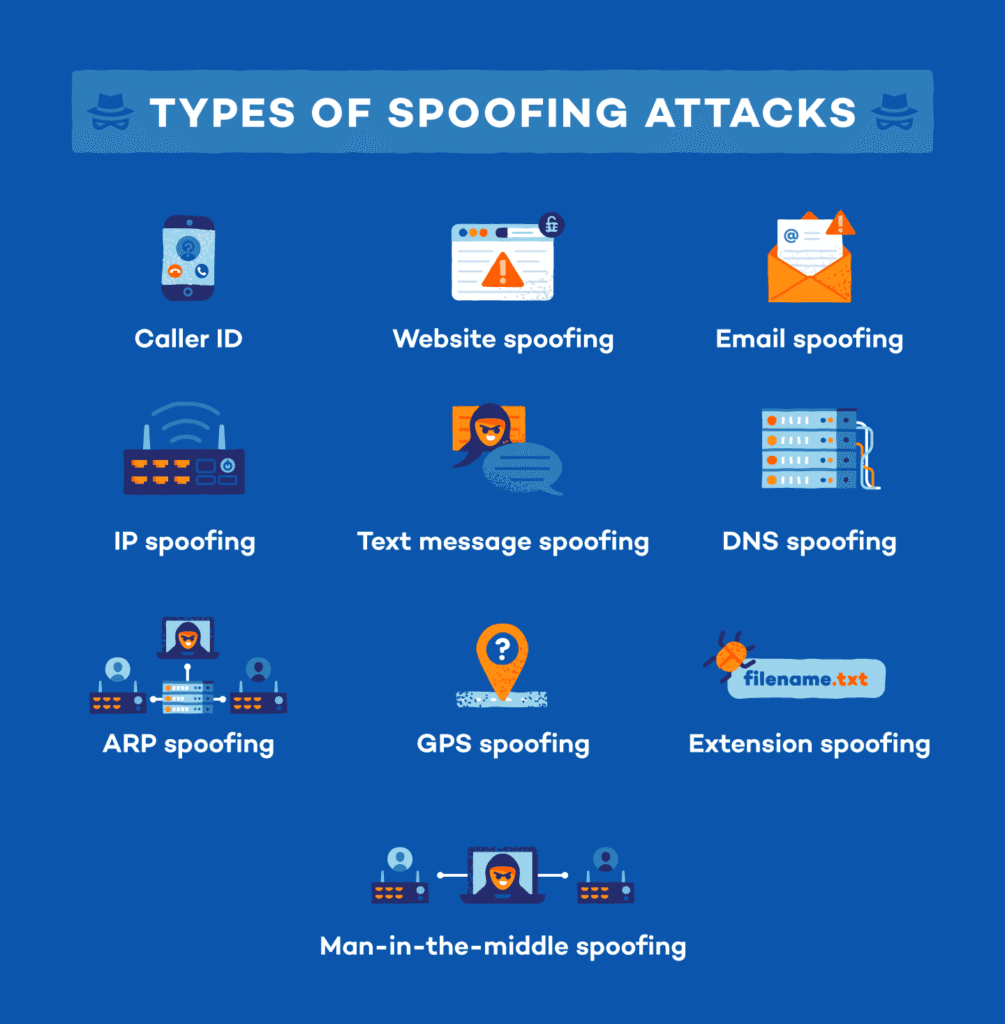
Address Resolution Protocol (ARP) spoofing, also known as ARP poisoning, is a cyberattack technique where an attacker sends falsified ARP messages over a local network. This results in the linking of the attacker’s MAC address with the IP address of a legitimate device, such as the default gateway. Once successful, the attacker can intercept, modify, or block data intended for that IP address.
How ARP Spoofing Works
In a typical ARP spoofing attack:
The attacker scans the network to identify active devices.
Using tools like arpspoof or ettercap, the attacker sends fake ARP responses.
The victim’s device believes the attacker is the router (or another trusted device).
Traffic from the victim is redirected to the attacker before reaching the actual router.
This enables:
Man-in-the-Middle Attacks (MITM)
Session hijacking
Data theft (e.g., login credentials, credit card numbers)
ARP Spoofing Demo (Educational Purposes Only)
Disclaimer: This demo is intended solely for educational use within a penetration testing lab setup. Unauthorized ARP spoofing is illegal and unethical.
Capture traffic with Wireshark or tcpdump to view intercepted data.
Analyze credentials, cookies, and other sensitive information.
Ethical Implications and Legal Boundaries
Understanding ARP spoofing is crucial for any ethical hacker. However, always operate within the bounds of the law. Engage in ethical hacking tutorials for beginners, and consider enrolling in an ethical hacker course to gain hands-on, certified knowledge.
Manually bind IP addresses to MAC addresses on critical systems to prevent spoofing.
2. Enable Dynamic ARP Inspection (DAI)
If your network hardware supports it, DAI helps detect and prevent malicious ARP packets.
3. Monitor with IDS Tools
Tools like ARPWatch, XArp, and Wireshark can detect unusual ARP activity.
4. Implement VPN and HTTPS
Encrypting data using secure protocols limits what attackers can read during a MITM attack.
Conclusion
ARP spoofing is a powerful network attack method often used in penetration testing and real-world cyberattacks. By understanding how it works, setting up controlled demos, and learning countermeasures, you can become a stronger defender of digital systems.
Are you curious about how hackers intercept network traffic and manipulate communications between devices? One powerful and commonly used technique is ARP spoofing. In this article, we will explain what ARP spoofing is, how it works, its real-world impact, and demonstrate the attack in a controlled environment. We’ll also cover key defense strategies, ethical hacking practices, and tools you can use to detect and prevent ARP spoofing. If you’re on the path to learn ethical hacking, this guide is a must-read.
Updated February 2026
Table of Contents
ARP Spoofing Explained (with Demo)
What is ARP Spoofing?
Address Resolution Protocol (ARP) spoofing, also known as ARP poisoning, is a cyberattack technique where an attacker sends falsified ARP messages over a local network. This results in the linking of the attacker’s MAC address with the IP address of a legitimate device, such as the default gateway. Once successful, the attacker can intercept, modify, or block data intended for that IP address.
How ARP Spoofing Works
In a typical ARP spoofing attack:
The attacker scans the network to identify active devices.
Using tools like arpspoof or ettercap, the attacker sends fake ARP responses.
The victim’s device believes the attacker is the router (or another trusted device).
Traffic from the victim is redirected to the attacker before reaching the actual router.
This enables:
Man-in-the-Middle Attacks (MITM)
Session hijacking
Data theft (e.g., login credentials, credit card numbers)
ARP Spoofing Demo (Educational Purposes Only)
Disclaimer: This demo is intended solely for educational use within a penetration testing lab setup. Unauthorized ARP spoofing is illegal and unethical.
Capture traffic with Wireshark or tcpdump to view intercepted data.
Analyze credentials, cookies, and other sensitive information.
Ethical Implications and Legal Boundaries
Understanding ARP spoofing is crucial for any ethical hacker. However, always operate within the bounds of the law. Engage in ethical hacking tutorials for beginners, and consider enrolling in an ethical hacker course to gain hands-on, certified knowledge.
Manually bind IP addresses to MAC addresses on critical systems to prevent spoofing.
2. Enable Dynamic ARP Inspection (DAI)
If your network hardware supports it, DAI helps detect and prevent malicious ARP packets.
3. Monitor with IDS Tools
Tools like ARPWatch, XArp, and Wireshark can detect unusual ARP activity.
4. Implement VPN and HTTPS
Encrypting data using secure protocols limits what attackers can read during a MITM attack.
Conclusion
ARP spoofing is a powerful network attack method often used in penetration testing and real-world cyberattacks. By understanding how it works, setting up controlled demos, and learning countermeasures, you can become a stronger defender of digital systems.
In the ever-evolving landscape of cybersecurity, packet sniffing plays a vital role in identifying threats, diagnosing issues, and understanding data flows across networks. But what exactly is packet sniffing, why is it important, and how can ethical hackers use it responsibly?
Packet Sniffing: What, Why, and How
What is Packet Sniffing?
Packet sniffing is the process of intercepting and logging traffic that flows over a digital network. This traffic is broken into smaller chunks called packets, which contain both payload (the actual data) and headers (routing information). A packet sniffer or network analyzer captures these packets for analysis.
Packet sniffers can be either hardware-based or software-based tools. Tools like Wireshark, Tcpdump, and Ettercap are commonly used by ethical hackers, cybersecurity professionals, and network administrators.
Packet sniffing is a powerful technique, but with great power comes great responsibility. Ethical hackers must only sniff packets on networks they own or have explicit permission to test. Unauthorized sniffing is illegal and unethical.
If you’re aiming to become a certified white-hat hacker, enrolling in an ethical hacker course is a smart move. You’ll gain hands-on experience with packet sniffing and many other vital techniques.
How Packet Sniffing Works
A packet sniffer works by putting the network interface into promiscuous mode, enabling it to intercept all traffic on the network segment, not just traffic intended for the host.
Tools for Packet Sniffing:
Wireshark: User-friendly GUI-based sniffer with real-time packet capture and deep inspection.
Tcpdump: Command-line tool for analyzing network traffic on Unix-like systems.
Ettercap: Specialized in man-in-the-middle attacks and packet capturing.
Before sniffing, ethical hackers often map out the network using tools like Nmap. Knowing how to scan a network with Nmap provides a roadmap for targeting specific hosts or traffic types for deeper inspection.
Packet Sniffing and Network Security Penetration Testing
In a comprehensive network security penetration testing routine, packet sniffing allows testers to gather reconnaissance, detect flaws, and validate fixes. Combined with vulnerability scanners and exploitation frameworks, it’s part of a holistic approach to network defense.
Getting Started with Ethical Hacking
If you’re inspired to explore the world of packet sniffing and beyond, our curated ethical hacking tools and resources will guide your journey. Consider exploring:
Packet sniffing is not just a technique; it’s a gateway to understanding the invisible conversations happening on networks. Whether you’re a beginner curious about cybersecurity or a professional ethical hacker, mastering this skill is invaluable.