Blog

  • Exploiting HTTP and HTTPS Services: Understanding Security Risks and Ethical Testing

    In todayโ€™s digital age, HTTP and HTTPS are the foundational protocols that power most of our online communication. While these services enable the seamless transfer of data between clients and servers, they are also common targets for cyber attackers. Understanding how these protocols can be exploited is essential not just for attackers, but more importantly, for ethical hackers and cybersecurity professionals aiming to strengthen online security.

    Table of Contents

    Exploiting HTTP and HTTPS Services:

    Exploiting HTTP and HTTPS Services

    In this article, we will explore how vulnerabilities in HTTP and HTTPS services are identified and exploited, and how you can use this knowledge ethically through tools, tutorials, and structured training such as the ethical hacker course. Whether youโ€™re setting up a penetration testing lab or simply diving into an ethical hacking tutorial for beginners, this guide offers valuable insights for every cybersecurity enthusiast.


    What are HTTP and HTTPS?

    HTTP (HyperText Transfer Protocol) is the standard protocol used for transmitting data across the web. HTTPS (HTTP Secure) is its encrypted version, using SSL/TLS to secure data from being intercepted or altered. Despite HTTPS offering better security, both can have vulnerabilities if not properly configured or maintained.

    Common Exploits in HTTP/HTTPS Services

    1. Man-in-the-Middle (MITM) Attacks

    This occurs when an attacker intercepts communication between a client and a server. If a website uses HTTP instead of HTTPS, attackers can easily eavesdrop or manipulate traffic.

    2. SSL Strip Attacks

    In this method, attackers downgrade HTTPS connections to HTTP, allowing them to view or modify data in transit. Tools like SSLstrip make this possible.

    3. Insecure Cookies and Headers

    Cookies not marked as Secure or HttpOnly can be accessed via scripts or sent over insecure channels, exposing session data.

    4. Outdated SSL/TLS Versions

    Using deprecated SSL versions like SSL 2.0 or 3.0 can expose systems to attacks such as POODLE or BEAST.


    Ethical Hacking: How to Approach Testing Securely

    To defend against these threats, ethical hackers use authorized methods to assess vulnerabilities. At SpyWizards, we emphasize legal and educational practices that equip aspiring professionals to responsibly uncover system weaknesses.

    Start with the OSI Model

    Understanding the OSI model in network security is foundational for ethical hacking. It helps you identify where specific vulnerabilities exist within network layers.

    Learn TCP/IP Basics

    Mastering TCP/IP basics for hackers is vital, as these protocols form the core of HTTP and HTTPS services.

    Use Nmap for Network Scanning

    Knowing how to scan a network with Nmap allows you to detect open ports and identify services running on target systems. Nmap is a powerful tool for preliminary reconnaissance.


    Setting Up a Penetration Testing Lab

    A penetration testing lab setup lets you practice without the risk of legal consequences. Using virtual machines, tools like Burp Suite, OWASP ZAP, and Kali Linux, you can simulate real-world attacks in a controlled environment.


    Wireless Network Vulnerabilities

    Public Wi-Fi is notoriously insecure. Exploiting wireless network vulnerabilities like WPA2 cracking or rogue access points is part of standard network security penetration testing.


    Legal and Ethical Considerations

    Even though tools and knowledge for exploiting HTTP/HTTPS services are widely available, unauthorized testing is illegal. Always obtain proper consent before performing any penetration test.

    Our ethical hacking tools and courses ensure that you stay on the right side of the law while gaining hands-on experience. Learn how to become an ethical hacker and contribute to a safer internet for everyone.


    Final Thoughts

    HTTP and HTTPS services are the gateways to web communicationโ€”and the frontlines of security defense. By learning how they can be exploited and tested ethically, you become a vital asset in the fight against cybercrime.

  • Discovering Network Shares and Hidden Resources: A Guide for Ethical Hackers

    In todayโ€™s cybersecurity landscape, discovering network shares and hidden resources is a critical skill for any aspiring ethical hacker. Whether youโ€™re learning how to become an ethical hacker or setting up a penetration testing lab, uncovering hidden network elements helps evaluate security postures and protect against unauthorized access. In this article, we dive deep into discovering shared folders, unsecured access points, and misconfigured resources in both wired and wireless network vulnerabilities environments.

    Table of Contents

    Discovering Network Shares and Hidden Resources:

    Discovering Network Shares and Hidden Resources

    What Are Network Shares and Hidden Resources?

    Network shares are directories or drives made available over a local or wide area network. These shared resources, when improperly configured, can expose sensitive data to attackers. Hidden resources refer to folders, services, or devices not visibly listed or openly shared but can still be accessed with the right tools and techniques.

    Why Should Ethical Hackers Care?

    Discovering these elements is a vital part of network security penetration testing. Identifying exposed shares can prevent data leakage, privilege escalation, and lateral movement within networks. Understanding and mitigating these vulnerabilities aligns with ethical hacking principles, ensuring your testing stays within legal and professional boundaries.

    Tools to Discover Network Shares

    Ethical hackers use a variety of ethical hacking tools to identify hidden resources, including:

    • Nmap: With advanced scripts, Nmap can detect SMB shares, running services, and misconfigured access points. Want to learn how to scan a network with Nmap? Our ethical hacking tutorial for beginners offers a step-by-step guide.
    • Net View: A built-in Windows tool that displays all shared resources within a domain or workgroup.
    • PowerShell: Scripts like Get-SmbShare help list shares remotely, especially when conducting audits within an organization.
    • SMBClient: A Linux-based utility used to access and enumerate SMB shares on Windows machines.

    For a complete toolkit, check out our curated list of ethical hacking tools tailored for beginners and professionals.

    Discovering Hidden Network Shares Step-by-Step

    1. Network Scanning: Begin with Nmap to identify active hosts and services:nmap -p 139,445 --script smb-enum-shares -T4 192.168.1.0/24
    2. Service Enumeration: Use tools like enum4linux to gather detailed share information from Windows machines.
    3. Manual Browsing: Try accessing IPs via \\IP_ADDRESS\SHARE_NAME on Windows. Many hidden shares follow naming conventions like C$, ADMIN$, or IPC$.
    4. Access Control Checks: Determine if shares are read-only or writable. Writable shares can be a major security flaw.

    Tips for Ethical Testing

    • Always get written permission before testing.
    • Document everything for later analysis or reporting.
    • Use VPNs or isolated test labs to simulate attacks legally. Need help building one? Check our penetration testing lab setup guide.

    Strengthening Network Defenses

    Once youโ€™ve discovered network shares, the next step is to mitigate risks. Hereโ€™s how:

    • Limit Share Permissions: Use least privilege principles; only authorized users should access specific directories.
    • Implement Network Segmentation: Isolate sensitive devices to prevent lateral movement.
    • Audit Regularly: Conduct periodic reviews of shared folders, access logs, and connected devices.

    Want to dig deeper into defensive techniques? Explore the OSI model in network security and TCP/IP basics for hackers to understand how data flows and where attacks can be intercepted.


    Expand Your Knowledge

    Learning how to become an ethical hacker goes beyond just tools. Itโ€™s about understanding systems, anticipating threats, and constantly evolving. Consider enrolling in an ethical hacker course to build a solid foundation.

    If youโ€™re a beginner, donโ€™t miss our complete ethical hacking tutorial for beginners where we cover everything from reconnaissance to privilege escalation.


    Final Thoughts

    Uncovering hidden network resources is an essential part of any security audit. Whether youโ€™re a cybersecurity student or a seasoned tester, understanding how to discover and protect these elements is non-negotiable. By applying the right techniques, using the best tools, and following ethical guidelines, youโ€™ll significantly improve the security posture of any organization you assess.

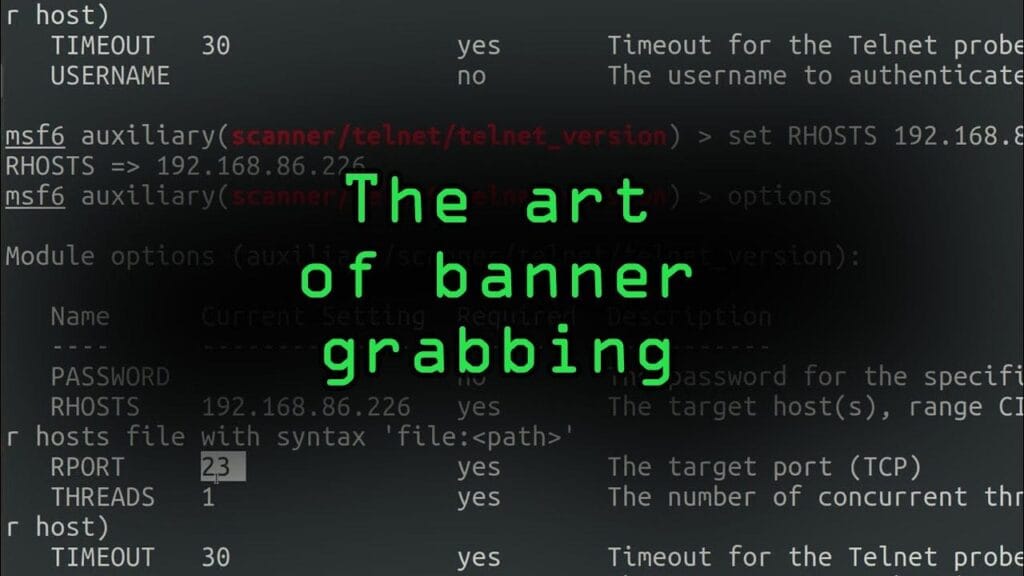
  • Banner Grabbing for System Info: A Key Step in Ethical Hacking

    In the world of cybersecurity and ethical hacking, knowing your target is essential. One of the first steps in network reconnaissance is banner grabbingโ€”a technique used to gather valuable system information from open ports and network services. Whether youโ€™re just diving into an ethical hacking tutorial for beginners, setting up a penetration testing lab, or working on improving network security penetration testing, understanding banner grabbing can give you an edge.

    Table of Contents

    Banner Grabbing for System Info

    Banner Grabbing for System Info

    ๐Ÿ” What is Banner Grabbing?

    Banner grabbing is a method used by hackersโ€”both ethical and maliciousโ€”to collect information about a computer system on a network. It involves connecting to a service (like a web server or FTP) and reading the metadata (or โ€œbannerโ€) that it sends back. This banner often includes:

    • Server type and version
    • Operating system
    • Running services
    • Application versions

    For example, a simple Telnet connection to a server on port 80 might return a string like:
    Apache/2.4.29 (Ubuntu)

    This information helps ethical hackers identify potential vulnerabilities and plan further penetration testing strategies.


    ๐Ÿงฐ Tools for Banner Grabbing

    If youโ€™re learning how to become an ethical hacker, itโ€™s important to get hands-on experience with banner grabbing tools. Here are a few essential ones:

    1. Nmap

    The classic network scanner also supports banner grabbing with the -sV option. Learn how to scan a network with Nmap to reveal open ports, services, and versions.

    bashCopyEditnmap -sV target_ip
    

    2. Netcat (nc)

    A versatile networking utility used for reading from and writing to network connections.

    bashCopyEditnc target_ip 80
    

    3. Telnet

    Although outdated, Telnet is still used for manual banner grabbing. Itโ€™s ideal for understanding basic TCP/IP basics for hackers.

    bashCopyEdittelnet target_ip 80
    

    4. WhatWeb / Wappalyzer

    Used for grabbing web application banners, including CMS types, plugins, and frameworks.


    ๐Ÿ” Why Banner Grabbing Matters in Network Security

    Understanding system details gives ethical hackers a strategic advantage during a penetration test. By analyzing the information revealed through banner grabbing, you can:

    • Detect outdated or unpatched software
    • Identify misconfigured services
    • Discover unauthorized open ports
    • Map potential attack vectors for simulation

    If youโ€™re pursuing an ethical hacker course, mastering this technique is part of your foundational skillset.


    ๐Ÿ“ถ Banner Grabbing and Wireless Networks

    While often associated with wired networks, banner grabbing can also reveal valuable data in wireless network vulnerabilities assessments. Misconfigured routers and IoT devices frequently expose banners that hint at weak firmware or default credentials.


    ๐Ÿ—๏ธ Lab Setup for Practice

    Setting up a controlled penetration testing lab is the best way to sharpen your skills legally and safely. Try the following setup:

    • VirtualBox or VMware for virtualization
    • Kali Linux as your attacking machine
    • Target machines like Metasploitable or DVWA
    • Tools like Nmap, Netcat, Nikto, and Telnet

    Practice banner grabbing to understand how different systems respond and what you can learn from their banners.


    ๐ŸŒ Related Network Concepts

    Understanding the OSI model in network security is essential to see where banner grabbing fits in. It operates at the application layer, and it reveals services running on the transport layer protocols, primarily TCP/IP.

    For beginners, mastering TCP/IP basics for hackers helps you interpret what the banner reveals and how to trace vulnerabilities from it.


    โš ๏ธ Ethical Use and Legal Boundaries

    Banner Grabbing for System Info

    Important: Banner grabbing should only be done on systems you own or have explicit permission to test.

    As part of an ethical hacker course, youโ€™ll learn the legal and ethical boundaries of cybersecurity testing. Misuse of banner grabbing on unauthorized networks is considered illegal and could result in severe penalties.


    ๐Ÿ’ก Final Thoughts

    Banner grabbing may seem like a small task, but it holds immense value for ethical hackers. Itโ€™s often the first door you open when conducting reconnaissance, and it can expose the vulnerabilities that lie behind outdated services or poor configurations.

    Are you ready to take your skills further? Start with our ethical hacking tools guide, explore our ethical hacking tutorial for beginners, or enroll in a professional ethical hacker course to take your skills to the next level.

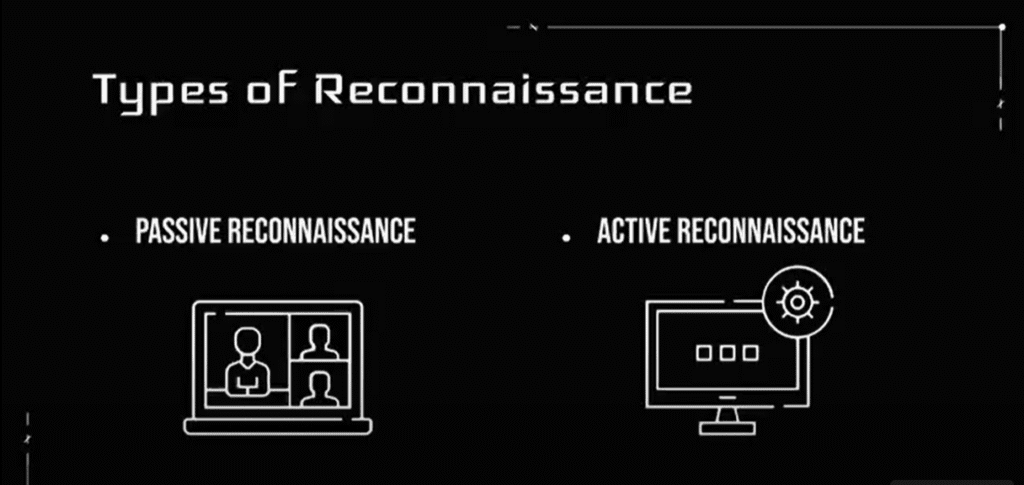
  • Passive vs Active Reconnaissance: Understanding the Difference in Ethical Hacking

    Are you diving into the world of ethical hacking or prepping for a penetration testing lab setup? One of the first concepts to master is understanding the difference between passive and active reconnaissance. These two techniques are foundational in cybersecurity and can make or break a successful ethical hacking project.

    Table of Contents

    Passive vs Active Reconnaissance:

    Passive vs Active Reconnaissance:

    In this post, weโ€™ll break down the core differences, real-world examples, and how each method fits into the larger framework of network security penetration testing. This guide is perfect for beginners and professionals alikeโ€”and if youโ€™re looking to sharpen your skills, check out our ethical hacking tools and ethical hacker course to take your knowledge further.


    What Is Reconnaissance in Ethical Hacking?

    Reconnaissance, often referred to as recon, is the initial phase of penetration testing or ethical hacking. It involves gathering information about a target system or network to identify potential vulnerabilities.

    Think of it like scouting before launching a missionโ€”understanding your target helps in planning an effective strategy. Reconnaissance is generally divided into two categories:

    • Passive Reconnaissance
    • Active Reconnaissance

    Letโ€™s explore each.


    ๐Ÿ” Passive Reconnaissance

    Passive reconnaissance is about collecting information without directly interacting with the target system. This method is stealthy and often undetectable.

    Examples of Passive Reconnaissance:

    • Searching public records, WHOIS databases, and social media
    • Gathering metadata from documents
    • Exploring job postings for tech stack info
    • Googling target email addresses or usernames

    Because thereโ€™s no direct contact, passive recon is safer from detection but can be limited in detail.

    Related Resource: Learn more about the OSI model in network security to understand how layers affect passive scanning.


    ๐Ÿ’ฅ Active Reconnaissance

    Active reconnaissance, on the other hand, involves directly engaging with the target. This could include pinging, port scanning, or probing network defenses.

    Examples of Active Reconnaissance:

    • Using tools like Nmap or Nessus to scan open ports
    • Banner grabbing to identify software versions
    • Probing firewalls and intrusion detection systems (IDS)
    • Identifying wireless network vulnerabilities

    While more detailed and accurate, active recon carries a higher risk of detection and can trigger security alerts.

    ๐Ÿ‘‰ Need a tutorial on scanning? Check out our complete guide on how to scan a network with Nmap.


    Key Differences Between Passive and Active Reconnaissance

    FeaturePassive ReconnaissanceActive Reconnaissance
    Stealth LevelHigh (Hard to detect)Low (Easily detectable)
    Data AccuracyModerateHigh
    Network InteractionNoneDirect
    Tools UsedWHOIS, Google Dorks, MaltegoNmap, Nessus, Netcat
    Risk LevelLowHigh

    When to Use Passive vs Active Reconnaissance

    A good ethical hacker knows when to use each type of recon.

    • Passive Recon is ideal during early stages or when stealth is critical.
    • Active Recon is used when youโ€™re ready to map out the attack surface or during penetration testing.

    ๐Ÿ‘‰ Want to go deeper? Explore our ethical hacking tutorial for beginners for hands-on learning.


    Tools for Reconnaissance

    Both passive and active recon require the right tools. Hereโ€™s a list of must-haves:

    ๐Ÿ”ง Passive Tools:

    • Maltego
    • Shodan
    • Google Dorking
    • Recon-ng

    โšก Active Tools:

    • Nmap
    • Nessus
    • Nikto
    • Netcat

    Youโ€™ll find many of these in our curated list of ethical hacking tools.


    Why This Matters in Ethical Hacking

    Understanding the differences between passive and active reconnaissance isnโ€™t just academicโ€”itโ€™s a vital skill for anyone pursuing a career in cybersecurity.

    โœ” Helps plan smarter penetration tests
    โœ” Reduces chances of being caught during testing
    โœ” Ensures compliance with legal and ethical boundaries

    Want to become a certified professional? Check out our ethical hacker course and learn how to become an ethical hacker the right way.


    Bonus: TCP/IP and OSI Model โ€“ Why You Need to Know Both

    Reconnaissance often starts at the lower layers of the network stack. A solid understanding of TCP/IP basics for hackers and the OSI model in network security helps you identify how data flows and where vulnerabilities can be found.

    Head over to our guides on:


    Conclusion: Passive vs Active Recon โ€“ Know the Difference

    Whether youโ€™re just starting your ethical hacking journey or setting up your own penetration testing lab, mastering the balance between passive and active reconnaissance is key to success. One keeps you under the radar; the other gives you depthโ€”but both are critical.

  • Penetration Testing of Enterprise Networks: A Complete Guide

    In todayโ€™s digital-first world, enterprise network security is not just importantโ€”itโ€™s mission-critical. As cyber threats grow in complexity, organizations must stay ahead of attackers. One of the most effective strategies for identifying vulnerabilities is penetration testing.

    Table of Contents

    Penetration Testing of Enterprise Networks

    Penetration Testing of Enterprise Networks

    In this comprehensive guide, weโ€™ll walk you through the essentials of penetration testing for enterprise networks, tools and techniques used, how to set up a penetration testing lab, and why this is an indispensable part of any organizationโ€™s cybersecurity strategy. Whether youโ€™re an IT professional or just starting your ethical hacking tutorial for beginners, this article is packed with value.

    ๐Ÿ’ก Want to learn more or hire professional cybersecurity services? Visit SpyWizards.com โ€” your trusted partner in ethical hacking and cybersecurity solutions.


    What is Penetration Testing?

    Penetration testing, also known as ethical hacking, is a simulated cyberattack against your system to uncover potential vulnerabilities. The goal is to mimic the strategies of malicious hackers while identifying and fixing weaknesses before they are exploited.

    Pen testing involves evaluating the systemโ€™s resilience against threats, including wireless network vulnerabilities, endpoint breaches, and server-based exploits. Itโ€™s a core practice in network security penetration testing strategies.


    Why Enterprise Networks Need Penetration Testing

    Enterprise networks are often sprawling ecosystems that connect internal and external users, cloud infrastructures, IoT devices, and mobile systems. Hereโ€™s why penetration testing is crucial:

    • Proactive Defense: Identify threats before they become actual incidents.
    • Regulatory Compliance: Meet standards like GDPR, HIPAA, PCI-DSS, and ISO 27001.
    • Risk Assessment: Evaluate the potential business impact of real-world attacks.
    • Continuous Improvement: Enhance your penetration testing lab setup for ongoing security.

    How to Set Up a Penetration Testing Lab

    A penetration testing lab setup is essential for safe, legal experimentation. Hereโ€™s what youโ€™ll need:

    1. Virtualization Software (e.g., VirtualBox or VMware)
    2. Kali Linux โ€“ Preloaded with powerful ethical hacking tools
    3. Vulnerable machines like Metasploitable, DVWA, and OWASP WebGoat
    4. Network simulators to practice on realistic infrastructures

    Want step-by-step help? Check out our ethical hacking tutorial for beginners on how to build your own lab safely and effectively.


    Tools Every Ethical Hacker Should Use

    When performing network pen tests, ethical hackers rely on specialized software tools. Some must-have ethical hacking tools include:

    • Nmap โ€“ For network scanning and mapping
    • Burp Suite โ€“ Web vulnerability scanner
    • Wireshark โ€“ Packet analyzer
    • Metasploit Framework โ€“ Exploitation and payload delivery
    • Aircrack-ng โ€“ To detect wireless network vulnerabilities

    Curious about how to scan a network with Nmap? We break it down in a detailed post on SpyWizards.com.


    Understanding the OSI Model in Network Security

    To master penetration testing, one must understand the OSI model in network security. This 7-layer framework helps ethical hackers pinpoint where attacks may occur:

    1. Physical Layer โ€“ Cable tapping
    2. Data Link Layer โ€“ MAC spoofing
    3. Network Layer โ€“ IP spoofing, routing attacks
    4. Transport Layer โ€“ TCP/UDP hijacking
    5. Session Layer โ€“ Session fixation
    6. Presentation Layer โ€“ SSL/TLS manipulation
    7. Application Layer โ€“ XSS, SQL injection

    Pair this with TCP/IP basics for hackers to build a foundational skill set.


    The Penetration Testing Process

    A structured approach ensures consistent, actionable results. Hereโ€™s a typical pen testing workflow:

    1. Planning & Reconnaissance
      Gather intelligence using tools like Whois, Shodan, and Maltego.
    2. Scanning
      Use Nmap and Nessus to identify open ports and vulnerabilities.
    3. Gaining Access
      Leverage tools from Metasploit to exploit identified vulnerabilities.
    4. Maintaining Access
      Simulate advanced persistent threats (APTs) to test long-term damage potential.
    5. Analysis & Reporting
      Deliver a comprehensive report highlighting weaknesses, severity levels, and remediation strategies.

    Need help conducting this in-house? Hire our experts at SpyWizards.com.


    Learning Ethical Hacking: The Smart Way

    Want to learn how to become an ethical hacker and conduct real-world penetration tests? Enroll in a certified ethical hacker course today to gain practical, hands-on skills that employers value.

    Our training includes:

    • Building a penetration testing lab setup
    • Deep dives into ethical hacking tools
    • Scanning and exploiting networks
    • Understanding TCP/IP basics for hackers

    Common Vulnerabilities in Enterprise Networks

    Below are frequent vulnerabilities uncovered during enterprise pen tests:

    • Outdated Software: Easily exploited by known vulnerabilities
    • Weak Password Policies: Prone to brute-force attacks
    • Misconfigured Firewalls: Allow unauthorized access
    • Unsecured Wi-Fi Networks: Exposed to packet sniffing and injection
    • Lack of Segmentation: Enables lateral movement by attackers

    Each issue is a gateway for exploitation and underscores the importance of regular penetration testing.


    Final Thoughts

    Penetration testing of enterprise networks isnโ€™t just about checking boxesโ€”itโ€™s about proactively defending your business against the evolving threat landscape. From beginners setting up their first lab to organizations building a resilient cybersecurity framework, this guide arms you with knowledge and direction.

  • Rules of Engagement in Ethical Hacking: What Every White Hat Needs to Know

    In the ever-evolving world of cybersecurity, ethical hacking plays a critical role in safeguarding systems, data, and networks. But before you dive into the world of penetration testing and vulnerability assessments, itโ€™s crucial to understand the rules of engagement (RoE)โ€”the ethical and legal framework that governs white hat hacking.

    Table of Contents

    Rules of Engagement in Ethical Hacking

    Rules of Engagement in Ethical Hacking

    Whether youโ€™re exploring the ethical hacker course or learning how to become an ethical hacker, this guide will give you everything you need to conduct your hacking activities with full compliance and confidence.


    What Are Rules of Engagement in Ethical Hacking?

    The rules of engagement (RoE) define the scope, limitations, and expectations of a penetration test or ethical hacking engagement. These rules ensure that both the client and the ethical hacker are on the same page, protecting sensitive systems from unintended consequences.


    Why Are Rules of Engagement Important?

    Without well-defined boundaries, even ethical hacking can cause damage, data breaches, or legal repercussions. The RoE ensures:

    • Clear communication between stakeholders.
    • Authorization to access and test systems.
    • Minimized risk to production environments.
    • Documentation for legal protection and accountability.

    Key Components of Ethical Hacking Rules of Engagement

    1. Scope Definition

    Define exactly what can and cannot be tested. This includes:

    2. Authorization and Legal Permission

    Ethical hackers must have written permission from the system owner. Unauthorized testingโ€”even for educational purposesโ€”can be illegal.

    3. Timeframe and Test Windows

    Specify when tests can be conducted. Avoid testing during business-critical hours unless agreed upon.


    Step-by-Step Guide: Engaging in Ethical Hacking

    1. Set Up a Penetration Testing Lab

    Before going live, practice in a safe, isolated environment. Learn how to perform:

    2. Master the Foundations

    A firm grasp of the OSI model in network security and TCP/IP basics for hackers is vital. This knowledge lets you understand how data travels through networksโ€”and where vulnerabilities lie.


    Top Tools for Ethical Hackers

    Using the right tools responsibly is critical. Some of the most trusted ethical hacking tools include:

    • Nmap โ€“ Learn how to scan a network with Nmap to discover hosts, services, and open ports.
    • Wireshark โ€“ Analyze real-time traffic and detect anomalies.
    • Metasploit โ€“ Launch and manage exploits safely during red team exercises.

    How to Become an Ethical Hacker

    Becoming a certified white hat hacker requires both education and real-world practice. Hereโ€™s how to get started:

    1. Enroll in an ethical hacker course โ€“ Look for CEH, OSCP, or CompTIA PenTest+.
    2. Follow an ethical hacking tutorial for beginners to build foundational knowledge.
    3. Join forums and CTF challenges โ€“ Gain hands-on experience and learn from the community.
    4. Stay legal and ethical โ€“ Always operate within your defined scope.

    Real-World Engagement Example: Wireless Network Testing

    Suppose youโ€™re tasked with testing a companyโ€™s wireless access points. Your rules of engagement may look like:

    • Test window: Saturday, 2 AMโ€“5 AM
    • Scope: Only test office SSID; do not touch guest or personal devices.
    • Tools: Nmap, Aircrack-ng, and Wireshark
    • Objective: Identify wireless network vulnerabilities and propose mitigation.

    Ethical Considerations and Legal Risks

    Even with permission, ethical hackers must be mindful of:

    • Privacy laws and regulations
    • Client data confidentiality
    • Reporting responsibilities for discovered vulnerabilities

    Breaking the RoEโ€”even unintentionallyโ€”can lead to legal action or revoked credentials. Always document your steps and submit findings through secure, agreed-upon channels.


    Wrapping Up: Your Next Step

    Rules of Engagement in Ethical Hacking

    Understanding and respecting the rules of engagement in ethical hacking is essential for anyone serious about becoming a professional white hat. Whether youโ€™re aiming to conduct network security penetration testing or just beginning your journey with an ethical hacking tutorial for beginners, always remember: responsibility is the cornerstone of ethical hacking.

    Ready to level up your skills? Visit spywizards.com to explore professional tools, hands-on tutorials, and step-by-step ethical hacker training.

  • How to Track and Analyze Internal Network Traffic: A Complete Guide

    Are you serious about protecting your internal systems from unauthorized access, data leaks, and cyber threats? Then mastering how to track and analyze internal network traffic is a must. This guide breaks down the core principles, tools, and best practices for effectively monitoring traffic within your organizationโ€™s network, and how you can use ethical hacking techniques to strengthen your security.


    Table of Contents

    How to Track and Analyze Internal Network Traffic:

    How to Track and Analyze Internal Network Traffic

    What Is Internal Network Traffic?

    Internal network traffic refers to all data transmissions that occur within your local network (LAN). It includes communication between servers, workstations, IoT devices, and internal databases. Understanding this traffic helps you detect suspicious behavior, pinpoint network vulnerabilities, and maintain optimal performance.


    Why Monitor Internal Network Traffic?

    Monitoring internal network traffic provides you with:

    • Enhanced Network Security: Spot unusual behavior, such as malware spread or unauthorized access attempts.
    • Performance Optimization: Identify bandwidth bottlenecks and streamline operations.
    • Compliance: Ensure data handling meets regulatory requirements.

    Tools to Track and Analyze Internal Network Traffic

    1. Wireshark

    Wireshark is one of the most popular open-source tools for network packet analysis. It provides real-time data capture and detailed protocol-level insights.

    2. SolarWinds NetFlow Traffic Analyzer

    A powerful tool for traffic pattern visualization and bandwidth analysis across the internal network.

    3. PRTG Network Monitor

    Offers sensor-based monitoring for various types of traffic, including HTTP, FTP, and SNMP.


    Ethical Hacking Tools for Network Monitoring

    Understanding ethical hacking tools can significantly improve your traffic analysis efforts. At Spy Wizards, we offer insights and guidance on using tools like:

    • Nmap: Learn how to scan a network with Nmap to identify live hosts, open ports, and potential entry points.
    • Wireshark: Ideal for deep packet inspection.
    • Tcpdump: A command-line packet analyzer that gives detailed insights.

    These tools are commonly used in network security penetration testing, which helps simulate attacks to find weaknesses.


    Common Internal Network Threats

    1. Insider Threats: Employees or contractors misusing access privileges.
    2. Unauthorized Device Connections: BYOD (Bring Your Own Device) policies can be risky without controls.
    3. Lateral Movement by Malware: Malware moving between systems within your network.

    How to Set Up a Penetration Testing Lab

    Before analyzing traffic, it helps to simulate real attacks. Our guide to penetration testing lab setup walks you through configuring virtual machines, routers, and target systems safely.


    Using the OSI Model for Traffic Analysis

    Understanding the OSI model in network security helps you categorize and inspect traffic at various layers. For instance:

    • Layer 2 (Data Link): Ethernet frames.
    • Layer 3 (Network): IP packets.
    • Layer 4 (Transport): TCP/UDP segment details.

    Also brush up on TCP/IP basics for hackers to understand how devices communicate within the network.


    Analyzing Wireless Network Vulnerabilities

    How to Track and Analyze Internal Network Traffic

    Wireless traffic introduces additional risks. At Spy Wizards, we explore tools and strategies to detect rogue access points, weak encryption, and other wireless network vulnerabilities.


    Learning Ethical Hacking for Beginners

    If youโ€™re new to cybersecurity, start with our ethical hacking tutorial for beginners. From reconnaissance to exploitation and remediation, youโ€™ll learn how ethical hackers secure networks.

    Want to take it further? Explore our ethical hacker course or learn how to become an ethical hacker and build a rewarding career in cybersecurity.


    Final Thoughts

    Tracking and analyzing internal network traffic is more than just monitoring data โ€” itโ€™s a proactive step towards safeguarding your organizationโ€™s digital assets. With the right ethical hacking tools, foundational knowledge of network layers, and traffic analysis strategies, you can prevent breaches before they happen.

    Visit Spy Wizards today to explore tools, tutorials, and expert insights on cybersecurity.

    Related Spy Wizards Resources

    Safety and Authorization Note

    Use cybersecurity guidance only on accounts, devices, and networks you own or are clearly authorized to review. If you are dealing with account recovery, suspicious logins, device privacy concerns, or business security checks, document what happened, preserve alerts or recovery emails, and avoid sharing passwords, one-time codes, private keys, or financial details. Spy Wizards focuses on lawful support, ethical security review, privacy protection, and practical recovery steps that reduce risk without crossing consent boundaries.

  • Mapping the Internal Network Layout: A Step-by-Step Guide for Ethical Hackers

    Are you ready to elevate your penetration testing skills? Understanding how to map the internal network layout is a fundamental step in any network security penetration testing process. Whether youโ€™re just starting your journey in ethical hacking or looking to refine your techniques, this comprehensive guide will help you uncover the hidden structure of internal networksโ€”responsibly and legally.

    Table of Contents

    Mapping the Internal Network Layout:

    Mapping the Internal Network Layout:

    At SpyWizards.com, we provide you with cutting-edge insights, tools, and ethical hacking tutorials for beginners to help you become a certified expert in cybersecurity.


    What Is Internal Network Mapping?

    Internal network mapping involves identifying all the devices, hosts, and communication paths within a network. This process gives an ethical hacker a birdโ€™s-eye view of the system architecture, helping them spot vulnerabilities, weak configurations, and potential attack surfaces.

    Learning how to become an ethical hacker means mastering the art of navigating digital environments just like a real attacker wouldโ€”but with permission and purpose.


    Why Internal Network Mapping Matters

    Before launching a penetration test, mapping the network is essential for:

    • Discovering connected hosts and open ports
    • Identifying services and operating systems in use
    • Detecting wireless network vulnerabilities
    • Spotting misconfigurations or hidden devices

    This reconnaissance phase forms the backbone of your penetration testing lab setup, allowing for more accurate and targeted testing.


    Step-by-Step Guide: How to Map the Internal Network

    1. Understand the OSI Model in Network Security

    Before diving into scanning, familiarize yourself with the OSI model in network security. This model breaks down how data travels through a network, from the physical layer (Layer 1) to the application layer (Layer 7).

    Understanding each layer helps you analyze network traffic more effectively and pinpoint potential flaws in protocol implementation.


    2. Learn TCP/IP Basics for Hackers

    The TCP/IP basics for hackers are vital. TCP/IP protocols are the foundation of internet communication, and knowing how packets are structured, transmitted, and responded to helps in interpreting scan results and simulating attack scenarios.

    Need a detailed walkthrough? Visit our full TCP/IP for Hackers guide on SpyWizards.com.


    3. Scan the Network with Nmap

    When it comes to tools, Nmap is king. Itโ€™s a powerful utility that helps you scan a network with Nmap to discover live hosts, detect operating systems, and find open ports and services.

    Common Nmap Commands:

    bashCopyEditnmap -sP 192.168.1.0/24   # Ping sweep to identify live hosts
    nmap -sS 192.168.1.105     # TCP SYN scan
    nmap -O 192.168.1.105      # OS detection
    

    Check out our in-depth guide on how to scan a network with Nmap for examples and scripts.


    4. Use Ethical Hacking Tools

    Tools like Wireshark, Netdiscover, and Zenmap (a GUI for Nmap) make it easier to visualize the network layout. At SpyWizards.com, we break down the top ethical hacking tools to help you make informed choices.

    Whether you need a tool for passive reconnaissance or active scanning, our resources are regularly updated for your convenience.


    5. Document Your Findings

    Once youโ€™ve mapped the network, document every host, device, and service. Use diagrams, spreadsheets, or specialized tools like Maltego or Draw.io to create a detailed internal map.

    This documentation is not only essential for reporting but also useful for future audits and testing.


    Pro Tip: Build Your Own Penetration Testing Lab

    Want hands-on experience? Set up your own penetration testing lab. Learn how to simulate internal networks using virtual machines like Kali Linux, Metasploitable, and Windows targetsโ€”all on your local machine.

    Check out our full guide on penetration testing lab setup and start practicing your skills today.


    Ready to Learn More?

    If youโ€™re serious about mastering ethical hacking, explore our:

    Join thousands of learners and pros who use SpyWizards.com as their go-to hub for cybersecurity and hacking education.


    Conclusion

    Mapping an internal network layout is a critical skill for every ethical hacker. By understanding the networkโ€™s architecture, identifying vulnerabilities, and using the right tools, you can protect systems against real-world attacks. Ethical hacking isnโ€™t about breaking inโ€”itโ€™s about building stronger digital walls.

    Explore more in our ethical hacking tutorial for beginners, and level up your hacking journey today.


    Meta Description (for SEO):
    Discover how to map an internal network layout step-by-step. Learn ethical hacking tools, TCP/IP basics, OSI model, and how to scan a network with Nmap. Start your ethical hacking journey now!

    Target SEO Keywords Used:
    โœ… ethical hacking tools
    โœ… ethical hacker course
    โœ… how to become an ethical hacker
    โœ… network security penetration testing
    โœ… wireless network vulnerabilities
    โœ… ethical hacking tutorial for beginners
    โœ… penetration testing lab setup
    โœ… OSI model in network security
    โœ… TCP/IP basics for hackers
    โœ… how to scan a network with Nmap

  • Discovering Weak Passwords via Dictionary Attacks: What Every Ethical Hacker Must Know

    In todayโ€™s digital world, securing user credentials is more critical than ever. Despite advanced technologies, many users still rely on weak and predictable passwordsโ€”making them easy targets for cybercriminals. One of the most commonly used password-cracking techniques is the dictionary attack.

    Table of Contents

    Discovering Weak Passwords via Dictionary Attacks:

    maxresdefault 3

    This article explores how dictionary attacks work, why they remain effective, and how you can protect yourself. If youโ€™re learning how to become an ethical hacker, understanding dictionary attacks is essential.

    ๐Ÿ“Œ Want to build real-world skills? Check out our ethical hacking tutorial for beginners and learn the tools of the trade!


    What is a Dictionary Attack?

    A dictionary attack is a method used by hackers to crack passwords by systematically testing a list of potential passwordsโ€”commonly known as a โ€œdictionary.โ€ This list contains words that users frequently use as passwords, such as โ€œ123456,โ€ โ€œpassword,โ€ โ€œadmin,โ€ or even names and phrases.

    Unlike brute force attacks, dictionary attacks are faster and more efficient because they skip random guesses and rely on the likelihood of human behavior.

    Interested in learning more about real-world hacking tools? Explore our guide to ethical hacking tools.


    How Dictionary Attacks Work

    Hereโ€™s a breakdown of how a dictionary attack typically operates:

    1. Wordlist Selection: Attackers use precompiled lists of common passwords. These can include leaked password databases or custom-generated lists.
    2. Hash Matching: If passwords are stored as hashes, the attacker hashes each word from the list and compares it to the stored hashes.
    3. Automation: Tools like Hydra, Medusa, and John the Ripper automate the processโ€”making it lightning fast.

    ๐Ÿš€ Start building your penetration testing lab setup today and learn to ethically break into systems like a pro.


    Why Dictionary Attacks Still Work

    Despite warnings, users continue to create easy-to-guess passwords. According to studies, over 50% of internet users reuse passwords across platforms. This makes dictionary attacks highly effectiveโ€”especially when password complexity is minimal.

    Learn how to test for password weaknesses through network security penetration testing using our specialized courses and tools.


    Real-World Application: Ethical Use of Dictionary Attacks

    As an aspiring ethical hacker, understanding this technique helps you identify weak points in your network or application. Use dictionary attacks responsibly in penetration tests or vulnerability assessments to strengthen your cybersecurity posture.

    Join our ethical hacker course and dive deep into responsible security testing methods.


    Related Tools & Techniques

    Mastering dictionary attacks involves understanding several foundational concepts. Here are some you should explore:


    Defending Against Dictionary Attacks

    Discovering Weak Passwords via Dictionary Attacks

    The good news? You can defend against these attacks with basic security hygiene. Hereโ€™s how:

    1. Use Strong Passwords

    Avoid dictionary words. Instead, use long, random combinations of characters.

    2. Enable Two-Factor Authentication (2FA)

    2FA significantly reduces the riskโ€”even if your password is compromised.

    3. Monitor Login Attempts

    Enable alerts and auto-lockout after failed login attempts to stop attackers early.

    ๐Ÿ” Discover how to lock down your system with expert guidance in our ethical hacker course.


    Final Thoughts: Embrace Ethical Hacking Knowledge

    Dictionary attacks may seem simple, but they remain a powerful tool in the hackerโ€™s arsenalโ€”especially against weak or reused passwords. As you advance on your journey into cybersecurity, understanding this method will give you the upper hand in both offense and defense.

    Whether youโ€™re studying through our ethical hacking tutorial for beginners or setting up your own penetration testing lab, remember: knowledge is powerโ€”especially when used ethically.

    Ready to take the next step? Start learning how to become an ethical hacker today on SpyWizards.com!


    Related Security Guides

    Next, read which ethical hacking certification fits you, how to build a safe testing lab, and how password testing fits into enterprise assessments.

    Related Spy Wizards Resources

    Safety and Authorization Note

    Use cybersecurity guidance only on accounts, devices, and networks you own or are clearly authorized to review. If you are dealing with account recovery, suspicious logins, device privacy concerns, or business security checks, document what happened, preserve alerts or recovery emails, and avoid sharing passwords, one-time codes, private keys, or financial details. Spy Wizards focuses on lawful support, ethical security review, privacy protection, and practical recovery steps that reduce risk without crossing consent boundaries.

  • Fingerprinting OS and Devices on a Network: A Beginner-Friendly Guide to Ethical Hacking

    In todayโ€™s hyper-connected world, securing digital infrastructure is more critical than ever. One of the fundamental skills in network security penetration testing is fingerprinting โ€” the process of identifying operating systems and devices on a network. This technique plays a key role in vulnerability assessments, penetration testing, and ethical hacking.

    Table of Contents

    Fingerprinting OS and Devices on a Network:

    Fingerprinting OS and Devices on a Network

    If youโ€™re new to cybersecurity or pursuing an ethical hacker course, this guide will walk you through the basics of OS and device fingerprinting, how it works, and why itโ€™s essential in the ethical hacking process.


    What is Fingerprinting in Network Security?

    Fingerprinting involves collecting data from target systems to determine their operating systems, hardware types, and software configurations. Think of it as the โ€œwhoโ€™s whoโ€ of a network. There are two main types:

    • Active Fingerprinting: Sends packets to a target and analyzes the response (e.g., TCP/IP stack responses).
    • Passive Fingerprinting: Observes traffic without interacting with the target system, making it stealthier.

    Understanding the targetโ€™s OS helps ethical hackers simulate realistic attacks and recommend appropriate security measures.


    Why OS and Device Fingerprinting is Important

    1. Pre-Attack Mapping: It helps map the network and determine potential vulnerabilities.
    2. Tailored Exploits: Knowing the OS allows the ethical hacker to use the most effective exploits.
    3. Risk Assessment: Identifies outdated systems or weak configurations.
    4. Compliance: Supports audits and compliance checks.

    Tools Used for Fingerprinting

    Several ethical hacking tools are used to fingerprint devices and operating systems. Some of the most popular include:

    1. Nmap

    A powerful network scanning tool that supports OS detection, port scanning, and network mapping.

    2. Wireshark

    Best used for passive fingerprinting, it captures packets and analyzes protocol data to infer the OS.

    3. Xprobe2

    An active OS fingerprinting tool focusing on ICMP responses.

    4. Netcat

    A versatile tool that can also be used to identify banner information from open ports.


    Key Concepts Every Ethical Hacker Should Know

    To effectively perform fingerprinting, understanding some key networking fundamentals is crucial:


    Common Wireless Network Vulnerabilities Revealed Through Fingerprinting

    Wireless networks are particularly prone to fingerprinting attacks due to:

    • Default device configurations
    • Unpatched firmware vulnerabilities
    • Weak encryption protocols (e.g., WEP)

    Identifying these vulnerabilities using tools like Nmap and Wireshark is a standard practice in wireless network vulnerability assessments.


    Setting Up a Penetration Testing Lab for Fingerprinting

    Before diving into real-world networks, itโ€™s advisable to practice in a penetration testing lab setup. This environment replicates various operating systems and device types, allowing you to:

    • Safely perform scans and OS fingerprinting
    • Understand response patterns
    • Simulate and analyze attacks

    Ethical Considerations and Legal Compliance

    Fingerprinting OS and Devices on a Network

    While fingerprinting is a valuable skill, always operate within legal boundaries. Use your skills for educational purposes or with explicit authorization. For structured learning, explore our ethical hacking tutorial for beginners to understand the doโ€™s and donโ€™ts of hacking.


    Final Thoughts

    Fingerprinting OS and devices on a network is a foundational technique in ethical hacking. Whether youโ€™re just starting with an ethical hacking course or enhancing your skills as a seasoned professional, mastering fingerprinting can significantly improve your ability to secure networks effectively.

    Ready to level up? Visit SpyWizards.com to access more tutorials, tools, and professional resources on how to become an ethical hacker.

    https://spywizards.com/blog/wp-content/uploads/2025/04/Scan-Fingerprint-on-laptop.png

    Related Spy Wizards Resources

    Safety and Authorization Note

    Use cybersecurity guidance only on accounts, devices, and networks you own or are clearly authorized to review. If you are dealing with account recovery, suspicious logins, device privacy concerns, or business security checks, document what happened, preserve alerts or recovery emails, and avoid sharing passwords, one-time codes, private keys, or financial details. Spy Wizards focuses on lawful support, ethical security review, privacy protection, and practical recovery steps that reduce risk without crossing consent boundaries.