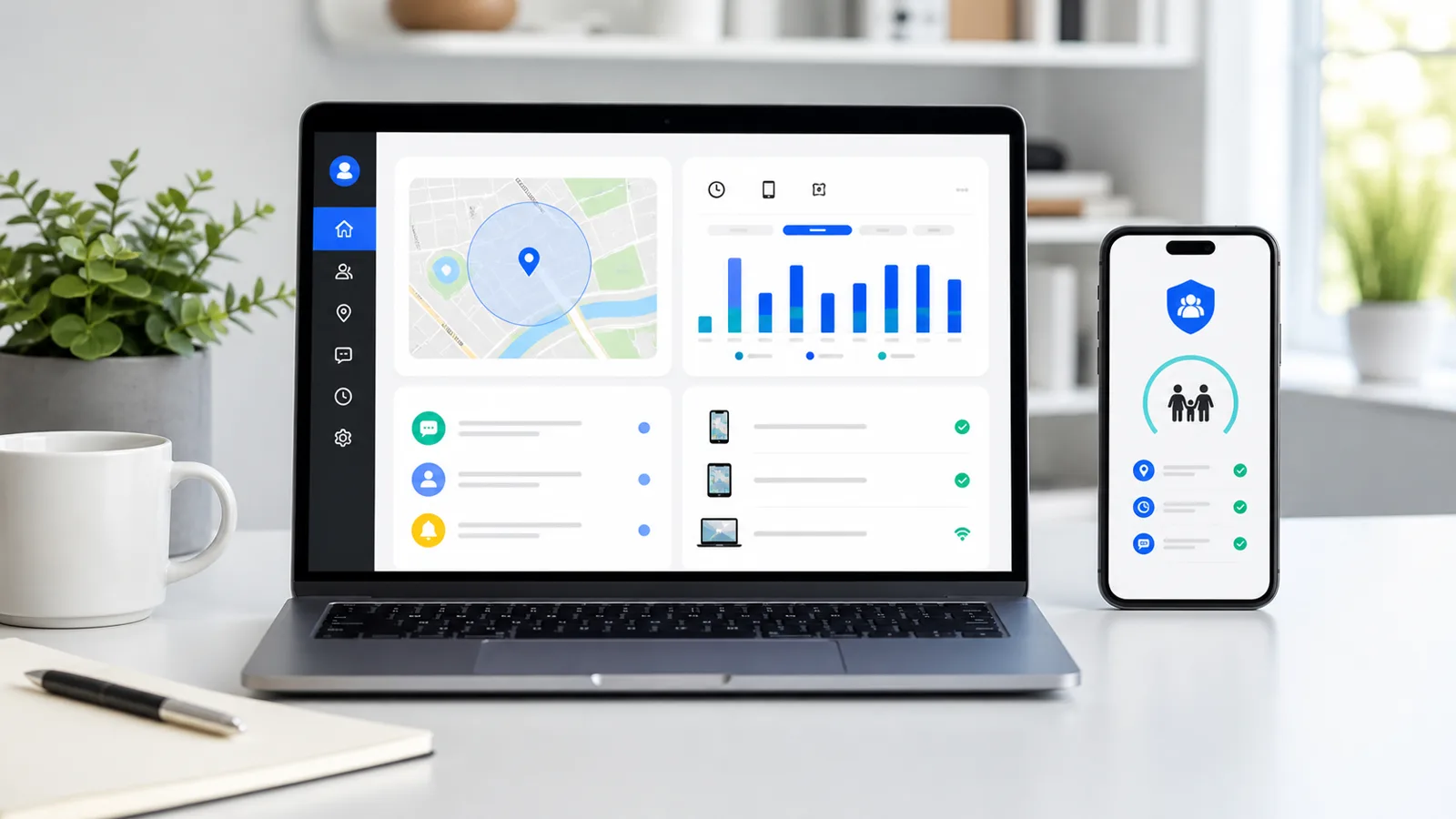
Textspyer is one of many phone monitoring brands competing for buyers who want message and device visibility. That makes trust, legality, and fit more important than marketing claims. If you are comparing Textspyer for parental oversight of a minor or a company-owned device with proper notice, this review will help you judge it. If you want to read another adult’s messages without consent, this is not the right path.
Textspyer Review: What Buyers Should Check First
Before paying for any monitoring software, check four things: lawful use, device compatibility, setup requirements, and refund terms. Those practical details matter more than feature lists, especially in a category where sales pages often overpromise.
Where Textspyer May Fit
Parents who need added visibility on a minor child’s device and understand the legal limits.
Device owners comparing monitoring products for their own hardware.
Businesses reviewing company-device oversight options with a written policy.
Where It Becomes a Bad Fit
Relationship surveillance or covert monitoring of another adult.
Buyers who mainly need screen-time control, web filtering, or family-safety tools.
Anyone unwilling to read the legal and technical setup details before purchase.
Pros
Relevant to buyers comparing monitoring dashboards and message-focused tools.
Can be evaluated as part of a broader lawful family-monitoring shortlist.
May appeal to users who want more detail than basic parental controls provide.
Cons
The category has high legal risk when used outside narrow lawful scenarios.
Transparency and vendor quality matter a lot, and many buyers skip that step.
Parent-first alternatives can be easier to justify and easier to use responsibly.
Safer Alternatives for Family Monitoring
If your goal is digital parenting rather than covert surveillance, these are better starting points:
Tool
Best For
Why It Stands Out
Qustodio
Transparent family controls
Strong for web filtering, routines, and screen time.
mSpy
Detailed parental oversight
Useful when parents need broader monitoring within a lawful context.
Eyezy
Feature comparisons
Helpful for buyers comparing broad monitoring feature sets.
Textspyer may attract buyers who want message-heavy monitoring, but the smarter buying process starts with lawful use and product transparency. If you are a parent, compare family-control tools first. If you are a business, make sure device ownership, consent, and policy language are all clear before you buy anything.
Frequently Asked Questions
Is Textspyer legal? It can be legal only in narrow circumstances such as parental oversight of a minor, monitoring your own device, or authorized company-device oversight. Consent and local law matter.
Can Textspyer help with simple family safety? Often a parent-first tool is a better fit for simple family safety because it focuses more on controls and less on covert-style monitoring.
Use cybersecurity guidance only on accounts, devices, and networks you own or are clearly authorized to review. If you are dealing with account recovery, suspicious logins, device privacy concerns, or business security checks, document what happened, preserve alerts or recovery emails, and avoid sharing passwords, one-time codes, private keys, or financial details. Spy Wizards focuses on lawful support, ethical security review, privacy protection, and practical recovery steps that reduce risk without crossing consent boundaries.
In an era where digital threats loom large, tools like WebWatcher have become essential for parents and employers seeking to ensure safety and productivity. Webwatcher Reviews: Is This Monitoring Tool Right For You? examines this popular phone monitoring app, known for tracking texts, calls, social media, and GPS locations. As of June 29, 2025, its ability to monitor devices discreetly appeals to those prioritizing digital privacy and parental control, but its ethical and technical challenges spark debate. User reviews on Trustpilot (3.8/5 from 300 reviews) praise its ease of use but highlight issues like limited iOS functionality and customer service concerns. This article explores WebWatcher’s features, ethical implications, legal considerations, and technical performance, offering insights into whether it suits your needs. By leveraging ethical hacking and cybersecurity solutions, users can monitor responsibly while protecting trust in relationships. Let’s dive into whether WebWatcher is the right tool for you.
Ethical Implications of WebWatcher: Balancing Safety and Trust
Webwatcher Reviews: Is This Monitoring Tool Right For You? underscores the ethical challenges of phone monitoring, particularly its impact on relationships and privacy.
Trust in Relationships at Stake
Using WebWatcher to monitor a child or partner without consent can erode trust in relationships. Its stealth mode tracks texts, social media (e.g., WhatsApp, Instagram), and call logs discreetly, but secretive use risks relational harm. A Psychology Today article emphasizes transparency as key to trust. Trustpilot reviews praise WebWatcher’s parental control capabilities but note potential backlash when targets detect monitoring. Ethical hacking advocates for consent-based monitoring to balance safety and digital privacy. Learn more at ethical hacking services.
Ethical Use in Professional Settings
For employee tracking, WebWatcher monitors company devices, but clear policies are crucial to avoid distrust. Sitejabber reviews (2.5/5 from 200 reviews) highlight billing issues but commend its user-friendly dashboard. Transparent monitoring aligns with cybersecurity solutions, ensuring ethical practices. For guidance, visit data protection resources.
Legal Considerations for WebWatcher Use
The legality of WebWatcher is a critical aspect of Webwatcher Reviews: Is This Monitoring Tool Right For You?, governed by data protection laws.
Compliance with Privacy Regulations
In the U.S., the Electronic Communications Privacy Act (ECPA) permits parental monitoring of minors but prohibits unauthorized adult surveillance. The EU’s GDPR mandates explicit consent. A Harvard Law Review article warns of legal penalties for non-compliance. WebWatcher’s website emphasizes legal use for parental control or consented employee tracking, but unauthorized use risks lawsuits. For compliance support, explore cybersecurity services.
Risks of Unauthorized Monitoring
Unauthorized use can lead to legal consequences or data breaches. A 2024 TechCrunch report labeled similar apps as “stalkerware,” noting privacy risks. WebWatcher uses AES-256 encryption, but Sitejabber reviews mention data sync delays, raising concerns about spyware risks. Ethical hacking ensures legal and secure use by identifying vulnerabilities. Visit penetration testing services for secure monitoring solutions.
Technical Capabilities and Limitations
WebWatcher’s technical features are central to Webwatcher Reviews: Is This Monitoring Tool Right For You?, but limitations affect its mobile security.
Key Features and Performance
WebWatcher tracks SMS, call logs, social media (e.g., Snapchat, TikTok), GPS locations, and browser history, operating in stealth mode. Cyberlords.io praises its Android compatibility and quick installation (5-10 minutes) but notes iOS limitations, requiring iCloud credentials or jailbreaking. The dashboard is intuitive, though some users report lag in real-time updates. For secure setups, check cybersecurity tips.
Security and Installation Challenges
Android installation requires disabling security settings, increasing malware risks, while iOS setups need iCloud access or jailbreaking, heightening spyware risks. A Kaspersky blog warns that such configurations expose devices to vulnerabilities. Trustpilot reviews note battery drain and inconsistent customer support, suggesting potential security gaps. Ethical hacking can test for these risks, ensuring digital privacy.
Solutions and Alternatives for Responsible Monitoring
To address WebWatcher’s limitations, consider these best practices and alternatives for ethical phone monitoring.
Promote Transparency: Discuss monitoring with targets to maintain trust in relationships and comply with data protection laws.
Choose Secure Apps: Opt for apps with robust encryption. uMobix offers advanced social media tracking and iOS support, per 2025 Cybernews reviews.
Enable 2FA: Secure accounts with two-factor authentication to enhance mobile security.
Explore Parental Control Alternatives: Qustodio provides web filtering and time limits, ideal for non-invasive parental control.
Conduct Security Audits: Use ethical hacking to test app vulnerabilities, ensuring mobile security. Visit penetration testing services.
Verify Legal Compliance: Consult legal experts to ensure monitoring aligns with local laws.
The Role of Ethical Hacking in Secure Monitoring
Ethical hacking is vital for evaluating apps like WebWatcher, ensuring they meet mobile security standards. White-hat hackers test for data leaks, weak encryption, or installation risks, critical given Sitejabber’s reports of inconsistent performance. Ethical hacking ensures compliance with data protection laws and protects against spyware risks, fostering trust. A 2025 Cybernews report recommends ethical hacking for monitoring apps to verify security. By partnering with professionals, users can monitor safely while upholding digital privacy. Explore ethical hacking services to secure your monitoring practices.
Conclusion
Webwatcher Reviews: Is This Monitoring Tool Right For You? reveals WebWatcher’s strengths in phone monitoring, with robust tracking of texts, calls, and social media, making it valuable for parental control and employee tracking. However, ethical concerns, legal risks, and technical limitations—like iOS constraints and spyware risks—require careful consideration. Alternatives like uMobix or Qustodio offer enhanced features and reliability, while ethical hacking ensures secure use. Prioritize transparency, legal compliance, and cybersecurity solutions to monitor responsibly. Visit Hacker01’s cybersecurity services to explore tools and services for safe, ethical monitoring in 2025
Spyic positions itself as a premium, non-root/non-jailbreak monitoring solution for both Android and iOS devices, emphasizing its ease of installation and stealth operation. Its marketing materials frequently highlight a comprehensive suite of features designed to offer users deep insights into a target device’s activities, asserting its ability to help users Spyic Reviews: Unlock The Full Potential Of Spy Apps.
Key Monitoring Capabilities Touted by Spyic:
Based on information commonly found in Spyic’s promotional content and various independent reviews, here are its primary advertised functionalities:
Social Media Monitoring: Spyic claims to allow users to monitor popular social media and instant messaging apps like WhatsApp, Facebook Messenger, Snapchat, Instagram, Telegram, Kik, and Viber. This typically includes access to chat conversations, shared media files, and group discussions.
Call & SMS Tracking: Users are promised detailed logs of incoming, outgoing, and missed calls, including contact names, timestamps, and call durations. It also aims to provide access to sent and received text messages (SMS/MMS), including deleted ones.
GPS Location Tracking: Spyic offers real-time location tracking of the target device, along with a detailed history of visited locations. It often includes geofencing capabilities, allowing users to set virtual boundaries and receive alerts when the device enters or leaves designated areas. This feature is often highlighted for location tracking for minors.
Web Browse History: The app is designed to track internet Browse history, including visited websites, timestamps, and bookmarks. This provides insights into online content consumption.
Keylogger: A standard feature in many monitoring apps, Spyic typically includes a keylogger that records every keystroke made on the target device. This can potentially capture sensitive information like messages, search terms, and even login credentials.
Stealth Mode: Spyic often emphasizes its ability to operate discreetly in the background, making it difficult for the target user to detect its presence on their device. This “stealth” aspect is a key selling point for many considering such apps.
Photos & Videos Access: The ability to view multimedia files (photos and videos) stored on the target device’s gallery is another advertised feature, providing insight into visual content.
Installed Applications: Users can typically view a list of all installed applications on the target device, along with their usage patterns.
SIM Card Change Alerts: This feature notifies the user if the SIM card in the target device is changed.
Spyic’s appeal often lies in its promise of a comprehensive, non-intrusive installation process (especially for iOS, where it claims to work without jailbreaking by using iCloud credentials). However, it’s crucial for prospective users to understand that the efficacy and ethical implications of such features are far more complex than simple marketing claims suggest. The very nature of a “spy app” immediately raises red flags concerning digital privacy and fundamental rights.
The Ethical Crossroads: Protection, Trust, and Digital Privacy
The use of applications like Spyic, particularly when deployed without the explicit knowledge and consent of the monitored individual, plunges users into a deep ethical quagmire. While intentions might often be rooted in a desire to “safeguard loved ones” or ensure security, the potential for harm to trust in partnerships and the fundamental right to digital privacy is immense.
1. Parental Control vs. Transparency: Nurturing Responsible Digital Habits
Many parents considering Spyic do so out of genuine concern for their children’s online safety, aiming to protect them from cyberbullying, exposure to inappropriate content, or online predators. The idea of “unlocking the full potential” of monitoring for their child’s well-being can be compelling.
Ethical Insight: While parental responsibility for minors is legally recognized, the ethical consensus among child development and digital safety experts increasingly favors transparency and open dialogue. Covert monitoring, especially as children approach adolescence, can erode trust in parent-child relationships, foster resentment, and impede a child’s development of independent judgment and responsible screen time management. Instead, open communication about online risks, collaborative setting of digital boundaries, and utilizing transparent family safety features (often built into operating systems like Google Family Link or Apple Screen Time) are considered more ethical and effective long-term strategies. The goal should be to empower children to navigate the digital world safely, rather than simply observing them without their knowledge.
2. Employee Monitoring for Productivity and Security: The Need for Clear Policies
For businesses, monitoring company-owned devices with tools like Spyic might be considered to enhance productivity, protect sensitive intellectual property, or prevent data theft.
Ethical Insight:Employee monitoring in the workplace must be conducted with absolute transparency and clear, legally compliant policies. Employees must be fully informed that their work devices are being monitored, typically through written agreements, employment contracts, and prominent notices. Undisclosed or excessive surveillance can severely damage employee morale, cultivate a climate of mistrust, and lead to significant legal challenges. Ethical employee monitoring is purpose-driven, limited to work-related activities, and respects reasonable expectations of privacy. Organizations should prioritize legitimate cybersecurity solutions and transparent policies that clearly outline monitoring practices to ensure legal compliance and maintain a positive work environment.
3. Personal Relationships: A Direct Assault on Trust in Relationships
The use of an application like Spyic to secretly monitor a spouse or partner, often in the context of relationship issues, is one of the most ethically problematic applications.
Ethical Insight: Covertly monitoring an adult without their explicit, informed consent is a profound violation of their digital privacy and a severe breach of trust in relationships. Such actions are not only ethically reprehensible but are also highly likely to be illegal in most jurisdictions, potentially leading to civil lawsuits or criminal charges. Addressing relationship issues, including suspicions of infidelity, should always involve open communication strategies, professional counseling, or, if necessary, legal separation, rather than resorting to invasive and unlawful unauthorized surveillance. These types of applications, when used in this manner, are often classified as stalkerware.
The Legal Framework: Navigating Data Protection Laws and Criminal Statutes
The legality of using “spy apps” like Spyic is complex and varies significantly by jurisdiction, the relationship between the parties, and the ownership of the monitored device. It is crucial to understand that unauthorized use can lead to severe civil and criminal penalties.
1. The Fundamental Principle of Consent:
In virtually all legal systems, installing monitoring software on another individual’s device without their explicit knowledge and informed consent is illegal.
Adults: Spying on an adult without their consent is broadly illegal. It can lead to charges under various laws, including those related to unauthorized access to computer systems (e.g., the Computer Fraud and Abuse Act – CFAA in the U.S.), wiretapping or electronic communications interception (e.g., the Electronic Communications Privacy Act – ECPA in the U.S., which includes federal wiretapping laws; many U.S. states have “two-party consent” laws for recording conversations, requiring all parties to consent). It can also lead to charges of cyberstalking or invasion of privacy. Penalties can include significant fines and imprisonment. As the Electronic Frontier Foundation (EFF) consistently highlights, such use often falls under illegal surveillance.
Minors: Parents generally have the legal right to monitor their underage children’s devices for safety reasons. However, laws can vary regarding the age at which a child’s own consent becomes legally relevant, especially for older teenagers. The monitoring must genuinely be for the child’s welfare and not for unrelated surveillance.
Employees: For company-owned devices, employers have more leeway, but must comply with employee monitoring laws. This invariably requires providing clear notice to employees about monitoring activities and often obtaining explicit written consent. Failure to comply with data privacy regulations (like GDPR, CCPA, or local Nigerian data protection laws like the Nigeria Data Protection Act (NDPA) 2023) can result in substantial penalties. The NDPA specifically emphasizes consent, purpose limitation, and transparent processing of personal data, making covert employee monitoring a clear violation. (Source: Nigeria Data Protection Commission)
2. Data Protection Laws and the Fight Against Stalkerware:
Comprehensive data protection laws and privacy regulations (e.g., GDPR, CCPA, NDPA) govern the collection, processing, storage, and sharing of personal data. Any use of a monitoring app that involves collecting personal data must strictly comply with these regulations. Unlawful data collection or misuse can lead to severe fines and legal action for individuals and organizations. The global fight against stalkerware, which is software specifically designed for unauthorized surveillance, underscores the growing legal emphasis on protecting individuals from such intrusive technologies. (Source: EFF – Stalkerware).
Beyond “Spy Apps”: Responsible Alternatives and Robust Cybersecurity
Considering the immense legal and ethical risks, relying on covert “spy apps” like Spyic is rarely a viable, responsible, or truly effective solution. Instead, embracing transparency, open communication, and proactive cybersecurity best practices offers a far more legitimate and sustainable path to digital safety.
1. Emphasize Open Communication and Mutual Respect:
For Families: Engage children in honest conversations about online risks and responsible digital behavior. Utilize native device features for parental controls or family safety apps that encourage transparent monitoring and mutual understanding.
For Relationships: Address trust issues through direct, honest communication, counseling, or seeking appropriate support. Covert surveillance is a destructive act that erodes the foundation of any healthy relationship.
2. Leverage Legitimate, Transparent Tools:
Modern smartphones and operating systems offer robust built-in features for location sharing (with consent), screen time management, and family safety. For businesses, Mobile Device Management (MDM) solutions offer legitimate and legally compliant ways to manage, secure, and monitor company-owned devices, ensuring regulatory compliance and data protection without resorting to legally dubious or ethically questionable spy apps.
3. Fortify Personal Digital Security Against Spyware:
Understanding how monitoring software operates is crucial for protecting oneself from unwanted surveillance.
Spyware Detection & Removal: Regularly scan your devices with reputable antivirus and anti-malware software. These tools are designed to detect and remove malicious software, including hidden spyware. Be alert to signs like unusual battery drain, increased data usage, device overheating, or unfamiliar apps. Seek out tools for spyware detection.
Review App Permissions: Always scrutinize the permissions requested by apps before installation. Limit access to your camera, microphone, location, and contacts to only those apps that genuinely require them for their intended function.
Keep Software Updated: Enable automatic updates for your device’s operating system and all applications. Security patches frequently fix vulnerabilities that spyware might exploit to gain access or maintain stealth.
Strong Passwords and MFA: Implement strong, unique passwords for all online accounts and enable Multi-Factor Authentication (MFA) wherever available. This significantly enhances account security, making it harder for unauthorized parties to gain access even if credentials are leaked.
4. The Indispensable Role of Professional Cybersecurity Services:
If you suspect unauthorized monitoring or a security breach, professional help is crucial.
Digital Forensics:Digital forensics services can meticulously analyze a device to determine if it has been compromised by spyware, identify the extent of data exfiltration, and collect evidence for potential legal action.
Ethical Hacking and Vulnerability Management: While tools like Spyic aim for individual surveillance, the overarching field of ethical hacking is dedicated to preventing such unauthorized access. Organizations engage ethical hacking services for penetration testing and vulnerability assessments to proactively find and fix weaknesses in their systems that malicious actors, or even misuse of monitoring tools, could exploit. Platforms like HackerOne are instrumental in facilitating bug bounty programs, connecting organizations with a global community of ethical hackers who responsibly disclose vulnerabilities, thereby significantly strengthening overall digital security and data protection. To learn more about how ethical hacking fortifies systems and enhances cybersecurity solutions, visit https://hackerone.com/.
Conclusion
In concluding our exploration of Spyic Reviews: Unlock The Full Potential Of Spy Apps, the overarching message is clear: while Spyic offers a wide array of monitoring features, its application is fraught with severe ethical and legal challenges. The notion of “unlocking the full potential of spy apps” must be critically evaluated against the backdrop of an individual’s fundamental right to digital privacy and the legal frameworks designed to protect it. Covert surveillance of adults is almost universally illegal and profoundly damages trust in relationships. For minors, transparency and education are key to fostering online safety and healthy trust in parent-child relationships. True digital safety lies not in secretive surveillance but in open communication, mutual respect, adherence to data protection laws (like the NDPA), and the proactive implementation of robust cybersecurity best practices. For expert guidance in vulnerability management
If you are reading an mSpy review because you want a straight answer before paying, here it is: mSpy has a broad monitoring feature list and workable options for both Android and iPhone, but the experience is not identical on every device. Android usually needs brief physical access for installation. iPhone monitoring can sometimes begin through an authorized iCloud account, although two-factor authentication, backup settings, and the chosen sync method can change what you see.
This mSpy app review focuses on the questions that matter at checkout: what mSpy can show, what it costs, whether it works without jailbreak or root, how detectable it may be, and which alternative makes more sense when mSpy is not the right fit.
Table of Contents
mSpy review: the quick verdict
mSpy is a reasonable choice for a parent or device owner who wants one web dashboard for location, calls, texts, web activity, apps, and selected social platforms. It is a weaker fit if you expect every advertised feature on every phone, need several devices under one inexpensive subscription, or cannot complete the authorized setup steps.
We did not treat the sales page as proof that every feature works everywhere. We compared mSpy’s current feature list, compatibility guidance, installation methods, subscription information, and legal-use notice. We then organized the findings around five buying questions:
Does the app support the phone and operating system you need?
Which features are available with that specific installation method?
Will you need the device, its passcode, or its authorized cloud account?
What will the subscription cost after any introductory offer?
Can you use it openly and lawfully in your household?
This is an editorial review, not a claim that we secretly tested mSpy on another person’s phone. Product details and promotional prices can change, so the final compatibility check should happen before payment.
What can mSpy monitor?
mSpy groups a large number of tools into its online control panel. Depending on the phone and setup, the available categories may include SMS and iMessage, call logs, contacts, GPS location, geofences, browsing history, bookmarks, installed apps, photos, videos, email, calendar entries, keyword alerts, screen recording, keylogging, and selected social or messaging apps.
Feature group
What it can help a parent review
What to verify first
Location
Current location, routes, and geofence alerts.
GPS permissions, update frequency, and battery settings.
Calls and messages
Call history, contacts, SMS, and supported message data.
Operating system and installation method.
Web and apps
Browsing history, installed apps, app blocking, and website blocking.
Whether controls or only activity records are available.
Social apps
Supported data from WhatsApp, Snapchat, Instagram, Facebook, Telegram, and others.
App version, Android or iOS support, and whether advanced setup is required.
Media and typing
Photos, videos, screenshots, keyword alerts, and keylogger data.
Permission requirements and feature availability on the exact device.
The long feature list is attractive, but it should not be read as a guarantee that a non-jailbroken iPhone, a current Android phone, and an older device will return the same data. mSpy itself notes that features differ by installation method. That is the most important detail in this entire review.
mSpy Snapchat, WhatsApp, and Instagram review
The keyword data shows buyers are specifically checking whether mSpy covers Snapchat, WhatsApp, and Instagram. mSpy lists these platforms among its supported social tools, particularly for Android, but app updates and setup choices can affect coverage. Before buying for one specific network, ask support to confirm that network on the exact phone model and operating-system version. Do not buy a full subscription based only on a logo in a feature grid.
mSpy iPhone review versus Android
Android
Android normally offers the broader direct-install experience. mSpy says physical access is required to install the app and grant its permissions. After that authorized setup, the account owner can review available data from a browser-based dashboard on another phone or computer. Rooting is not required for the main feature set, though exact support still depends on the device.
iPhone
For iPhone, mSpy offers more than one route. iCloud Sync uses the authorized Apple account and an active backup. Wi-Fi Sync starts with a cable connection to a Mac or PC, then updates when the devices meet the required network conditions. Older direct-install options can depend on specific iOS versions or a jailbroken phone. Each route has a different feature ceiling.
Before paying: write down the phone model, OS version, whether two-factor authentication is enabled, and the three features you actually need. Send that list to product support and keep the answer.
Can mSpy control a phone remotely without touching it?
The honest answer is not from a phone number alone. A legitimate monitoring app cannot simply take control of an arbitrary phone across the internet. It needs an authorized setup path.
Android: expect initial physical access to install the app and approve permissions. Once configured, dashboard review can happen remotely.
iPhone with iCloud Sync: ongoing physical access may not be needed after the authorized account connection, but Apple ID credentials, backups, and two-factor authentication can require the device owner to participate.
iPhone with Wi-Fi Sync: initial access to the iPhone and a computer is required, and later updates depend on the sync conditions.
“Remote monitoring” therefore describes how you view data after setup. It does not mean bypassing a passcode, Apple security, Android permissions, or account consent. Offers promising full remote installation on any phone with no access, credentials, or approval should be treated cautiously.
mSpy pricing in 2026
At the time of this update, mSpy’s published Premium pricing listed a one-month option at $48.99, a three-month option at $27.99 per month, and a twelve-month option at $11.66 per month. Longer terms reduce the monthly rate but increase the amount committed upfront. Promotions, taxes, renewals, and support add-ons can change the final charge.
One Premium subscription generally covers one monitored device. A low monthly figure on an annual plan is not the same thing as a month-to-month payment, so check the total due today and the renewal terms on the final checkout screen.
mSpy promotes a product demo, but a demo is not the same as a free trial on your own device. Trial, refund, and cancellation language can change. Read the terms shown for your selected plan before entering payment details, and save the order confirmation.
Is mSpy detectable?
No monitoring app should be described as permanently invisible. Even when an icon is hidden, a phone owner may notice permission changes, battery or data activity, security warnings, account alerts, an unfamiliar device administrator, or changes in backup behavior. Apple and Android also continue to add privacy and safety controls.
For family use, openness is usually more reliable than trying to conceal the app. Agree on what is being reviewed, why alerts are enabled, and when monitoring will end. If your main concern is whether a phone already contains unwanted monitoring software, use the Spy Wizards phone privacy checkup.
mSpy pros and cons
Pros
Limitations
Broad set of location, communication, web, app, and media categories.
Available features vary by phone, OS, and setup method.
Web dashboard can be opened from another connected device after setup.
Android normally requires initial physical access and permissions.
Non-jailbreak iPhone options are available.
iCloud and Wi-Fi Sync do not provide identical coverage.
Monthly and longer-term subscription choices.
One-device coverage can become expensive for larger families.
Compatibility help and installation guidance are available.
Renewal, refund, and add-on terms deserve a careful read.
Best mSpy alternatives to compare
mSpy is not the only option, and the right alternative depends on whether you value a simpler family dashboard, deeper Android records, iPhone support, location tools, or a lower commitment. We recommend comparing the setup requirements before comparing the marketing headlines.
Sphnix: the Spy Wizards alternative
Sphnix is our family-focused dashboard option for buyers who want to see the product experience before choosing a plan.
Use the demo to inspect calls, messages, social activity, location, media, reports, and device status. Confirm the supported phone and onboarding method before purchase; the demo is a product preview, not proof that every data category is available on every device.
A commercial parental-monitoring alternative worth checking when dashboard simplicity and alert-style tools matter. Verify the exact iPhone or Android feature set before subscribing.
A monitoring alternative often considered by buyers who prioritize communication and social-app activity. Confirm installation access, compatibility, and renewal terms first.
A parent-oriented alternative for households that want activity visibility and family-safety tools. Check device limits and operating-system support before paying.
You want a mature one-device dashboard with broad advertised coverage.
Exact features for your setup and total renewal cost.
Sphnix
You want to inspect the Spy Wizards dashboard experience first.
Supported devices, onboarding, and production availability.
Eyezy
You prefer an alternative commercial dashboard and alert tools.
iPhone versus Android feature differences.
Spynger
Communication and social categories are the main buying reason.
Access requirements and support for each named app.
Parentaler
You want a product presented around parental oversight.
Compatibility and the features included in your plan.
Who should buy mSpy?
mSpy makes the most sense for a parent or device owner who has one compatible phone, can complete the proper setup, and wants several monitoring categories in one dashboard. The annual plan can offer better monthly value if you already know the software fits.
Choose another product, or begin with built-in Apple and Google family tools, when you need transparent screen-time limits more than message records, manage several phones, cannot meet the setup requirements, or are unsure whether monitoring is permitted.
Five buying questions to answer before checkout
Will mSpy work on my exact iPhone or Android version? Compatibility should be confirmed at model and OS level.
Can it show the one app I care about? Ask about Snapchat, WhatsApp, Instagram, or any named service specifically.
Do I need physical access? Android normally does; iPhone requirements depend on iCloud, two-factor authentication, backups, or Wi-Fi Sync.
What is due today and at renewal? Compare the total charge, not only the advertised monthly equivalent.
Is the setup appropriate for my household? Use monitoring only where you own the device or have clear legal authority and permission.
Frequently asked questions
Is mSpy legitimate?
mSpy is a commercial monitoring product for Android and iPhone. Whether its use is legitimate depends on the device, your authority to supervise it, consent requirements, and local law. Buying software does not create permission to monitor someone else’s account or phone.
Can mSpy be installed without touching the phone?
Android setup normally requires initial physical access. Some authorized iPhone setups can use iCloud credentials, but two-factor authentication, backups, and feature limits may still require help from the device owner. There is no credible phone-number-only setup for full monitoring.
Does mSpy work on iPhone without jailbreak?
Yes, mSpy advertises iCloud Sync and Wi-Fi Sync for non-jailbroken iPhones. The available data differs by method, so check the feature list for your iOS version before paying.
Is there an mSpy free trial?
mSpy offers a product demo. A demo does not necessarily provide a free live-device trial, so verify the current checkout and refund terms.
What is the best mSpy alternative?
There is no universal winner. Sphnix is the Spy Wizards dashboard alternative; Eyezy, Spynger, and Parentaler are commercial options. Compare compatibility, setup access, device limits, and renewal cost for your situation.
Spyzie is often marketed as an easy monitoring app, but the real question is not whether it has features. The real question is whether the use case is legal, ethical, and proportionate. This review focuses on lawful parental oversight, device-owner monitoring, and safer alternatives for family use.
Spyzie Review: Quick Take
Spyzie appeals to buyers who want simple setup and broad monitoring claims. That can make it attractive, but it also means buyers should slow down and ask whether they really need that level of access or whether a more transparent parental-control tool would be a better fit.
What Spyzie Is Best Known For
General phone-activity monitoring claims.
Appeal to users who want a simpler dashboard.
Positioning around broad access rather than family digital wellbeing.
Best Use Cases
Lawful parental oversight.
Authorized device-owner monitoring.
Documented business-device policies with consent.
Main Risks
Misuse for covert adult surveillance.
Privacy overreach.
Trust damage in families if monitoring is hidden rather than explained.
Spyzie vs Safer Parent-Focused Alternatives
If your goal is child safety, school-night screen control, location awareness, or family rules, compare Spyzie with products designed around those use cases.
Tool
Best For
Why It May Be Better
Qustodio
Screen time and filtering
Better for transparent family controls and digital wellbeing.
mSpy
More detailed parental monitoring
Useful when parents need broader visibility into a child’s device activity.
Eyezy
Feature-rich family monitoring
Common comparison option for families evaluating alternatives.
Spyzie is easier to discuss than to recommend broadly. If your need is lawful family oversight, compare it against more clearly parent-focused options before you buy. If your intent is covert adult surveillance, do not go further. That is where legal and ethical risk quickly outweighs any claimed benefit.
Frequently Asked Questions
Is Spyzie legal? It depends on who owns the device, whether consent is present, and which laws apply where you are. It is not a free pass for secret monitoring.
What is a better alternative for parents? Many families will find Qustodio, mSpy, or Eyezy easier to justify because they map more clearly to family-safety and parental-control use cases.
Use cybersecurity guidance only on accounts, devices, and networks you own or are clearly authorized to review. If you are dealing with account recovery, suspicious logins, device privacy concerns, or business security checks, document what happened, preserve alerts or recovery emails, and avoid sharing passwords, one-time codes, private keys, or financial details. Spy Wizards focuses on lawful support, ethical security review, privacy protection, and practical recovery steps that reduce risk without crossing consent boundaries.
Cocospy positions itself as a premium, discreet monitoring solution for both Android and iOS devices, often highlighting its ease of installation and stealth operation. Its marketing materials frequently showcase a comprehensive suite of features designed to offer users deep insights into a target device’s activities, asserting its ability to help users Cocospy Reviews: Unleash The Power Of Covert Surveillance.
Key Monitoring Features Touted by Cocospy:
Based on information commonly found in Cocospy’s promotional content and various independent reviews, here are its primary advertised functionalities:
Social Media and Instant Messaging Monitoring: Cocospy claims to allow users to monitor popular social media and instant messaging apps like WhatsApp, Facebook Messenger, Snapchat, Instagram, Telegram, Kik, and Viber. This typically includes access to chat conversations, shared media files, and group discussions, providing a broad overview of digital communication.
Call & SMS Tracking: Users are promised detailed logs of incoming, outgoing, and missed calls, including contact names, timestamps, and call durations. It also purports to provide access to sent and received text messages (SMS/MMS), including those that may have been deleted, ensuring a comprehensive record of communications.
GPS Location Tracking & Geofencing: Cocospy offers real-time location tracking of the target device, along with a detailed history of visited locations. It often includes geofencing capabilities, enabling users to set virtual boundaries and receive alerts when the device enters or leaves designated areas. This feature is frequently highlighted for parental control.
Web Browse History & Bookmarks: The app is designed to track internet Browse history, including visited websites, timestamps, and bookmarks. This provides insights into online content consumption and can be used to manage exposure to potentially inappropriate material for minors.
Keylogger: A standard feature in many monitoring apps, Cocospy typically includes a keylogger that records every keystroke made on the target device. This can potentially capture sensitive information like messages, search terms, and even login credentials, although strong Multi-Factor Authentication (MFA) offers robust protection against such credential harvesting.
Stealth Mode: A key selling point, Cocospy often emphasizes its ability to operate discreetly in the background, making it difficult for the target user to detect its presence on their device. This “stealth” aspect is what defines it as “covert surveillance” and distinguishes it from transparent monitoring tools.
Photos & Videos Access: The ability to view multimedia files (photos and videos) stored on the target device’s gallery is another advertised feature, providing insight into visual content on the device.
Installed Applications List: Users can typically view a list of all installed applications on the target device, along with their usage patterns, which can be useful for managing app usage.
While Cocospy’s marketing highlights its extensive capabilities and ease of use, it is crucial for prospective users to understand that the real-world implications of deploying such features are far more complex than marketing claims suggest, particularly concerning digital privacy and legal compliance.
The Ethical Quandary: Protection vs. Invasion of Digital Privacy
The use of applications like Cocospy, particularly when deployed without the explicit knowledge and consent of the monitored individual, thrusts users into a deep ethical dilemma. While intentions might sometimes be rooted in a desire to “safeguard loved ones” or ensure security, the potential for harm to trust in partnerships and the fundamental right to digital privacy is immense.
1. Parental Control: Guiding Children vs. Covert Spying
Many parents consider Cocospy out of genuine concern for their children’s online safety, aiming to protect them from cyberbullying, exposure to inappropriate content, or online predators. The idea of “unleashing the power of covert surveillance” for their child’s well-being can be appealing.
Ethical Insight: While parental responsibility for minors is legally recognized, the ethical consensus among child development and digital safety experts increasingly favors transparency and open dialogue. Covert monitoring, especially as children approach adolescence, can erode trust in parent-child relationships, foster resentment, and impede a child’s development of independent judgment and responsible screen time management. Instead, open communication about online risks, collaboratively setting digital boundaries, and utilizing transparent family safety features (often built into operating systems or reputable apps like Google Family Link or Apple Screen Time) are considered more ethical and effective long-term strategies. The goal should be to empower children to navigate the digital world safely, rather than simply observing them without their knowledge. (Source: IO+ – The ethical dilemmas of child tracking apps: care or control?).
2. Employee Monitoring: Productivity vs. Workplace Trust
For businesses, monitoring company-owned devices with tools like Cocospy might be considered to enhance productivity, protect sensitive intellectual property, or prevent data theft.
Ethical Insight:Employee monitoring in the workplace must be conducted with absolute transparency and clear, legally compliant policies. Employees must be fully informed that their work devices are being monitored, typically through written agreements, employment contracts, and prominent notices. Undisclosed or excessive surveillance can severely damage employee morale, cultivate a climate of mistrust, and lead to significant legal challenges. Ethical employee monitoring is purpose-driven, limited to work-related activities, and respects reasonable expectations of privacy. Organizations should prioritize legitimate cybersecurity solutions and transparent policies that clearly outline monitoring practices to ensure legal compliance and maintain a positive work environment. (Source: Medium – The Ethical Implications of Mobile App Tracking and Data Collection).
3. Personal Relationships: A Direct Assault on Trust in Relationships
The use of an application like Cocospy to secretly monitor a spouse or partner, often in the context of relationship issues, is one of the most ethically problematic applications.
Ethical Insight: Covertly monitoring an adult without their explicit, informed consent is a profound violation of their digital privacy and a severe breach of trust in relationships. Such actions are not only ethically reprehensible but are also highly likely to be illegal in most jurisdictions, potentially leading to civil lawsuits or criminal charges. Addressing relationship issues, including suspicions of infidelity, should always involve open communication strategies, professional counseling, or, if necessary, legal separation, rather than resorting to invasive and unlawful unauthorized surveillance. These types of applications, when used in this manner, are often classified as stalkerware.
The Legal Landscape: Navigating Data Protection Laws and Criminal Statutes
The legality of using “spy apps” like Cocospy is complex and varies significantly by jurisdiction, the relationship between the parties, and the ownership of the monitored device. It is crucial to understand that unauthorized use can lead to severe civil and criminal penalties.
1. The Fundamental Principle of Consent:
In virtually all legal systems, installing monitoring software on another individual’s device without their explicit knowledge and informed consent is illegal.
Adults: Spying on an adult without their consent is broadly illegal. It can lead to charges under various laws, including those related to unauthorized access to computer systems (e.g., the Computer Fraud and Abuse Act – CFAA in the U.S.), wiretapping or electronic communications interception (e.g., the Electronic Communications Privacy Act – ECPA in the U.S., which includes federal wiretapping laws; many U.S. states have “two-party consent” laws for recording conversations, requiring all parties to consent). It can also lead to charges of cyberstalking or invasion of privacy. Penalties can include significant fines and imprisonment. (Source: Montague Law – Spyware Laws Unveiled).
Minors: Parents generally have the legal right to monitor their underage children’s devices for safety reasons. However, laws can vary regarding the age at which a child’s own consent becomes legally relevant, especially for older teenagers. The monitoring must genuinely be for the child’s welfare and not for unrelated surveillance.
Employees: For company-owned devices, employers have more leeway, but must comply with employee monitoring laws. This invariably requires providing clear notice to employees about monitoring activities and often obtaining explicit written consent. Failure to comply with data privacy regulations (like GDPR, CCPA, or local Nigerian data protection laws like the Nigeria Data Protection Act (NDPA) 2023) can result in substantial penalties. The NDPA specifically emphasizes consent, purpose limitation, and transparent processing of personal data, making covert employee monitoring a clear violation. (Source: ICLG – Cybersecurity Laws and Regulations Report 2025 Nigeria).
2. Data Protection Laws and the Fight Against Stalkerware:
Comprehensive data protection laws and privacy regulations (e.g., GDPR, CCPA, NDPA) govern the collection, processing, storage, and sharing of personal data. Any use of a monitoring app that involves collecting personal data must strictly comply with these regulations. Unlawful data collection or misuse can lead to severe fines and legal action for individuals and organizations. The global fight against stalkerware, which is software specifically designed for unauthorized surveillance, underscores the growing legal emphasis on protecting individuals from such intrusive technologies. (Source: Kaspersky – What is Stalkerware?). Cocospy has even been explicitly mentioned in discussions around sensitive breaches related to stalkerware on platforms like Have I Been Pwned, highlighting its association with problematic surveillance.
Beyond “Covert Surveillance”: Responsible Alternatives and Robust Cybersecurity
Considering the immense legal and ethical risks, relying on covert “spy apps” like Cocospy is rarely a viable, responsible, or truly effective solution. Instead, embracing transparency, open communication, and proactive cybersecurity best practices offers a far more legitimate and sustainable path to digital safety.
1. Emphasize Open Communication and Mutual Respect:
For Families: Engage children in honest conversations about online risks and responsible digital behavior. Utilize native device features for parental controls or family safety apps that encourage transparent monitoring and mutual understanding.
For Relationships: Address trust issues through direct, honest communication, counseling, or seeking appropriate support. Covert surveillance is a destructive act that erodes the foundation of any healthy relationship.
2. Leverage Legitimate, Transparent Tools:
Modern smartphones and operating systems offer robust built-in features for location sharing (with consent), screen time management, and family safety. For businesses, Mobile Device Management (MDM) solutions offer legitimate and legally compliant ways to manage, secure, and monitor company-owned devices, ensuring regulatory compliance and data protection without resorting to legally dubious or ethically questionable spy apps.
3. Fortify Personal Digital Security Against Spyware:
Understanding how monitoring software operates is crucial for protecting oneself from unwanted surveillance.
Spyware Detection & Removal: Regularly scan your devices with reputable antivirus and anti-malware software. These tools are designed to detect and remove malicious software, including hidden spyware. Be alert to signs like unusual battery drain, increased data usage, device overheating, or unfamiliar apps. Implement routine spyware detection scans. (Source: Avast – How to Detect & Remove Spyware From Android Phones).
Review App Permissions: Always scrutinize the permissions requested by apps before installation. Limit access to your camera, microphone, location, and contacts to only those apps that genuinely require them for their intended function.
Keep Software Updated: Enable automatic updates for your device’s operating system and all applications. Security patches frequently fix vulnerabilities that spyware might exploit to gain access or maintain stealth.
Strong Passwords and MFA: Implement strong, unique passwords for all online accounts and enable Multi-Factor Authentication (MFA) wherever available. This significantly enhances account security, making it harder for unauthorized parties to gain access even if credentials are leaked. (Source: National Cyber Security Authority – 5 tips to protect your data privacy online).
4. The Indispensable Role of Professional Cybersecurity Services:
If you suspect unauthorized monitoring or a security breach, professional help is crucial.
Digital Forensics:Digital forensics services can meticulously analyze a device to determine if it has been compromised by spyware, identify the extent of data exfiltration, and collect evidence for potential legal action. Mobile phone forensics is a specialized area within this field. (Source: Kroll – Mobile Device Forensics Services).
Ethical Hacking and Vulnerability Management: While tools like Cocospy enable individual surveillance, the overarching field of ethical hacking is dedicated to preventing such unauthorized access on a broader scale. Organizations engage ethical hacking services for penetration testing and vulnerability assessments to proactively find and fix weaknesses in their systems that malicious actors, or even misuse of monitoring tools, could exploit. Platforms like HackerOne are instrumental in facilitating bug bounty programs, connecting organizations with a global community of ethical hackers who responsibly disclose vulnerabilities, thereby significantly strengthening overall digital security and data protection. To learn more about how ethical hacking fortifies systems and enhances cybersecurity solutions, visit https://hackerone.com/.
Conclusion
In concluding our Cocospy Reviews: Unleash The Power Of Covert Surveillance analysis, the overarching message is unequivocal: while Cocospy offers a wide array of monitoring features, its application is fraught with severe ethical and legal challenges. The seductive idea of “unleashing the power of covert surveillance” must be critically weighed against an individual’s fundamental right to digital privacy and the robust legal frameworks designed to protect it. Covert monitoring of adults is almost universally illegal and fundamentally damages trust in relationships. For families, transparency, open communication strategies, and education are far more constructive for fostering online safety and healthy trust in parent-child relationships. True digital safety and responsible digital stewardship stem from education, adherence to data protection laws (like the NDPA), and the proactive implementation of robust cybersecurity best practices, not from
Telenitrox, like many applications marketed as “spy apps” or “monitoring solutions,” is designed to operate discreetly on a target device, purportedly collecting and transmitting data to a remote user dashboard. The core appeal lies in its promise to offer comprehensive insights into a device’s usage.
Features Commonly Associated with Spyware like Telenitrox
While specific, independently verified details about “Telenitrox Spy App” are scarce in publicly available, reputable reviews (often a red flag in itself), such applications typically advertise a range of highly intrusive features:
Call and SMS Tracking: The ability to log all incoming, outgoing, and missed calls with timestamps and contact details. It would also claim to allow users to read sent and received text messages.
Instant Messaging and Social Media Monitoring: These apps often boast the capability to access conversations on popular platforms like WhatsApp, Facebook Messenger, Instagram, Snapchat, and others. This includes reading chats, viewing shared multimedia, and tracking group activities.
GPS Location Tracking: Real-time tracking of the device’s location and a history of its movements. Some may include geofencing, triggering alerts when the device enters or leaves specified areas.
Internet Browse History: Monitoring of websites visited, search queries, and even bookmarks, to paint a picture of online activity.
Keylogger Functionality: Recording every keystroke made on the device, potentially capturing sensitive information like passwords (users should always employ strong, unique passwords and Multi-Factor Authentication for robust protection) and messages across various applications.
Remote Control Functions: Advanced (and highly problematic) features might include remotely activating the device’s microphone to record ambient sounds or the camera to take photos or videos, turning the phone into a live surveillance tool.
Multimedia Access: The ability to view photos and videos stored on the device, including those captured by the device’s camera.
App Usage Tracking and Blocking: Monitoring which applications are used, for how long, and sometimes the ability to remotely block certain apps.
The very existence of such extensive capabilities raises immediate red flags concerning privacy and legality, leading to the crucial question: Is Telenitrox Spy App worth the effort?
The Ethical Quagmire: Weighing Monitoring Against Trust and Privacy
The purported functionalities of spy apps, including Telenitrox, are typically framed around scenarios of protection or oversight. However, each potential application is fraught with profound ethical considerations that cannot be overlooked.
1. Parental Supervision and Child Safety
The most common justification for using a spy app is parental control. Concerned parents, aiming to ensure their children’s online safety, might consider Telenitrox to monitor online activities, track locations, and protect against cyberbullying, inappropriate content, or online predators.
Ethical Dilemma: While a parent’s desire to safeguard their child is legitimate, covert monitoring can severely damage trust in partnerships within the family unit. Experts in child development and digital literacy often advocate for open communication with children about online risks, establishing clear rules, and using transparent, consent-based parental control features (many modern smartphones and operating systems offer these natively). Secret surveillance can lead to resentment, a feeling of invasion, and can hinder a child’s development of independent judgment and responsible digital habits.
2. Employee Monitoring and Business Security
Some businesses might consider implementing tools like Telenitrox on company-owned devices to monitor employees. The stated objectives include boosting productivity, protecting intellectual property, preventing data theft, and ensuring regulatory compliance.
Ethical Dilemma: Employee monitoring, particularly through intrusive methods, raises significant concerns about employee privacy. Ethical and legal best practices for employee monitoring demand complete transparency: employees must be fully informed that their work devices are being monitored, typically through clear, written policies and explicit consent. Covert or excessive monitoring can create a hostile work environment, reduce morale, and expose the company to significant legal risks. Organizations should prioritize legitimate cybersecurity solutions and transparent policies that protect company assets without infringing on employee rights.
3. Personal Relationships and Trust Issues
The highly sensitive and ethically dubious application of spy apps in personal relationships, such as monitoring a spouse or partner due to infidelity suspicions, is a critical area of concern.
Ethical Dilemma: Monitoring an adult without their informed, explicit consent is a grave invasion of digital privacy. This action fundamentally breaches trust, which is the bedrock of any healthy relationship. It is not only ethically indefensible but also highly illegal in most jurisdictions, potentially leading to severe legal repercussions. Issues of trust in relationships should be addressed through open communication strategies, professional counseling, or, if necessary, legal avenues for separation, rather than through covert and harmful surveillance.
The Harsh Realities of the Law: Legal Implications of Spy Apps
The legality of using software like the Telenitrox Spy App is complex and depends heavily on national and regional laws, the relationship between the parties involved, and crucially, who owns the device. Misuse can lead to severe civil and criminal penalties.
1. The Undeniable Requirement for Consent
In the vast majority of legal systems worldwide, installing monitoring software on another individual’s device without their explicit knowledge and informed consent is illegal.
Adults: Spying on an adult (e.g., spouse, partner, adult child) without their consent is broadly illegal. Such actions can lead to civil lawsuits for invasion of privacy and cyberstalking, and even criminal charges under laws prohibiting unauthorized access to computer systems (like the Computer Fraud and Abuse Act – CFAA in the US) or wiretapping statutes. For example, many states in the U.S. require “two-party consent” for recording conversations, meaning all parties must agree. (External Link: Digital Trends – Is it legal to record phone calls)
Minors: While parents generally have the right to monitor their underage children’s devices for online safety, the specifics vary by jurisdiction, especially as children approach the age of majority. Some laws may require a child’s consent above a certain age. The intent must always be protective, not purely surveillant.
Employees: For employer-owned devices, companies typically have more leeway, but they must still comply with employee monitoring laws. This almost always involves providing clear, unambiguous notice to employees about monitoring practices, and often requires explicit written consent. Ignoring data privacy regulations like GDPR (General Data Protection Regulation) or CCPA can lead to significant fines. (External Link: GDPR.eu – Employee Monitoring and GDPR)
2. Wiretapping and Electronic Communications Interception Laws
Laws prohibiting the unauthorized interception of electronic communications (often referred to as wiretapping or eavesdropping laws) directly apply to spy apps. If Telenitrox, or any similar software, records calls, messages, or other communications without the consent of all (or at least one, depending on jurisdiction) parties to the communication, it likely violates these laws. These are serious felonies in many countries.
3. Data Protection Laws and Privacy Regulations
Beyond direct interception, the collection, storage, and processing of personal data via monitoring apps are subject to strict data protection laws. Misuse of such apps, leading to the unlawful collection or exposure of personal data, can result in significant fines and legal action for the perpetrator. The global rise of stalkerware has intensified the focus of law enforcement and privacy advocates on these issues, highlighting the severe consequences of unauthorized surveillance.
Responsible Digital Stewardship: Alternatives and Protective Measures
Given the severe legal and ethical risks associated with covert monitoring tools like Telenitrox, a responsible approach to digital safety prioritizes transparency, communication, and proactive cybersecurity measures.
1. Emphasize Open Communication and Building Trust
For Families: Instead of resorting to hidden surveillance, foster an environment of open dialogue about online risks and responsible device usage. Utilize built-in operating system features for family sharing, screen time management, and location sharing that are designed for transparency and mutual consent.
For Relationships: Address issues of trust directly through honest communication strategies, seeking professional counseling, or other healthy means. Covert monitoring is a destructive force that inevitably exacerbates problems and leads to irreparable damage.
2. Leverage Legitimate, Transparent Tools and Features
Modern smartphones and operating systems offer robust, privacy-respecting alternatives for managing digital boundaries within families. For businesses, Mobile Device Management (MDM) solutions provide legitimate and legally compliant ways to manage, secure, and monitor company-owned devices for regulatory compliance and data security, without resorting to intrusive and legally questionable spy apps.
3. Proactive Cybersecurity Hygiene for Self-Protection
Understanding how “spy apps” work is the first step in protecting oneself from unwanted surveillance.
Spyware Detection & Removal: Regularly run reputable antivirus and anti-malware software (e.g., from Avast, Kaspersky) on all your devices. These tools are designed to detect and remove malicious software, including hidden spyware. Be vigilant for signs of compromise, such as unusual battery drain, increased data usage, unfamiliar apps, or device overheating. (External Link: Avast Spyware Removal Tool)
Manage App Permissions: Be meticulous about reviewing and restricting app permissions. Limit access to your camera, microphone, location, and contacts to only those applications that genuinely require them for their intended function.
Regular Software Updates: Always keep your device’s operating system and all applications updated. Security patches frequently fix vulnerabilities that spyware might exploit to gain access or maintain stealth.
Strong Authentication and MFA: Use strong, unique passwords for all online accounts and enable Multi-Factor Authentication (MFA) wherever available. This adds a crucial layer of security, significantly hindering unauthorized access even if credentials are compromised by a keylogger.
4. The Indispensable Role of Professional Cybersecurity Services
If you suspect unauthorized monitoring or a security breach, professional assistance is critical.
Digital Forensics: Experts in digital forensics services can meticulously analyze a device to determine if spyware is present, assess the extent of data compromise, and gather irrefutable evidence for potential legal action. They can uncover hidden files, communication logs, and activity traces that indicate surveillance.
Ethical Hacking and Vulnerability Management: While apps like Telenitrox are designed for individual surveillance, the broader field of ethical hacking is dedicated to preventing such unauthorized access. Organizations engage ethical hacking services for penetration testing and vulnerability assessments to proactively identify and rectify weaknesses in their own systems before malicious actors, or misuse of monitoring tools, can exploit them. Platforms like HackerOne are instrumental in facilitating bug bounty programs, connecting organizations with a global community of ethical hackers who responsibly discover and disclose vulnerabilities, thereby significantly strengthening overall digital security and data protection. To learn more about how ethical hacking contributes to robust cybersecurity solutions, visit https://hackerone.com/.
Conclusion
In summary, any Telenitrox Spy App Review: Is It Worth The Effort? must conclude with a resounding emphasis on the ethical and legal perils. While the app (and others like it) may promise comprehensive monitoring capabilities, its use, especially when covert and without consent, is almost universally illegal and fundamentally destructive to trust. The true “effort” should be directed not at secretive surveillance, but at fostering open communication, building strong relationships based on mutual respect, and rigorously adhering to digital privacy principles. For individuals, this means adopting robust cybersecurity best practices and being aware of spyware detection methods. For organizations, it involves transparent and compliant employee monitoring alongside strong vulnerability management. The path to genuine digital safety and security in our interconnected world lies in responsible digital citizenship and the proactive application of cybersecurity solutions, including the critical contributions of ethical hacking in safeguarding our shared digital future. For advanced vulnerability management
Viespy, much like other applications in the “spy app” category, positions itself as a tool for discrete monitoring of mobile devices. Its marketing often highlights its ease of use and ability to provide various forms of data. However, unlike established, transparent parental control or enterprise mobility management (MDM) solutions, a common characteristic of “spy apps” is often a lack of clear, verifiable independent reviews or detailed technical specifications from neutral sources. The primary question users ask, Is Viespy Legit? Investigating The Spy App Sensation, often stems from this ambiguity.
Key Features Typically Advertised by Spy Apps (and often associated with Viespy’s claims):
While direct, in-depth independent reviews for “Viespy” specifically are limited, similar spy apps generally advertise the following capabilities:
GPS Location Tracking: This is a core feature for many such apps, promising real-time location tracking and access to a detailed location history of the target device. Some may also offer geofencing, providing alerts when the device enters or exits predefined geographical zones.
Call and SMS Monitoring: The ability to view detailed call logs (incoming, outgoing, missed calls with timestamps and contact details) and read sent and received text messages (SMS).
Instant Messaging & Social Media Monitoring: Claims often extend to monitoring popular platforms like WhatsApp, Facebook Messenger, Instagram, and Snapchat, including chat conversations and shared multimedia. However, achieving deep integration and continuous monitoring on these platforms often requires significant technical exploits (like rooting Android or jailbreaking iOS devices), which can compromise device security and are often not transparently disclosed by the app vendors.
Internet Browse History: Providing access to visited websites, search queries, and bookmarks to reveal online Browse habits.
Keylogger Functionality: Recording every keystroke made on the device, potentially capturing passwords (though using strong, unique passwords and Multi-Factor Authentication (MFA) remains crucial for actual security) and typed messages across various applications.
Multimedia File Access: The ability to view photos and videos stored on the device’s gallery.
Remote Control Features: Some more aggressive apps might claim to remotely activate the device’s camera or microphone for live surveillance, or to remotely wipe data.
It’s important to approach these advertised features with skepticism, especially when independent verification is scarce. The effectiveness, reliability, and most importantly, the legality and ethical implications of these features are the true measure of whether Is Viespy Legit? Investigating The Spy App Sensation yields a positive answer.
The Deep Ethical Dive: Trust, Privacy, and Autonomy
The deployment of monitoring software, regardless of the stated intent, immediately plunges into a complex ethical quagmire. The promise of control often clashes fundamentally with individual rights to digital privacy and autonomy.
1. Parental Control: A Balancing Act for Online Safety
A common justification for using apps like Viespy is parental control. Parents, driven by genuine concerns for their children’s online safety from cyberbullying, inappropriate content, or predators, might consider such tools to monitor digital activities and locations.
Ethical Insight: While protecting minors is a parental responsibility, the ethical approach increasingly emphasizes transparency and building trust in partnerships (between parent and child). Covert monitoring, especially as children age, can erode trust, foster resentment, and hinder the development of self-regulation and responsible digital habits. Open communication, setting clear digital boundaries, and utilizing built-in, transparent parental controls offered by device manufacturers or app stores are generally recommended over secret surveillance.
2. Employee Monitoring: Transparency is Key
Businesses might consider deploying monitoring solutions on company-owned devices to enhance productivity, protect sensitive intellectual property, prevent data theft, and ensure regulatory compliance.
Ethical Insight:Employee monitoring must be conducted with utmost transparency. Employees must be fully informed that their work devices are being monitored, typically through clear, written policies and explicit consent agreements. Undisclosed or excessive surveillance can significantly damage employee morale, foster a sense of mistrust, and lead to legal challenges. Organizations should prioritize legitimate cybersecurity solutions and transparent policies that clearly outline monitoring practices to ensure legal compliance and maintain a positive work environment.
3. Personal Relationships: The Breach of Trust
The use of monitoring apps in personal relationships, such as to track a spouse or partner, is perhaps the most ethically problematic application.
Ethical Insight: Covertly monitoring an adult without their explicit, informed consent is a severe violation of their digital privacy. Such actions fundamentally destroy trust in relationships, leading to emotional distress and long-term damage. From an ethical standpoint, relationship issues, including suspicions of infidelity, should be addressed through open communication strategies, counseling, or, if necessary, through legal separation, rather than through invasive and unlawful surveillance. This type of monitoring often constitutes unauthorized surveillance and can be classified as stalkerware.
The Legal Tightrope: Navigating Data Protection Laws and Criminal Statutes
Beyond ethical concerns, the legality of using a spy app like Viespy is highly complex and varies significantly by jurisdiction, relationship, and device ownership. Unauthorized use can lead to severe civil and criminal penalties. This is a critical factor in determining Is Viespy Legit? Investigating The Spy App Sensation.
1. The Universal Requirement for Consent
In almost all legal systems globally, installing monitoring software on another individual’s device without their explicit knowledge and informed consent is illegal.
Adults: Spying on an adult without their consent is broadly illegal. It can lead to charges under laws related to unauthorized access to computer systems (e.g., Computer Fraud and Abuse Act in the U.S.), wiretapping, cyberstalking, and invasion of privacy. Many jurisdictions have “two-party consent” laws for recording conversations, meaning all parties must agree. Violations can result in significant fines and imprisonment. (External Link: National Conference of State Legislatures – State Statutes on Recording Conversations)
Minors: While parents often have legal grounds to monitor their underage children’s devices for safety, laws vary regarding the age at which a child’s own consent becomes relevant, especially for older teenagers. The monitoring must genuinely be for the child’s welfare and not for unrelated surveillance.
Employees: For company-owned devices, employers have more leeway but must comply with employee monitoring laws. This includes providing clear notice and often obtaining explicit written consent. Failure to comply with data privacy regulations (like GDPR, CCPA) can result in substantial penalties. (External Link: GDPR.eu – Employee Monitoring and GDPR)
2. Wiretapping and Electronic Communications Interception
Laws prohibiting the unauthorized interception of electronic communications (often called wiretapping or eavesdropping laws) directly apply to spy apps that record calls, messages, or other communications. Unauthorized interception can lead to serious felony charges.
3. Data Protection Laws and Privacy Regulations
Comprehensive data protection laws and privacy regulations (e.g., GDPR, CCPA) govern the collection, processing, storage, and sharing of personal data. Any use of a monitoring app that involves collecting personal data must strictly comply with these regulations. Unlawful data collection or misuse can lead to severe fines and legal action for individuals and organizations. The global fight against stalkerware highlights the growing legal emphasis on protecting individuals from unauthorized surveillance.
Beyond Spyware: Responsible Alternatives and Robust Cybersecurity
Considering the immense legal and ethical risks, relying on covert “spy apps” is rarely a viable or responsible solution. Instead, embracing transparency, open communication, and proactive cybersecurity best practices offers a far more legitimate and effective path to digital safety.
1. Prioritize Open Communication and Trust
For Families: Engage children in honest conversations about online risks and responsible digital behavior. Utilize native device features for parental controls or family safety apps that encourage transparent monitoring and mutual understanding.
For Relationships: Address trust issues through direct, honest communication, counseling, or seeking appropriate support. Covert surveillance is a destructive act that undermines the foundation of any relationship.
2. Leverage Legitimate, Transparent Tools and Features
Modern smartphones provide built-in features for location sharing (with consent), screen time management, and family safety. For businesses, Mobile Device Management (MDM) solutions (e.g., Microsoft Intune, Jamf, Miradore) offer legitimate and legally compliant ways to manage, secure, and monitor company-owned devices, ensuring regulatory compliance and data protection without resorting to legally dubious spy apps.
3. Fortify Personal Digital Security Against Spyware
Understanding how monitoring software operates is key to protecting oneself from unwanted surveillance.
Spyware Detection & Removal: Regularly scan your devices with reputable antivirus and anti-malware software (e.g., Norton, Bitdefender, Avast). These tools are designed to detect and remove malicious software, including hidden spyware. Be alert to signs like unusual battery drain, increased data usage, device overheating, or unfamiliar apps. For detailed steps on how to detect and remove spyware, explore resources on spyware detection for Android devices or iPhones.
Review App Permissions: Always scrutinize the permissions requested by apps before installation. Limit access to your camera, microphone, location, and contacts to only those apps that genuinely require them for their intended function.
Keep Software Updated: Enable automatic updates for your device’s operating system and all applications. Security patches frequently fix vulnerabilities that spyware might exploit.
Strong Passwords and MFA: Implement strong, unique passwords for all online accounts and enable Multi-Factor Authentication (MFA) wherever available. This significantly enhances account security, making it harder for unauthorized parties to gain access.
4. The Indispensable Role of Professional Cybersecurity Services
If you suspect unauthorized monitoring or a security breach, professional help is crucial.
Digital Forensics:Digital forensics services can meticulously analyze a device to determine if it has been compromised by spyware, identify the extent of data exfiltration, and collect evidence for potential legal action.
Ethical Hacking and Vulnerability Management: While tools like Viespy target individual surveillance, the overarching field of ethical hacking is dedicated to preventing such unauthorized access. Organizations engage ethical hacking services for penetration testing and vulnerability assessments to proactively find and fix weaknesses in their systems that malicious actors, or even misuse of monitoring tools, could exploit. Platforms like HackerOne are instrumental in facilitating bug bounty programs, connecting organizations with a global community of ethical hackers who responsibly disclose vulnerabilities, thereby significantly strengthening overall digital security and data protection. To learn more about how ethical hacking fortifies systems and enhances cybersecurity solutions, visit https://hackerone.com/.
Conclusion
In addressing Is Viespy Legit? Investigating The Spy App Sensation, the conclusion is clear: while such apps claim extensive monitoring capabilities, their use, particularly when covert and without explicit consent, is almost universally illegal and ethically indefensible. The true “legitimacy” lies not in a tool’s ability to spy, but in its adherence to legal and ethical standards. Prioritizing open communication, building strong relationships based on mutual respect, and rigorously implementing digital privacy principles are far more effective and responsible approaches to digital safety. For individuals, this means adopting robust cybersecurity best practices and being aware of spyware detection methods. For organizations, it involves transparent and compliant employee monitoring alongside strong vulnerability management. The path to genuine digital safety and security in our interconnected world lies in responsible digital citizenship and the proactive application of cybersecurity solutions, including the critical contributions of ethical hackin
Both mSpy and Webwatcher are designed to provide extensive monitoring capabilities on target devices, primarily smartphones and tablets, though Webwatcher also extends to computers. While they share a common goal, their approach to features, ease of use, and support often differs, leading to a crucial comparison in the Battle Of The Spy Apps!
Key Features and Differences:
Based on publicly available information and typical offerings in the monitoring software market, here’s a feature-by-feature comparison:
Call and SMS Monitoring: Both typically offer detailed call logs (incoming, outgoing, missed calls with timestamps and contact info) and the ability to read sent and received text messages. This is a baseline feature for most spy apps.
Instant Messaging & Social Media Tracking:
mSpy: Generally boasts more comprehensive monitoring of popular platforms like WhatsApp, Facebook Messenger, Snapchat, Instagram, Skype, and Viber. It often claims to show both incoming and outgoing conversations, shared multimedia, and group chat details. Advanced monitoring for some apps on Android might require rooting the device, and for iOS, might require jailbreaking or iCloud credentials with specific settings enabled.
Webwatcher: Tends to be more limited in its social media monitoring. While it tracks activity, some sources suggest it may primarily show incoming messages rather than full two-way conversations on certain platforms.
GPS Location Tracking & Geofencing:
mSpy: Offers real-time GPS tracking, location history, and advanced geofencing features, allowing users to set virtual boundaries and receive alerts when the target device enters or leaves these zones.
Webwatcher: Provides location tracking and history but may lack the advanced geofencing alert capabilities that mSpy offers.
Internet Browse History: Both allow users to view visited websites, search queries, and potentially bookmarks, providing insight into online activity.
Keylogger Functionality:
mSpy: Features a keylogger for both iOS and Android, recording keystrokes made on the device. This can potentially capture typed messages, search queries, and even passwords (though strong password practices and MFA remain the best defense).
Webwatcher: As per some comparisons, Webwatcher does not offer a keylogger feature, which is a significant difference for users seeking highly detailed typed input monitoring.
Email Monitoring:
mSpy: Claims to allow users to read emails on the target device.
Webwatcher: Reportedly does not offer email monitoring.
Remote Control Features: Both may offer some level of remote control, such as blocking apps or websites. More advanced features like remotely activating the camera or microphone for live listening are more commonly advertised by mSpy.
Customer Support & Ease of Installation:
mSpy: Often highlights 24/7 customer support via live chat, email, and sometimes phone. It also offers a remote installation service. Its dashboard is generally considered user-friendly.
Webwatcher: Typically offers online documentation and support articles, with email and phone support usually limited to business hours. Installation may be less intuitive than mSpy’s.
Compatibility:
mSpy: Primarily focuses on Android and iOS devices.
Webwatcher: Offers broader compatibility, including Android, iOS, Windows, and Mac devices.
In terms of sheer breadth of features, mSpy often positions itself as the more comprehensive solution in the Mspy Vs Webwatcher comparison, particularly for mobile device monitoring.
The Overriding Ethical Considerations of Monitoring Software
Regardless of the features offered by mSpy or Webwatcher, the decision to use any monitoring software is fraught with serious ethical considerations. The very act of covertly observing someone’s digital life clashes fundamentally with principles of digital privacy and individual autonomy.
1. Parental Oversight: Striking a Balance with Online Safety
A primary market for both mSpy and Webwatcher is parental control. Parents, driven by legitimate concerns for their children’s online safety (e.g., protection from cyberbullying, exposure to inappropriate content, online predators), might consider these tools to monitor digital activities, track locations, and review communications.
Ethical Insight: While protecting children is an undeniable parental responsibility, the ethical approach increasingly emphasizes transparency and fostering trust in partnerships. Covert monitoring, especially as children approach adolescence, can severely damage the parent-child relationship, leading to resentment and hindering the development of self-reliance and responsible digital habits. Open dialogue about online risks, setting clear digital boundaries, and utilizing transparent, consent-based parental control features (many modern devices offer these natively) are generally more constructive and ethically sound.
2. Employee Monitoring: Transparency, Purpose, and Proportionality
Organizations might consider mSpy or Webwatcher for monitoring company-owned devices used by employees. The stated objectives typically include enhancing productivity, protecting sensitive intellectual property, preventing data theft, and ensuring regulatory compliance.
Ethical Insight:Employee monitoring must always prioritize transparency. Employees must be fully informed that their work devices are being monitored, usually through explicit policies, employment contracts, and often written consent. Excessive, undisclosed, or disproportionate surveillance can lead to low morale, distrust, and significant legal disputes. Ethical monitoring is purposeful, limited to what’s necessary, and respectful of employee privacy outside of work-related activities. Businesses should always seek legal counsel to ensure their monitoring practices align with relevant labor laws and data protection laws.
3. Personal Relationships: The Breach of Trust
The use of monitoring software like mSpy or Webwatcher to track a spouse or partner, often due to concerns about infidelity or for perceived “personal safety,” is arguably the most ethically contentious application.
Ethical Insight: Covertly monitoring an adult without their explicit, informed consent constitutes a severe violation of digital privacy and is a profound breach of trust in relationships. Such actions are not only ethically reprehensible but are also highly likely to be illegal in most jurisdictions, potentially leading to civil lawsuits or criminal charges. Addressing trust issues in personal relationships should always involve direct communication, professional counseling, or, if necessary, separation, rather than intrusive, unethical, and unlawful surveillance. This type of monitoring often falls under the dangerous category of stalkerware.
The Legal Landscape: Navigating Data Protection Laws and Criminal Statutes
The legality of using software like mSpy and Webwatcher is complex and heavily dependent on specific jurisdictional laws, the relationship between the monitoring party and the individual being monitored, and the ownership of the device. Users must be acutely aware that unauthorized use can lead to severe legal consequences, including significant fines and imprisonment.
1. The Imperative of Consent
In nearly all jurisdictions globally, installing monitoring software on someone else’s device without their explicit knowledge and informed consent is illegal.
Adults: Spying on an adult (e.g., spouse, partner, adult child) without their consent is generally a criminal offense. This falls under laws related to unauthorized access to computer systems (such as the Computer Fraud and Abuse Act – CFAA in the US), wiretapping (e.g., Electronic Communications Privacy Act – ECPA in the US, which generally requires one-party consent, but many states are “two-party consent” states requiring all parties to consent), cyberstalking, and invasion of privacy. Violations can lead to severe penalties. (External Link: Justia – Computer Fraud and Abuse Act Overview)
Minors: While parents often have the legal right to monitor their minor children’s devices, laws vary regarding the age at which a child’s own consent might become relevant, especially for older teenagers. The primary purpose must genuinely be for the child’s welfare and safety.
Employees: For company-owned devices, employers typically have more leeway, but still must comply with employee monitoring laws. This generally involves providing clear notice to employees that their work devices are subject to monitoring, and in many regions, obtaining explicit written consent. Many jurisdictions also impose limits on the extent and nature of monitoring to protect employee privacy. (External Link: Society for Human Resource Management – Workplace Privacy vs. Monitoring Employees)
2. Data Privacy Regulations
Laws such as the General Data Protection Regulation (GDPR) in Europe, the California Consumer Privacy Act (CCPA) in the United States, and numerous other data privacy regulations globally govern the collection, processing, storage, and sharing of personal data. Any entity or individual using monitoring software must ensure full compliance with these regulations. Unlawfully collecting personal data through such means can result in substantial fines and legal action. The consequences of unauthorized surveillance extend beyond legal penalties to significant emotional and psychological harm for the victim.
Responsible Digital Practices: Alternatives and Proactive Cybersecurity
Given the significant legal and ethical complexities, relying on covert “spy apps” is generally not a recommended approach. Instead, prioritizing transparency, communication, and robust cybersecurity best practices offers a safer and more legitimate path to digital safety.
1. Prioritize Openness and Trust-Building
For Families: Engage in honest conversations with children about online risks and the importance of responsible digital behavior. Use built-in parental controls or family safety apps that facilitate transparent monitoring with mutual understanding (e.g., Google Family Link, Apple Screen Time).
For Relationships: Address relationship challenges through direct communication, couples counseling, or seeking appropriate support. Secret surveillance destroys trust and is rarely a constructive solution.
2. Utilize Built-in Features and Legitimate Enterprise Tools
Modern smartphones and operating systems offer integrated features for location sharing (with consent), screen time management, and family safety. For businesses, Mobile Device Management (MDM) solutions provide legitimate and legally compliant ways to manage, secure, and monitor company-owned devices, aligning with regulatory compliance.
3. Fortifying Personal Digital Security Against Spyware
Understanding how monitoring software operates also empowers individuals to protect themselves from unwanted surveillance.
Spyware Detection and Removal: Regularly run reputable antivirus and anti-malware software on all your devices. These tools are designed to detect and remove malicious software, including unauthorized monitoring applications. Be alert to signs of compromise like unusual battery drain, increased data usage, or unfamiliar apps. For assistance, consider well-known spyware detection tools from providers like Avast, Norton, or Bitdefender. (External Link: Avast Free Anti-Spyware Scanner)
App Permissions Review: Scrutinize the permissions requested by apps before installation. Limit access to your camera, microphone, location, and contacts to only those apps that genuinely require them for their intended function.
Keep Software Updated: Enable automatic updates for your device’s operating system and all applications. Security patches frequently fix vulnerabilities that spyware might exploit to gain unauthorized access or operate discreetly.
Strong Passwords and MFA: Implement strong, unique passwords for all your online accounts and enable Multi-Factor Authentication (MFA) wherever available. This adds a critical layer of defense against credential theft, which spyware often aims to facilitate.
4. The Value of Professional Cybersecurity Services
If you suspect unauthorized monitoring or a security breach, seeking professional help is crucial.
Digital Forensics:Digital forensics services can meticulously analyze a device to determine if it has been compromised by spyware, identify the extent of data exfiltration, and collect evidence for potential legal action. These experts can uncover hidden threats and reconstruct the chain of events leading to a compromise.
Ethical Hacking and Vulnerability Management: While tools like mSpy and Webwatcher are used for individual surveillance, the overarching field of ethical hacking is dedicated to preventing such unauthorized access. Organizations engage ethical hacking services for penetration testing and vulnerability assessments to proactively find and fix weaknesses in their systems that malicious actors, or even misuse of monitoring tools, could exploit. Platforms like HackerOne are instrumental in facilitating bug bounty programs, connecting organizations with a global community of ethical hackers who responsibly disclose vulnerabilities, thereby significantly strengthening overall digital security and data protection. To learn more about how ethical hacking fortifies systems and enhances cybersecurity solutions, visit https://hackerone.com/.
Conclusion
The Mspy Vs Webwatcher: Battle Of The Spy Apps! comparison reveals two powerful monitoring tools, yet their deployment is fraught with significant ethical considerations and severe legal implications. Covert monitoring of adults without explicit consent is broadly illegal and fundamentally destructive to trust. Rather than seeking “spying success” through potentially unlawful means, individuals should prioritize open communication, mutual respect, and robust personal cybersecurity best practices to protect their digital privacy. For organizations, legitimate employee monitoring must be transparent, proportionate, and strictly compliant with data privacy laws. The true path to digital safety lies not in secretive surveillance, but in proactive cybersecurity awareness, strong digital hygiene, and the responsible application of cybersecurity solutions, including the indispensable work of ethical hacking in making our online world more secure for everyone. For advanced
Qustodio remains one of the better-known parental control platforms for families that want screen-time limits, web filtering, app controls, and location features in one dashboard. This Qustodio review focuses on the legal use case that matters: parents or guardians managing a child’s device with transparency, clear rules, and realistic expectations.
Updated March 2026
Table of Contents
Qustodio Review: What It Does Well
Qustodio’s main strengths are ease of use, broad device support, and family-friendly controls. It is built for digital wellbeing, not covert spying. For most parents, the strongest features are:
Screen-time controls: daily limits, schedules, and pause options.
Web filtering: category-based blocking and safe-search support.
App management: visibility into usage and the ability to block apps or limit time.
Location features: family locator tools and geofencing alerts where supported.
Reports: activity summaries that help parents spot patterns without checking a child’s device constantly.
Who Qustodio Is Best For
Qustodio is a strong fit for parents who want a balanced parental-control tool rather than a heavy surveillance product. It makes the most sense when you want to:
reduce screen-time fights,
block high-risk sites,
set family rules clearly, and
keep monitoring transparent.
Where Qustodio Falls Short
Advanced kids may still try to bypass controls.
Some features vary by device and operating system.
It is better at family safety and digital wellbeing than deep device investigation.
Legal and Ethical Use
Qustodio should be used for lawful parental control, family safety, and device-owner oversight. It is not appropriate for secretly monitoring another adult’s personal device. Parents get better long-term results when they explain what is being monitored, why it matters, and how the rules work.
Qustodio vs Other Parent-Focused Options
If Qustodio feels too light or too limited for your situation, compare it against other parent-focused tools rather than covert-monitoring products marketed for secrecy.
Tool
Best For
General Fit
Qustodio
Balanced family controls
Strong for screen time, filtering, and basic oversight.
mSpy
More detailed parental visibility
Better if you need broader activity monitoring for a child’s device where lawful.
Eyezy
Feature-rich family monitoring
Useful for parents comparing more advanced app and activity coverage.
Qustodio is a credible choice for parents who want practical safety controls and healthier digital habits without leaning into secretive surveillance. It is easier to recommend for transparency and routine family use than for people looking for extreme monitoring features.
Frequently Asked Questions
Is Qustodio legal? Yes, when used lawfully by a parent or guardian for a child’s device, or by a device owner within applicable laws and policies.
Can Qustodio be installed secretly? That is not the right goal. Parents usually get better outcomes with transparency and clear family rules.
Is Qustodio enough on its own? For many families, yes. But if you need more detail, compare it with stronger parent-focused monitoring options before you commit.
Use cybersecurity guidance only on accounts, devices, and networks you own or are clearly authorized to review. If you are dealing with account recovery, suspicious logins, device privacy concerns, or business security checks, document what happened, preserve alerts or recovery emails, and avoid sharing passwords, one-time codes, private keys, or financial details. Spy Wizards focuses on lawful support, ethical security review, privacy protection, and practical recovery steps that reduce risk without crossing consent boundaries.